



Car camping allows comfort, but vehicle capacity can hide disorder. The cure is not more equipment; it is a visible system. Group gear by function, keep emergency items accessible, pack in setup order, and label containers clearly enough that another person can find the stove without conducting a search-and-rescue operation.
Create functional modules
Use separate containers for shelter, sleep, kitchen, food, water, clothing, hygiene, recreation, and repairs. Avoid one giant miscellaneous bin, which becomes a sedimentary record of every trip. Keep fuel, chemicals, and wet gear isolated as appropriate. Transparent containers or durable labels reduce opening and repacking, especially when multiple people share the system.
Pack in reverse order of use
Items needed first—rain gear, reservation information, tent, groundsheet, headlamps, and perhaps chairs—should be easiest to reach. Sleep systems can sit behind shelter gear, while morning-only items can go deeper. Do not bury first aid, medications, vehicle recovery equipment, water, or emergency clothing. Secure heavy objects so they cannot become projectiles during sudden stops.
Use a load-in and load-out checklist
A master inventory prevents gradual disappearance of stakes, utensils, batteries, and repair parts. Check consumables before each trip and note replacements during the trip rather than relying on memory later. On return, separate items into clean, dry, repair, replace, and restock groups. Do not seal damp tents or sleeping bags in bins for storage.
Protect food, scent, and temperature
A vehicle is not always approved wildlife-resistant storage, and it can become dangerously hot. Follow local food-storage rules. Organize cooler contents by meal, use separate drink storage when useful, and limit opening. Keep raw food contained and prevent meltwater contamination. Trash and scented products need the same discipline as food.
Suggested camp-bin system
| Bin | Typical contents | Access priority |
|---|---|---|
| Shelter | Tent, fly, stakes, guylines, mallet | First |
| Kitchen | Stove, fuel, cookware, wash kit | Early |
| Sleep | Bags, pads, pillows, sleep clothes | After shelter |
| Utility | Repair kit, batteries, cord, tools | Always reachable |
| Recreation | Games, books, field gear | Later |
Common mistakes to avoid
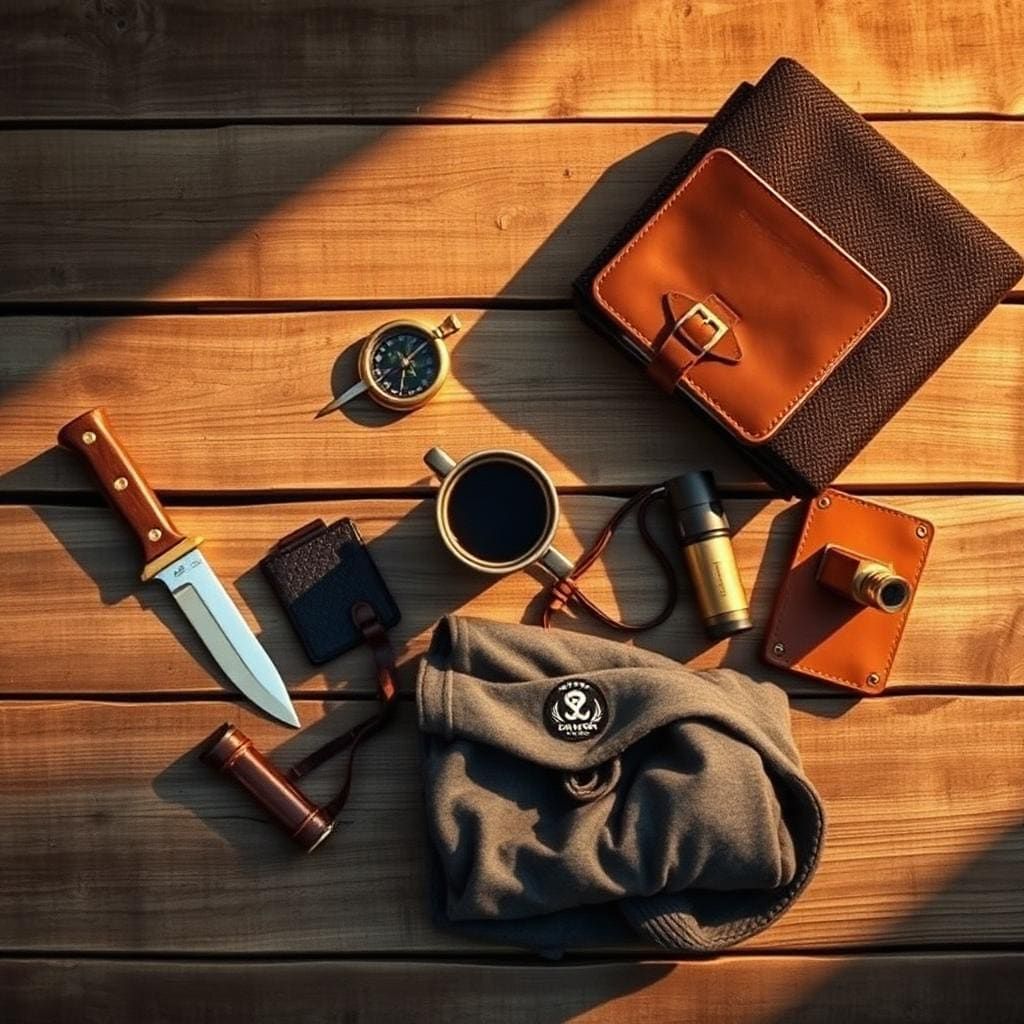
- Packing loose objects around passengers: They are hard to find and unsafe in a crash.
- Storing damp equipment in sealed bins: Mildew appreciates organizational efficiency.
- Keeping no master inventory: The same item is forgotten repeatedly.
Field checklist
- Label bins by function
- Pack in setup order
- Secure heavy equipment
- Keep first aid, water, and weather gear accessible
- Clean, dry, repair, and restock after every trip
Frequently asked questions
Are clear bins better?
They improve visibility, but opaque durable bins may protect contents from light and attention. Strong labels solve much of the difference.
Should food stay in the vehicle?
Only when local rules allow it and temperatures are safe. Bear-country requirements may specify approved containers or lockers.
How do I avoid overpacking?
Track what is actually used. Remove low-value duplicates unless they serve a defined emergency role.
Final word
A good car-camping system makes arrival calm and departure quick. The vehicle should carry options, not a mobile estate sale.