


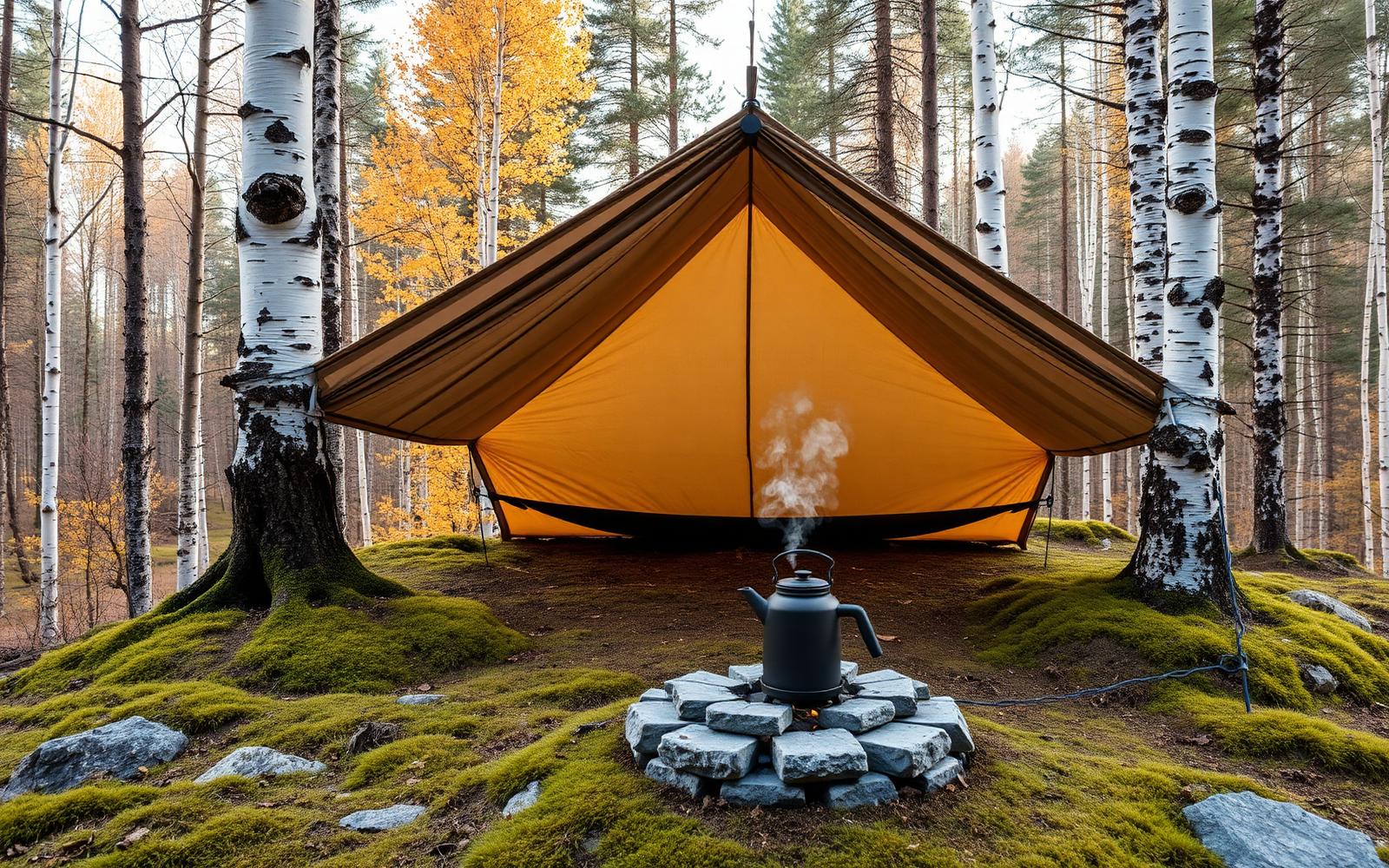
Wet-weather firecraft is not about producing a heroic shower of sparks. It is a preparation problem. Success comes from protecting dry material, locating usable fuel inside wet wood, building enough surface area, and maintaining heat until larger fuel can sustain combustion. The ignition source is usually the easiest part. The pile of unprepared fuel is what defeats people.
Carry a protected ignition system
Use at least two independent ignition methods and keep them dry in separate locations. A lighter is fast and efficient; a ferro rod is durable; stormproof matches can provide another option. Pair ignition with reliable tinder such as commercial fire starters, waxed material, or other proven products. Natural tinder is a skill to practice, not the only plan when warmth may be essential. Fire restrictions and local rules always come first.
Find dry wood inside wet wood
Rain wets surfaces before it saturates every piece of standing deadwood. Look for small dead branches under dense conifers where gathering is legal, elevated wood that has not been lying in soil, and larger pieces that can be split to expose a dry interior. A folding saw creates manageable lengths; careful splitting reveals protected fibers. Avoid living trees, punky wood, and materials gathered from fragile or restricted sites.
Build by size, not by optimism
Prepare more tinder, pencil-thin kindling, finger-sized sticks, and wrist-sized fuel than you expect to need. Arrange the first stages so flame can move upward through dry surfaces without being smothered. Add fuel gradually. A struggling flame needs fine, dry material and airflow, not a wet branch placed on top like a lid. Protect the work area with a tarp positioned safely away from heat and sparks.
Manage the fire after ignition
A wet-weather fire can fail several minutes after it appears successful. Keep feeding dry split faces, rotate damp pieces near—not on—the fire to warm them, and maintain a reserve under cover. Watch wind direction, overhead hazards, root systems, duff, and escape routes. Extinguish completely with water, stirring and feeling for heat where permitted. If water is scarce or fire danger is high, use a stove instead.
Wet-weather fire sequence
| Stage | Material | Goal |
|---|---|---|
| Ignition | Protected tinder | Sustain flame for more than a few seconds |
| Transfer | Matchstick- to pencil-sized kindling | Create a dense bed of small flame |
| Growth | Finger-sized split wood | Build heat without smothering airflow |
| Sustain | Larger split fuel | Maintain combustion and useful heat |
| Extinguish | Water and stirring | Leave the site cold to the touch where allowed |
Common mistakes to avoid
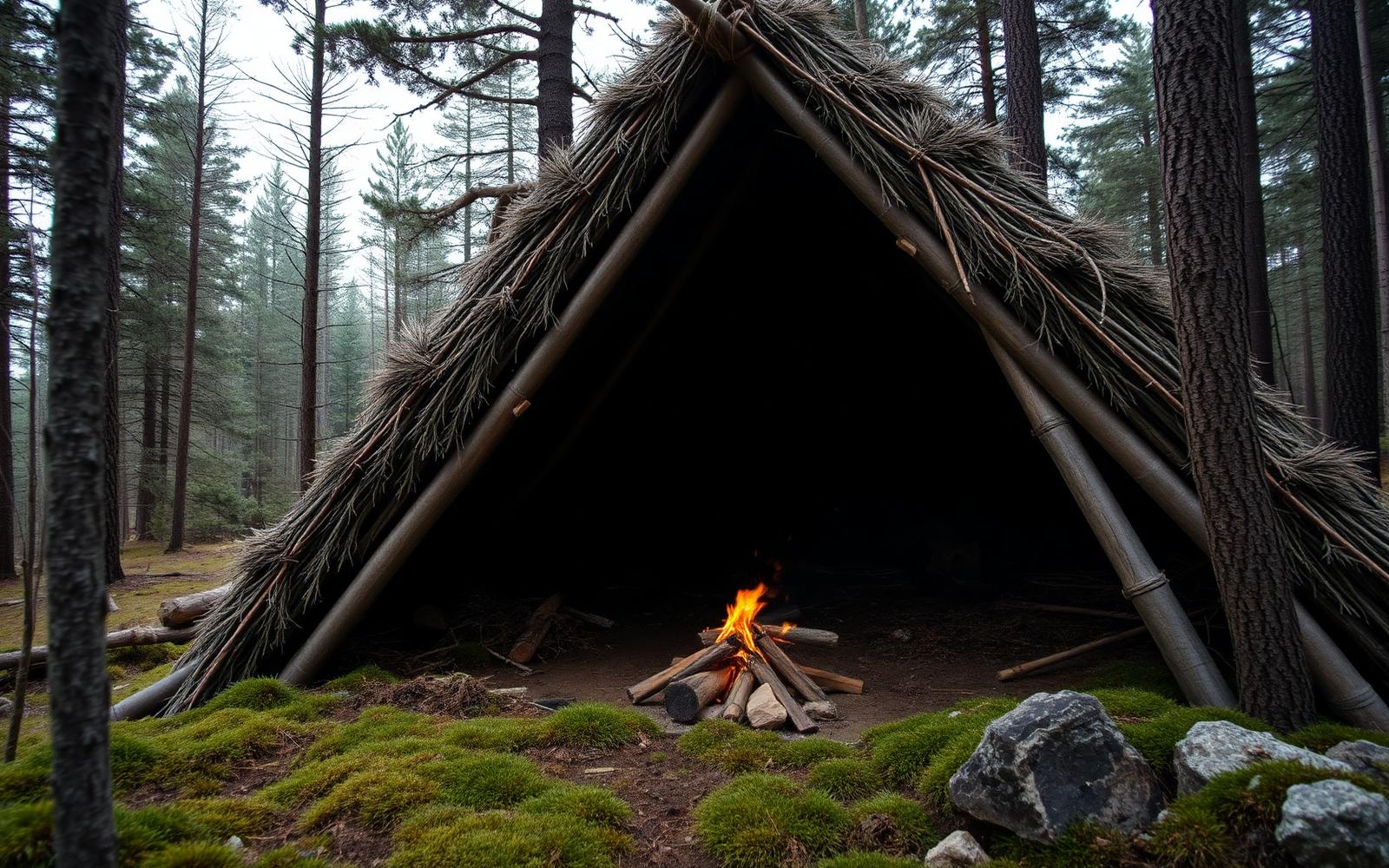
- Gathering after striking the spark: The fire cools while the user searches for fuel.
- Using only surface-wet twigs: Exposed material may hiss, steam, and consume heat faster than it contributes.
- Building under unsafe cover: Tarps, low branches, roots, and organic soil can turn convenience into a fire incident.
Field checklist
- Verify that fires are legal and appropriate
- Prepare all fuel stages before ignition
- Keep tinder and a backup lighter on your body
- Expose dry inner wood with safe tools
- Have enough water ready to extinguish the fire
Frequently asked questions
Can a ferro rod ignite wet wood directly?
Usually no. It ignites suitable tinder; the tinder then ignites increasingly larger dry material. Preparation bridges the gap.
What is the best natural tinder in rain?
It depends on the ecosystem and what gathering is permitted. Protected inner bark, resinous wood, and dry fibers under cover can work, but carry dependable tinder.
When should I skip the fire?
Skip it during bans, high fire danger, strong wind, inadequate extinguishing water, fragile sites, or whenever a stove and insulation meet the need more safely.
Final word
A dependable rain fire looks unimpressive before it is lit: neat piles, dry split faces, protected tinder, and water waiting nearby. That dull preparation is the real trick.