


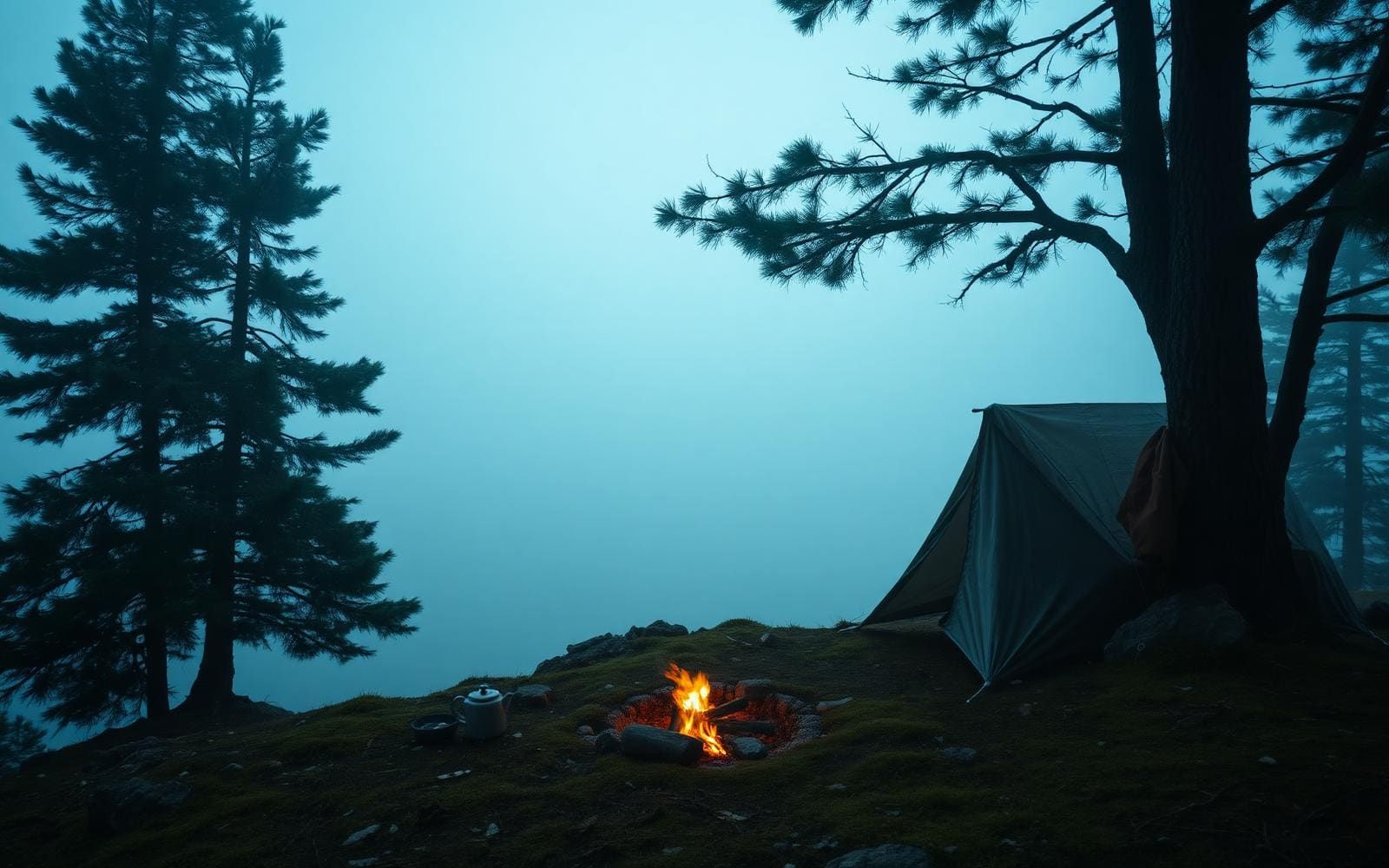
A good night's sleep on the trail can feel like a luxury, but it's essential for maintaining energy and morale, especially on multi-day trips. For three-season backpacking, defined typically as spring, summer, and fall in temperate climates, conditions can change dramatically from dusk to dawn. A clear, calm evening can drop to near freezing, while a stormy night might feel milder but demand better moisture management. This is where a layered sleep system shines, offering the flexibility to adapt to a range of temperatures and situations.
The Foundation: Shelter and Pad
Your sleep system starts before you even think about bags and blankets. The ground beneath you can sap significant warmth. A quality sleeping pad is non-negotiable for insulation. For three-season use, aim for an R-value of 2.5 to 4.0. This provides a good balance of warmth for most conditions without excessive weight or bulk. Consideration should be given to both inflatable and closed-cell foam pads. Inflatables offer superior comfort and often higher R-values for their weight, while closed-cell foam pads are virtually indestructible and can be used as a sit pad around camp.
Your shelter also plays a role. A tent provides the most protection from wind and dew, which significantly impacts perceived warmth. A tarp or bivy offers lighter-weight alternatives but provide less thermal protection. Know your typical conditions and choose accordingly. For many three-season trips, a well-ventilated tent that mitigates condensation is the sweet spot.
Core Insulation: Sleeping Bag or Quilt
This is often the most significant piece of your sleep system. For three-season use, a sleeping bag or quilt rated from 20°F to 40°F (-6°C to 4°C) is a good starting point. Consider the "comfort" rating rather than the "limit" or "extreme" ratings, as comfort ratings are more realistic for a good night's sleep.
Down insulation offers the best warmth-to-weight ratio and compressibility. However, it loses much of its insulating power when wet. Synthetic insulation performs better when damp but is heavier and bulkier. If you anticipate routinely wet conditions, or are prone to condensation inside your shelter, synthetic might be a safer bet. For most, waterproof-treated down (hydrophobic down) offers a good compromise.
Quilts have gained popularity among backpackers for their weight savings and adaptability. By eliminating the back insulation that gets compressed anyway, and offering an open back, they can be lighter and more versatile, allowing you to vent more easily on warmer nights or cinch down tighter when it's cold.
Adding Warmth: Liners and VBLs
Sleep system liners can add anywhere from a few degrees to over 10 degrees Fahrenheit of warmth, depending on the material. They also keep your sleeping bag cleaner, extending its lifespan. Common materials include:
- Silk: Lightweight, adds a few degrees, feels luxurious.
- Fleece/Microfleece: Adds noticeable warmth, but bulkier.
- Thermolite/Reactor material: Designed specifically to boost warmth, often rated to add 5-15°F.
A VBL, or Vapor Barrier Liner, is a less common but effective tool for very cold or long trips where drying gear is impossible. It prevents moisture from your body reaching your insulation, keeping it dry and efficient. However, they can feel clammy for some and require careful management to avoid excessive perspiration buildup.
Clothing: Your Personal Thermostat
What you wear to bed is a critical layer in your sleep system. Avoid cotton, which loses its insulating properties when damp. Instead, opt for synthetics or merino wool base layers. Key items include:
- Long underwear (top and bottom): A mid-weight merino or synthetic set is ideal for most three-season conditions.
- Warm socks: Clean, dry wool or synthetic socks are crucial for warm feet.
- Insulated hat: A significant amount of heat is lost through your head. A wool or fleece beanie makes a big difference.
- Puffy jacket (optional, but recommended): For predicted cold nights, sleeping in your puffy jacket adds a substantial boost of warmth without adding a specific "sleep only" item to your pack.
The beauty of sleeping in your layers is the ability to strip them off if you get too warm, or add them on if the temperature drops unexpectedly. This adjustability is the core benefit of a layered approach.
Practical Tips for Layering Success
- Avoid over-compressing your sleeping bag/quilt: Store it loosely at home, and only compress it for transport in your pack. Over-compressing for extended periods damages the loft.
- Ventilation is key: In your tent, ensure proper ventilation to reduce condensation, which can dampen your insulation.
- Eat and hydrate before bed: Your body generates heat through metabolism. A warm, fatty snack before bed can help your internal furnace. Drink enough water throughout the day, but avoid overdoing it right before sleep to prevent midnight bathroom breaks.
- Keep sleeping clothes dry: Change into your dedicated sleep clothes only when you're ready for bed. Don't wear clothes you've been hiking in, especially if they're damp with sweat.
- Pre-warm your bag: If it's particularly cold, do some light exercises like jumping jacks before slipping into your bag. A hot water bottle (properly sealed!) can also be a luxurious addition.
By understanding and implementing a layered sleep system, you transform what could be an uncomfortable night into a restful, restorative experience, setting you up for success on the trail, no matter what three-season conditions greet you. Experiment to find what works best for your personal physiology and the specific environments you frequent.