


More Than a Checklist: The Real-World Ten Essentials
The Ten Essentials list from The Mountaineers has been a foundational piece of backcountry advice for decades. It's a brilliant framework, a reminder that venturing into the wild requires preparation. But like any general guideline, it benefits from adaptation. This isn't about discarding the list, but understanding its spirit and applying it intelligently to your trips, your skills, and your chosen environment.
Navigation: Beyond the Smartphone
Most of us carry a smartphone with GPS. It's incredibly useful. But it's not a primary navigation tool in the backcountry. Batteries die. Screens crack. Signal vanishes. The real essentials for navigation are redundancy and skill.
- Map: A physical, waterproof topographic map of your area. Learn to read it – contour lines, scale, declination. It's your paper backup that never runs out of batteries.
- Compass: A reliable baseplate compass. Know how to orient your map, take bearings, and follow them. This skill is critical when visibility drops or trails disappear.
- GPS Device/Watch: A dedicated GPS device or a capable GPS watch serves as an excellent complement. It pinpoints your location quickly and helps with route finding, but always cross-reference with your map and compass.
- Route Planning: Before you even leave, study your route. Note landmarks, elevation changes, water sources, and bail-out points. This mental map is often your most valuable navigation tool.
Sun Protection: Not Just for Summer
Sun protection isn't just about avoiding a sunburn. It's about preventing heat exhaustion, long-term skin damage, and maintaining comfort. This is essential year-round, even on cloudy days or in snowy environments where UV reflection is high.
- SPF Lip Balm: Often overlooked, chapped, burned lips are miserable.
- Sunglasses: High-quality, UV-blocking sunglasses. Essential to protect your eyes from snow glare or harsh desert sun.
- Sun Hat: A wide-brimmed hat offers more protection than a baseball cap, especially for your ears and neck.
- Sun-Protective Clothing: Long-sleeved shirts and pants made from lightweight, breathable, sun-blocking fabrics. Look for UPF ratings.
- Sunscreen: Broad-spectrum SPF 30+ applied to all exposed skin, reapplying often, especially if sweating.
Insulation: Layers, Not Bulk
Weather can change rapidly in the backcountry. Your insulation system needs to be adaptable. Think layers that can be added or shed to regulate your temperature, rather than one big, heavy jacket.
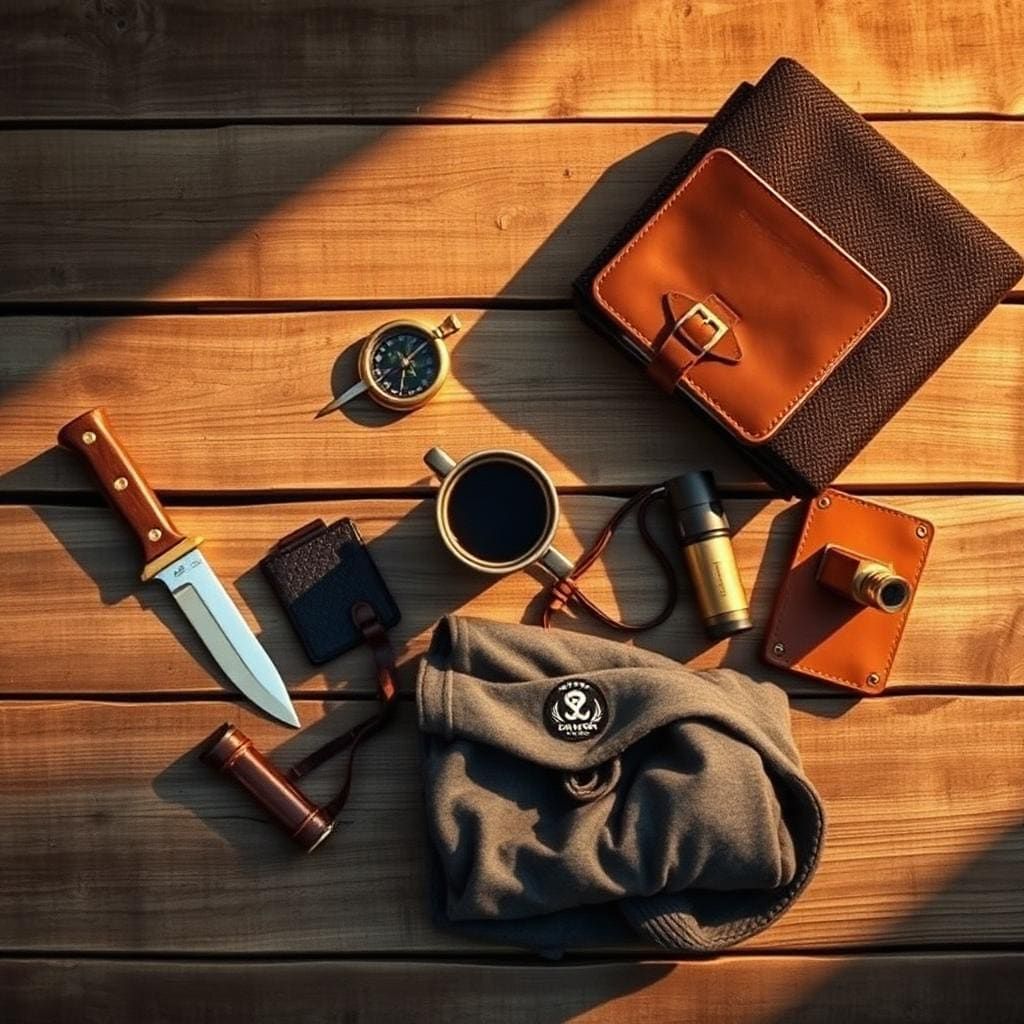
- Base Layer: Wicks moisture away from your skin (merino wool or synthetic).
- Mid-Layer: Provides warmth (fleece jacket, puffy vest). This is often your active layer.
- Puffy Jacket: A warm, compressible insulated jacket (down or synthetic) for static warmth at camp or during breaks.
- Waterproof/Windproof Shell: Protects against rain and wind, allowing your insulation layers to do their job effectively. This is non-negotiable.
- Warm Hat & Gloves: Crucial for retaining body heat, even in moderate temperatures.
Illumination: Reliable Light for the Dark Half of the Day
Even if you plan to be back before dark, delays happen. A reliable light source is a non-negotiable essential. And a backup is just as important.
- Headlamp: Frees your hands for tasks. Look for multiple settings (spot, flood, red light) and comfortable fit.
- Spare Batteries: Always carry spares, or a power bank if your headlamp is rechargeable. Cold weather drains batteries faster.
- Small Backup Light: A mini LED flashlight or a small, lightweight backup headlamp. Think redundancy.
First-Aid Supplies: Tailored to Your Trip
A pre-packaged first-aid kit is a good starting point, but it needs customization. Consider the length of your trip, the remoteness, the number of people, and any personal medical needs.
- Personal Medications: Any prescription drugs you or your companions need.
- Wound Care: Variety of bandages, gauze, antiseptic wipes, medical tape, blister treatment (moleskin, hydrocolloid dressings).
- Pain & Inflammation: Ibuprofen, acetaminophen.
- Allergy Relief: Antihistamines, epi-pen if necessary.
- Tools: Small scissors, tweezers, safety pins.
- Knowledge: Knowing how to use these items is as important as having them. Consider a wilderness first aid course.
Emergency Shelter: Beyond the Tent
While your tent or tarp provides primary shelter, an emergency shelter is a backup for unexpected situations – delayed return, injury, or severe weather. This isn't always a second tent, but something much more compact.
- Emergency Bivy Sack: A lightweight, reflective bivy acts as a minimalist shelter to retain body heat.
- Lightweight Tarp: Can be rigged in various configurations for rain or wind protection.
- Large Contractor Bag or Survival Bag: A simple, affordable option to create an immediate, albeit crude, emergency shelter from rain and wind.
The takeaway: The Ten Essentials are a guide. The real skill lies in understanding why each item is essential and how to adapt them to make your own trips safer and more enjoyable. Think critically, pack mindfully, and always prioritize preparedness over wishful thinking."}}, tags=[