


Weekend trips are a fantastic way to recharge, explore, and test your skills without committing to a full-blown expedition. But a poorly planned weekend outing can quickly devolve into "Type II fun"—fun only in retrospect, after the misery has faded. The key to ensuring your trip is Type I fun (enjoyable from start to finish) lies in solid preparation.
This checklist is designed to cover the essentials for most general weekend wilderness adventures, from car camping to a short backpacking trek. Adapt it to your specific activity and location, but use it as a foundational guide.
Before You Go: The Pre-Trip Huddle
Proper planning starts long before you pack. This initial phase sets the stage for a smooth trip.
- Define Your Destination & Objective:
- Where are you going? (Specific park, trail, campsite)
- What's the primary activity? (Hiking, paddling, fishing, relaxation)
- What's the "bailout" plan or nearest town if things go sideways?
- Check Conditions & Regulations:
- Weather forecast: Don't just look at temperature; consider wind, precipitation, and significant drops/rises.
- Permits/Reservations: Do you need them? Secure them well in advance.
- Fire restrictions: Crucial for campfires or stove use.
- Trail conditions: Are trails open? Muddy? Washed out?
- Communicate with Your Group:
- Confirm everyone's abilities and comfort levels.
- Delegate responsibilities (e.g., who brings the stove, who plans dinner).
- Share trip details, including emergency contacts and expected return time, with someone staying home.
The Gear Foundation: Essentials for Comfort and Safety
Your gear list will vary, but these categories are non-negotiable. Think in layers and redundancy.
- Shelter & Sleep:
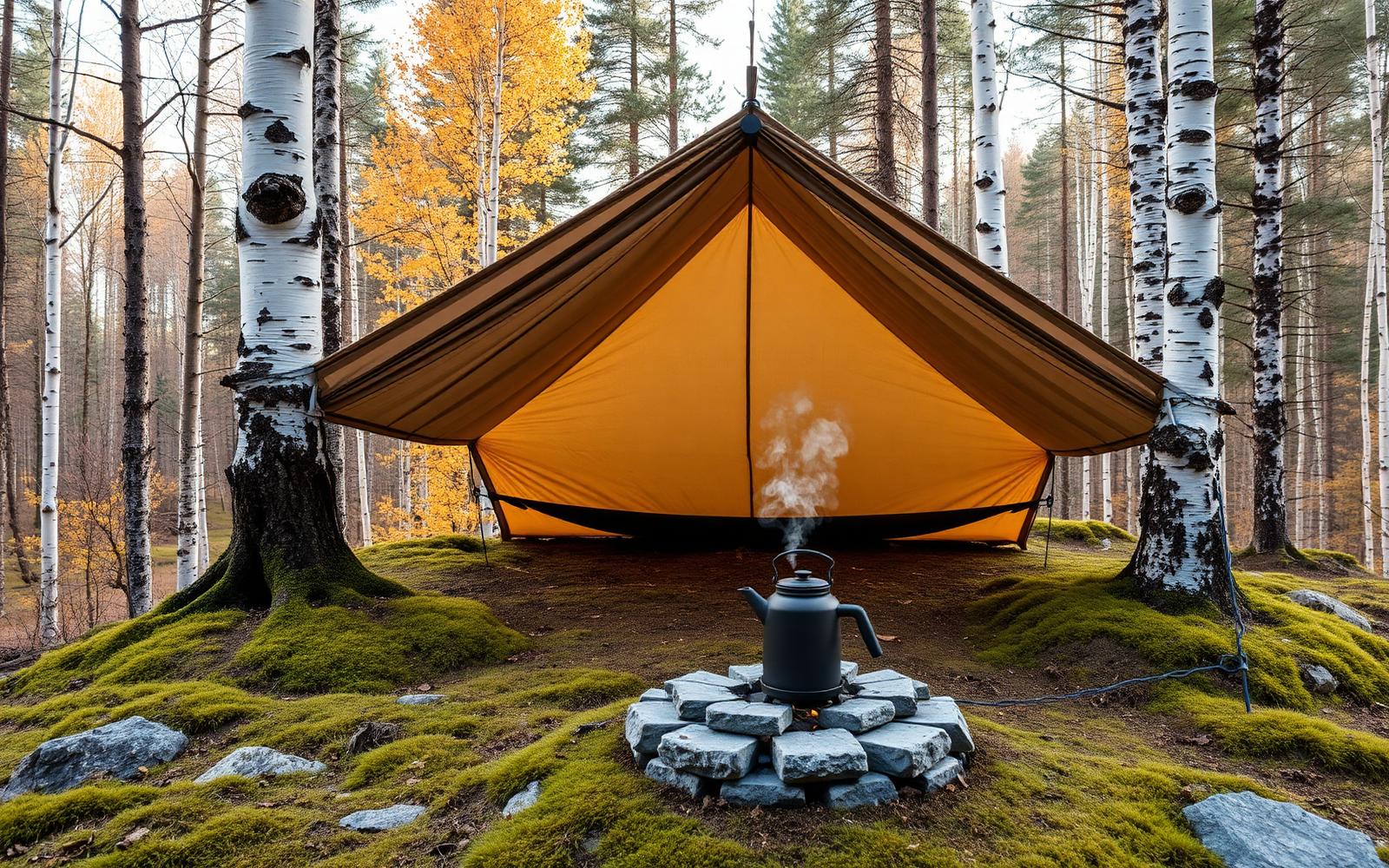
- Tent/Tarp: Appropriate for expected weather.
- Sleeping bag: Rated for the lowest anticipated night temperature.
- Sleeping pad: For insulation and comfort.
- Navigation:
- Map (physical, waterproof): Always carry one.
- Compass: Know how to use it.
- GPS device/App: With downloaded offline maps and charged battery.
- Power bank: Essential for charging electronics.
- Clothing (Layered System):
- Base layers (moisture-wicking).
- Mid-layers (insulation, fleece/down).
- Outer shell (waterproof/windproof jacket and pants).
- Extra socks: Crucial for foot health.
- Warm hat/gloves: Even in summer, nights can be cold.
- Lighting:
- Headlamp: With fresh batteries and spares.
- Small lantern: For camp comfort.
- Fire Starters:
- Multiple reliable options: Lighter, waterproof matches, ferro rod.
- Tinder/Kindling: Vaseline-soaked cotton balls, dryer lint, commercial fire starters.
Fueling the Adventure: Food and Water
Under-fueling leads to low morale and poor decision-making. Plan for more than you think you'll need.
- Water:
- Carry enough for travel.
- Water filter/purifier: Reliable, well-maintained, and tested.
- Backup purification (tablets/drops).
- Water bottles/hydration reservoir.
- Food Planning:
- Breakfasts, lunches, dinners, and plenty of snacks.
- Consider one-pot meals for ease.
- Pack caloric-dense, non-perishable options.
- Bear canister/bag: If required or prudent for your area.
- Trash bags: Pack out everything you pack in.
Safety and Contingency: Preparing for the Unexpected
This is where Type II fun is most often born. Don't skimp on safety.
- First Aid Kit:
- Personalized for your group's needs (medications, blisters, cuts, sprains).
- Painkillers, anti-inflammatories, antiseptic wipes, bandages, moleskin.
- Emergency Communication:
- Whistle: For signaling.
- Satellite messenger/PLB: If out of cell service (highly recommended for remote trips).
- Fully charged phone (even if no service, useful for GPS, emergency calls if service is found).
- Repair Kit:
- Duct tape, cordage, knife/multi-tool, needle and thread.
- Hygiene:
- Trowel, toilet paper, hand sanitizer, small soap (biodegradable).
Completing a thorough checklist doesn't take long, but the peace of mind and the prevention of frustrating mishaps are invaluable. Embrace the planning process as part of the adventure. By taking the time to prepare, you're not just packing gear; you're packing confidence, comfort, and the promise of genuinely enjoyable "Type I fun" on your next weekend journey into the wild. Happy trails!", tags=[