


Deciding what gear to buy for backpacking can feel like navigating a minefield of conflicting advice. On one side, the siren song of ultralight gear promises effortless miles and minimalist bliss. On the other, the steady thrum of durability offers peace of mind and gear that lasts season after season. The truth, as often happens, lies somewhere in the middle, and understanding where to spend your hard-earned money and where you can reasonably save is key to building an effective and sustainable kit.
The Philosophy of Weight vs. Longevity
Every item you pack carries a trade-off. Generally speaking, ultralight gear achieves its low weight through thinner materials, simpler designs, and sometimes, less robust components. Durable gear, conversely, often uses thicker fabrics, more reinforced stitching, and heavier-duty hardware. Neither is inherently superior; it's about matching the gear to your trip, your style, and your priorities.
Consider your typical trips:
- Weekend warrior on maintained trails? You might prioritize comfort and a few extra ounces won't break the bank.
- Thru-hiker covering thousands of miles? Every gram matters, but so does gear that won't fall apart in the middle of nowhere.
- Bushcraft enthusiast venturing off-trail? Durability becomes paramount when facing constant abrasion and potential snags.
Where to Invest in Durability and Performance
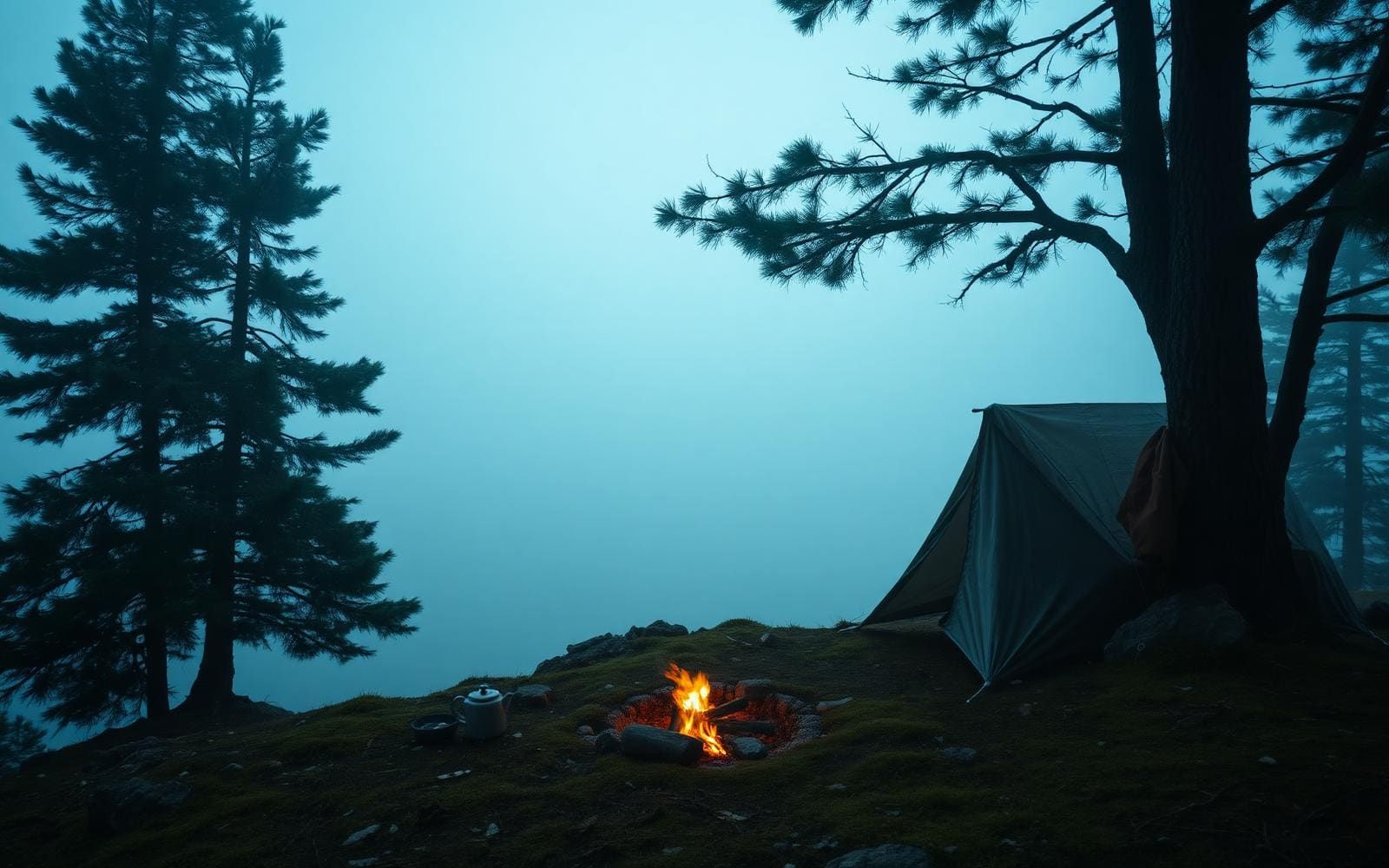
Certain items in your kit are non-negotiable when it comes to reliability and comfort. These are the pieces where skimping on quality often leads to regret, discomfort, or even unsafe situations.
- Shelter (Tent, Tarp, or Hammock System): Your shelter protects you from the elements. A flimsy tent floor or a poorly stitched tarp can mean a miserable, wet night. Invest in:
- High-denier floor fabrics or a quality ground sheet.
- Robust poles (for tents) or strong suspension (for hammocks and tarps).
- Reliable zippers and strong stitching.
- Sleeping System (Sleeping Bag/Quilt and Pad): A good night's sleep is crucial for recovery and morale. Your sleeping system insulates you from the cold ground and ambient air. Invest in:
- A sleeping bag or quilt with proven insulation (down or synthetic) appropriate for your expected lowest temperatures.
- A sleeping pad with an adequate R-value for warmth and sufficient thickness for comfort.
- Durable pad materials that resist punctures.
- Backpack: This is the foundation of your carry system. A comfortable, well-fitting pack distributes weight effectively and withstands the rigors of the trail. Invest in:
- A pack with a robust frame and suspension system suitable for your typical load weight.
- Durable shoulder straps, hip belt padding, and back panel materials.
- Strong main body fabric and reliable zippers.
- Footwear: Your feet are your primary mode of transport. Blisters, wet feet, or inadequate support can quickly end a trip. Invest in:
- Boots or trail runners that fit well and offer appropriate support for your terrain.
- Durable soles with good traction.
- Quality upper materials that can handle trail abuse.
Where to Save and Prioritize Lighter Weight
While some items demand maximum durability, others can lean towards the ultralight end of the spectrum without significantly compromising safety or function. These are often items that don't bear structural weight, aren't constantly exposed to abrasion, or are easily repaired/replaced.
- Cooking System (Stove, Pot, Utensils): Unless you're planning gourmet backcountry meals, a minimalist approach works well. Save on:
- Ultralight titanium or aluminum pots.
- A simple, efficient stove (e.g., canister, alcohol, or wood gasifier).
- A lightweight spork or spoon.
- Clothing (Beyond Essential Outerwear): While good rain gear and insulating layers are crucial, your base layers and secondary items can often be lighter. Save on:
- Lightweight synthetic or merino wool base layers.
- An ultralight puffy jacket for camp, if not your primary insulator.
- Lightweight hiking shirts and pants.
- Water Bottles/Bladders: While you need reliable hydration, you don't always need the heaviest-duty options. Save on:
- Soft collapsible bottles or lightweight bladders.
- Plastic soda bottles (a common ultralight hack, just ensure they are clean and sturdy).
- First Aid Kit (Customized): Build your own to only include what you truly need, saving weight from pre-packaged kits with unnecessary items. Save on:
- Only packing essential medications and wound care items.
- Using lightweight containers.
- Stuff Sacks and Organization: Your organizational tools don't need to be heavy. Save on:
- Ultralight dry sacks and stuff sacks made from Dyneema Composite Fabric (DCF) or silnylon.
- Forgoing multiple heavy storage bags in favor of lightweight options or simply using your pack itself.
Striking the right balance between ultralight and durable isn't about dogmatic adherence to one principle over the other. It's about making informed choices based on your personal needs, trip objectives, and risk tolerance. By carefully considering where to invest in robust, high-performance gear and where to embrace lighter, simpler alternatives, you can assemble a backpacking kit that serves you well for many adventures to come without breaking your back or your bank account.