


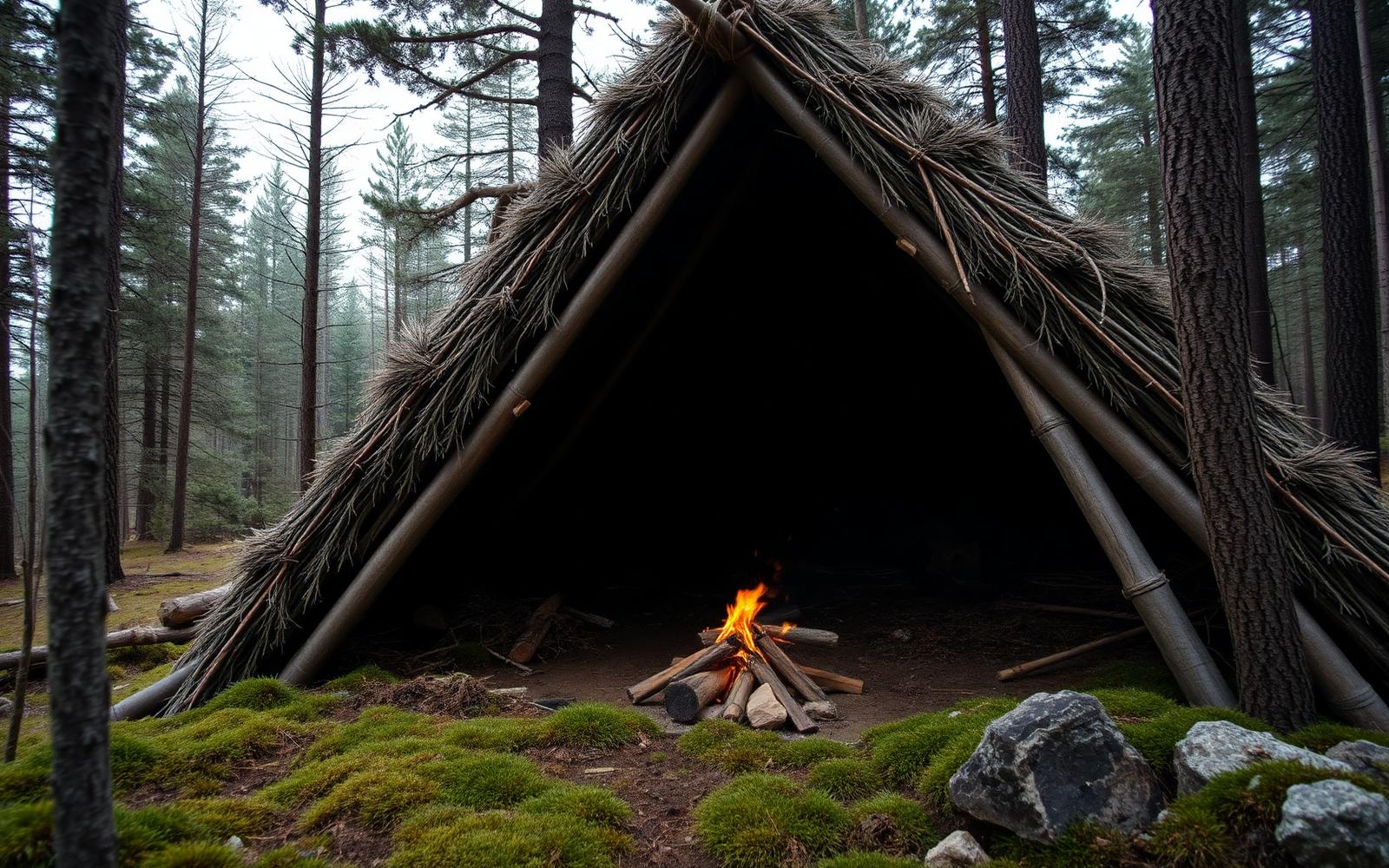
Across Alone, shelter tradeoffs is rarely a stand-alone skill. The program makes it possible to observe how balancing construction calories, structural safety, insulation, ventilation, repairability, and the time horizon of the stay interact with health, weather, time, and isolation. The responsible takeaway is a framework for questions, not a claim that television footage is a complete lesson.
Analysis answer: The show suggests that shelter tradeoffs works best when it is part of a balanced system, has a clear energy and risk cost, and can be changed before a setback becomes a medical or rescue problem.
Why shelter tradeoffs matters on Alone
In a long-duration format, balancing construction calories, structural safety, insulation, ventilation, repairability, and the time horizon of the stay. A choice that looks small on day one can shape warmth, food, sleep, tool control, and morale weeks later. That compounding effect is one of the most useful aspects of the series for outdoor learners.
The show also creates constraints that ordinary travelers should not copy. Participants cannot simply use the normal quantity of food, equipment, social support, transportation, and communication that a recreational trip should include. Analysis must separate the strategic puzzle from safe real-world practice.
A theme-specific analytical lens
Shelter analysis needs a time horizon. A rapid carried shelter, a reinforced basecamp, and a long-duration structure solve different problems. Compare setup exposure, insulation, ventilation, drainage, fire separation, repair, and the calories required before declaring one design superior.
A useful scorecard
Score dry sleeping area, safe ventilation, setup exposure, structural margin, repairability, and site impact. More material or labor is justified only when it produces a measurable gain.
Four questions to ask while watching
What problem is the person actually solving?
Name the immediate need—warmth, calories, water, injury prevention, sleep, storage, rescue margin, or mental structure. This prevents an impressive object or dramatic moment from becoming the entire explanation.
What did the solution cost?
Count time, movement, exposure, tool use, lost opportunities, repair needs, and the chance of failure. A solution with a high hidden cost may be sensible only under a long time horizon or exceptional skill.
What context is missing?
Consider local law, production rules, medical checks, participant selection, unseen repetitions, editing, season, and site-specific resources. The absence of context is a reason to research, not to fill the gap with certainty.
What would a normal trip do differently?
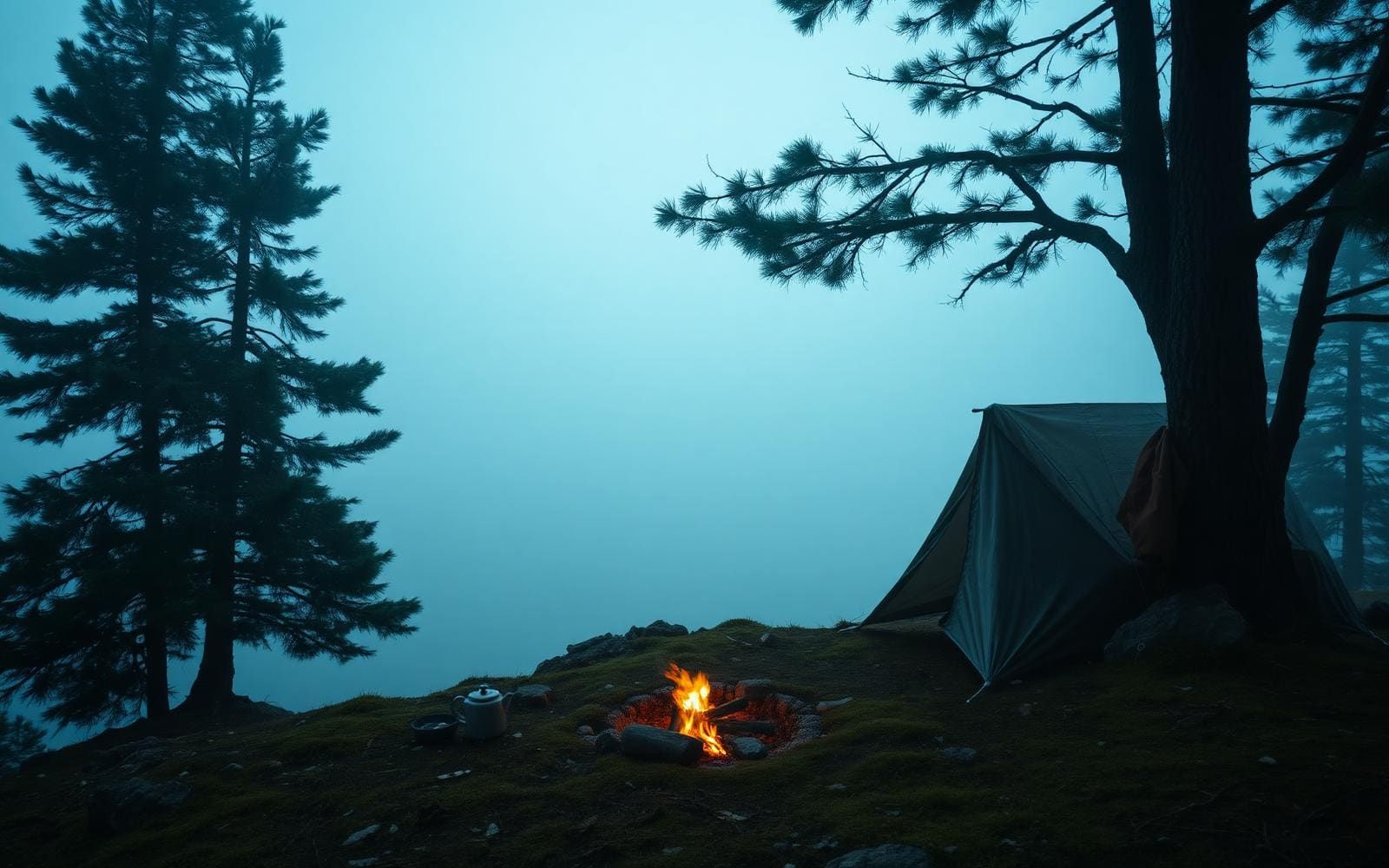
A normal trip should carry adequate food, modern shelter and clothing, communication, first aid, current maps, required safety equipment, and an exit plan. The transferable lesson is usually planning and judgment, not deprivation.
A better way to write about the show
Use episode examples sparingly and paraphrase them. Add an original field observation from a qualified practitioner, link to the official series and authoritative safety sources, disclose the lack of affiliation, and avoid unauthorized stills or logos. The article should create new explanatory value rather than retell an episode.
Frequently asked questions
What does Alone show about shelter tradeoffs?
Across seasons, the format makes visible how balancing construction calories, structural safety, insulation, ventilation, repairability, and the time horizon of the stay affect long-duration performance. The useful lesson is the interaction among systems, not a claim that one technique is universally best.
Is Alone a documentary or a training course?
It is a self-documented survival competition edited for television. It can prompt useful questions, but it does not replace local regulations, current agency guidance, wilderness medicine, or hands-on instruction.
How can Wild10Basecamp discuss the show responsibly?
Use independent analysis, brief paraphrased references, official sources, original expertise, and original or licensed imagery. Do not reproduce episode transcripts, still frames, logos, or contestant likenesses without rights.
Final takeaway
The value of shelter tradeoffs as an Alone topic is the chance to see systems interact over time. Wild10Basecamp should turn that observation into original, safer field education—not a copied recap or a dare to imitate television conditions.
Sources and further reading
- Alone — Official Series Page — HISTORY
- Alone Gear List — HISTORY
- Interview with Alone survival and safety consultant — HISTORY
Independent editorial commentary. Wild10Basecamp is not affiliated with, endorsed by, or sponsored by HISTORY, A+E Networks, ITV, Leftfield Pictures, or the producers or participants of Alone. All trademarks belong to their owners.
Safety note: A television survival format is not a training program. Practice skills legally and under controlled conditions, obtain hands-on instruction, and do not imitate high-risk actions shown on screen.
Build the kit you just watched
Every item below is ranked from field use — no filler, no budget picks.
- The 10 items, rankedWhat actually survives 100 days — our tested picks for every slot on the list.
- Best bushcraft axesThe axe is the highest-leverage pick in the game. Here are the ones worth the weight.
- Best bushcraft knivesEvery winner carried one. These are the fixed blades that hold up to a full season.
- What the winners carriedSeason-by-season loadout analysis of every Alone champion.