


Navigating the backcountry comes with inherent risks. While it’s easy to focus on the dramatic survival scenarios, the reality of wilderness medicine often boils down to a handful of predictable, yet still potentially serious, injuries. This isn't about treating a rattlesnake bite or performing emergency surgery; it's about being prepared for what you're actually likely to face.
Sprains and Strains: The Trailside Tumble
Twisted ankles, wrenched knees, and strained backs are hallmarks of uneven terrain and long days. A misstep on a root, a slide on loose scree, or simply carrying an overloaded pack can lead to these common ailments. The immediate concern is reducing swelling and pain.
- Assessment: Does the injured person bear weight? Is there deformity? Can they move the joint through a limited range of motion? If a fracture is suspected (inability to bear weight, significant deformity, bone pain), treat it as such.
- R.I.C.E.: Rest, Ice (or cold compress if ice isn't available), Compression, Elevation. Immobilize the injury as best you can.
- Pain Management: Over-the-counter pain relievers like ibuprofen or acetaminophen can help manage discomfort.
- Support: Use an elastic bandage or create a makeshift brace with medical tape and padding to support the injured area during evacuation.
Blisters: The Unseen Saboteur
A blister might seem minor, but it can quickly derail a trip. Left untreated, a blister can rupture, become infected, and make walking excruciating. Prevention is always better than cure.
- Prevention: Proper fitting footwear, moisture-wicking socks (no cotton!), and addressing hot spots immediately with moleskin or athletic tape are key.
- Treatment (Intact Blister): If the blister is small and not painful, leave it alone. Cover it with moleskin or a hydrocolloid dressing to protect it.
- Treatment (Large or Painful Blister): Clean the area. Sterilize a needle (alcohol wipe, flame and cool). Puncture the blister at its base, drain the fluid. Do not remove the "roof" of the blister. Apply antiseptic and cover with a sterile dressing, then moleskin or tape.
- Infection Watch: Redness, warmth, increased pain, pus, or red streaks indicate infection and require immediate attention.
Cuts and Abrasions: Everyday Encounters
Tripping on a branch, scraping a hand on a rock, or even a minor knife slip can lead to cuts and abrasions. While often superficial, the risk of infection in a wilderness setting is elevated.
- Cleaning: The most critical step. Irrigate thoroughly with clean water, ideally potable water from your supply. Remove any debris. Betadine wipes or similar antiseptic can be used around the wound, but avoid putting strong antiseptics directly into a deep wound.
- Bleeding Control: Apply direct pressure with a sterile gauze pad. Elevate the injured limb if possible.
- Dressing: Cover with a sterile dressing. For deeper cuts, butterfly bandages or medical tape can approximated wound edges before bandaging.
- Infection Signs: Redness, swelling, warmth, pus, fever, or red streaks emanating from the wound indicate infection and warrant extraction to professional medical care.
Hypothermia/Heat Exhaustion: Environmental Threats
Temperature extremes are a constant concern. Hypothermia, a dangerously low body temperature, and heat exhaustion, caused by excessive heat and dehydration, are common and potentially life-threatening.
Hypothermia
- Symptoms: Shivering (often vigorous in mild cases, absent in severe), confusion, slurred speech, lethargy, poor coordination. "The Umbles": Stumbles, mumbles, fumbles, grumbles.
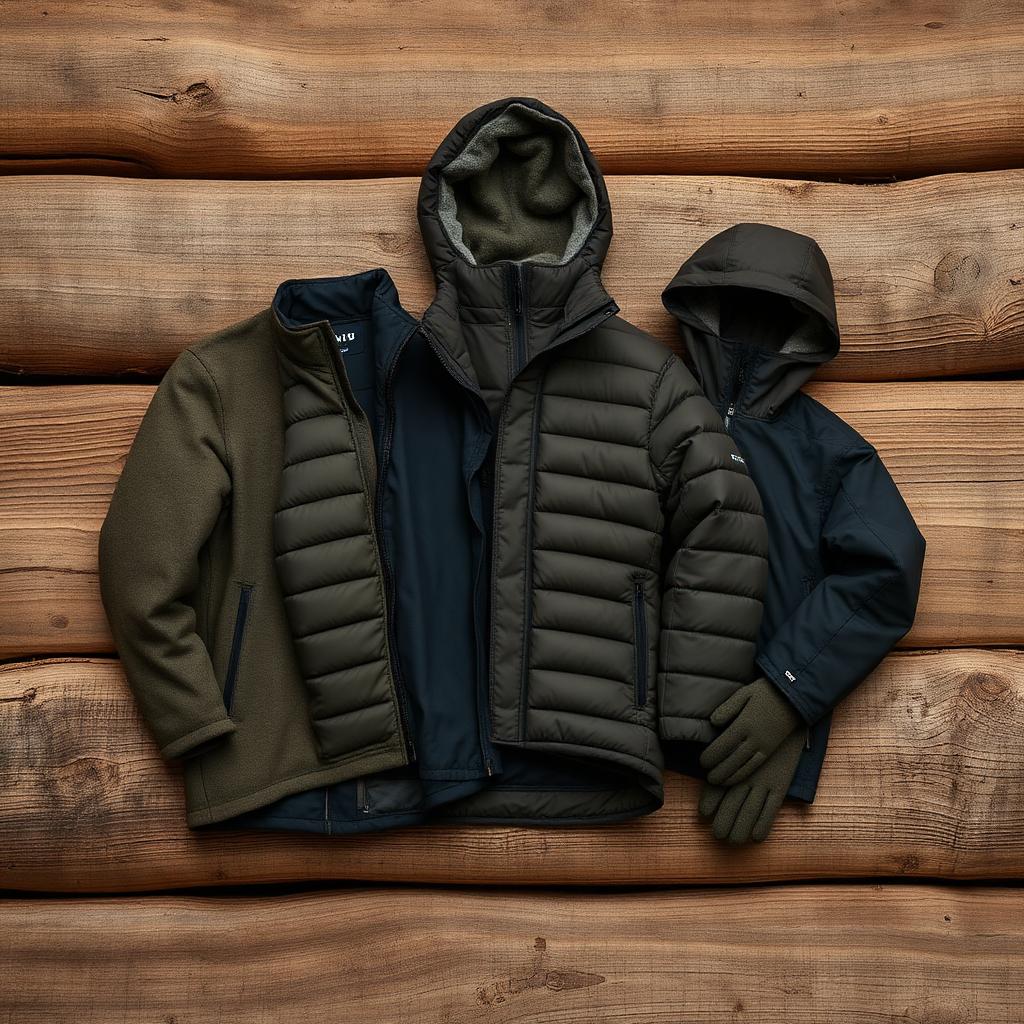
- Treatment: Remove wet clothing, replace with dry layers. Provide insulation (sleeping bag, emergency blanket). Offer warm, sugary drinks (if conscious). Get the person out of wind and rain. Share body heat if necessary.
Heat Exhaustion
- Symptoms: Heavy sweating, paleness, muscle cramps, fatigue, nausea, headache, dizziness. Body temperature may be normal or slightly elevated. If confusion or loss of consciousness occurs, suspect heat stroke – a medical emergency.
- Treatment: Move to a cooler environment (shade). Loosen clothing. Apply cool, wet cloths to skin. Give sips of water or electrolyte drinks. Monitor closely.
Insect Bites and Stings: The Little Annoyances
From mosquitos to bees, insects are an unavoidable part of the outdoors. While often just an annoyance, some bites and stings can cause allergic reactions.
- Prevention: Insect repellent, long sleeves/pants, checking for ticks.
- Minor Bites/Stings: Clean the area. Apply anti-itch cream (hydrocortisone) or antihistamine. Remove stingers if present (scrape, don't squeeze).
- Allergic Reactions: Swelling, hives, difficulty breathing, dizziness, rapid heart rate. If a known severe allergy, administer an epinephrine auto-injector (e.g., EpiPen) if available. Get immediate medical help.
Understanding and preparing for these common backcountry injuries will significantly enhance your safety and the well-being of your companions on any wilderness excursion. Don't underestimate the importance of a well-stocked first-aid kit and the knowledge to use it effectively.