



Accidental cold water immersion is a very real danger for anyone spending time on or near water, especially in colder climates or seasons. A fall from a canoe, a capsize in a kayak, or even slipping off a bank while fishing can rapidly turn into a life-threatening situation. Understanding what happens to your body and how to react in those critical moments can dramatically increase your chances of survival. This is where the 1-10-1 Rule comes in.
The 1-Minute Rule: Cold Shock Response
The "1" in 1-10-1 stands for one minute. This is the approximate duration of the initial cold shock response. When you suddenly enter cold water, your body reacts violently and involuntarily. This isn't hypothermia; it's your body's immediate alarm system.
Key reactions during cold shock:
- Gasp Reflex: An uncontrollable urge to take a deep, often gasping, breath. If your mouth is underwater, this can lead to water inhalation and drowning.
- Hyperventilation: Rapid, uncontrolled breathing. You'll struggle to catch your breath, making it difficult to speak or call for help.
- Increased Heart Rate & Blood Pressure: Your cardiovascular system goes into overdrive, which can be dangerous for individuals with underlying heart conditions.
- Panic: A strong psychological response. It's easy to lose your composure and make poor decisions.
What to do: Focus intensely on controlling your breathing. Fight the urge to gasp. If possible, cover your mouth and nose to prevent water inhalation. The cold shock will pass, but those first 60 seconds are critical for preventing immediate drowning.
The 10-Minute Rule: Limited Dexterity
The "10" represents the approximate time you have before you lose the effective use of your hands and arms. After the initial cold shock subsides, your body begins to cool. The extremities, particularly your hands, are the first to feel the effects.
Why your hands matter:
- Self-Rescue: You need your hands to grip rescue ropes, hold onto overturned crafts, or pull yourself out of the water.
- Signaling: Without manual dexterity, lighting a flare or using a whistle effectively becomes challenging or impossible.
- Staying Afloat: While your core might still be relatively warm, numb hands make it difficult to tread water or don a life vest if you're not already wearing one.
What to do: Prioritize self-rescue or preparing for rescue during this window. If you're near your boat, try to re-enter it or at least get as much of your body out of the water as possible. If a rescue device (like a throw bag) is offered, grab it quickly. If you have a whistle on your PFD, use it repeatedly and loudly.
The 1-Hour Rule: Hypothermia
The final "1" signifies the approximate time until you become unconscious due to hypothermia. While often feared, severe hypothermia takes longer to set in than most people realize. Your body loses heat much faster in water than in air; cold water pulls heat from your body 25 times faster than cold air.
Symptoms of developing hypothermia:
- Shivering: Uncontrollable shivering is your body's attempt to generate heat.
- Confusion & Disorientation: Your mental faculties diminish, leading to poor judgment.
- Slurred Speech: Similar to intoxication.
- Loss of Coordination: Difficulty moving your limbs.
- Unconsciousness: Eventually, your body can no longer sustain core temperature, leading to unconsciousness and, without rescue, death.
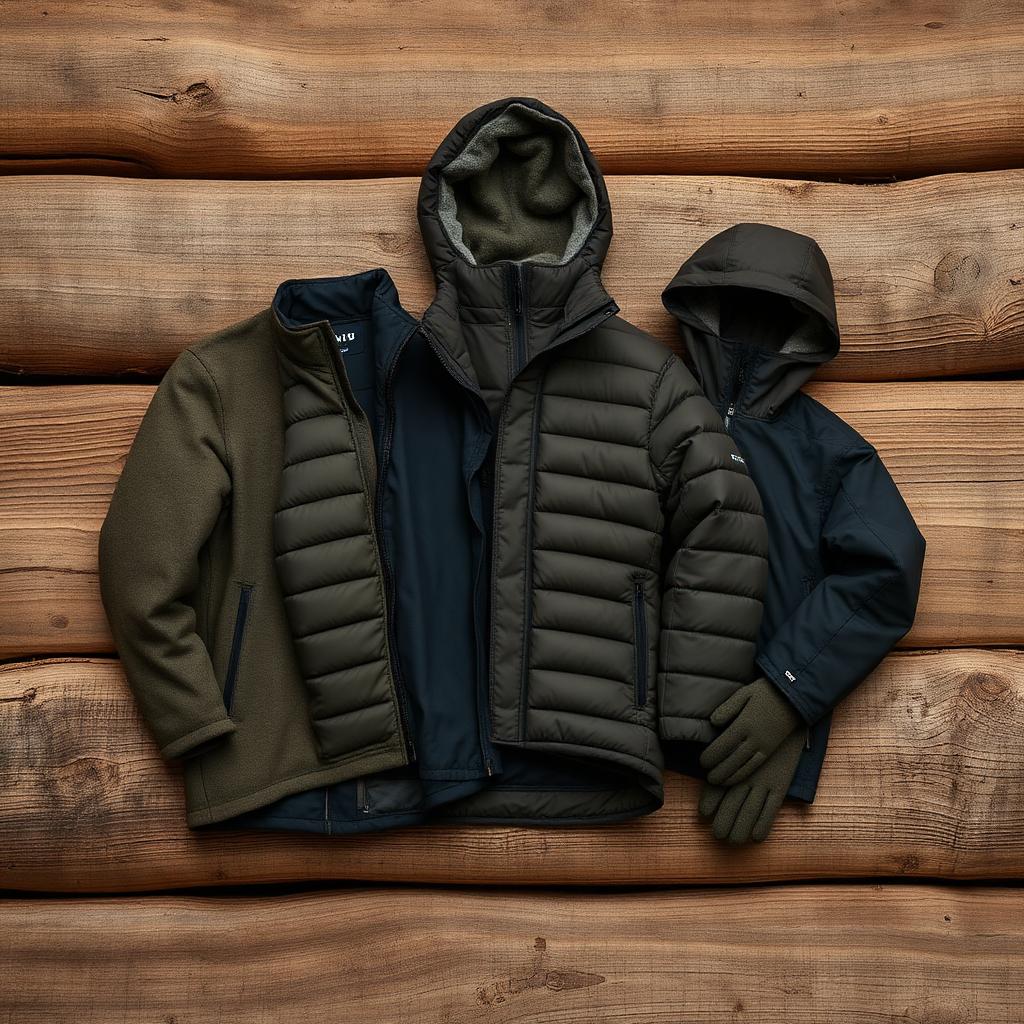
What to do: Once out of the water, focus on rewarming. Remove wet clothing and replace it with dry, insulated layers. If shelter is available, get into it. Huddle with others if possible. Avoid rubbing cold extremities, which can push cold blood back to your core. Gradually rewarm the body. If you're still in the water and rescue isn't immediate, adopt the H.E.L.P. (Heat Escape Lessening Posture) position by hugging your knees to your chest, or huddle tightly with others if available to conserve heat.
Prevention is Key
The best way to survive cold water immersion is to avoid it altogether, or at least be prepared. Always wear a properly fitted PFD (Personal Flotation Device); it's your first line of defense. Dress in layers appropriate for the water temperature, not just the air temperature. Tell someone your float plan. Understand the environment you're entering. While the 1-10-1 Rule provides a critical framework for understanding survival in cold water, nothing replaces prevention and preparedness.