


Understanding Black Bears on Their Terms
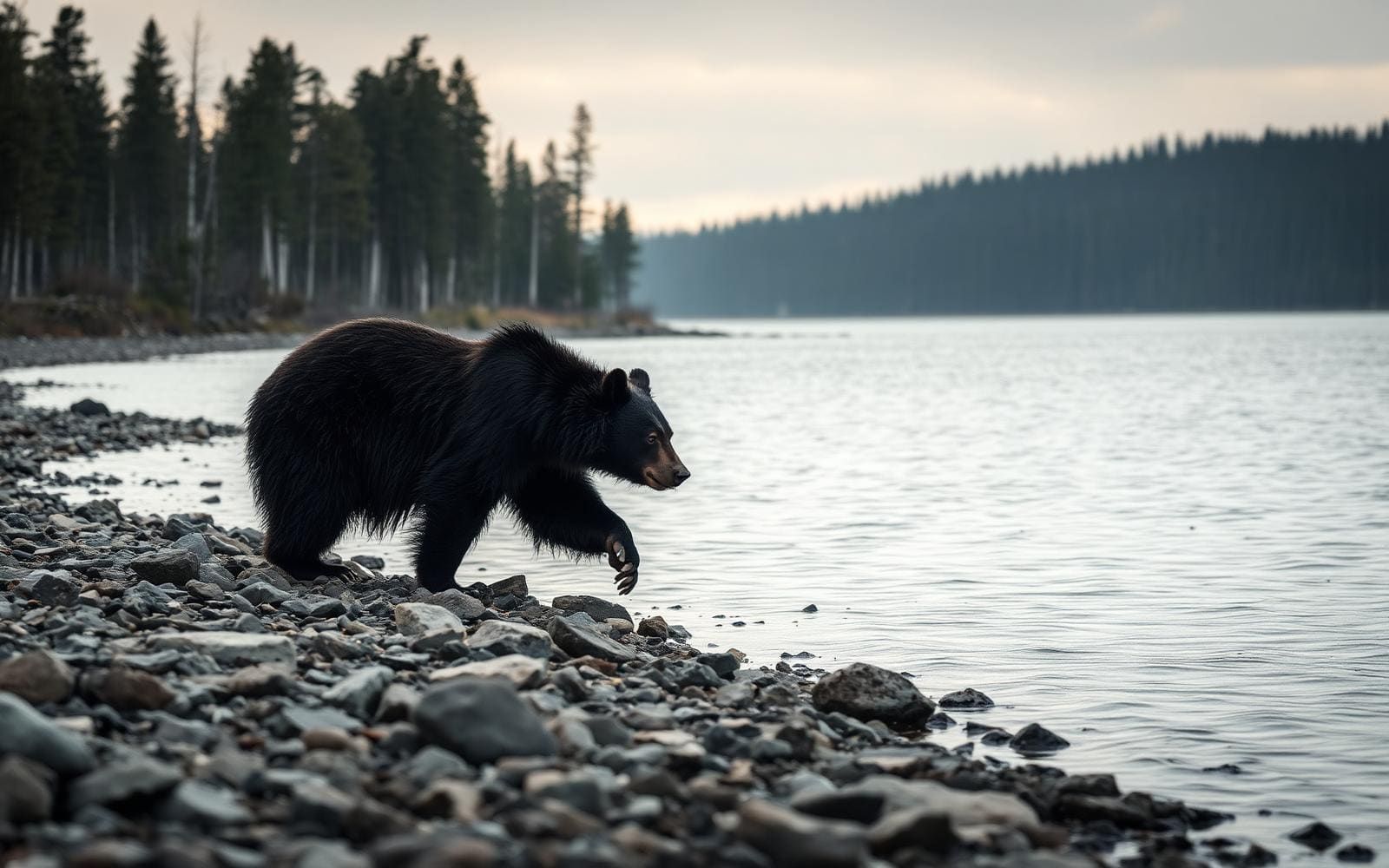
Black bears (Ursus americanus) are far more common across North America than grizzlies, inhabiting everything from dense forests to suburban fringes. Most encounters are benign; a bear quickly moves off once it detects human presence. Understanding their typical behavior — shyness, a primary interest in food, and a remarkable sense of smell — is key to avoiding trouble. They are generally not predatory towards humans, but they are powerful, intelligent animals that deserve respect and our careful consideration.
Prevention: Your Best Defense
The easiest encounter to survive is the one that never happens. Prevention is paramount when spending time in black bear country. This means managing attractants and making your presence known.
- Food Storage: This cannot be stressed enough. All food, scented items (toiletries, trash), and even cookware should be stored securely. This means bear-resistant canisters, Ursacks, or properly hung bear bags at least 12 feet off the ground and 6 feet from the tree trunk. Don't sleep with food in your tent.
- Camp Selection: Avoid camping on or near game trails, dense berry patches, or obvious food sources. Look for signs of bear activity like scat, overturned rocks, or claw marks on trees.
- Make Noise: Especially in thick brush or around blind corners, call out, sing, or talk loudly. This gives bears a chance to hear you and move away before a surprise encounter. Bear bells are often too subtle to be truly effective in many situations.
- Hike in Groups: Larger groups make more noise and present a more intimidating presence to a bear.
- Keep Dogs Leashed: An unleashed dog can agitate a bear and lead it back to you.
What to Do During an Encounter
Despite best efforts, you might still find yourself face-to-face with a black bear. Your response depends on the bear's behavior.
If the Bear Hasn't Seen You:
- Quietly and calmly back away in the direction you came, ensuring the bear has an escape route.
- Avoid sudden movements or running, which can trigger a chase instinct.
If the Bear Sees You and is Non-Aggressive (e.g., foraging, passing through):
- Identify Yourself: Speak in a calm, firm voice. Wave your arms slowly above your head to appear larger. This lets the bear know you are human and not prey.
- Back Away Slowly: Give the bear plenty of space. Do not run. Keep your eyes on the bear, but avoid direct eye contact, which can be interpreted as a challenge.
- Do Not Drop Your Pack: Your backpack offers some protection, and you don't want to habituate bears to finding food rewards from humans.
If the Bear is Becoming Defensive (e.g., huffing, swatting the ground, approaching, has cubs):
- Stand Your Ground: Do not run. Bears are often bluff charging to test your reaction.
- Make Yourself Large and Loud: Shout, wave your arms, throw small objects (not food) at the ground near the bear. Act aggressively to deter it.
- Use Bear Spray: If the bear continues to advance or charges, deploy your bear spray. Aim for the bear's face/eyes. Ensure you know how to use it before you enter bear country. Keep it accessible, not buried in your pack.
If a Black Bear Attacks (Rare, Predatory Attack):
This is an exceedingly rare event, but if a black bear makes physical contact and appears to be attacking you as prey (not a defensive strike or bluff charge), fight back with everything you have. Aim for the face and snout. Use any available weapon: rocks, sticks, trekking poles, your fists. Unlike grizzly bears where playing dead is often recommended for defensive attacks, never play dead with a black bear. Their predatory attacks are typically sustained until the threat (you) is neutralized.
Bear Spray: A Critical Tool
Bear spray is scientifically proven to be more effective than firearms for deterring aggressive bears and is a non-lethal option. But it's only useful if you:
- Carry it: On your hip or chest, not in your pack.
- Know how to use it: Understand the range, how to unclip the safety, and aim.
- Check the expiration date: Replace it as needed.
Remember, you are a visitor in the bear's home. A little knowledge and preparation go a long way in ensuring a safe and memorable outdoor experience for everyone involved.