


Backpacking Trips · #9
Great Himalaya Trail (sections)
Nepal

Reader rating
Rate it and you move it. Community ratings re-rank this product inside its Top 10 list.
Expert-picked, reader-ranked. Our editors choose the products and the launch order; member star ratings move picks up or down over time.
The full route is expedition-scale; sections like Manaslu or Kanchenjunga are trip-of-a-lifetime treks.
Pros
- Unparalleled cultural immersion in remote Himalayan villages
- Spectacular, unspoiled mountain scenery and 8000m peak views
- Fewer crowds than more popular Nepali treks
- Profound sense of accomplishment from a genuine challenge
- Authentic, raw wilderness experience away from tourist hubs
Cons
- High altitude sickness is a constant risk
- Logistically complex, often requiring agency support and special permits
- Basic facilities and limited amenities throughout
- Extreme weather changes and natural hazards are common
- High physical demand and previous experience is essential
Best uses
- Experienced high-altitude trekkers
- Cultural immersion adventures
- Seeking remote wilderness experiences
- Physical and mental endurance challenges
Specifications
- Location
- Nepal Himalaya
- Typical Duration (sections)
- 15-25 days
- Difficulty
- Strenuous to Extremely Strenuous
- Highest Point (varies)
- Over 6,000m on some sections
- Best Season
- Spring (Mar-May), Autumn (Sep-Nov)
- Required Gear
- Full mountaineering/trekking kit
Best for
Experienced high-altitude trekkers, Cultural immersion adventures, Seeking remote wilderness experiences, Physical and mental endurance challenges
The Great Himalaya Trail (GHT) in Nepal is less a single trail and more a concept, an ambition to traverse the entire Nepali Himalaya from east to west. While the full high-route GHT is an expedition-grade undertaking, requiring months, significant logistical support, and advanced mountaineering skills, several sections are accessible to experienced trekkers. These segments, like the Manaslu Circuit or the Kanchenjunga Base Camp trek, offer immersive experiences into remote Himalayan cultures and landscapes, providing a taste of the GHT's grandeur without the extreme commitment. These treks are typically 2-3 weeks in duration, winding through alpine pastures, high passes, and isolated villages, offering unparalleled views of some of the world's highest peaks. The GHT's appeal lies in its raw, untamed beauty and the deep cultural immersion it provides. Unlike the more popular Everest Base Camp or Annapurna Circuit, these GHT sections see significantly fewer trekkers, allowing for a more solitary and authentic experience. The challenges are substantial: high altitude, variable weather, and basic accommodations are par for the course. However, for those prepared, the rewards are immense – panoramic views of 8,000m giants, encounters with diverse ethnic groups, and the profound sense of accomplishment that comes from pushing personal limits in one of the planet's most spectacular environments. This isn't a trip for beginners, but for seasoned backpackers looking for a genuine adventure, GHT sections deliver.
Geography and Terrain
The GHT traverses the entirety of Nepal's Himalayan range, passing through distinct geographical zones. Treks typically begin in sub-tropical foothills, gradually ascending through temperate forests of rhododendron and oak, into alpine meadows, and finally to barren, high-altitude desert landscapes above the tree line. The terrain is relentlessly varied, featuring steep ascents and descents, rocky moraines, glacial crossings, and numerous high mountain passes, often exceeding 5,000 meters. River valleys are deep and V-shaped, requiring significant elevation changes. Snow and ice can be present on passes even outside of winter months, demanding careful navigation and appropriate gear. This is not gentle walking; it is a continuous physical challenge over rugged, unpredictable ground.
Best Season and Weather
The prime windows for GHT sections are spring (March to May) and autumn (September to November). Spring offers blooming rhododendrons and clearer skies before the monsoon, though high passes may still hold significant snow. Autumn generally provides the most stable weather, with clear skies, moderate temperatures, and excellent visibility of the mountains. Winters are bitterly cold with heavy snow, making many high passes impassable. Monsoons (June-August) bring torrential rain, leeches, cloud cover, and increased risk of landslides, rendering trekking difficult and views scarce. Even in peak seasons, weather in the high Himalaya is notoriously unpredictable, with sudden storms and drastic temperature drops possible at any time. Trekkers must be prepared for all conditions.
Wildlife and Flora
While encounters with large mammals are rare due to their elusive nature and the human presence, the GHT offers opportunities to spot unique Himalayan wildlife. Keep an eye out for Himalayan tahr and musk deer in forested areas, and if you're extremely lucky, a glimpse of the endangered snow leopard in the highest, most remote regions. Birds of prey, such as various eagles and lammergeiers, are more commonly sighted soaring overhead. The flora transitions dramatically with altitude: from lush, broadleaf forests at lower elevations to conifer and rhododendron forests, giving way to alpine shrubs and resilient grasses in the high meadows, with only mosses and lichens clinging to life at extreme altitudes. The biodiversity is rich, adapting to the harsh mountain environment.
Key Routes and Attractions
While the full GHT is immense, popular and more accessible sections include the Manaslu Circuit, which offers stunning views of Manaslu (8,163m) and a deep dive into Tibetan-influenced culture, culminating in the Larkya La Pass (5,106m). The Kanchenjunga Base Camp trek in eastern Nepal leads to the foot of the world's third-highest peak, passing through diverse ecological zones and isolated communities. Another notable segment is the Dolpo region, known for its pristine Tibetan Buddhist culture and stark, high-altitude desert landscapes, though this requires special permits and is particularly remote. Each section offers a unique blend of natural beauty, cultural immersion, and significant physical challenge, making them standalone 'trip of a lifetime' adventures.
Permits and Access
Accessing GHT sections requires a combination of permits. Most areas fall within restricted trekking zones, necessitating a 'Restricted Area Permit' which is more expensive than standard permits and typically requires a registered Nepali trekking agency to arrange, along with a licensed guide. Additionally, national park or conservation area permits (e.g., Manaslu Conservation Area Permit, Kanchenjunga Conservation Area Project Permit) are required for specific regions. These permits contribute to local conservation efforts and help manage tourism. Getting to the trailheads often involves internal flights to regional airports, followed by jeep rides or several days of approach trekking. Logistics must be meticulously planned well in advance through reputable operators to ensure smooth access and compliance with regulations.
Crowds, Difficulty, Hazards
Compared to Everest Base Camp or Annapurna, GHT sections are far less crowded, offering a more solitary experience. However, this also means fewer facilities and less support. The difficulty is high, demanding excellent physical fitness, prior trekking experience at altitude, and mental fortitude. Hazards include acute mountain sickness (AMS) due to extreme altitudes, unpredictable weather causing whiteouts or hypothermia, difficult glacier crossings, rockfall, and landslides. Navigation can be challenging on less-trodden paths. Basic teahouse accommodation (often unheated) is the norm, and food choices are limited. Trekkers must be self-reliant, carry comprehensive first-aid, and be prepared for emergencies, as rescue services are limited and expensive. This is serious wilderness trekking.
How we chose
We built this ranking from trip reports, agency data, permit records, and our editors' own time on the ground. 10 places made the final cut out of a much longer working list, and each one had to clear the same set of criteria before it earned a spot.
- Quality of the terrain
- Landscape, route variety, and whether the place rewards multiple days rather than one overlook.
- Season and weather windows
- How long the reliable window is, and how badly the shoulder seasons punish a bad forecast.
- Access and permits
- Trailhead logistics, permit odds, quotas, and how much lead time a trip realistically takes.
- Solitude vs. crowding
- How far you have to walk before the place feels like wilderness instead of a queue.
- Wildlife and ecology
- What you can reasonably expect to see, and what you have to plan around.
- Risk and skill required
- Navigation, water crossings, exposure, and rescue distance — stated plainly.
Great Himalaya Trail (sections) — frequently asked questions
- Is Great Himalaya Trail (sections) worth the trip?
- We rank it #9 in Backpacking Trips. The full route is expedition-scale; sections like Manaslu or Kanchenjunga are trip-of-a-lifetime treks.
- Who is Great Himalaya Trail (sections) best for?
- Best for experienced high-altitude trekkers, cultural immersion adventures, seeking remote wilderness experiences and physical and mental endurance challenges. Standouts: unparalleled cultural immersion in remote himalayan villages and spectacular, unspoiled mountain scenery and 8000m peak views.
- What are the drawbacks of Great Himalaya Trail (sections)?
- High altitude sickness is a constant risk, Logistically complex, often requiring agency support and special permits and Basic facilities and limited amenities throughout.
- What are the key details for Great Himalaya Trail (sections)?
- Location: Nepal Himalaya · Typical Duration (sections): 15-25 days · Difficulty: Strenuous to Extremely Strenuous · Highest Point (varies): Over 6,000m on some sections · Best Season: Spring (Mar-May), Autumn (Sep-Nov)
- Geography and Terrain — what should I know about the Great Himalaya Trail (sections)?
- The GHT traverses the entirety of Nepal's Himalayan range, passing through distinct geographical zones. Treks typically begin in sub-tropical foothills, gradually ascending through temperate forests of rhododendron and oak, into alpine meadows, and finally to barren, high-altitude desert landscapes above the tree…
- Best Season and Weather — what should I know about the Great Himalaya Trail (sections)?
- The prime windows for GHT sections are spring (March to May) and autumn (September to November). Spring offers blooming rhododendrons and clearer skies before the monsoon, though high passes may still hold significant snow.
Where on earth
Satellite imagery flying in from a world view to Great Himalaya Trail (sections), Nepal. Use the + / − buttons, or click the map to zoom with your scroll wheel; drag to pan and pinch to zoom on touch.
Great Himalaya Trail, Nepal · 28.500, 84.500
Wildlife found around Great Himalaya Trail (sections)
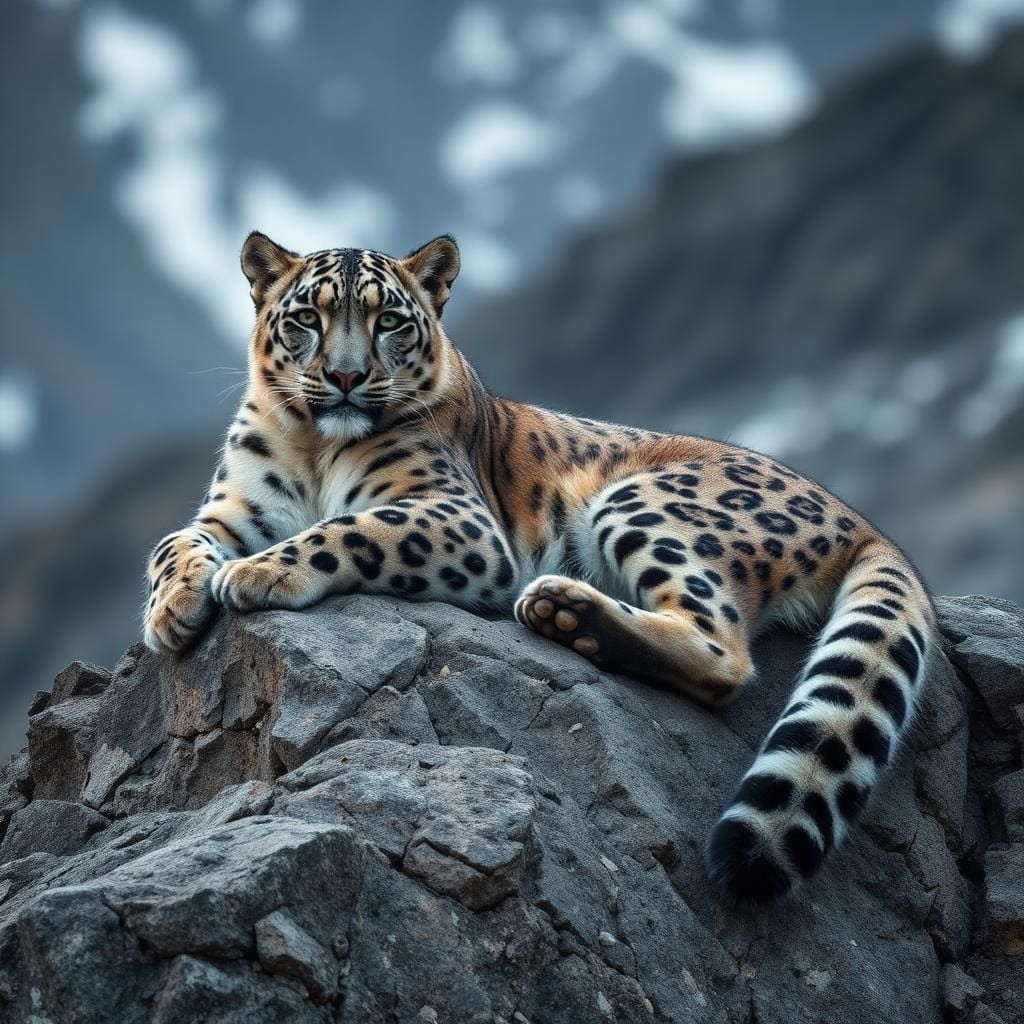
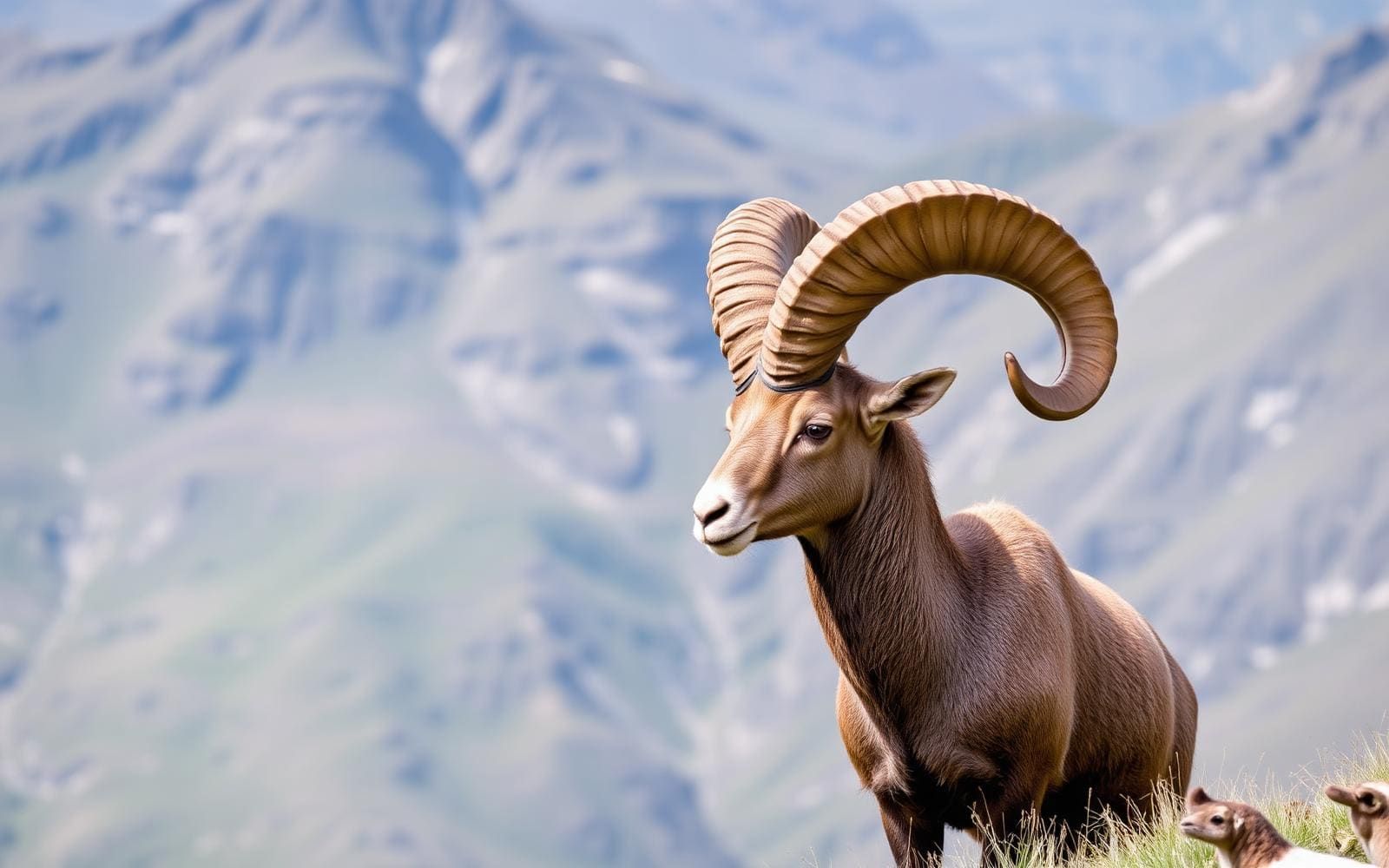
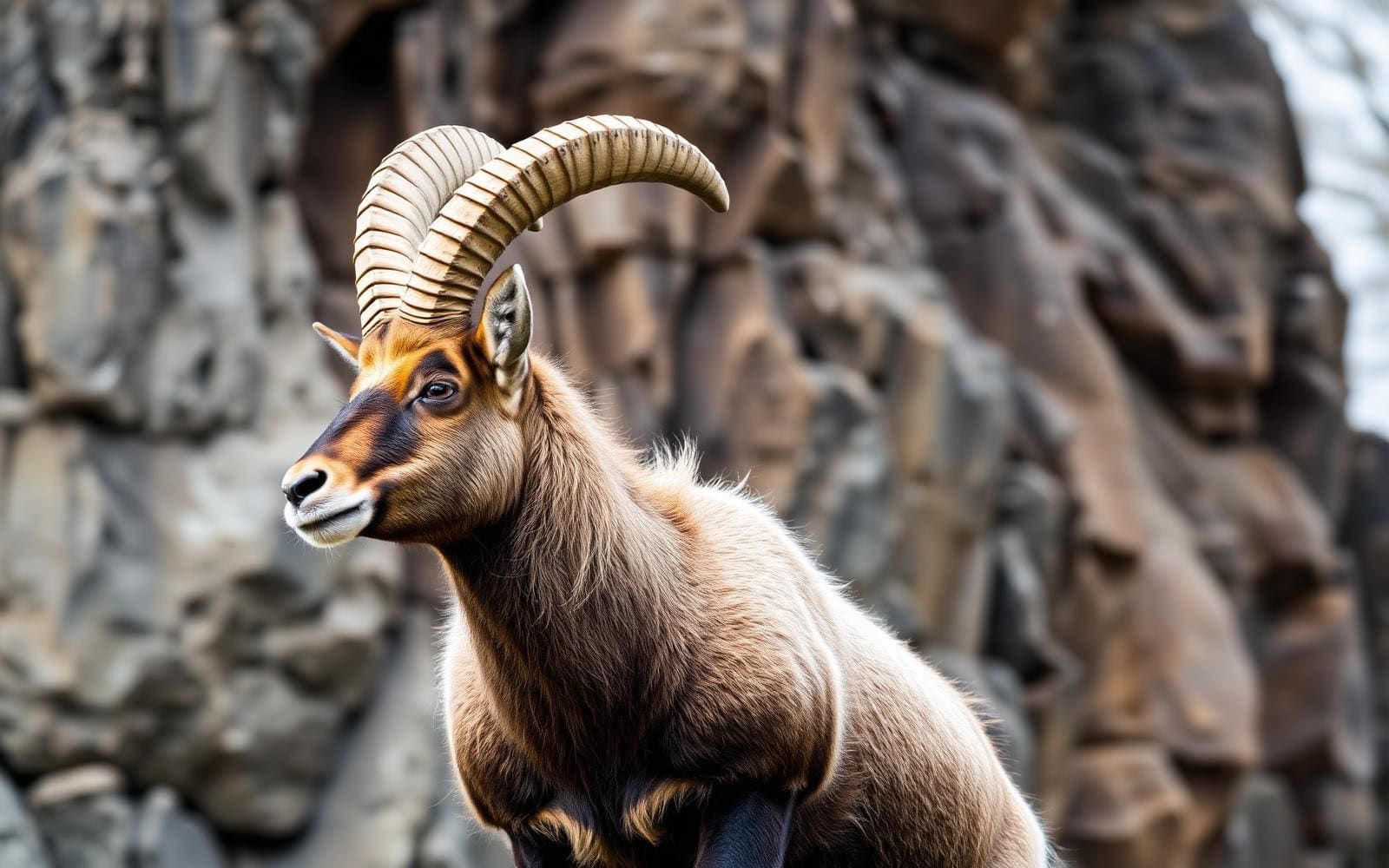
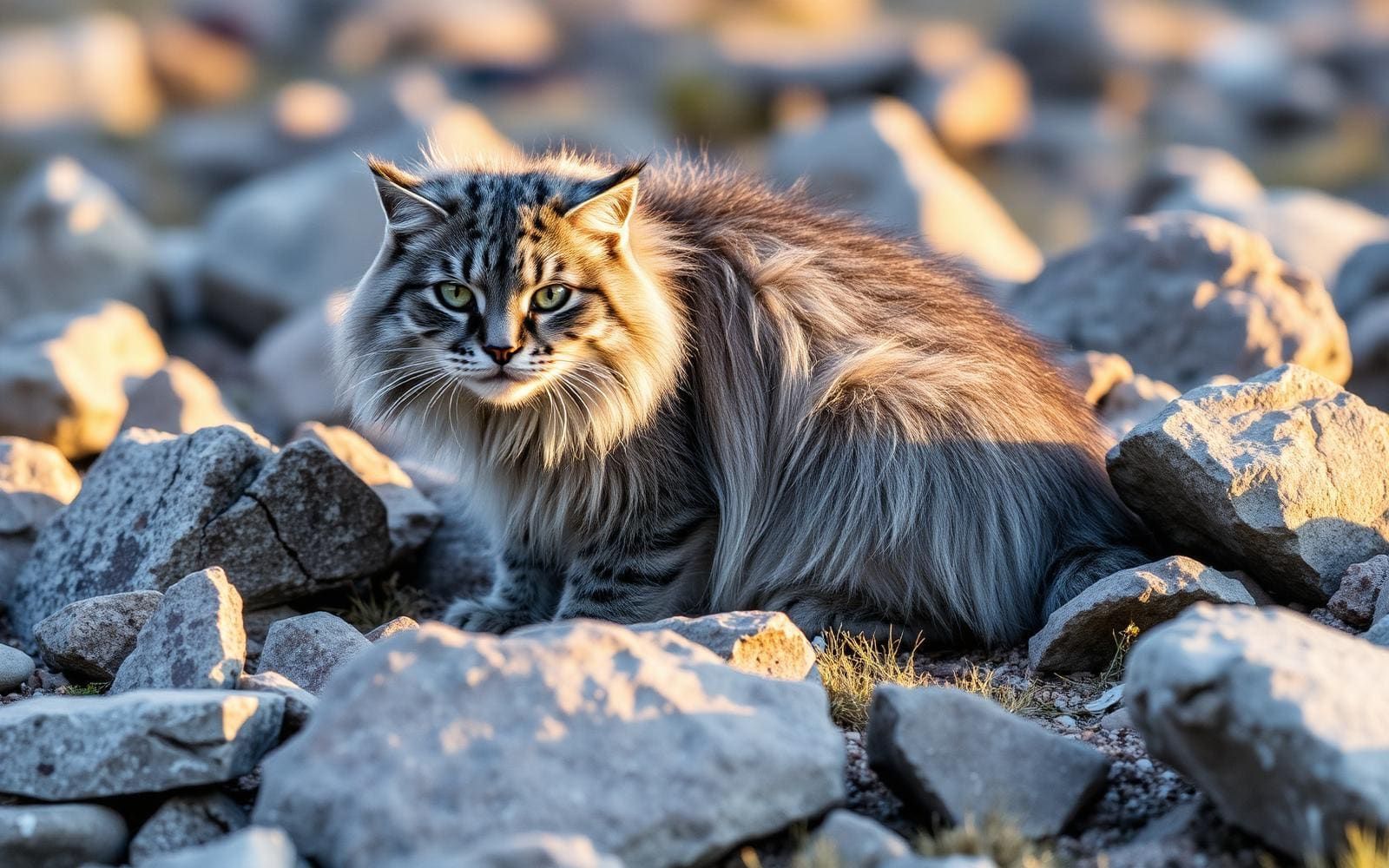
Compare side by side
Put the Great Himalaya Trail (sections) against any other pick on this list — specs, price, pros, cons and reader ratings.