


Backpacking Trips · #5
Tour du Mont Blanc
France / Italy / Switzerland

Reader rating
Rate it and you move it. Community ratings re-rank this product inside its Top 10 list.
Expert-picked, reader-ranked. Our editors choose the products and the launch order; member star ratings move picks up or down over time.
170 km hut-to-hut around the Mont Blanc massif. Alpine backpacking without a tent needed.
Pros
- Stunning, diverse alpine scenery across three countries
- No tent or extensive cooking gear required, thanks to hut system
- Well-marked trail with good infrastructure and support services
- Cultural experience in mountain villages and refuges
- Sense of accomplishment on an iconic European trek
Cons
- Can be very crowded, especially in peak season
- Requires significant fitness for daily elevation changes
- Hut bookings require early planning and commitment
- Weather can be unpredictable, even in summer
- Can be an expensive trip, particularly for accommodation and food
Best uses
- Multi-day hut-to-hut trekking
- Alpine scenery immersion
- Cultural backpacking experience
- Challenging mountain adventure
Specifications
- Location
- France, Italy, Switzerland
- Distance
- 170 km (105 miles)
- Duration
- 7-12 days (typical)
- Elevation Gain
- Approx. 10,000m (33,000 ft)
- Max Altitude
- Col des Fours / Fenêtre d'Arpette (approx. 2665m)
- Accommodation
- Mountain Huts (Refuges)
Best for
Multi-day hut-to-hut trekking, Alpine scenery immersion, Cultural backpacking experience, Challenging mountain adventure
The Tour du Mont Blanc (TMB) is a classic hut-to-hut trek circling the Mont Blanc massif, crossing through France, Italy, and Switzerland. This 170-kilometer route offers unparalleled alpine scenery without the need to carry a tent or extensive cooking gear, making it accessible for those who prefer lighter packs and the camaraderie of mountain refuges. It's a journey through dramatic valleys, high passes, and charming alpine villages, showcasing the diverse cultures and landscapes of the European Alps. While demanding, with significant elevation changes daily, the TMB is well-marked and supported, allowing hikers to focus on the views and the experience rather than complex navigation. It's an iconic route for good reason, offering a truly immersive multi-day alpine adventure. The TMB is more than just a hike; it's a cultural experience. Each country offers a distinct flavor, from French alpine cuisine to Italian pasta and Swiss precision. The refuges themselves are an integral part of the experience, providing hot meals, comfortable beds, and a chance to meet fellow trekkers from around the world. While the trail can be busy, particularly in peak season, the sheer scale of the landscape and the numerous variations available allow for moments of solitude. This trip is ideal for those seeking a challenging but rewarding high-mountain journey, blending physical exertion with spectacular natural beauty and a unique social aspect.
Geography and Terrain
The TMB navigates the varied terrain around the Mont Blanc massif. Expect dramatic glaciers, high alpine meadows, dense conifer forests, and rocky, scree-laden passes. The trail features significant ascents and descents each day, often involving steep switchbacks and occasional sections with fixed cables or ladders. Valleys are typically U-shaped, carved by ancient glaciers, and offer views of towering peaks and rushing rivers. The geology shifts from granite in the higher reaches to more sedimentary rock in the lower valleys, impacting the flora and trail conditions. Trekkers should be prepared for diverse ground underfoot, from smooth dirt paths to loose rock and occasional snow patches, even in summer.
Season and Weather Windows
The prime window for the TMB is typically late June to mid-September. Before late June, snow can still cover higher passes, requiring specialized gear and experience. After mid-September, refuges begin to close, and weather becomes increasingly unpredictable, with colder temperatures and a higher chance of early snow. July and August are peak season, offering the most reliable weather but also the most crowded trails and refuges. Early July and early September often strike a good balance, with fewer people and generally stable weather. Be prepared for all conditions; even in summer, high-altitude weather can change rapidly, bringing rain, hail, or even snow.
Wildlife and Flora
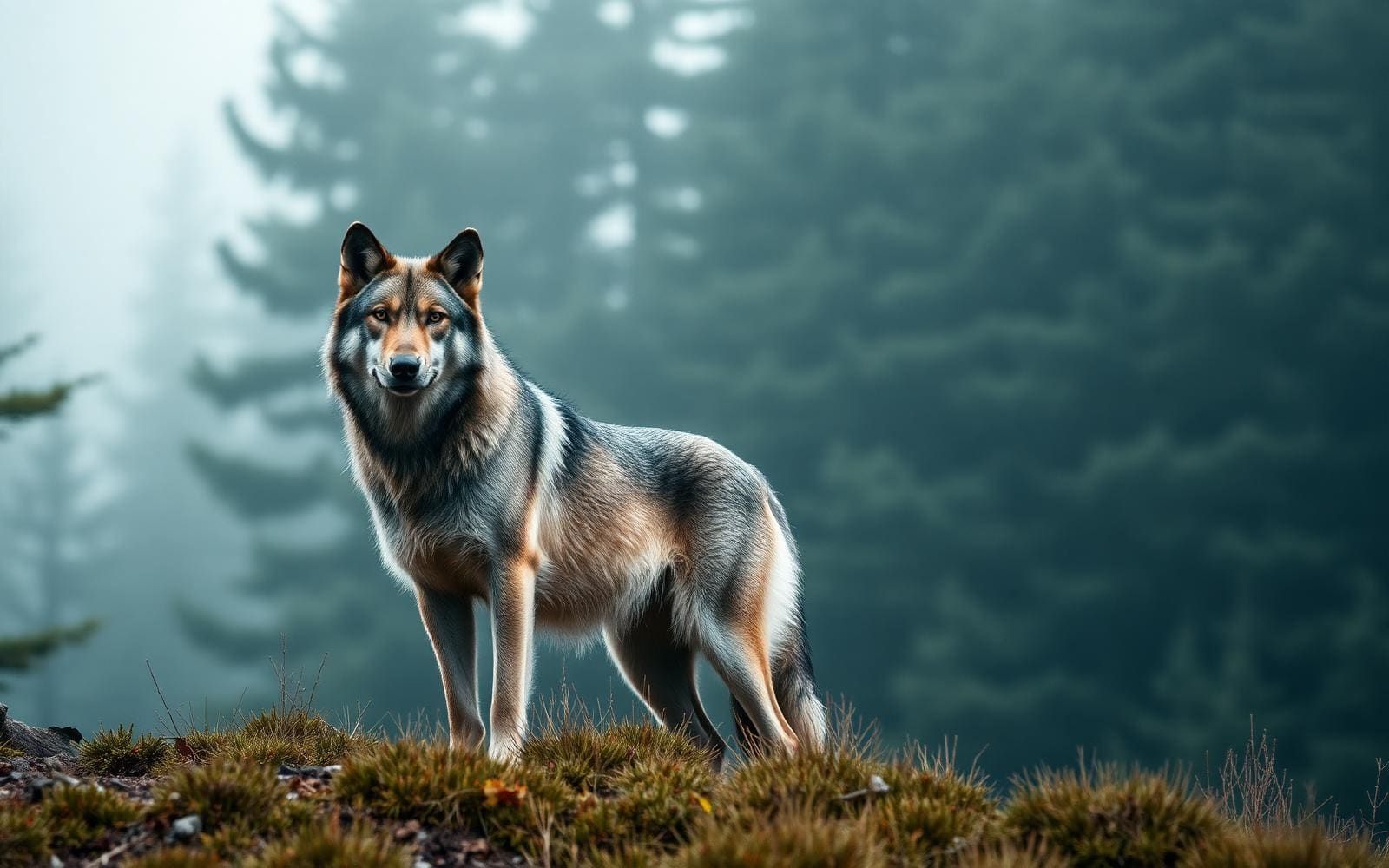
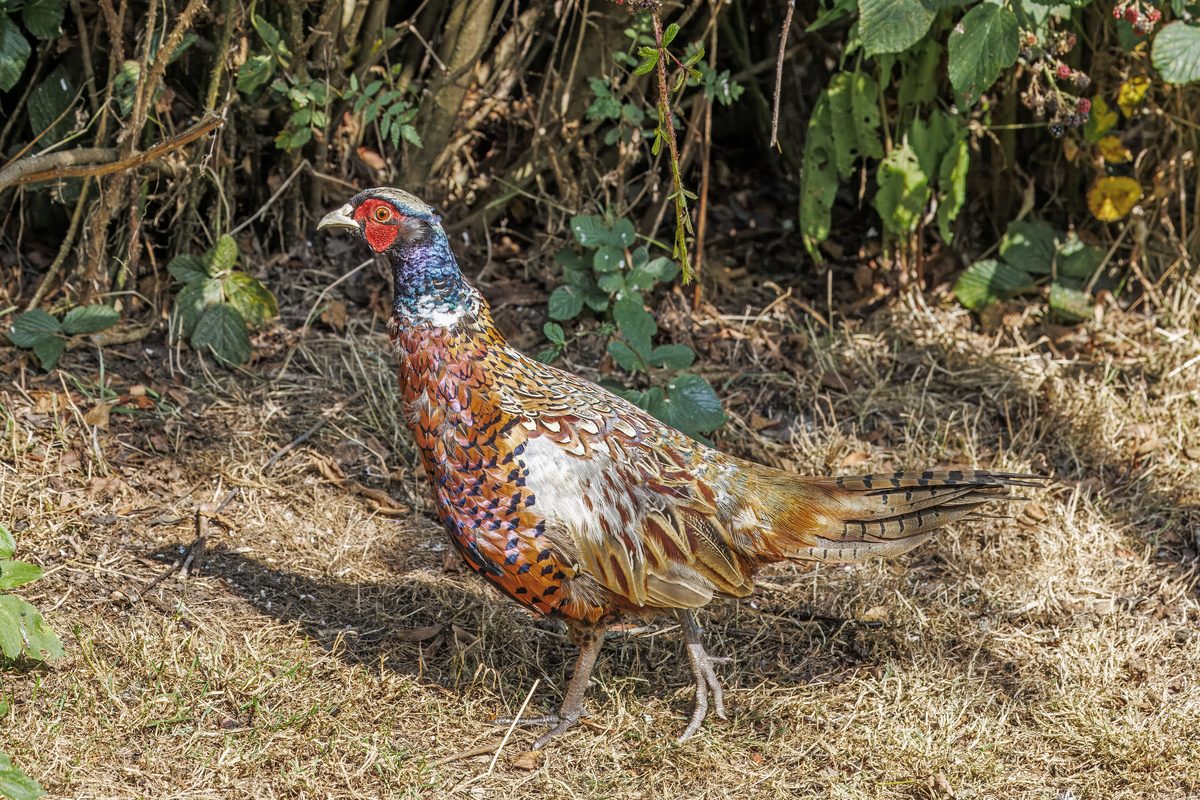
Wildlife on the TMB is typically shy but present. Keep an eye out for marmots, especially in rocky, high-altitude areas, often heard whistling before they're seen. Chamois and ibex can be spotted on steeper slopes. Birdlife includes various raptors like eagles and buzzards. In terms of flora, the alpine meadows burst with wildflowers in early summer, including gentians, rhododendrons, and various saxifrages. As you ascend, vegetation becomes sparser, giving way to hardy alpine grasses and lichens. Respecting the natural environment and not disturbing wildlife is paramount for preserving this fragile ecosystem.
Key Routes and Attractions
The standard TMB route can be hiked clockwise or counter-clockwise. Many prefer counter-clockwise to tackle the steepest ascents earlier in the day. Key passes include Col de la Croix du Bonhomme, Col des Fours (often used as a variant for higher views), Grand Col Ferret, and Fenêtre d'Arpette (a challenging but rewarding variant). Iconic viewpoints like the Aiguille du Midi and Mont Blanc itself are often seen from the trail. Charming villages such as Les Contamines, Courmayeur, and La Fouly offer resupply points and a taste of local culture. Multiple variants exist, allowing trekkers to customize difficulty and distance, sometimes bypassing popular sections or seeking more remote paths.
Permits and Access
No permits are required to hike the Tour du Mont Blanc itself. However, advance booking of mountain refuges is absolutely essential, especially during peak season (July-August). Many refuges book out months in advance. Transportation to the starting point, typically Les Houches or Chamonix in France, is straightforward via public transport from Geneva. Access points are plentiful around the massif, allowing for partial sections to be hiked. Always carry identification and be aware of border crossings, though they are generally informal on the trail itself. Some regions may have local tourism taxes or fees for specific services, but these are usually minor.
How we chose
We built this ranking from trip reports, agency data, permit records, and our editors' own time on the ground. 10 places made the final cut out of a much longer working list, and each one had to clear the same set of criteria before it earned a spot.
- Quality of the terrain
- Landscape, route variety, and whether the place rewards multiple days rather than one overlook.
- Season and weather windows
- How long the reliable window is, and how badly the shoulder seasons punish a bad forecast.
- Access and permits
- Trailhead logistics, permit odds, quotas, and how much lead time a trip realistically takes.
- Solitude vs. crowding
- How far you have to walk before the place feels like wilderness instead of a queue.
- Wildlife and ecology
- What you can reasonably expect to see, and what you have to plan around.
- Risk and skill required
- Navigation, water crossings, exposure, and rescue distance — stated plainly.
Tour du Mont Blanc — frequently asked questions
- Is Tour du Mont Blanc worth the trip?
- We rank it #5 in Backpacking Trips. 170 km hut-to-hut around the Mont Blanc massif. Alpine backpacking without a tent needed.
- Who is Tour du Mont Blanc best for?
- Best for multi-day hut-to-hut trekking, alpine scenery immersion, cultural backpacking experience and challenging mountain adventure. Standouts: stunning, diverse alpine scenery across three countries and no tent or extensive cooking gear required, thanks to hut system.
- What are the drawbacks of Tour du Mont Blanc?
- Can be very crowded, especially in peak season, Requires significant fitness for daily elevation changes and Hut bookings require early planning and commitment.
- What are the key details for Tour du Mont Blanc?
- Location: France, Italy, Switzerland · Distance: 170 km (105 miles) · Duration: 7-12 days (typical) · Elevation Gain: Approx. 10,000m (33,000 ft) · Max Altitude: Col des Fours / Fenêtre d'Arpette (approx. 2665m)
- Geography and Terrain — what should I know about the Tour du Mont Blanc?
- The TMB navigates the varied terrain around the Mont Blanc massif. Expect dramatic glaciers, high alpine meadows, dense conifer forests, and rocky, scree-laden passes.
- Season and Weather Windows — what should I know about the Tour du Mont Blanc?
- The prime window for the TMB is typically late June to mid-September. Before late June, snow can still cover higher passes, requiring specialized gear and experience.
Where on earth
Satellite imagery flying in from a world view to Tour du Mont Blanc. Use the + / − buttons, or click the map to zoom with your scroll wheel; drag to pan and pinch to zoom on touch.
Mont Blanc · 45.833, 6.865
Wildlife found around Tour du Mont Blanc
Compare side by side
Put the Tour du Mont Blanc against any other pick on this list — specs, price, pros, cons and reader ratings.