



Where on earth
Satellite imagery flying in from a world view to Tour du Mont Blanc, France / Italy / Switzerland. Use the + / − buttons, or click the map to zoom with your scroll wheel; drag to pan and pinch to zoom on touch.
- Region
- France / Italy / Switzerland
- Biome
- Alpine (1,000–2,700 m)
- Best season
- Mid-June – mid-September
- Difficulty
- moderate
- Backpacking
- Hiking
- Climbing
Key takeaways
- Biome: Alpine (1,000–2,700 m)
- Best season: Mid-June – mid-September
- Difficulty: moderate
- Top activity: backpacking
Photos of Tour du Mont Blanc
Topic summary
The classic 170-km circumnavigation of the Mont Blanc massif through three countries.
Key takeaways
- Difficulty: moderate
- Best season: Mid-June – mid-September
Intended uses
backpacking
Climate suitability
Alpine (1,000–2,700 m)
Tools for a trip here
Picked for how, when and where you're going. Free, no signup.
- Sleep System Temp CalculatorCold nights: check your bag and pad add up to a safe sleep.
- Base Weight CalculatorEvery ounce is carried — total your kit and find your base weight.
- Pack Volume SizerSize the pack for your trip length and season.
- Water Purification MatrixTreat water from streams and lakes on trail.
- Layering CalculatorCold-season miles: layer for climbs and camp.
Plan with verified data
Tour du Mont Blanc trip tools
How to get there
Tour du Mont Blanc is in France / Italy / Switzerland, France / Italy / Switzerland. Its center point is 45.8326, 6.8652. Use these links for live turn-by-turn directions from where you are, then confirm road, trailhead and access conditions with the managing agency before you leave.
- France
The circuit passes through France. This identifies a country-level approach only; a specific trailhead and onward transport connection still need to be established.
- Italy
Italy forms part of the international circuit. Choose a confirmed route access location before making transport arrangements.
- Switzerland
The loop also passes through Switzerland. A specific starting point and its transport connections need to be confirmed separately.
Popular pursuits at Tour du Mont Blanc
- Backpacking
Multi-day travel with everything on your back — see the packing blocks below.
- Hiking
Day miles on marked trail, with route notes and trail links below.
- Climbing
Rock and alpine lines with approach beta.
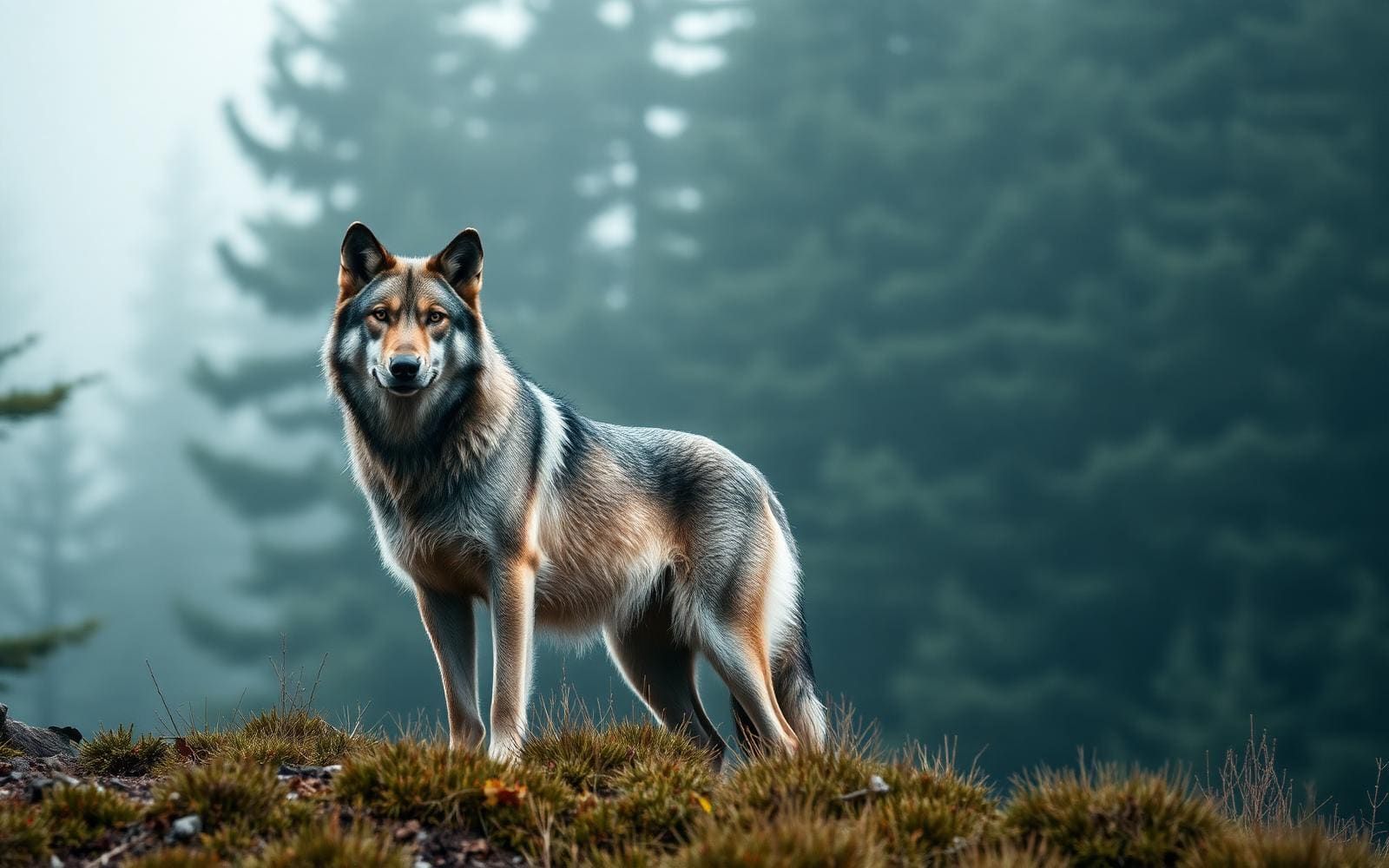
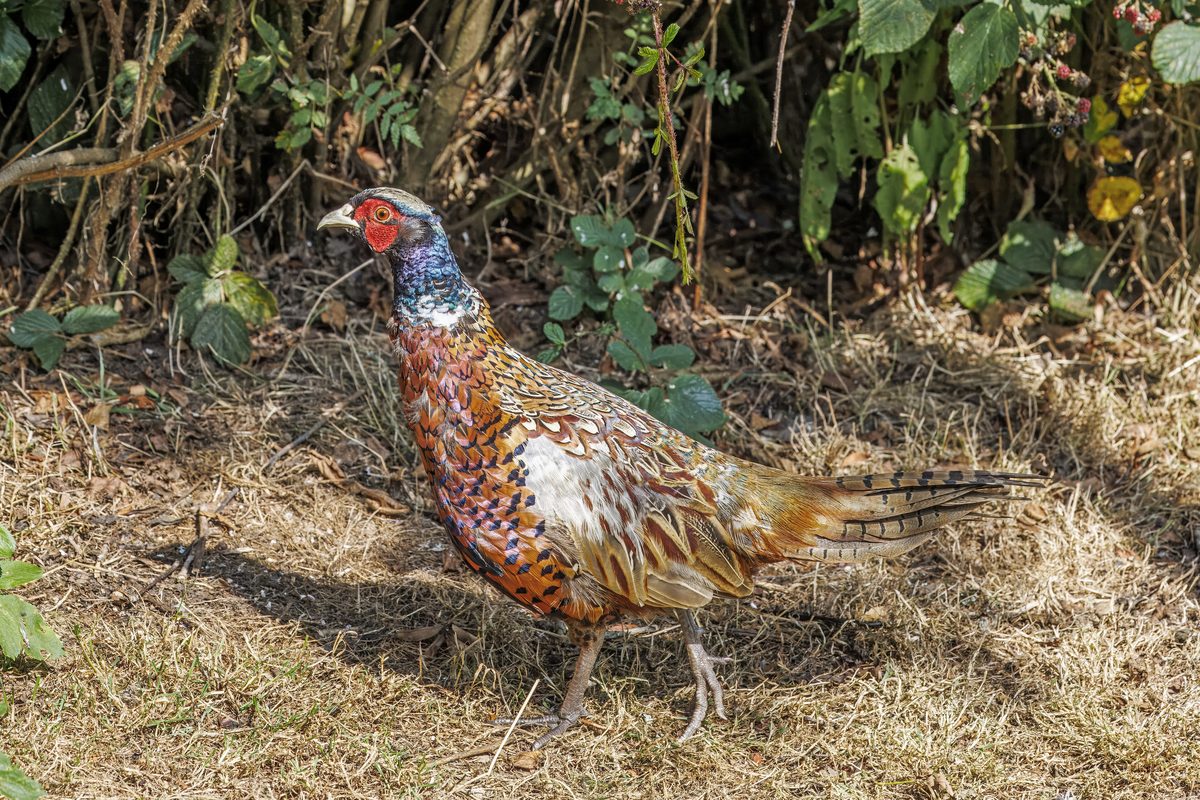
Animals around Tour du Mont Blanc
Maps, GPS & compass for this trip
Carry a waterproof paper map and a compass you can steer by, and treat the GPS as the backup — not the other way round. Buying links go to Amazon; Wild10 earns a commission at no cost to you.
Waterproof topo maps
- Waterproof topographic map — Tour du Mont BlancAmazon search for waterproof, tear-resistant topo maps covering this area.
- National Geographic Trails IllustratedThe waterproof Trails Illustrated series — check for a sheet covering this area.
- Waterproof map case & compass lanyardKeep a paper map readable in rain, spray and a swamped boat.
Fishing at Tour du Mont Blanc
Planning to fish Tour du Mont Blanc, France / Italy / Switzerland? Fishing licences, open seasons and catch limits in France / Italy / Switzerland are set by the local wildlife authority and change every year — check the official source before you cast a line.
Do I need a fishing licence at Tour du Mont Blanc?
- A France / Italy / Switzerland fishing licence is normally required for anyone over the local youth age.
- Read the current France / Italy / Switzerland fishing regulations for special waters, barbless-hook or catch-and-release rules.
- Clean, drain and dry boats and gear between waters to stop invasive species.
We don't have a verified licensing link on file for France / Italy / Switzerland yet — contact the park or land manager listed on this page for current hunting and fishing rules.
Hunting near Tour du Mont Blanc
Thinking about hunting Tour du Mont Blanc, France / Italy / Switzerland? Hunting seasons, tags and draws in France / Italy / Switzerland are set by the wildlife authority each year. Confirm the rules for your species and unit before you go.
Is hunting allowed at Tour du Mont Blanc?
- Confirm the land around Tour du Mont Blanc is open to hunting and which management unit it falls in.
What do I need to hunt in France / Italy / Switzerland?
- A France / Italy / Switzerland hunting licence — most jurisdictions also require hunter education certification.
- Species tags or draw results for big game such as deer, elk, moose or bear where they occur.
- Knowledge of firearm and bow transport rules, which differ by land type and border crossing.
We don't have a verified licensing link on file for France / Italy / Switzerland yet — contact the park or land manager listed on this page for current hunting and fishing rules.
A circuit through three countries
The Tour du Mont Blanc, usually shortened to TMB, circles the Mont Blanc massif through France, Italy and Switzerland. The full loop covers roughly 165 kilometres (103 miles), making this a sustained walking trip rather than a single outing. Its defining feature is the circuit: the objective is to travel around the massif, not to climb Mont Blanc itself. The French portion belongs to the broader setting of the French Alps in southeastern France, while the international route continues through Italian and Swiss mountain country. For trip planning, keep that three-country geography in view. Organize navigation and practical arrangements around the entire loop rather than treating the walk as a visit to just one national destination.
Distance, climbing and daily effort
The headline distance tells only part of the story. The TMB also involves roughly 10 kilometres of ascent/descent, so cumulative vertical effort matters alongside the kilometres walked. The circuit is normally completed in 9–14 days and usually followed counter-clockwise. That range gives a useful starting point for deciding how much time to allow, but it is not a guarantee that every day will require equal effort. A shorter schedule means less time to distribute the overall workload; a longer one allows a lower average daily distance. Prepare for repeated days of walking and climbing, rather than judging readiness from a single long hike. Choose a schedule that matches the group's endurance and ability to recover between days.
Plan for a long mountain walk
Treat the TMB as a multi-day Alpine walking commitment. The combination of a long circuit, substantial ascent and descent, and travel through three countries calls for careful preparation. Carry navigation suitable for the full route, clothing for changing mountain weather, and a practical plan for water, food and daily stopping points. These arrangements should be settled against the actual itinerary rather than assumed from the route's popularity. The circuit is also associated with the annual Ultra-Trail du Mont-Blanc ultramarathon, but that event is a different undertaking from a normal walking holiday. Use the usual 9–14-day walking duration as the relevant planning context, and leave room in the schedule for the group's pace and conditions on the ground.
Route options
- Full circuit on a 9-day scheduleRoughly 165 kilometres (103 miles)A sustained multi-day mountain walk with substantial cumulative ascent and descent.
Walk the complete loop around the Mont Blanc massif through France, Italy and Switzerland, normally counter-clockwise. Nine days is the shorter end of the usual walking duration and concentrates the distance and climbing into fewer days; this is a pacing option, not a separate route.
- Full circuit on a 14-day scheduleRoughly 165 kilometres (103 miles)A sustained multi-day mountain walk; the longer schedule does not remove the substantial ascent and descent.
Follow the same international loop, normally counter-clockwise, over the longer end of the usual walking duration. This spreads the overall distance across more days without reducing the circuit's total climbing; individual stages still require itinerary planning.
Sample itineraries
- Nine-day counter-clockwise circuit · 9 days
Circle the Mont Blanc massif through France, Italy and Switzerland at the faster end of the usual walking schedule. The roughly 165-kilometre route has substantial cumulative ascent and descent. This option suits strong walkers comfortable with sustained mountain days.
- Fourteen-day counter-clockwise circuit · 14 days
Spread the same full circuit over the longer end of the usual schedule. Allow more time for daily climbs, descents and recovery. Choose daily stopping points after checking current route conditions and available accommodation.
Seasonal conditions
Spring
Spring; assess mountain conditions before departure
Do not assume the circuit is ready for ordinary hiking because lower ground is warmer. Check for remaining snow and cold conditions, and adjust plans to current mountain reports.
Summer
Summer; verify conditions for the full circuit
Plan for sustained climbing and descending rather than distance alone. Carry weather protection and sufficient water; a summer departure does not remove the need to check mountain weather.
Fall
Fall; plan around available daylight
Allow for shorter days and colder conditions. Keep daily objectives realistic, carry warm layers, and check whether snow or weather changes affect the planned walk.
Winter
Winter; seek current specialist advice
The surrounding French Alps support winter sports, but that does not establish the TMB as a winter walking route. Do not apply the usual 9–14-day hiking schedule without assessing snow conditions, equipment and relevant skills.
| Season | Window | Conditions |
|---|---|---|
| Spring | Spring; assess mountain conditions before departure | Do not assume the circuit is ready for ordinary hiking because lower ground is warmer. Check for remaining snow and cold conditions, and adjust plans to current mountain reports. |
| Summer | Summer; verify conditions for the full circuit | Plan for sustained climbing and descending rather than distance alone. Carry weather protection and sufficient water; a summer departure does not remove the need to check mountain weather. |
| Fall | Fall; plan around available daylight | Allow for shorter days and colder conditions. Keep daily objectives realistic, carry warm layers, and check whether snow or weather changes affect the planned walk. |
| Winter | Winter; seek current specialist advice | The surrounding French Alps support winter sports, but that does not establish the TMB as a winter walking route. Do not apply the usual 9–14-day hiking schedule without assessing snow conditions, equipment and relevant skills. |
Permits, fees & closures
Confirm current access requirements with the managing agencies for the French, Italian and Swiss sections before departure.
Confirm current permits, fees, and closures with the managing agency before you go.
Hazards & regulations
- Accumulated fatigue: roughly 165 kilometres and substantial ascent and descent demand more than flat-ground walking fitness.
- Repeated descents can strain knees and reduce sure-footedness as fatigue builds.
- Changing mountain weather can make inadequate clothing or an overambitious day plan consequential.
- Snow or ice, if present, can require skills and equipment beyond ordinary hiking.
- Insufficient water or food can undermine sustained effort across consecutive mountain days.
What to pack for Tour du Mont Blanc
- Broken-in hiking footwear
- Waterproof outer layers
- Warm insulating layer
- Spare socks
- Route mapping covering all three countries
- Offline navigation and backup power
- Headlamp
- First-aid kit
- Emergency shelter
- Water capacity suited to the planned day
- Food and reserve snacks
- Sun protection
- Trekking poles for sustained climbs and descents
Tour du Mont Blanc FAQ
- Where does the Tour du Mont Blanc go?
- The TMB circles the Mont Blanc massif, passing through France, Italy and Switzerland. It is a circular long-distance walk, not a climb to the Mont Blanc summit.
- How long is the route?
- The circuit covers roughly 165 kilometres, or 103 miles, with about 10 kilometres of cumulative ascent/descent. Elevation change is a major part of the physical challenge.
- How many days should be allowed?
- The route is normally walked in 9–14 days. Choose within that range according to mountain fitness, recovery needs and the conditions expected during the trip.
- Which direction is usual?
- Counter-clockwise is the normal walking direction.
- How demanding is the walk?
- The main challenge is repeated mountain effort over consecutive days. Prepare for climbing and descending with a loaded pack, not just covering the total distance.
- Is this also an ultramarathon route?
- Yes. The annual Ultra-Trail du Mont-Blanc follows the circuit as a continuous race. Its format should not be used as a benchmark for a walking itinerary.