



Reader rating
Rate it and you move it. Community ratings re-rank this product inside its Top 10 list.
Expert-picked, reader-ranked. Our editors choose the products and the launch order; member star ratings move picks up or down over time.
Cottonwood Lake #5 is ground zero for California golden trout management. Resting at 11,200 feet in the Cottonwood Lakes Basin, this lake was historically tapped by the state of California as the primary wild broodstock source used to establish golden trout fisheries across the western United States. Because of this management history, the fish here remain pure-strain specimens of unrivaled pedigree. The lake sits in a wide, high-alpine granite basin surrounded by low turf meadows and scree slopes beneath Mount Langley. It offers deep, clear water with large underwater granite slabs where fish cruise in predictable patterns. While fishing pressure is higher here than in the off-trail lakes deeper in the range, strict barbless and gear restrictions have maintained an abundant population of goldens that display textbook golden-yellow and scarlet color profiles. Access is straightforward compared to other waters on this list: a well-trodden, six-mile trail out of Horseshoe Meadow leads directly to the Cottonwood chain. Lake #5 sits in the upper tier of the basin, requiring just a short walk past Lakes #1 through #4. It is the premier destination for anglers seeking pure-strain golden trout without committing to high-hazard mountaineering or off-trail navigation.
Pros
- Historic pure-strain golden trout genetics in their native high basin
- Gentle, well-marked trail access starting from a 10,000-foot trailhead
- Superb sight fishing along clear granite shelves and drop-offs
- Convenient staging area for non-technical summits of Mount Langley
Cons
- Substantial camping and angling pressure compared to off-trail lakes
- High winds and barren shorelines offer zero protection from afternoon storms
- Strict seasonal closures cut short early summer angling opportunities
Best uses
- Technical sight fishing
- First-time alpine backpacking
- Mount Langley ascent basecamp
- Native trout species quest
Specifications
- Elevation
- 11,200 feet
- Trailhead
- Horseshoe Meadow (Cottonwood Lakes Trail)
- Hiking Distance
- 6.0 miles one-way
- Elevation Gain
- 1,200 feet from trailhead
- Primary Quarry
- Pure-strain California golden trout
- Managing Agency
- Inyo National Forest / Golden Trout Wilderness
Best for
Technical sight fishing, First-time alpine backpacking, Mount Langley ascent basecamp, Native trout species quest
Cottonwood Lake #5 holds unique historical weight in the Sierra Nevada backcountry. Sitting at 11,200 feet in an expansive granite bowl directly below the mass of Mount Langley, this alpine water served for decades as the foundational broodstock source used by California biologists to seed golden trout populations across the American West. The lineage here is completely authentic. Fish in these depths retain the saturated cadmium bellies, distinct parr marks, and bright crimson lateral bands that define textbook, unhybridized high-country specimens. The setting is classic eastern Sierra scarp country, characterized by sweeping slabs of white granite, thin subalpine turf, and water clarity so sharp you can track cruising fish across submerged ledges from twenty yards away. While backcountry waters of similar pedigree often demand multi-day bushwhacks across rugged class 2 talus, Lake #5 offers straightforward access along a graded footpath out of Horseshoe Meadow. That relative convenience brings regular angling pressure, but strict state gear regulations and seasonal closures have preserved a remarkably healthy, self-sustaining fishery.
Granite Amphitheater Geography
The Cottonwood Lakes basin sits in an immense glacial cirque scooped out beneath the southern ridges of Mount Langley. Lake #5 rests in the upper tier of this chain, bounded by exposed granite benches, steep scree aprons, and pocket meadows fed by late-season snowmelt. The shoreline alternates between walkable gravel shelves and massive granite slabs that drop steeply into deep, cobalt-tinted water. Unlike the heavily timbered lower lakes, Lake #5 sits right at the subalpine timberline where foxtail and lodgepole pines thin out entirely, leaving the water surface wide open to wind and unfiltered sunlight. This alpine exposure creates remarkable visibility into the water column, but it also strips away natural cover, meaning any heavy footsteps on the shoreline rock will send vibrations that scatter every patrolling fish along the perimeter.
Seasonal Windows and Sierra Weather
Because of its elevation, the operational window at the lake is relatively brief. Ice-out generally finishes by late June or early July, though lingering winter snowpacks can keep the basin partially locked well into mid-summer during heavy snow years. State angling regulations typically delay fishing access here until July 1 to safeguard spawning populations, making mid-July through early September the prime window for clear water and active fish. High-altitude summer conditions bring intense solar radiation during the mornings, almost always followed by rapid convective cloud build-up by early afternoon. Severe thunderstorms, lightning strikes across the barren granite, and sudden temperature drops are common summer hazards. By late September, nighttime temperatures routinely drop well below freezing, ice forms along the margins, and early winter storms begin threatening the basin.
Pedigree Fish and Resident Wildlife
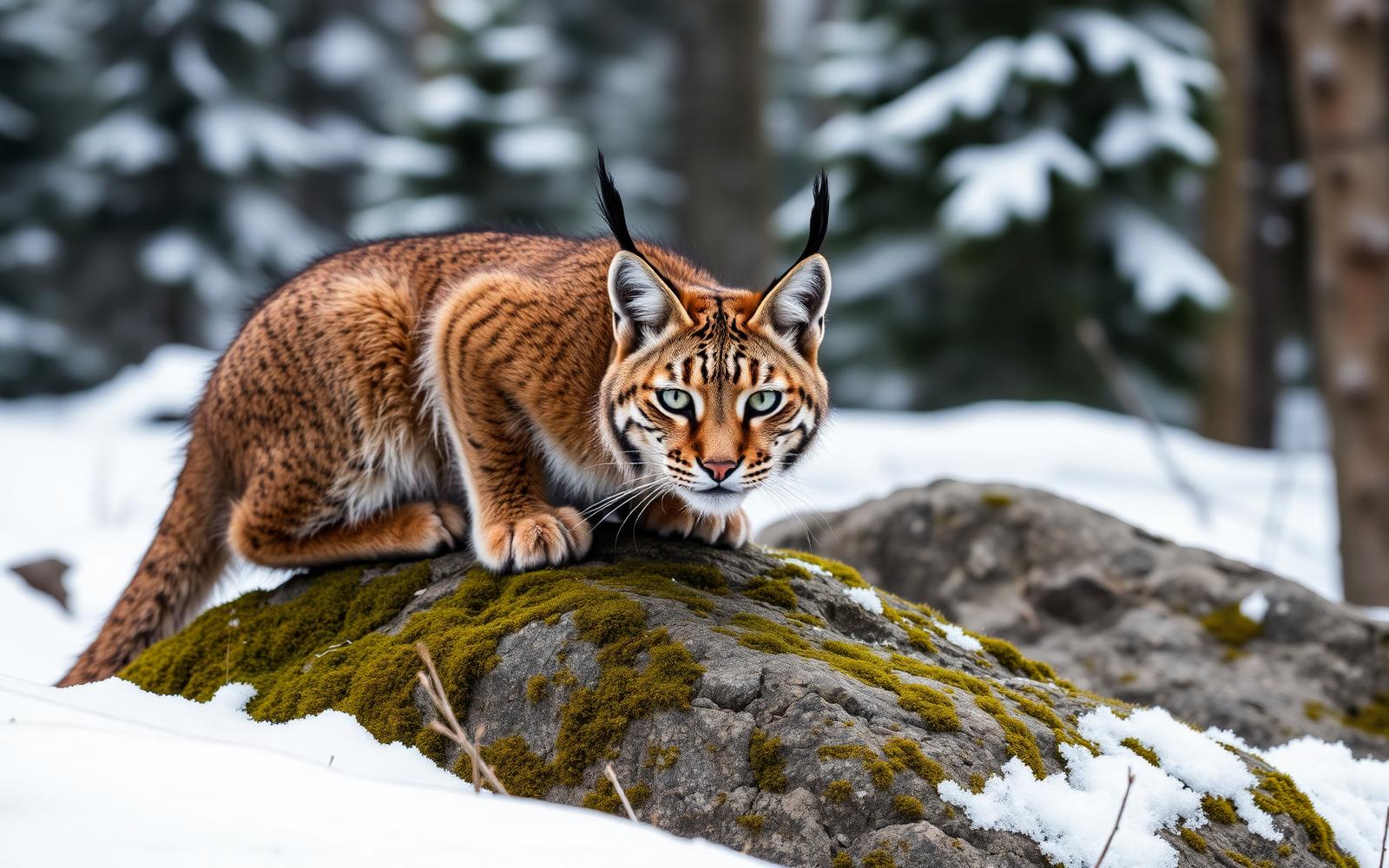
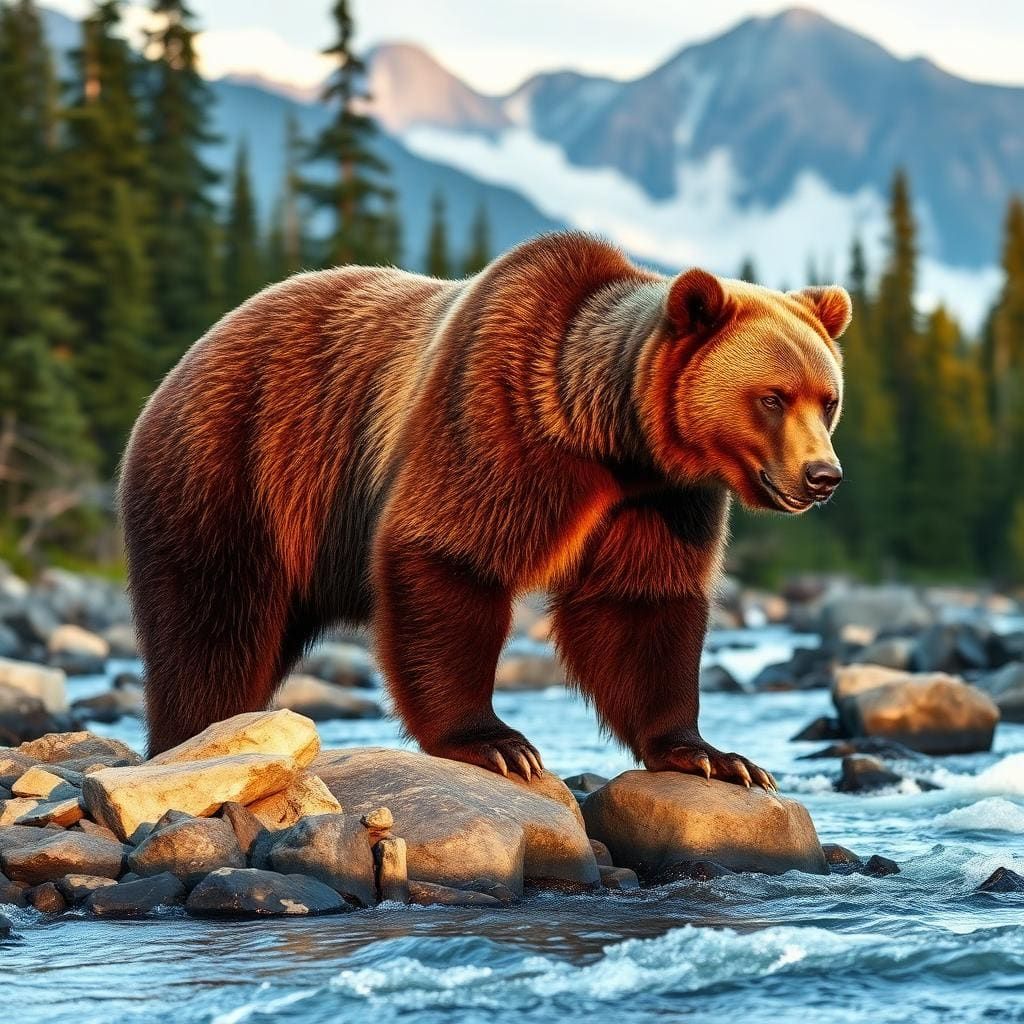
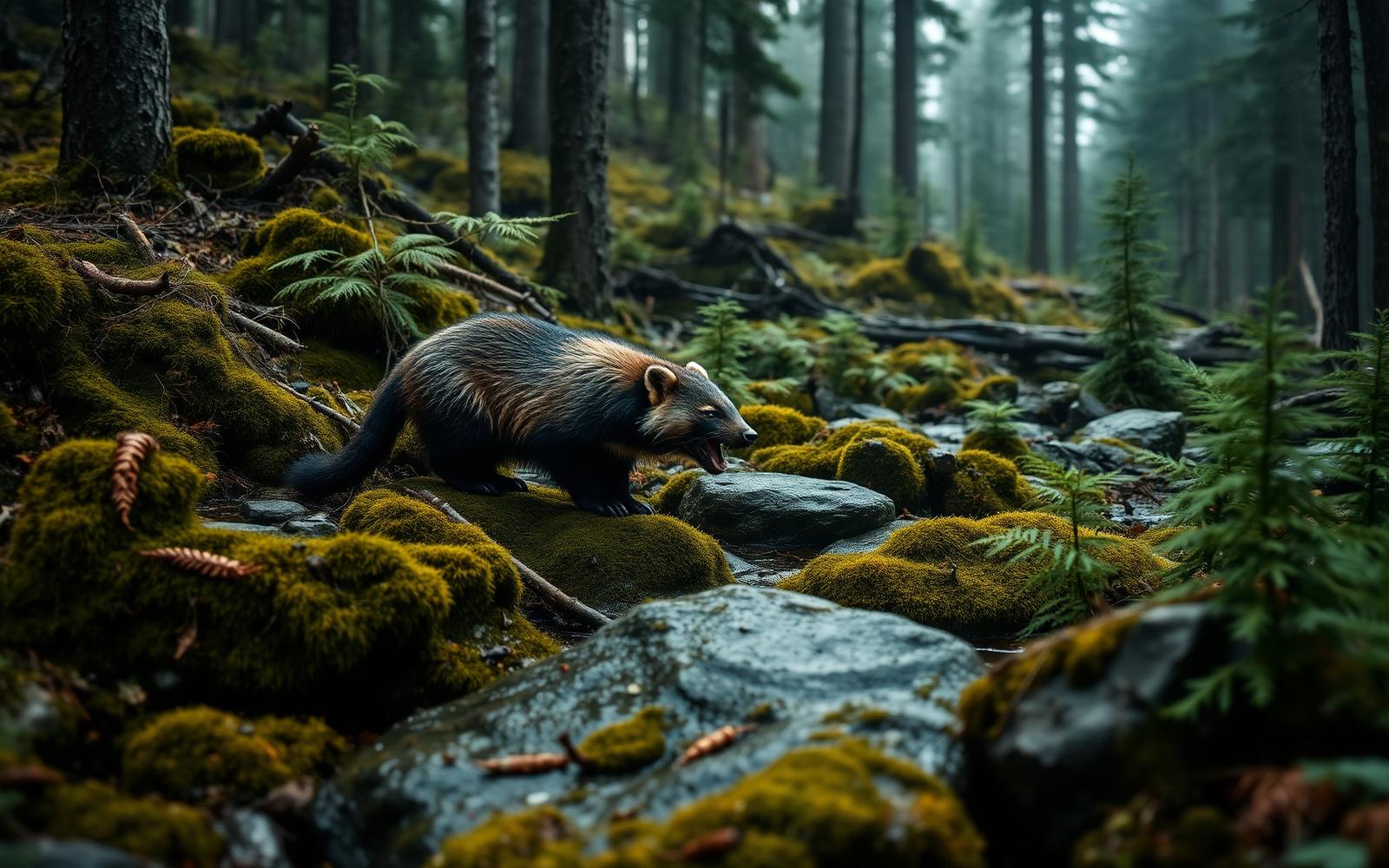
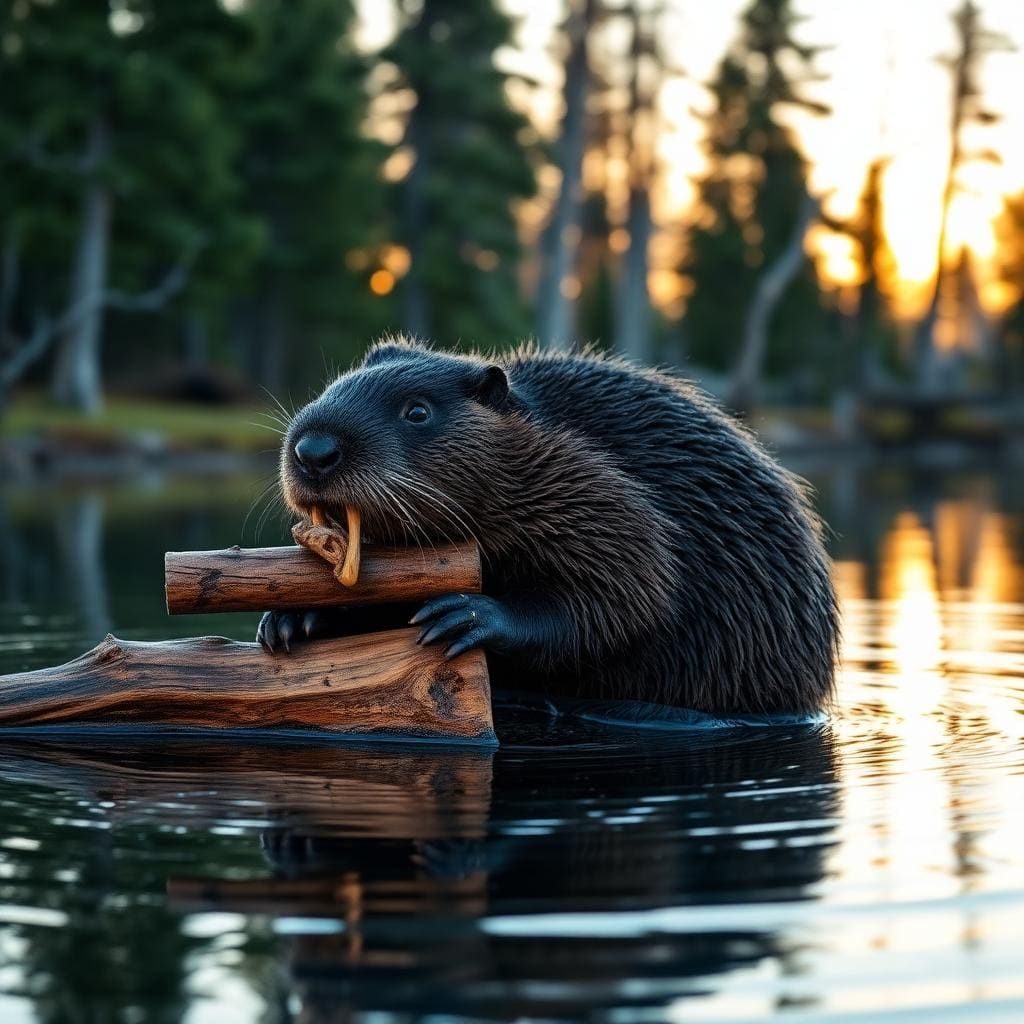
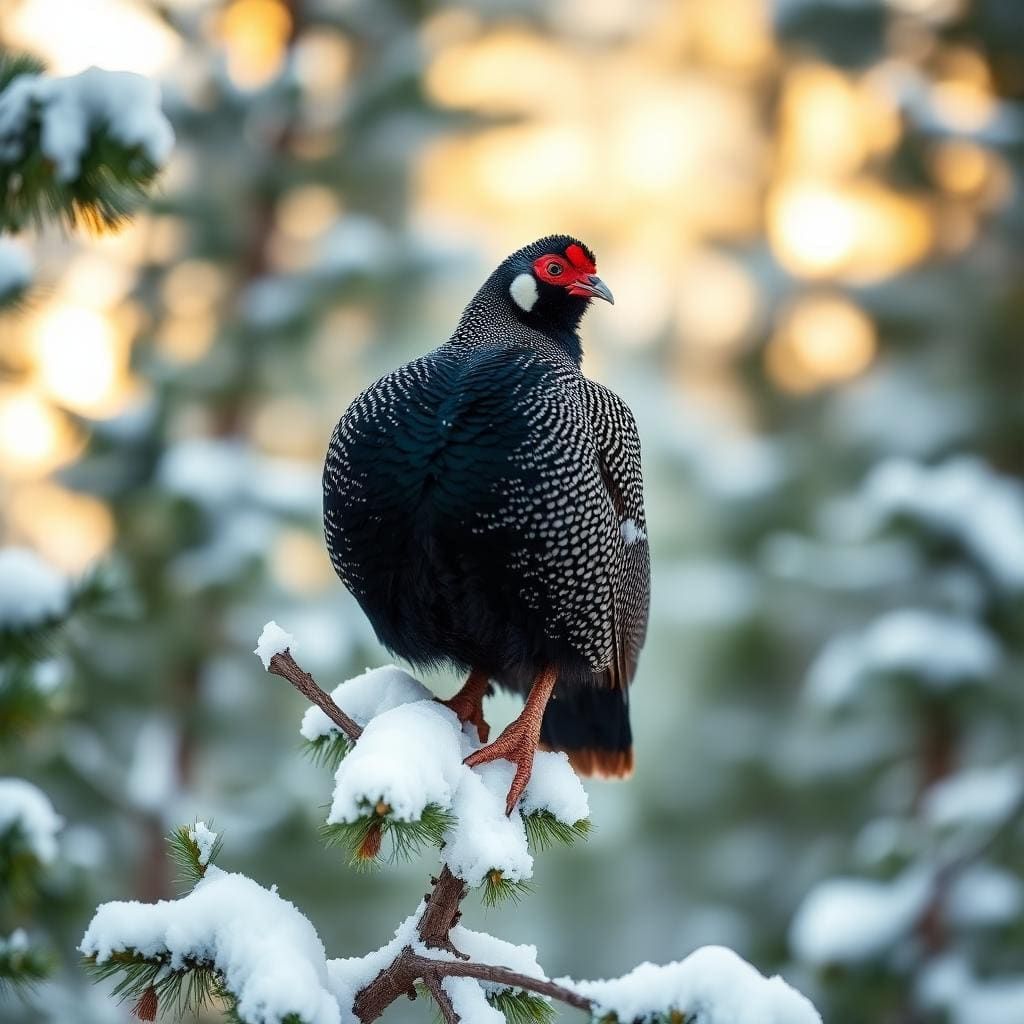
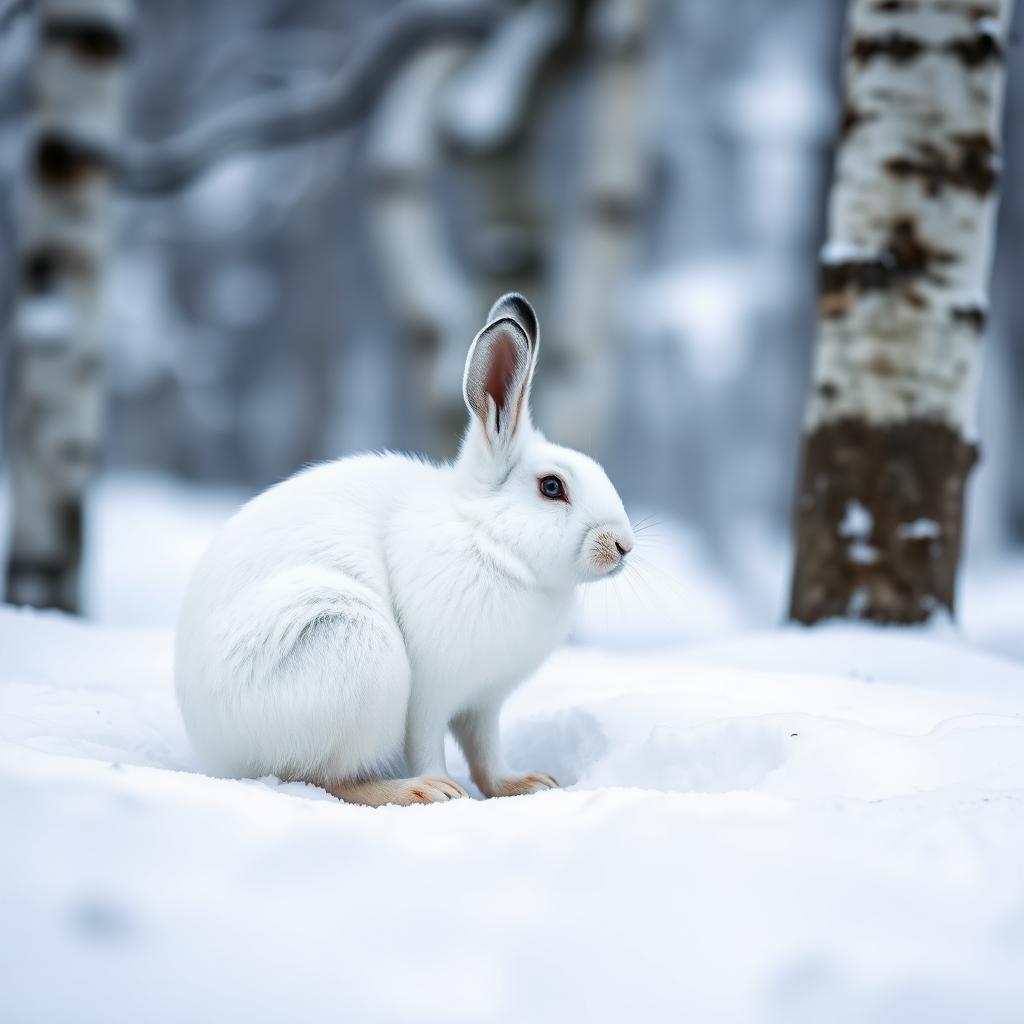
The golden trout inhabiting Lake #5 are descendants of the original wild stock gathered here throughout the twentieth century. These fish grow slowly in the short, calorie-scarce alpine growing season, averaging eight to eleven inches, but their colors are striking, featuring deep orange-red ventral surfaces and charcoal parr bars along their flanks. Insect life consists primarily of midges, small mayflies, caddis, and terrestrial windfalls blown off nearby scree slopes. Beyond the fishery, the basin provides habitat for high-country alpine specialists. Yellow-bellied marmots live in the surrounding boulder fields, and pikas call from the talus slopes beneath the peaks. Mule deer graze the wet turf meadows early and late in the day, while Clark's nutcrackers work the pine zones below the lake.
Route Logistics and Approach
Access starts at the Horseshoe Meadow Trailhead, situated at roughly 10,000 feet at the terminus of Horseshoe Meadow Road out of Lone Pine. The Cottonwood Lakes Trail climbs gently along Cottonwood Creek, gaining an easy 1,200 feet over approximately six miles to reach the lower basin. The trail is wide, heavily maintained, and free of technical obstacles, making it one of the gentlest high-altitude approaches in the eastern Sierra. From the lower lakes, a clear side path forks northward past Lakes #1 through #4 to reach the rocky shoreline of Lake #5. Hikers must take the high starting elevation seriously. Ascending quickly from the Owens Valley desert floor to sleep at 11,200 feet frequently triggers acute mountain sickness for travelers who fail to acclimatize properly at the trailhead campground.
Permits and Angling Regulations
Overnight trips into the basin require an Inyo National Forest wilderness permit, subject to strict quota restrictions on the Cottonwood Lakes entry point via Recreation.gov between May 1 and November 1. Competition for these permits is intense, requiring booking months in advance or securing last-minute rolling releases. Strict California Department of Fish and Wildlife regulations govern Lake #5 to preserve its historic broodstock status. The lake carries an artificial-lures-only restriction with barbless hooks, a delayed summer opening date to protect spring spawners, and strict zero-retention limits. Food must be stored inside approved bear-resistant canisters across the entire wilderness basin, and campfires are strictly prohibited above 10,000 feet to protect the delicate, slow-growing subalpine timber.
Crowds and Honest Realities
The accessibility that makes Lake #5 appealing is also its greatest operational drawback. This is not the solitary, remote Sierra wilderness found in the untrailed basins of the High Sierra crest. On peak summer weekends, the Cottonwood Lakes trail sees heavy traffic, and designated campsites throughout the lower basin fill quickly with backpackers, peak baggers targeting Langley, and angling parties. Fish in Lake #5 have seen countless flies and lures; they are educated, skittish, and will inspect small offerings with extreme scrutiny. Gusting winds frequently shear across the exposed basin, making delicate presentation with light fly tackle frustrating for unprepared casters. If complete isolation is your objective, you will need to push over high passes into the deeper backcountry.
How we chose
We built this ranking from land-manager and agency sources, permit records and published trip reports. Each of the 10 places was compared against the same criteria below. This is desk research unless a pick is marked field tested.
- Quality of the terrain
- Landscape, route variety, and whether the place rewards multiple days rather than one overlook.
- Season and weather windows
- How long the reliable window is, and how badly the shoulder seasons punish a bad forecast.
- Access and permits
- Trailhead logistics, permit odds, quotas, and how much lead time a trip realistically takes.
- Solitude vs. crowding
- How far you have to walk before the place feels like wilderness instead of a queue.
- Wildlife and ecology
- What you can reasonably expect to see, and what you have to plan around.
- Risk and skill required
- Navigation, water crossings, exposure, and rescue distance — stated plainly.
Cottonwood Lake #5 — frequently asked questions
- Is Cottonwood Lake #5 worth the trip?
- We rank it #8 in Sierra Golden Trout Lakes. Cottonwood Lake #5 is ground zero for California golden trout management. Resting at 11,200 feet in the Cottonwood Lakes Basin, this lake was historically tapped by the state of California as the primary wild broodstock source used to establish golden trout fisheries across the western United States.
- Who is Cottonwood Lake #5 best for?
- Best for technical sight fishing, first-time alpine backpacking, mount langley ascent basecamp and native trout species quest. Standouts: historic pure-strain golden trout genetics in their native high basin and gentle, well-marked trail access starting from a 10,000-foot trailhead.
- What are the drawbacks of Cottonwood Lake #5?
- Substantial camping and angling pressure compared to off-trail lakes, High winds and barren shorelines offer zero protection from afternoon storms and Strict seasonal closures cut short early summer angling opportunities.
- What are the key details for Cottonwood Lake #5?
- Elevation: 11,200 feet · Trailhead: Horseshoe Meadow (Cottonwood Lakes Trail) · Hiking Distance: 6.0 miles one-way · Elevation Gain: 1,200 feet from trailhead · Primary Quarry: Pure-strain California golden trout
- Granite Amphitheater Geography — what should I know about the Cottonwood Lake #5?
- The Cottonwood Lakes basin sits in an immense glacial cirque scooped out beneath the southern ridges of Mount Langley. Lake #5 rests in the upper tier of this chain, bounded by exposed granite benches, steep scree aprons, and pocket meadows fed by late-season snowmelt.
- Seasonal Windows and Sierra Weather — what should I know about the Cottonwood Lake #5?
- Because of its elevation, the operational window at the lake is relatively brief. Ice-out generally finishes by late June or early July, though lingering winter snowpacks can keep the basin partially locked well into mid-summer during heavy snow years.
Where on earth
Satellite imagery flying in from a world view to Cottonwood Lake #5, California, United States. Use the + / − buttons, or click the map to zoom with your scroll wheel; drag to pan and pinch to zoom on touch.
Cottonwood Lake Number Five, California, USA · 36.503, -118.227
Wildlife found around Cottonwood Lake #5


Compare side by side
Put the Cottonwood Lake #5 against any other pick on this list — specs, price, pros, cons and reader ratings.