



Where on earth
Satellite imagery flying in from a world view to Teton Wilderness, United States. Use the + / − buttons, or click the map to zoom with your scroll wheel; drag to pan and pinch to zoom on touch.
- Region
- Wyoming, USA
- Country
- United States
- Biome
- Subalpine plateau (2,100–3,600 m)
- Best season
- July – September
- Difficulty
- moderate
- Backpacking
- Hiking
- Wildlife Viewing
- Canoeing
- Fishing
Key takeaways
- Biome: Subalpine plateau (2,100–3,600 m)
- Best season: July – September
- Difficulty: moderate
- Top activity: backpacking
Photos of Teton Wilderness
Topic summary
A 585,000-acre wilderness bordering Yellowstone and the Tetons — Two Ocean Plateau and the headwaters of the Snake and Yellowstone.
Key takeaways
- Difficulty: moderate
- Best season: July – September
Intended uses
backpacking
Climate suitability
Subalpine plateau (2,100–3,600 m)
Tools for a trip here
Picked for how, when and where you're going. Free, no signup.
- Sleep System Temp CalculatorCold nights: check your bag and pad add up to a safe sleep.
- Bear Country Food StorageBear country: canister, Ursack or hang, and the local rules.
- Base Weight CalculatorEvery ounce is carried — total your kit and find your base weight.
- Pack Volume SizerSize the pack for your trip length and season.
- Water Purification MatrixTreat water from streams and lakes on trail.
Plan with verified data
Teton Wilderness trip tools
How to get there
Teton Wilderness is in Wyoming, USA, United States. Its center point is 43.9500, -110.3000. Use these links for live turn-by-turn directions from where you are, then confirm road, trailhead and access conditions with the managing agency before you leave.
- Grand Teton National Park
Regional orientation only, not a verified Teton Wilderness access point. The park lies in northwestern Wyoming and includes major Teton Range peaks and much of northern Jackson Hole.
- John D. Rockefeller Jr. Memorial Parkway
Connects Grand Teton National Park and Yellowstone National Park. A connection from this parkway to a Teton Wilderness trailhead is not established.
Popular pursuits at Teton Wilderness
- Backpacking
Multi-day travel with everything on your back — see the packing blocks below.
- Hiking
Day miles on marked trail, with route notes and trail links below.
- Wildlife Viewing
Best light, best season, and where animals move.
- Canoeing
Paddle routes, portages, and put-ins.
- Fishing
Resident gamefish, seasons, and the water that holds them.
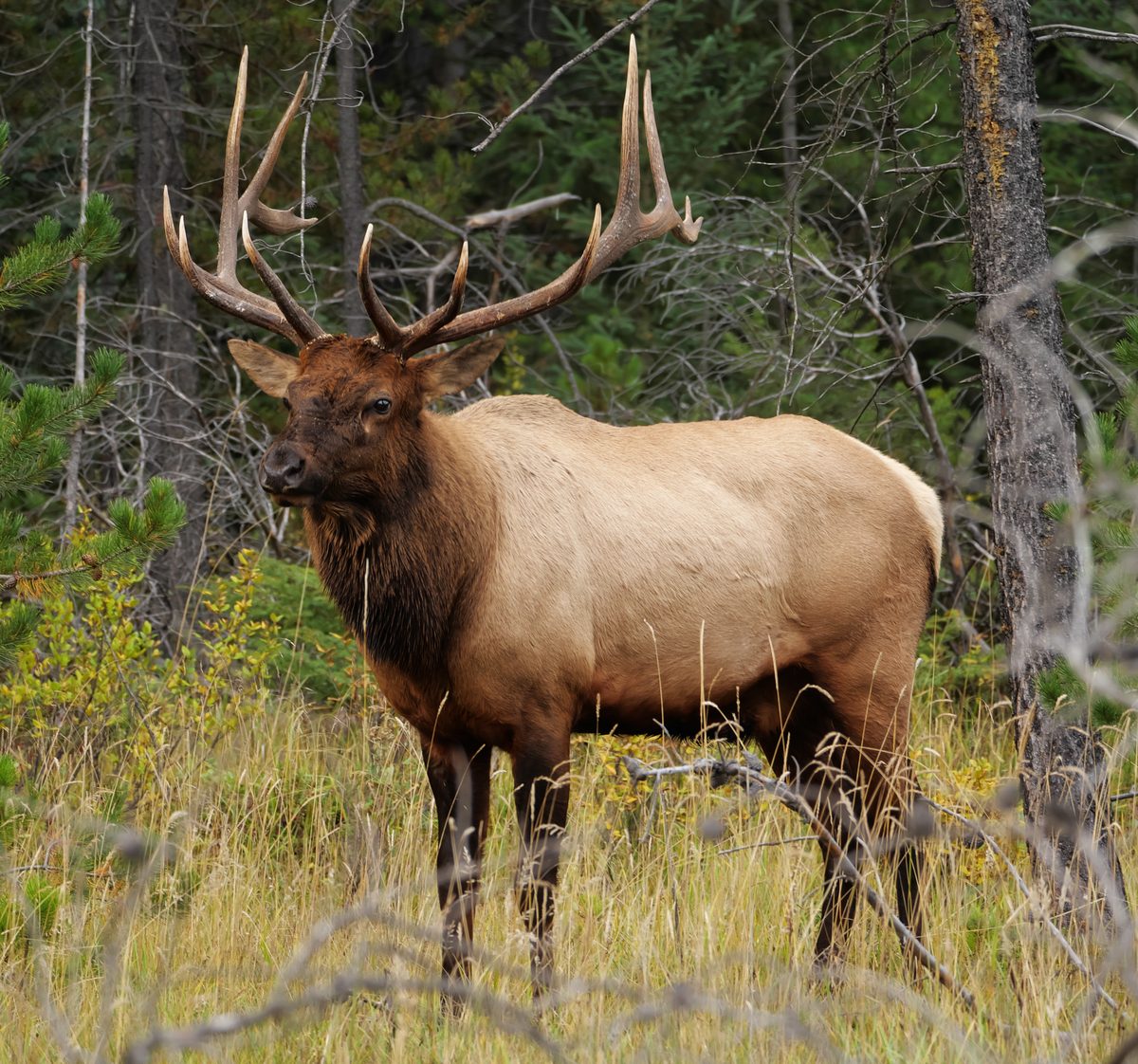
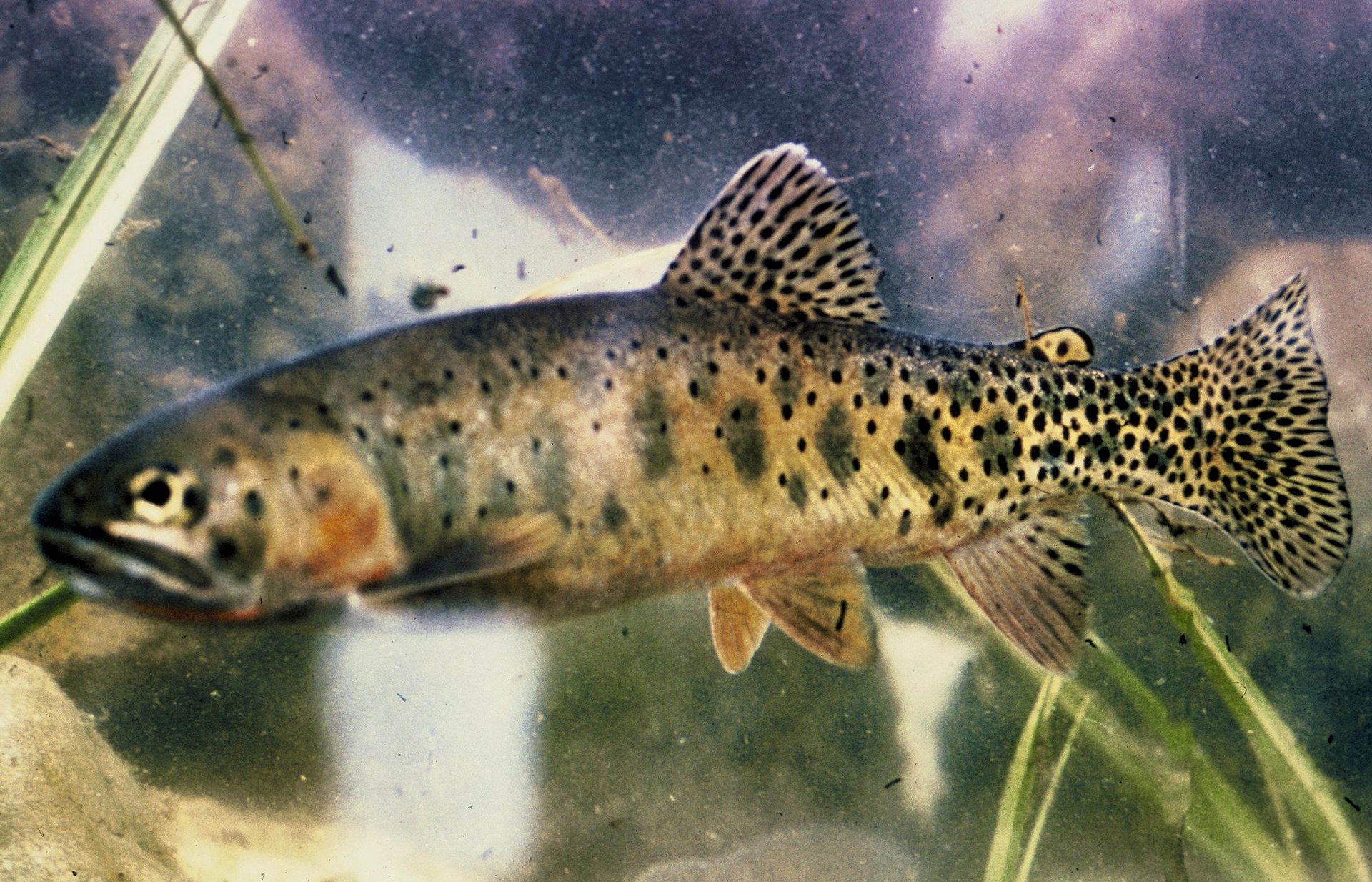
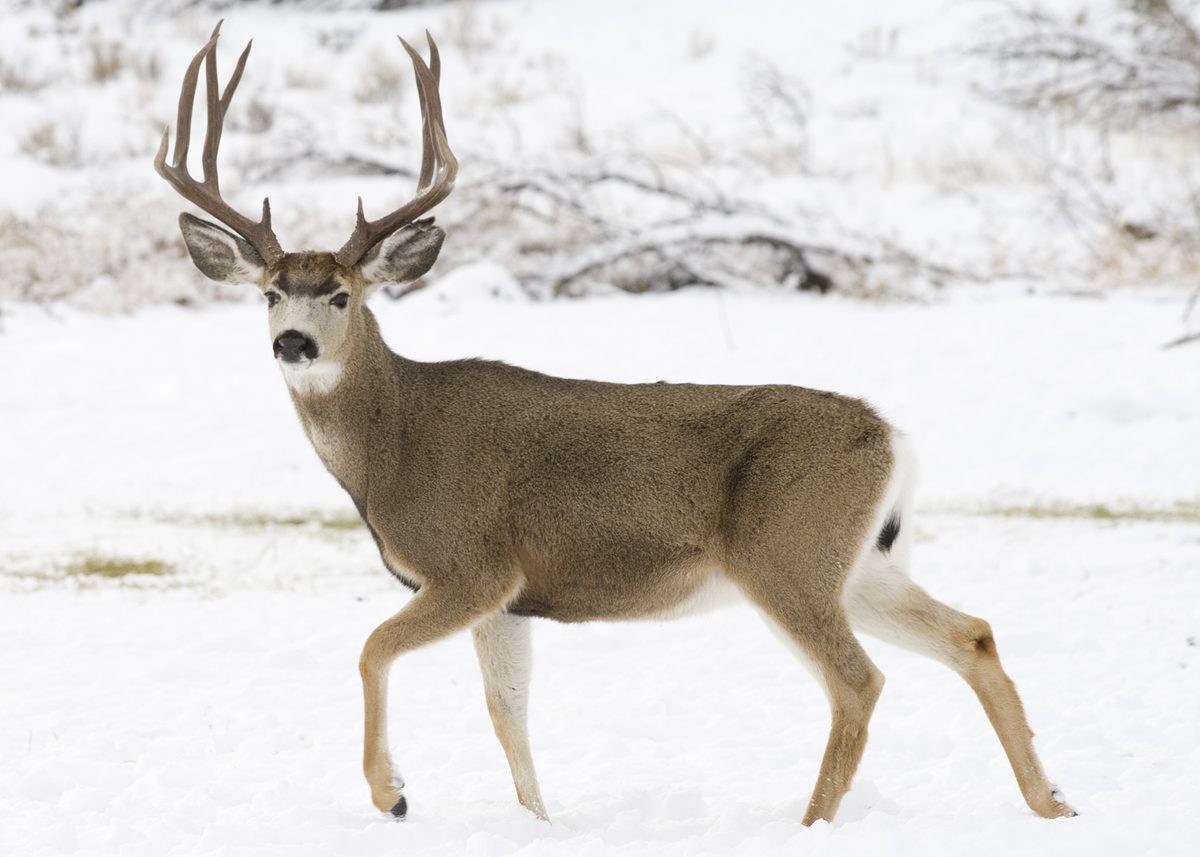
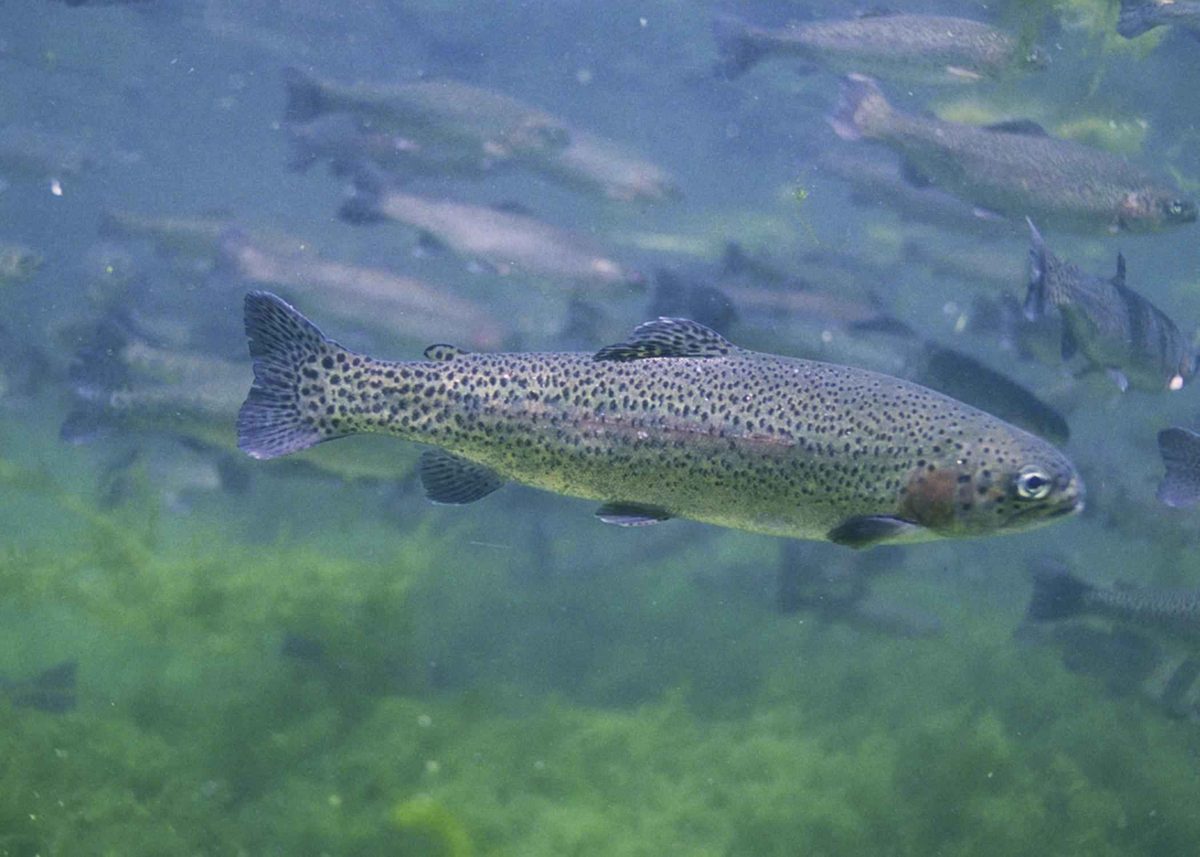
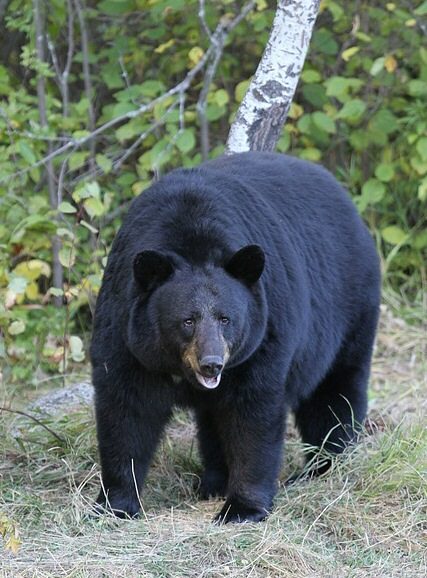
Animals around Teton Wilderness



Maps, GPS & compass for this trip
Carry a waterproof paper map and a compass you can steer by, and treat the GPS as the backup — not the other way round. Buying links go to Amazon; Wild10 earns a commission at no cost to you.
Waterproof topo maps
- Waterproof topographic map — Teton WildernessAmazon search for waterproof, tear-resistant topo maps covering this area.
- National Geographic Trails IllustratedThe waterproof Trails Illustrated series — check for a sheet covering this area.
- Waterproof map case & compass lanyardKeep a paper map readable in rain, spray and a swamped boat.
Fishing at Teton Wilderness
Planning to fish Teton Wilderness, Wyoming? Fishing licenses, open seasons and catch limits in Wyoming are set by the local wildlife authority and change every year — check the official source before you cast a line.
Do I need a fishing license at Teton Wilderness?
- A Wyoming fishing license is normally required for anyone over the local youth age.
- Read the current Wyoming fishing regulations for special waters, barbless-hook or catch-and-release rules.
- Clean, drain and dry boats and gear between waters to stop invasive species.
- Teton Wilderness may add its own fishing rules on top of Wyoming law — check the managing agency too.
Hunting near Teton Wilderness
Thinking about hunting Teton Wilderness, Wyoming? Hunting seasons, tags and draws in Wyoming are set by the wildlife authority each year. Confirm the rules for your species and unit before you go.
Is hunting allowed at Teton Wilderness?
- Hunting is prohibited or heavily restricted in many national parks, wilderness and protected areas — confirm with the Teton Wilderness land manager before planning a hunt, and look to surrounding public land.
What do I need to hunt in Wyoming?
- A Wyoming hunting license — most jurisdictions also require hunter education certification.
- Species tags or draw results for big game such as deer, elk, moose or bear where they occur.
- Knowledge of firearm and bow transport rules, which differ by land type and border crossing.
Teton Wilderness: keep the destination distinct
Teton Wilderness is the requested destination in Wyoming, but a reliable trip plan must distinguish it from Grand Teton National Park. The park protects major peaks of the Teton Range and much of northern Jackson Hole; those park descriptions should not be treated as descriptions of the wilderness. Likewise, the park’s campgrounds, visitor centers, hiking mileage, and recreation opportunities do not establish what is available inside Teton Wilderness. The regional context below can help orient an initial search, but it does not establish wilderness boundaries, trailheads, or itineraries. Before choosing an outing, obtain a destination-specific map and confirm the intended access point with the managing agency. There is not enough destination-specific information here to recommend a wilderness route or assign it a distance or difficulty.
The broader northwestern Wyoming setting
Grand Teton National Park lies in northwestern Wyoming, south of Yellowstone National Park, with the John D. Rockefeller Jr. Memorial Parkway connecting the two parks. Together with surrounding national forests, these protected lands form part of the Greater Yellowstone Ecosystem. This is useful regional orientation, not a driving approach to Teton Wilderness. Within Grand Teton National Park, the landscape includes the Teton Range, Jackson Hole, Jackson Lake, streams, and the upper main stem of the Snake River. Those named features belong to the park description and should not be used to infer a wilderness itinerary. When planning travel, distinguish a road connection between parks from a confirmed wilderness access road. Neither a suitable departure town nor a verified drive time to a Teton Wilderness trailhead can be established here.
Route planning and practical checks
The Continental Divide Trail is a long-distance route following the Continental Divide through five states, including Wyoming. Its statewide presence alone does not establish a usable Teton Wilderness segment, an entry point, or a connection to another trail. Grand Teton National Park also has an extensive hiking network, but that is a separate planning subject rather than a substitute for wilderness route information. For a Teton Wilderness trip, first confirm trail names, access roads, route continuity, and current conditions with the managing agency. Confirm permit requirements there as well. Only then choose daily mileage and equipment appropriate to the verified terrain and forecast. No wilderness-specific season, water-source information, campsite guidance, or named hazard is established here, so none should be assumed from the neighboring park’s description.
Route options
- Continental Divide Trail
A long-distance trail crossing Wyoming along the Continental Divide. No Teton Wilderness segment, trailhead, or local itinerary is established, so this is not a verified route recommendation.
- Grand Teton National Park hiking trails
A separate regional hiking option, not a Teton Wilderness itinerary. The park has an extensive trail network, but no individual route or wilderness connection is established here.
Sample itineraries
- Day-hike planning outline · 1 day
Choose a Teton Wilderness trail and access point only after confirming them with the managing agency. Set a turnaround time and match the outing to current conditions. This is a planning outline, not a verified route.
- Overnight planning outline · 2 days
Confirm a Teton Wilderness route, overnight requirements, water availability, and access before planning camps. Keep the second day available for the return. No specific trail or campsite can be identified confidently here.
Seasonal conditions
Spring
Confirm locally
A reliable spring access window is not established here. Ask the managing agency about current trail and approach conditions before choosing dates.
Summer
Confirm locally
Summer trail availability and overnight conditions are not established here. Confirm the intended route rather than assuming conditions match nearby national parks.
Fall
Confirm locally
A reliable fall travel window is not established here. Check current conditions and available daylight before committing to daily travel plans.
Winter
Confirm locally
Winter access and route suitability are not established here. Obtain a destination-specific conditions assessment before selecting equipment or attempting an outing.
| Season | Window | Conditions |
|---|---|---|
| Spring | Confirm locally | A reliable spring access window is not established here. Ask the managing agency about current trail and approach conditions before choosing dates. |
| Summer | Confirm locally | Summer trail availability and overnight conditions are not established here. Confirm the intended route rather than assuming conditions match nearby national parks. |
| Fall | Confirm locally | A reliable fall travel window is not established here. Check current conditions and available daylight before committing to daily travel plans. |
| Winter | Confirm locally | Winter access and route suitability are not established here. Obtain a destination-specific conditions assessment before selecting equipment or attempting an outing. |
Permits, fees & closures
Confirm current Teton Wilderness permit and overnight requirements with the managing agency.
Confirm current permits, fees, and closures with the managing agency before you go.
Hazards & regulations
- Route-specific hazards are not established here; obtain a current assessment before departure.
- Do not use Grand Teton National Park trail or campground information as confirmation of Teton Wilderness access.
- A general Continental Divide Trail description does not establish a usable Teton Wilderness route or its conditions.
What to pack for Teton Wilderness
- Destination-specific map
- Confirmed access and route details
- Offline copy of current agency guidance
- Weather-appropriate layers
- Drinking water
- Food
- First-aid kit
- Headlamp
Teton Wilderness FAQ
- Is this a verified Teton Wilderness route guide?
- No. Specific wilderness trails, trailheads, campsites, and access conditions cannot be established here. Confirm those details before using either planning outline.
- Can Grand Teton National Park information guide this trip?
- It provides regional context, not confirmation of Teton Wilderness routes, facilities, or regulations. Do not transfer park-specific details to the wilderness.
- Can a Continental Divide Trail itinerary be recommended?
- Not confidently here. The trail crosses Wyoming, but a specific Teton Wilderness segment, access point, and travel distance are not established.
- What is the best season to visit?
- A destination-specific travel window cannot be established here. Ask the managing agency about conditions for the exact route and dates under consideration.
- Which wildlife species should visitors expect?
- A Teton Wilderness species list is not established here. Seek local wildlife guidance rather than treating nearby national park descriptions as a destination-specific inventory.