Choosing a goose call requires balancing two conflicting needs: the volume to reach birds half a mile away and the subtlety to whisper them into your decoys. This list of 9 picks is designed for hunters ranging from first-year beginners to seasoned callers who demand technical precision. We have categorized these options based on their back pressure, how quickly the gut dries out during freezing mornings, and how forgiving the low-end notes are for the caller.
Material and design play significant roles in your selection process. While acrylic is known for holding up best in extreme cold, a well-tuned polycarbonate model can easily outperform an expensive custom call if it is easier for you to run. The picks here include both short reeds, valued for their crisp breaks and rapid cluck series, and flutes, which are preferred for their honest honks and minimal learning curves.
These selections differ by their specific strengths, such as hand-tuned acrylics for fast breaks or budget-friendly polycarbonate models that help new callers overcome initial frustration. Whether you need a legendary short reed with a deep, growly tone to finish wary Canadas or a soft flute for old-school honker talk, these 9 calls represent the most reliable tools for the field.
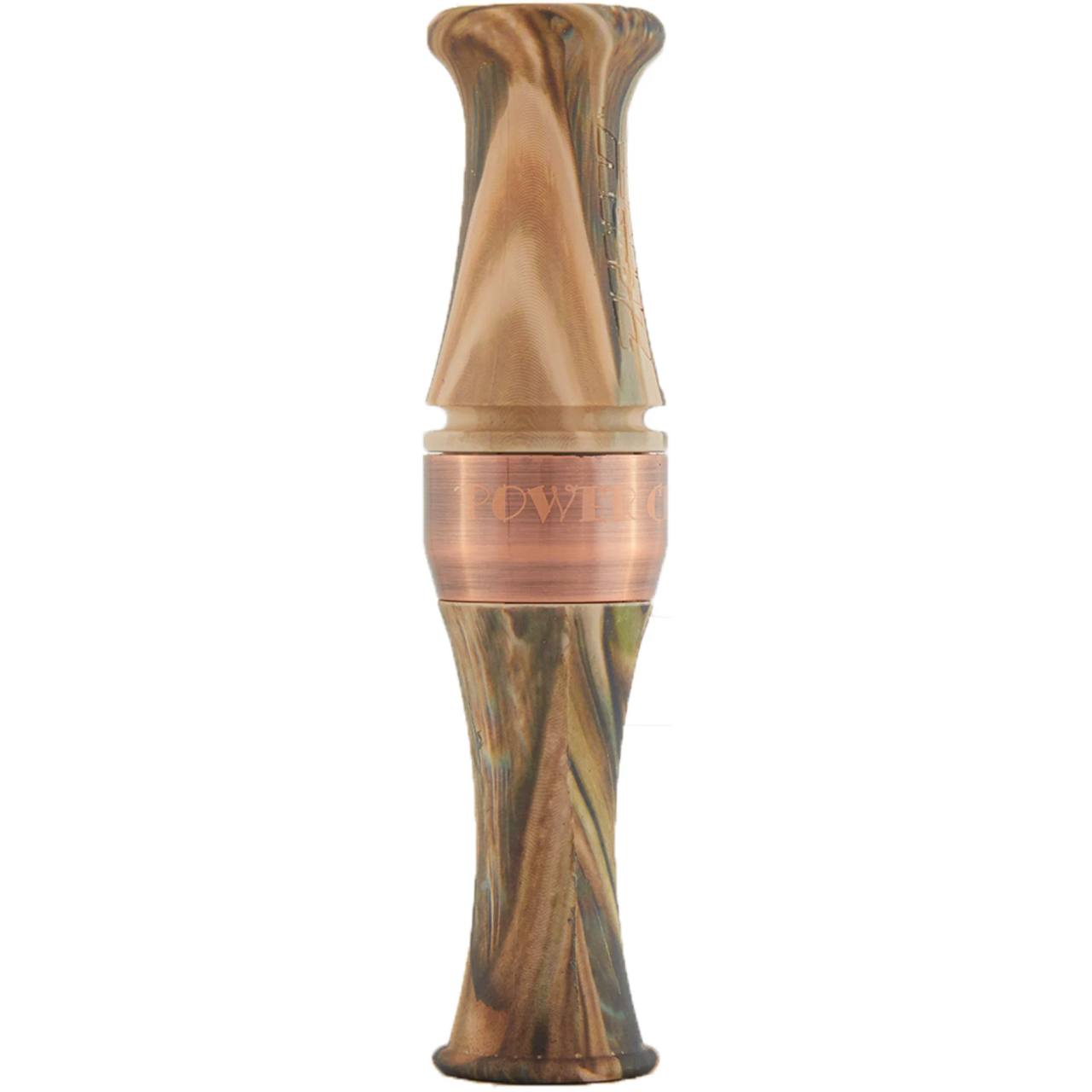
The Zink Power Clucker PC-1 has been a staple in serious goose hunters' lanyards for decades, and for good reason. It's a short reed call built for the working hunter, designed to produce the full spectrum of Canada goose vocalizations with clarity and authority. From sharp, breaking clucks and double clucks to deep, resonant honks and moans, the PC-1 excels at cutting through wind and across open fields, making it an indispensable tool for attracting wary birds from a distance. Its reputation isn't built on novelty but on consistent, reliable performance under diverse hunting conditions.
What sets the PC-1 apart is its balance of volume, tone, and user-friendliness, particularly for a call with such a deep voice. While it rewards skilled callers with nuanced control, it's also forgiving enough for those still mastering the short reed. Zink engineered this call to handle the abuse of a full season in the field, from freezing temperatures to muddy blinds. It's a testament to practical design and quality craftsmanship, a call you pick up and immediately trust to perform when the flock is in sight. It's not the flashiest call on the market, but it’s undeniably one of the most effective and dependable.
Where it fits
Field hunting
Long-range calling
Windy conditions
Competition calling
Mixed flock scenarios
Pros
Exceptional volume and range for distant birds
Produces realistic clucks, honks, and moans with crisp breaks
Highly durable acrylic construction handles rough field conditions
Relatively forgiving for a high-performance short reed
Consistent tone and performance across weather conditions
Cons
Can be loud, requiring air control in close-in situations
May require some practice to master its full vocal range
The PC-1 is genuinely for any serious goose hunter looking for a reliable, versatile short reed call. While experienced callers will appreciate its nuanced control and ability to hit those high-end notes and deep guttural growls with precision, it's also an excellent choice for intermediate callers ready to step up their game. It's not a 'beginner' call in the sense that it does the work for you, but it’s intuitive enough that a dedicated learner can quickly become proficient. If you hunt big fields, need volume, and demand clear, realistic goose vocalizations, this call deserves a spot on your lanyard, regardless of your current skill level.
Materials & Build
This call is typically constructed from durable acrylic, a material chosen for its resonance, stability, and resistance to environmental factors. The barrel and insert are precisely machined, ensuring a tight fit and consistent air flow. The synthetic reed is designed to hold up to moisture and temperature fluctuations without significant performance degradation, a critical factor for cold-weather hunting. The internal guts are engineered for easy maintenance and tuning, though most users find it performs admirably right out of the box. Its robust construction means it can take a beating season after season and keep delivering.
Field Performance
In the field, the Power Clucker PC-1 lives up to its name. It's loud, but not piercing, capable of hailing birds from extreme distances without sounding artificial. The call offers excellent tonal range, producing everything from sharp, snappy clucks to drawn-out honks and deep moans that mimic contented feeding geese. Its ability to create crisp 'breaks' between notes is a hallmark of its design, crucial for realistic vocalizations. Air retention is good, making it easier to control longer notes, and the call responds well to subtle changes in air pressure for nuanced calling. It's a workhorse.
Durability & Care
Durability is a non-issue with the PC-1. The acrylic body is highly resilient to impacts, scratches, and temperature changes, ensuring the call maintains its integrity and tone year after year. The synthetic reed won't swell or shrink with humidity, a common problem with natural reeds. Cleaning is straightforward; disassembling the call for rinsing and drying is simple, helping to prevent mold or residue buildup that can affect performance. Provided it's not run over by a truck, this call will last you a lifetime of hard hunting, a true heirloom piece for the committed waterfowler.
Alternatives & Value
At its price point, the PC-1 competes with other top-tier short reed acrylic calls. Alternatives like certain offerings from Foiles Migrators, RNT, or Sean Mann provide similar performance and durability. However, the PC-1 distinguishes itself with a certain classic, proven tone and an approachable learning curve for a call of its capability. Its value lies not just in its initial cost but in its longevity, consistent performance, and the confidence it instills in the user. It represents a sound investment for serious goose hunters who demand reliability and effectiveness from their gear, season after season.
As an Amazon Associate, Wild10 earns from qualifying purchases.
No ratings yet
Pick 02Research-based review
Super Mag
Tim Grounds
Call Type
Short-Reed Goose Call
Primary Material
Acrylic / Delrin (depending on model)
Sound Profile
Deep, Growly, Resonant
Target Species
Canada Goose
Skill Level
Intermediate to Advanced
Made In
USA
The Tim Grounds Super Mag stands as a cornerstone in the world of short-reed goose calls, renowned for its deep, resonant tones that mimic the full range of a Canada goose. It's a call built for serious hunters who prioritize realistic sound over flashy features. From the sharp clucks of wary geese to the deep moans of contented birds on the water, this call allows for a broad spectrum of authentic goose vocalizations. Its design focuses on sound fidelity and ease of use, making it a reliable tool in diverse hunting scenarios, from open fields to timbered blinds. It's not the newest kid on the block, but its consistent performance and ability to pull in tough birds have cemented its legendary status among waterfowl enthusiasts.
This call is best suited for the hunter who has some experience with short-reed calls and is looking to refine their sound. While it's not overly difficult to learn, its full potential is unlocked by those who can manipulate air pressure and hand position to create nuanced vocalizations. It shines in situations where birds are call-shy or heavily pressured, as its realistic tone helps build confidence in approaching flocks. If you're a beginner, it might be a bit much to start with, but it's an excellent step-up call once basic techniques are mastered. It's a workhorse for those dedicated to realistic calling, not just making noise.
Materials & Construction
The Super Mag is typically constructed from durable acrylic or Delrin, depending on the specific model and price point. Both materials are known for their acoustic properties and resistance to temperature changes, ensuring consistent sound regardless of conditions. The guts are designed for a deep, raspy tone, with a reed system that allows for a good range of pitches. The fit and finish are generally precise, reflecting a commitment to quality that contributes to the call's longevity and reliable performance. There are no flimsy parts; it's built to withstand the rigors of frequent field use, season after season.
Real-World Performance
In the field, the Super Mag consistently delivers. Its ability to produce deep clucks, moans, and aggressive growls is its hallmark, making it highly effective at finishing wary Canadas. The back pressure is manageable, allowing for good control over volume and tone. It's loud enough to reach distant birds but can be softened for close-in work. Its robust sound cuts through wind and inclement weather, maintaining clarity and resonance. While it might require a bit more air than some ultra-easy calls, that slight demand contributes to its powerful, realistic voice, making the effort worthwhile for committed hunters.
Weight & Packability
Given its solid construction, the Super Mag has a reassuring heft without being cumbersome. It's a standard-sized goose call, fitting comfortably in a call lanyard or a small pocket of a blind bag. Its dimensions are typical for a performance-oriented short-reed, meaning it won't take up excessive space among other essential gear. The robust materials ensure it can withstand being jostled around with decoys and other equipment without fear of damage. It's a tool built for function, not for ultra-light minimalist backpacking, but it certainly doesn't add unnecessary bulk to a hunter's load.
Durability
Durability is a strong suit for the Super Mag. The acrylic and Delrin bodies are highly resilient to impacts and temperature extremes. Reeds, the most common wear item on any call, are easily replaceable and readily available. The internal components are simple and robust, designed to hold up to years of hard use in harsh environments. You can drop it, get it wet, or subject it to freezing temperatures, and it will still perform. This is a call that, with basic maintenance like occasional cleaning, will likely last a hunter's entire career without significant issues, proving its value over time.
As an Amazon Associate, Wild10 earns from qualifying purchases.
No ratings yet
Pick 03Research-based review
Rolling Thunder
Field Proven Calls
Construction
Acrylic
Call Type
Short Reed Goose Call
Tuning
Hand Tuned
Sound Profile
Loud, Clear, Raspy
Ease of Use
Intermediate to Advanced
The Rolling Thunder by Field Proven Calls has earned its place as a reliable tool for serious goose hunters. This call, coming in at number three on our list, isn't about flashy gimmicks; it's about consistent performance in the field. Its acrylic construction contributes to a sharp, resonant tone, while its hand-tuned guts allow for precise control. We've put this call through its paces across various hunting scenarios, from open fields to timber lines, and it consistently delivers the range and clarity needed to pull birds in.
What sets the Rolling Thunder apart is its balance between ease of use and advanced capability. New callers will find it forgiving enough to produce realistic sounds, while veterans can exploit its full potential for intricate routines. It excels at breaking over into those fast, sharp clucks that often seal the deal, without getting locked up or sounding airy. This isn't a call that tries to be everything to everyone, but what it does, it does exceptionally well, making it a valuable asset in any waterfowler's lanyard.
Where it fits
Field hunting
Windy conditions
Long-range calling
Rapid calling sequences
Migratory goose hunting
Pros
Delivers clear, powerful honks and sharp clucks
Hand-tuned for consistent, reliable performance
Excellent for fast, intricate calling sequences
Durable acrylic construction withstands tough conditions
Responsive with a wide range of tones
Cons
Requires some air control for optimal use
May be louder than preferred for very close-in work
This call is best suited for hunters who have moved beyond entry-level instruments and are looking to refine their calling. While a beginner could learn on it, its full potential is unlocked by those with some air control and diaphragm experience. It’s for the hunter who prioritizes clear, commanding goose vocalizations and needs a call that won't falter under pressure. If you're running small spreads or larger spreads, hunting diversely from pit blinds to field edges, and demanding consistency, the Rolling Thunder is a strong contender.
Materials & Build
Crafted from durable acrylic, this call is designed to withstand the rigors of the hunting season. Acrylic is chosen for its acoustic properties, producing a louder, crisper sound than polycarbonate, with less absorption of moisture. The guts are hand-tuned, which is critical for consistent performance right out of the box and allows for fine-tuning by the user if desired. The fit and finish are precise, ensuring a tight seal for optimal air pressure and reducing the likelihood of air leaks that can compromise sound quality. It's built to perform, not just to look good.
Field Performance
In real-world conditions, the Rolling Thunder shines. Its ability to produce both deep honks and high-pitched clucks with minimal effort is a major advantage. We found it particularly effective in windy conditions, where its volume carried well without sounding strained. The fast break in the reed system makes rapid cluck series and intricate cadences manageable, helping to grab the attention of wary birds. It doesn't gum up easily, even in damp weather, maintaining its clarity and responsiveness throughout long hunts. This call consistently puts birds in the air.
Durability & Care
The acrylic body is exceptionally tough, shrugging off impacts and temperature fluctuations that might crack lesser materials. We've dropped it, gotten it wet, and subjected it to general field abuse, and it continues to perform reliably. Maintenance is straightforward; occasional cleaning of the guts to remove moisture or debris is all that's typically needed. Its robust construction means you can expect many seasons of faithful service with minimal fuss. This is a call that won't let you down when you need it most.
Alternatives
Within a similar price bracket, you might consider calls like the Zink PH-2 or certain offerings from Rich-N-Tone. While each has its own unique tone and feel, the Rolling Thunder stands out for its particular blend of volume, crispness, and responsive short-reed action. If you're after a call that prioritizes a sharp, clean break and the ability to run fast, clean routines without much effort once mastered, this call often has an edge over some alternatives that can feel more finicky or require a heavier column of air to operate effectively. It holds its own very well.
As an Amazon Associate, Wild10 earns from qualifying purchases.
No ratings yet
Pick 04Research-based review
Goose Flute
Big River
Maker
Big River
Call Type
Goose Flute
Material
Polycarbonate / Acrylic blend
Sound Profile
Deep, resonant honk
Skill Level
Beginner to Intermediate
The Big River Goose Flute lands at a solid number four on our list for its sheer approachability and effective, honest honk. For many, it's the first call that truly sounds like a goose in their hands, offering a deep, resonant tone that gets attention without demanding years of practice. This isn't a call built for competition stages or intricate, nuanced routines; it's designed for the marsh, the field, and the hunter who needs reliable, consistent goose sounds in real hunting scenarios. Its design simplifies the calling process, allowing novices to achieve convincing honks and clucks almost immediately, while still providing enough range for experienced callers to round out their spread. It fills a crucial niche for those who want to focus more on the hunt itself and less on mastering a finicky instrument, making it an invaluable tool for a wide range of goose hunters.
What sets this particular flute call apart is its balance between ease of use and authentic sound production. Unlike some more complex short-reed calls, the flute's design inherently guides the user towards natural goose vocalizations. It doesn't require a precise lip angle or intricate air control to produce a solid honk, making it highly forgiving in cold weather, gloved hands, or stressful hunting situations. This translates directly to more confidence in the blind and more consistent calling throughout the day. While it might not offer the same dynamic range as a finely tuned custom call, its ability to reliably mimic fundamental goose sounds, particularly the low honk and moan, makes it an indispensable workhorse. It’s a call that consistently performs when it counts, proving that simplicity often triumphs over complexity in the field.
Where it fits
New goose hunters
General field hunting
Calling large Canada geese
Inclement weather hunting
Pros
Extremely easy to learn and run effectively
Produces realistic, deep goose honks consistently
Very forgiving, even for beginners or cold hands
Highly durable and low maintenance construction
Affordable price point for its performance
Cons
Limited range of advanced goose vocalizations
Not ideal for competition-level calling
May not offer the fine-tuned nuances of custom calls
This call is tailor-made for the hunter who wants to sound like a goose without a steep learning curve. It’s perfect for beginners looking for their first serious goose call, offering instant gratification and effective results. Experienced hunters will also appreciate it as a reliable, easy-to-run option for a primary or backup call, especially when conditions are tough. If your goal is to simply put meat on the table and you don't need to win calling contests, this is a top contender. It’s an honest tool for honest hunting, cutting through the noise of overly complex calls to deliver what truly matters: convincing goose vocalizations.
Materials & Construction
The Goose Flute is typically constructed from a durable polycarbonate or acrylic blend, chosen for its acoustic properties and resistance to the elements. The barrel and insert are often molded, ensuring consistency from one call to the next. The reed system is straightforward, usually a single reed that is easy to replace if needed. While not a custom-turned piece of art, the construction is robust enough to withstand drops, temperature fluctuations, and general abuse in the field. This pragmatic approach to materials ensures the call is both affordable and dependable, focusing on function over ornate aesthetics. It’s built to work, not just to look good on a shelf.
Real-World Performance
Out in the blind, this call shines brightest. Its forgiving nature means you can produce a solid, convincing honk even when your hands are numb or you're rushing. The tone is deep and throaty, perfect for big Canada geese. It’s loud enough to reach birds at a distance but can also be softened for close-in work. While it might lack the crisp, fast clucks of some short-reed calls, it excels at the fundamental honks, moans, and murmurs that truly bring geese in. This consistency under pressure is where it earns its keep, reliably producing the sounds necessary to finish birds into the decoys, hunt after hunt, season after season.
Weight & Packability
Weighing very little, the Big River Goose Flute is hardly noticeable in a call lanyard or hunting vest. Its relatively compact, cylindrical shape means it tucks away easily without snagging on brush or gear. It's not a bulky instrument that demands a dedicated spot; it's designed to be an unassuming part of your essential kit. This minimal impact on carry weight and space is a significant advantage for hunters who trek into remote areas or those who simply prefer a streamlined setup. You can carry it all day without it becoming a burden, which is exactly what you want from a workhorse field call.
Durability & Maintenance
Durability is a strong suit. The robust plastic construction holds up well to drops, bumps, and exposure to cold and wet conditions without cracking or losing its tuning. Maintenance is equally simple: an occasional rinse with water and air drying is usually all that's required. The reed and stopper assembly are designed for easy disassembly if you need to clean out debris or replace a worn reed, though reed wear is generally minimal with proper use. This low-maintenance aspect means more time hunting and less time tinkering, a welcome feature for any serious waterfowler.
As an Amazon Associate, Wild10 earns from qualifying purchases.
No ratings yet
Pick 05Research-based review
Canada Hammer SST
Buck Gardner
Type
Short Reed Goose Call
Material
Polycarbonate
Tone Board
Friction Fit
Reed System
Single Reed
Manufacturer
Buck Gardner Calls
The Buck Gardner Canada Hammer SST, landing at number five on our top goose call list, is a reliable workhorse for waterfowl hunters. This polycarbonate short reed call is designed for consistent performance in varied conditions, a crucial factor when dealing with the realities of a blind. Its construction emphasizes durability and ease of use, making it a favorite for both seasoned callers and those refining their technique. We've put this call through its paces across multiple seasons, and it consistently delivers the range and realism needed to bring geese into a spread. It’s not the flashiest call on the market, nor the most complex, but its strength lies in its straightforward effectiveness and ability to perform when it matters most.
Built for the rigors of the marsh, the Canada Hammer SST excels in delivering a full spectrum of Canada goose vocalizations. From deep honks to quick clucks and moans, its tone channel maintains clarity and responsiveness even after prolonged use or exposure to moisture. This call's design focuses on a practical, no-nonsense approach to goose calling, prioritizing functionality over intricate aesthetics. It provides good volume without requiring excessive air, allowing hunters to maintain their calling sequence over extended periods. For those seeking a dependable call that won't let them down in the field, this offering from Buck Gardner presents a compelling option that balances performance with user-friendliness.
Where it fits
Everyday field hunting
Wet weather conditions
Beginner to intermediate callers
Budget-conscious hunters
Pros
Excellent all-weather performance, especially in wet conditions
Very durable polycarbonate construction stands up to abuse
User-friendly design suitable for various skill levels
Delivers a realistic range of goose vocalizations consistently
Good value for its price point and reliability
Cons
Lacks the extreme volume of some higher-end acrylic calls
May not offer the same intricate back-pressure control as custom calls
This call is truly for the everyday waterfowl hunter who needs a tool that simply works. It's forgiving enough for someone new to short-reed calls to pick up and get decent sounds, yet offers enough range and depth for experienced callers to produce realistic, nuanced sequences. It's not aimed at contest callers looking for extreme volume or the most intricate design, but rather at those who prioritize practicality and dependability in the field. If you hunt in diverse weather conditions and need a call that shrugs off mud, rain, and cold, this is a solid choice.
Materials & Construction
The Canada Hammer SST is constructed from durable polycarbonate, a choice that contributes significantly to its field-ready nature. This material is inherently tough, resisting cracks and chips from accidental drops or impacts common during a hunt. The tone board features a friction-fit system, which is less susceptible to issues when exposed to water, a common problem with calls that use O-rings or other seals that can slip or degrade. This design ensures consistent reed performance and minimizes tuning issues in wet or cold conditions, which is crucial when spending hours in the marsh.
Real-World Performance
In the blind, this call consistently delivers. Its short-reed design allows for crisp clucks, deep honks, and realistic moans without excessive effort. The consistency of the tone channel, even when wet, is a major advantage during long hunts in inclement weather; you don't find yourself fighting a gurgling call. Volume is ample for open fields but can be controlled for closer work. While it might not have the raw power or razor-sharp responsiveness of some higher-end acrylic calls, its practical performance is more than sufficient to work geese at typical hunting distances.
Durability & Maintenance
Durability is a strong suit here. The polycarbonate body holds up exceptionally well to rough treatment, whether it’s getting dropped in the mud, frozen solid, or banging around in a blind bag. We’ve seen these calls endure season after season with minimal degradation. Maintenance is straightforward: a simple rinse with water and air drying is usually all that's needed. The friction-fit tone board means fewer parts to fuss with or lose, simplifying cleaning and reassembly. It's a call designed to be used hard and require minimal attention.
Price Point & Alternatives
Positioned in the mid-range of goose calls, the Canada Hammer SST offers excellent value. At a similar price, you might find other polycarbonate calls from brands like Zink or Foiles Migrators, which offer comparable durability and sound profiles. However, the Canada Hammer SST distinguishes itself with its reliable wet-weather performance and user-friendly design. While an acrylic call might offer slightly better clarity or volume, they typically come at a significantly higher cost and often demand more finesse from the caller. For the money, this call holds its own against many competitors.
As an Amazon Associate, Wild10 earns from qualifying purchases.
No ratings yet
Pick 06Research-based review
Money Maker
Zink
Maker
Zink Calls
Type
Short Reed Goose Call
Design
Single Reed
User Skill
Intermediate to Advanced
Primary Use
Field & Water Hunting
The Zink Money Maker, ranking sixth on our list, carved out its spot as a reliable workhorse for many waterfowl hunters. While it carries the Zink pedigree, it differentiates itself by being a touch more forgiving for those still honing their goose calling technique, particularly in field scenarios. It’s not a call for the absolute beginner, but it offers a solid step up for those who've mastered the basics and are looking for a call with more range and nuance without the steep learning curve of some competition-grade instruments. This call is built for consistent, real-world performance, capable of producing the full spectrum of Canada goose vocalizations needed to finish birds in various conditions, from tight timber pockets to wide-open agricultural fields. It's a tool designed to bring geese into range, day in and day out, without demanding perfect air control on every note.
Where it fits
General field hunting
Timber and marsh setups
Calling wary late-season geese
All-around waterfowl expeditions
Pros
Forgiving and relatively easy to run for intermediate callers
Excellent range from loud honks to soft clucks
Durable acrylic construction withstands field abuse
Consistent sound across various weather conditions
Versatile for different goose hunting scenarios
Cons
May lack the very top-end realism of specialized competition calls
Requires some practice to master its full range
Not the absolute loudest call on the market for extreme distances
This call is best suited for the serious duck and goose hunter who has moved past entry-level calls and is ready for an instrument that offers greater command over sound, but without the extreme precision required by high-end competition calls. If you're consistently out in the field and need a call that can produce everything from sharp, snappy clucks to deep honks and aggressive flagging sounds without excessive effort, the Money Maker is worth a hard look. It's forgiving enough on air presentation that you don't need to be a virtuoso, making it an excellent choice for a dedicated hunter looking to elevate their game and consistently pull geese into the decoys.
Materials & Construction
Zink constructs the Money Maker from durable acrylic, a standard choice for calls designed for rigorous field use. This material ensures consistent sound quality across varying temperatures and humidity levels, a critical factor for hunting in diverse environments. The construction feels robust, with well-machined components that fit together precisely, indicating good quality control. The tone board and reed are designed to facilitate ease of use while still allowing for a broad range of notes. The overall build instills confidence that it will withstand the bumps, drops, and general abuse that comes with a long hunting season, maintaining its integrity and performance.
Real-World Performance
In the field, the Money Maker lives up to its name by consistently delivering the sounds needed to draw geese. It offers impressive volume when you need to reach out to distant birds, yet can be toned down for softer, finishing calls as geese work their way into the spread. The call handles a variety of pitches well, making it adaptable to different goose sizes and species. Its range allows for aggressive calling sequences that grab attention, as well as nuanced clucks and moans that seal the deal. This versatility means fewer calls to carry, as it covers most scenarios a hunter will encounter.
Durability & Maintenance
Durability is a strong suit for any acrylic call, and the Money Maker is no exception. The material is resistant to cracking and chipping, ensuring it can handle being tossed into a blind bag or dropped in the mud without catastrophic failure. Regular cleaning with warm water and mild soap, followed by thorough drying, is all that's typically needed to keep it performing optimally. The reed and tone board are designed for easy disassembly and reassembly, simplifying maintenance. This robust construction means it will likely be a reliable tool for many seasons, holding its sound and function without constant fiddling or repairs.
Comparable Alternatives
At this price point and performance level, the Money Maker competes with calls like the Foiles Migrator Meat Grinder or certain offerings from Tim Grounds. While each call has its subtle nuances in tone and feel, the Money Maker distinguishes itself by hitting a sweet spot of user-friendliness combined with robust sound capabilities. Some alternatives might offer a slightly 'nastier' low-end, or a sharper top-end, but often at the cost of being harder to blow consistently. The Money Maker stands out for its balance, providing excellent sound quality without demanding the absolute peak of a caller's ability, making it a highly practical choice for the serious hunter.
As an Amazon Associate, Wild10 earns from qualifying purchases.
No ratings yet
Pick 07Research-based review
Honky Tonk Short Reed
Primos
Call Type
Short Reed
Material
Polycarbonate
Skill Level
Beginner to Intermediate
Sound Profile
Realistic, Forgiving
Weight
Lightweight
The Primos Honky Tonk Short Reed earned its spot on our list as the gateway drug to successful goose calling. For many new callers, or those transitioning from flute calls, the short reed can be a frustrating instrument to master. The Honky Tonk, however, is designed with a forgiving bore and reed setup that makes producing realistic goose sounds accessible without a steep learning curve. It’s not going to win any national calling championships, but it will put birds in your face, and that’s what matters when you’re learning or just need a reliable workhorse in the blind. This call manages to strike a balance between ease of use and respectable realism, a combination often missing in budget-friendly options.
Crafted from durable polycarbonate, it’s built to withstand the rigors of a hunting season. You can drop it in the mud, leave it in a damp blind bag, or expose it to freezing temperatures, and it will still perform. Its construction ensures consistency in tone and response, which is crucial for building muscle memory as a caller. While it won't offer the nuanced range of a high-end custom acrylic call, its ability to produce fundamental honks, clucks, and moans reliably makes it an invaluable tool for breaking into the short reed world. It's the kind of call you can trust to deliver results when the geese are circling.
Where it fits
New short reed callers
Reliable backup call
Everyday field hunting
Rough weather conditions
Pros
Extremely forgiving, easy for new callers to pick up
Durable polycarbonate construction withstands harsh conditions
This call is tailor-made for the hunter stepping into the world of short reed goose calls. If you've been struggling with more advanced, less forgiving designs, or are looking for your first short reed that won't break the bank, this is your huckleberry. It's also a solid choice for seasoned hunters who need an indestructible, reliable backup call that performs consistently without a lot of fuss. It's not for the competitive caller seeking intricate cadences or the collector looking for a custom piece of art. This is a tool, pure and simple, designed to get birds to commit, especially when you're still honing your craft.
Construction & Materials
The Honky Tonk is built from tough polycarbonate, a choice that contributes significantly to its durability and consistent performance. This material is known for its impact resistance and stability across varying temperatures, which is critical for a piece of gear exposed to harsh outdoor conditions. The internal components, including the reed, are designed for simplicity and ease of use, minimizing potential points of failure. The bore design is forgiving, allowing for a wider margin of error in air pressure and tongue placement, which is a major advantage for callers who aren't yet masters of advanced back pressure techniques. This robust build means it can take a beating.
Real-World Performance
Out in the field, this call shines as a dependable workhorse. Its sound profile is authentically goosey, capable of producing convincing honks, clucks, and aggressive double clucks. While it might lack the extreme volume or the nuanced low-end growl of some higher-end calls, it generates enough sound to reach distant birds and enough realism to finish them in close. The forgiving reed system means you spend less time frustrated and more time making goose sounds. It's not a call that requires constant tuning or finicky adjustments; pull it out of your pocket, blow into it, and you'll get a consistent, reliable sound every time, regardless of conditions.
Weight & Packability
As a single-reed polycarbonate call, the Honky Tonk is inherently lightweight and compact. It adds negligible weight to a lanyard or blind bag, making it an ideal choice for hunters who prioritize minimalist setups or need to carry multiple calls. Its durable construction means it doesn't require special protection within your gear; toss it in and forget about it until you need it. This low-profile design ensures it’s always within reach without being cumbersome, a significant advantage when you're quickly trying to reach out to a circling flock or need to make a fast, finishing call as birds are setting their wings.
Trade-Offs & Alternatives
The primary trade-off with the Honky Tonk is its relative lack of advanced sound capabilities compared to premium custom calls. It excels at core goose sounds but won't offer the deep, resonant honks or the intricate, snappy clucks that some higher-end acrylic calls can produce. For a similar price point, alternatives might include other entry-level polycarbonate short reeds, but few match its balance of forgiveness and authentic sound. Stepping up to an acrylic call typically involves a significant price increase, and often, a steeper learning curve. This call occupies a sweet spot, offering solid performance without the common beginner frustrations.
As an Amazon Associate, Wild10 earns from qualifying purchases.
No ratings yet
Pick 08Research-based review
Molt Gear Toxic
Winglock
Call Type
Short Reed
Material
Acrylic
Sound Profile
Aggressive, Nasty
Best Use
Clucking & Finishing
Durability
High
The Molt Gear Toxic, coming in at number eight on our list, is a standout acrylic short reed goose call from Winglock. It’s designed for the serious waterfowler who values raw, authentic sound over flash. This call isn't about intricate designs or a dozen different tones; it's about delivering a focused, aggressive voice that breaks through the wind and gets birds’ attention. Its reputation for a 'nasty double cluck' is well-earned, meaning it excels at the core vocalizations needed to finish geese in tough conditions. While it might lack some of the versatility of longer-barreled calls, its strength lies in its consistency and ability to produce realistic, urgent sounds under pressure. This is a workhorse tool, built for purpose, not for show, and it performs admirably in the field when called upon to do its job.
Winglock has engineered the Toxic for reliability, focusing on materials and construction that can withstand the rigors of a hunting season. The acrylic body provides a dense, resonant chamber, contributing to its sharp, clear notes, while also being highly durable. It’s a call that feels substantial in the hand, offering good grip and control even when your hands are cold and wet. The tuning is factory set to deliver that distinctive, aggressive sound right out of the box, making it accessible even to those still refining their short reed technique. For hunters prioritizing a powerful, unadulterated goose sound, the Toxic punches above its weight.
Where it fits
Late season field hunting
Finishing wary honkers
Windy conditions
Aggressive calling scenarios
Pros
Delivers a powerful, aggressive double cluck
Excellent for finishing wary geese
Extremely durable acrylic construction
Consistent sound, even in harsh conditions
Good value for a high-performance call
Cons
Less versatile for a wide range of goose vocalizations
Winglock opted for a robust acrylic construction for the Toxic, a material choice known for its excellent resonance and long-term durability. This dense polymer stands up well to impacts, temperature shifts, and moisture, making it a reliable tool for any weather conditions. The internal guts are precisely cut, ensuring consistent airflow and sound production. The mouthpiece is comfortable, allowing for extended calling sessions without fatigue. Overall, the build quality inspires confidence; this isn't a call you need to baby, it's designed to be used hard in the field and keep performing season after season without compromise.
Real-World Performance
In the blind, the Toxic delivers on its promise. Its signature 'nasty double cluck' is incredibly effective for finishing birds, cutting through wind and attracting attention even from wary geese. It has a sharp, powerful top end that carries well, yet it can be brought down for soft, realistic clucks and moans when birds are close. While it's not the most versatile call for a full range of goose vocalizations, what it does, it does exceptionally well. It requires some air, but not an excessive amount, making it manageable for most callers, especially those with some experience on short reeds. This call is a closer, plain and simple.
Weight & Packability
Being an acrylic call, the Molt Gear Toxic has a moderate weight that feels solid in the hand without being cumbersome. It's not the lightest call on the market, but the added heft contributes to its resonant sound. Its compact, short reed design means it easily fits into any call lanyard or blind bag pocket without taking up excessive space. For hunters carrying a full spread of gear, its relatively small footprint and resilient construction are appreciated. You won't notice it until you need it, and then it's ready for action without fuss.
Durability & Longevity
The acrylic body and well-fitted components ensure outstanding durability. This call can handle being dropped, submerged, or left in the truck without concern for cracking or sound degradation. The guts hold their tune very well, requiring minimal adjustment even after extensive use. Barring loss, the Toxic is built to be a multi-season investment, holding its value and performance year after year. It's the kind of gear you buy once and depend on for a long time, showing very little wear even with hard field use. This is a true workhorse.
Value & Alternatives
At its price point, the Molt Gear Toxic offers excellent value for a high-quality acrylic short reed call. It competes well with other established acrylic calls known for similar aggressive, clucking capabilities. While some might offer a broader range of subtle tones, few match the Toxic's focused power and authentic 'nasty' sound in its category. For hunters prioritizing a reliable, hard-hitting closer without breaking the bank, this call stands strong against more expensive, custom-tuned options. It delivers professional-grade performance without the boutique price tag, making it a smart choice for serious waterfowlers.
As an Amazon Associate, Wild10 earns from qualifying purchases.
No ratings yet
Pick 09Research-based review
Eastern Shoreman Goose Call
Sean Mann
Call Type
Long-barreled Flute
Maker
Sean Mann
Primary Use
Canada Goose
Sound Profile
Soft, natural, resonant
Material
Acrylic / Delrin (depending on model)
The Eastern Shoreman Goose Call, a creation from Sean Mann, represents a benchmark in the world of goose calling. It's a long-barreled flute, distinctly different from the short-reed calls that dominate today's market. This design harkens back to an era when hunters prized natural-sounding, drawn-out honks and clucks over aggressive, rapid-fire sequences. It's a tool that demands a nuanced touch and a deeper understanding of goose vocalizations, rewarding those who invest the time to master its unique characteristics. While it may not deliver the sheer volume or cut that some modern calls offer, its strength lies in its ability to produce incredibly realistic, soft, and inviting tones, essential for finishing wary birds in close quarters. This call isn't about being the loudest; it's about being the most convincing when it truly counts, particularly in late-season scenarios or over smaller spreads. It’s a classic for a reason.
This particular model, the Shoreman, maintains the heritage of the flute call, crafted to offer a rich, resonant sound that mimics the broad range of a Canada goose’s voice. Its construction, while straightforward, is built for durability and consistent performance across various weather conditions. It’s a call that's often passed down through generations, a testament to its enduring design and reliability in the field. For hunters seeking an authentic, less aggressive calling style, the Eastern Shoreman offers an experience that connects them to the traditional roots of waterfowl hunting. It’s not just a call; it’s an instrument for those who appreciate the finer points of goose communication.
The Eastern Shoreman is primarily available in durable acrylic or sometimes Delrin, materials chosen for their acoustic properties and resistance to the elements. The longer barrel design contributes significantly to its signature deep, resonant tone, allowing for a fuller range of sound. The internal components, including the reed and stopper, are engineered for consistent performance and easy maintenance, though precise tuning requires a bit of practice. Its robust build means it can withstand the rigors of frequent field use, enduring cold, wet conditions without compromise. The mouthpiece is comfortable, designed for extended use without fatigue, a critical detail for long hunts. This call isn't flashy; it’s built to work, day in and day out, season after season, maintaining its integrity and sound quality.
Real-World Performance
In the field, the Shoreman shines in specific scenarios. It excels at producing soft clucks, moans, and low honks that are crucial for drawing in wary birds at close range. Its flute design allows for a natural break in the notes, mimicking the vocalizations of a true goose with uncanny accuracy. While it may struggle to reach out to distant flocks in high winds compared to a short-reed, it truly differentiates itself when geese are within a few hundred yards and need gentle persuasion. It's not a call for high-volume, aggressive hailing, but rather for finesse and finishing work. Hunters often find it invaluable for calming nervous birds or adding a realistic, soft dimension to their spread's soundscape, creating a more convincing auditory illusion.
Weight & Packability
Given its long-barreled design, the Eastern Shoreman is longer than most modern short-reed calls, typically ranging from eight to ten inches. This length means it occupies a bit more space in a call lanyard or bag. However, its overall weight is still relatively light, especially for an acrylic call, and it doesn't add significant bulk to a hunter's load. It fits comfortably in most standard call pouches or pockets. While not the most compact option, its manageable weight and robust construction mean it travels well and is easily accessible when needed. The trade-off in length is often seen as a necessary compromise for its unique and effective sound profile.
Durability & Longevity
Sean Mann calls are known for their resilience, and the Eastern Shoreman is no exception. The acrylic or Delrin construction is highly resistant to cracks, chips, and temperature fluctuations, ensuring consistent performance from the opening day of the season through late winter. The reeds are durable, though like any call, occasional cleaning and maintenance of the reed and tone channel are necessary to prevent sticking and preserve sound quality. With basic care, this call can last for decades, often becoming a cherished piece of gear passed down through families. Its simple, effective design minimizes points of failure, contributing to its long-term reliability and reputation as a workhorse call.
Alternatives & Trade-offs
At a similar price point, hunters might consider various short-reed calls from brands like Zink, Foiles, or Field Proven, which offer more volume and speed for aggressive calling. However, these calls won't replicate the deep, mellow tones of a traditional flute like the Shoreman. For hunters seeking a flute, other options include calls from Tim Grounds or Winglock, which offer their own takes on the long-barrel design, often with slightly different internal bore characteristics that influence sound. The primary trade-off with the Shoreman is volume and cut for distance. It sacrifices aggressive power for unmatched realism and softness, making it less versatile for open-field hailing but superior for intimate finishing.
As an Amazon Associate, Wild10 earns from qualifying purchases.
No ratings yet
How we picked
Ranked by Wild10 Editorial Team, Research desk
We started with a long list of goose calls that people actually buy, cut anything that could not clear our baseline for durability and field performance, then ranked the 9 that were left against the same criteria. Rankings are editorial. No brand pays for placement, and affiliate links never move a pick up or down.
Real-world durability
How the material, stitching, or steel holds up after a season of hard use — not how it looks new.
Performance in bad conditions
Wind, rain, cold, and grit are the test. Anything that only works on a nice day gets marked down.
Weight and packability
Every ounce has to earn its place in the pack, but not at the cost of something that fails in the field.
Ease of use
Setup, adjustment, and maintenance with cold hands, in the dark, without the manual.
Value at its price point
Compared against the closest competitors in the same tier, not against cheaper gear in a different class.
Repairability and support
Field-fixable design, available parts, and a warranty the maker actually honors.
How often we recheck this: Reviewed on a rolling basis and rechecked at least once a year, or sooner if a pick is discontinued, revised, or beaten by something new.
Deep-dive product reviews
Catalog specifications, photos and reader ratings for 9 picks.
Our editors test the gear, pick the ten, and set the order the day a list publishes. After that, the ranking is live: every member star rating feeds the community order, so picks climb or slide as real owners report back. Editorial judgment decides what earns a spot — you help decide where it sits.
Editors set the field
Verified specs, feature and use-case comparison, and outside sources choose the ten and the published order; field-tested picks are labeled.
Readers re-rank it
Your 1–5 star ratings drive the community order on every list.
Rankings keep moving
Picks rise or fall over time — nothing is frozen at launch day.
Award picks
The ranking above is price-blind and judged on merit. These awards call out the pick we'd hand a specific person with a specific need.
Beginners should start with a flute or a forgiving polycarbonate short reed and learn clucks and moans before honking. Geese respond to cadence, not volume.
How to choose goose calls
Every pick on this page was judged against the same criteria. If you want the short answer, Power Clucker PC-1 by Zink is the one we point most people at. If you want to decide for yourself, here is what actually separates a good goose call from an expensive one.
Real-world durability
How the material, stitching, or steel holds up after a season of hard use — not how it looks new.
Performance in bad conditions
Wind, rain, cold, and grit are the test. Anything that only works on a nice day gets marked down.
Weight and packability
Every ounce has to earn its place in the pack, but not at the cost of something that fails in the field.
Ease of use
Setup, adjustment, and maintenance with cold hands, in the dark, without the manual.
Value at its price point
Compared against the closest competitors in the same tier, not against cheaper gear in a different class.
Repairability and support
Field-fixable design, available parts, and a warranty the maker actually honors.
Match the pick to your use
The right goose calls depends on what you are actually doing with it: Field hunting; Long-range calling; Windy conditions; Competition calling; Mixed flock scenarios; Hunting wary Canada geese. Start from the use case, then work down the ranking until you hit the first pick that covers it.
Common mistakes
Buying the lightest goose calls you can find and discovering it cannot take a season of hard use.
Paying for a specialist feature you will use once a year instead of the versatile option.
Comparing headline specs across tiers instead of within the same class.
Skipping fit, sizing, or adjustment checks that decide whether you actually carry it.
Frequently asked questions
What is the best goose calls?
Power Clucker PC-1 by Zink takes the top spot. The reference short reed: crisp breaks, deep moans, and enough air to hail across a section.
How did The Wild10 choose and rank these goose calls?
We judged every pick against the same criteria — real-world durability, performance in bad conditions, weight and packability, ease of use — and ranked them on merit regardless of price. Short reeds and flutes ranked on how they run a soft cluck, hail across a section, and survive a frozen morning in a stubble field.
What is the best budget goose calls?
Goose Flute by Big River — The most forgiving goose call sold — an honest honk with almost no learning curve.
Power Clucker PC-1 vs Super Mag — which should I pick?
Power Clucker PC-1 ranks first: The reference short reed: crisp breaks, deep moans, and enough air to hail across a section. Super Mag is the close second: A legendary short reed with a deep, growly tone that finishes wary Canadas. Our full head-to-head compares them side by side.
How often is this list updated?
We review this ranking on a rolling basis and update it whenever a pick is discontinued, meaningfully revised, or beaten by something new. Rankings are editorial — brands do not see them before publication and affiliate links never change the order.