


Skip to content
Wild10

Become a contributor

Join
The first of the Tada falls north of Chennai. This is the final destination for most parties hiking in. Everyone took pleasure in dunking in the strong flow of the waterfall and sw

Top 10 · Gear

The 10 Best Hiking Shoes

Low-cut hikers and trail runners ranked on outsole grip, upper durability, and midsole life.

Share
Follow
All lists
By Wild10 Editorial Team · Research desk

This guide is for hikers seeking reliable footwear that withstands the rigors of the trail. Most modern miles are covered in low-cut shoes, but the true test of quality appears after hundreds of miles when mesh begins to fray and midsoles lose their rebound. When selecting a shoe, it is critical to evaluate the rubber compound and lug geometry for grip on wet rock, as well as the abrasion resistance of the upper materials. Our selection of 10 picks addresses diverse needs across various terrains. We feature high-cushion models like the Hoka Speedgoat 6 for rocky paths alongside precise technical options like the La Sportiva Bushido III for scree and exposed traverses. Some options prioritize natural foot mechanics, such as the zero-drop Altra Lone Peak 9, while others like the Salomon X Ultra 5 focus on chassis support to resist ankle roll. The durability of materials is another key differentiator among these choices. You will find shoes utilizing Graphene-infused rubber for longevity in wet conditions and Canadian-made Dyneema uppers for maximum resistance to wear. Whether you require the instant comfort of a Merrell Moab 3 or the rock-slab edging capabilities of a Scarpa Rush TRK, these picks represent the top tier of current hiking footwear engineering.

The short answer

Compare all 10 picks at a glance

Editorial ranking, what each pick is best at, and how we assessed it. Tap a name to jump to the full write-up.

#PickBest forKey specEvidence
1Lone Peak 9
Altra
Long-distance hikingWeight (M9/W7): 10.7 oz / 8.8 ozResearch only
2Speedgoat 6
Hoka
Long-distance trail runningMaker: HokaResearch only
3Bushido III
La Sportiva
Technical trail runningWeight: 10.5 oz (men's 9)Research only
4X Ultra 5 GTX
Salomon
Technical day hikesFootwear Type: Low-cut Hiking ShoeResearch only
5Rush TRK GTX
Scarpa
Technical day hikesMaker: ScarpaResearch only
6Ultraventure 4
Topo Athletic
Long distance hikingMaker: Topo AthleticResearch only
7Roclite G 315 GTX
Inov-8
Technical day hikingWeight (US M9): 11.1 oz / 315 gResearch only
8Moab 3
Merrell
Day hikesMaker: MerrellResearch only
9Trail 2650 GTX
Danner
Day hiking on varied terrainMaker: DannerResearch only
10001
Norda
Technical day hikingUpper Material: Woven DyneemaResearch only

Best of the Best · Head to Head

Lone Peak 9 vs Speedgoat 6

#1 vs #2 — side-by-side specs, pros & cons, and the final verdict.

Compare any two picks

Build your own side-by-side

Choose any two of these 10 picks and compare specs, price, pros, cons and reader ratings.

Topic summary

Low-cut hikers and trail runners ranked on outsole grip, upper durability, and midsole life.

Key takeaways

  • #1 Lone Peak 9 — Altra
  • #2 Speedgoat 6 — Hoka
  • #3 Bushido III — La Sportiva
  • #4 X Ultra 5 GTX — Salomon
  • #5 Rush TRK GTX — Scarpa
  • #6 Ultraventure 4 — Topo Athletic

Intended uses

Gear

Verification notes

Editorial ranked list, 10 entries. Evidence mix — 10 research only. Buy links open the maker or a retailer search.

The gear reviews

Low-cut hikers and trail runners ranked on outsole grip, upper durability, and midsole life.

Rank this list

Loading community ratings… Ratings re-order the picks — they never change which products make the list.

Sign in to add your own ratings — it's free.

  1. Pick 01Research-based review

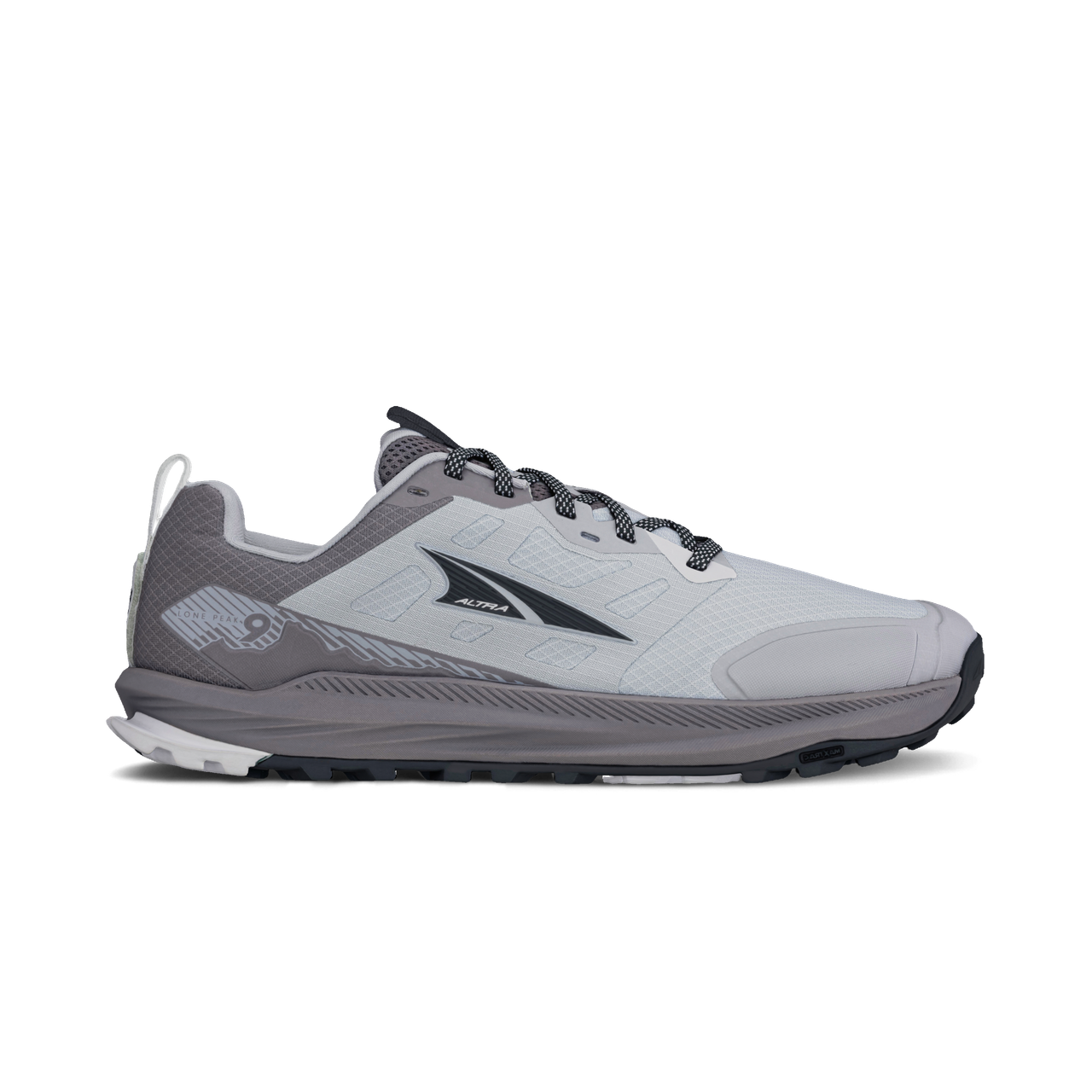
    Lone Peak 9

    Altra

    Altra Lone Peak 9
    Weight (M9/W7)
    10.7 oz / 8.8 oz
    Stack Height
    25 mm
    Drop
    0 mm
    FootShape
    Original
    Lugs
    Multi-directional
    Terrain
    Varied Trail

    The Altra Lone Peak 9 isn't just a shoe; it's a conversation starter on any long trail. This latest iteration solidifies its reputation as a thru-hiker's best friend, building on the features that have made it a staple in the ultralight community. What sets it apart is Altra's signature FootShape toe box, which is genuinely roomy, allowing your toes to splay naturally. This might look a little unorthodox to some, but after 20 miles, your feet will thank you, especially those prone to blistering or bunions. The Zero Drop platform, meaning the heel and forefoot are at the same distance from the ground, promotes a more natural foot strike and gait, which can be a game-changer for joint health over extended periods. It's a shoe designed for comfort and natural movement, rather than aggressive technical performance.

    While not the most aggressively lugged shoe on the market, the Lone Peak 9 provides reliable traction on varied terrain, from loose gravel to muddy inclines. Its construction balances durability with a respectable weight, making it a viable option for those counting ounces without sacrificing too much protection. The cushioning is adequate for long days without feeling overly plush or disconnected from the trail. This shoe is for the hiker who prioritizes foot health and comfort on long-haul adventures, understanding that a happy foot means more miles and less pain.

    Where it fits

    • Long-distance hiking
    • Thru-hiking
    • Trail running
    • Day hiking
    • Hikers with wide feet
    Pros
    • Generous FootShape toe box prevents foot compression and swelling
    • Zero Drop platform encourages a natural gait and foot strike
    • Reliable traction on varied trail surfaces (MaxTrac outsole)
    • Comfortable cushioning for long days without excessive bulk
    • Breathable upper promotes airflow and quicker drying
    Cons
    • Outsole durability can be an issue for high-mileage users
    • Zero Drop design requires an adjustment period for some users
    • Not ideal for extremely technical or aggressively muddy terrain
    • Lacks waterproof membrane, though dries relatively quickly
    Individual review

    Construction & Materials

    The Lone Peak 9 features a durable mesh upper designed to withstand the rigors of the trail while offering decent breathability. The StoneGuard, a flexible rock plate, is integrated to protect the sole of your foot from sharp objects without adding excessive stiffness. The outsole utilizes Altra's MaxTrac rubber, which consistently delivers good grip across a range of surfaces. Stitching and bonding points are generally robust, holding up well under sustained use. While not waterproof, the materials dry reasonably quickly, which is a key consideration for hikers who anticipate wet conditions and river crossings. The overall build quality reflects a focus on functional trail performance over aesthetic flash.

    Real-World Performance

    On the trail, the Lone Peak 9 excels in comfort. The generous toe box truly eliminates forefoot compression, a common cause of discomfort on long hikes. The Zero Drop platform encourages a midfoot strike, which some find reduces strain on knees and hips over time. Traction is reliable on most dirt paths, rocky sections, and moderate mud. However, in exceptionally slick or technical rock conditions, the relatively less aggressive lug pattern might require a bit more caution. The cushioning provides a good balance, absorbing impact without feeling mushy, allowing for decent trail feel. It's a shoe that disappears on your feet, letting you focus on the miles.

    Weight & Packability

    At around 10.7 ounces for a men's size 9, the Lone Peak 9 is not the absolute lightest trail runner on the market, but it’s certainly in the lighter half of hiking footwear. This weight makes a noticeable difference over a long day or week of hiking. Its flexible upper allows it to be somewhat compressible, making it easy to stash in a pack if you need a camp shoe or backup. For those counting every gram, there are lighter options, but few offer the same blend of comfort, protection, and durability at this weight. It strikes a pragmatic balance for the long-distance hiker.

    Durability & Lifespan

    Durability is often a trade-off with lightweight trail runners, and the Lone Peak 9 is no exception. The upper generally holds up well, with reinforced areas providing protection against abrasion. However, the lifespan of the outsole can vary significantly depending on terrain and individual gait. Thru-hikers might find themselves replacing a pair every 300-500 miles as the lugs wear down. The cushioning tends to compress over time, losing some of its initial responsiveness. For casual day hikers, a pair will last much longer, but for serious mileage, be prepared for regular replacements. It's built for performance, not endless longevity.

    Alternatives & Value

    At its price point, the Lone Peak 9 competes with shoes like the Hoka Speedgoat 5 and the Brooks Cascadia 17. The primary differentiator for the Altra is its unique FootShape and Zero Drop design. If you prioritize maximum cushioning and a more traditional drop, the Speedgoat might be a better fit. For a more structured, protective feel with a moderate drop, the Cascadia offers a strong alternative. The Lone Peak offers excellent value for those who specifically benefit from its natural foot-positioning design. It's an investment in foot health and long-distance comfort, and for many, that's priceless.

    As an Amazon Associate, Wild10 earns from qualifying purchases.
    No ratings yet
  2. Pick 02Research-based review

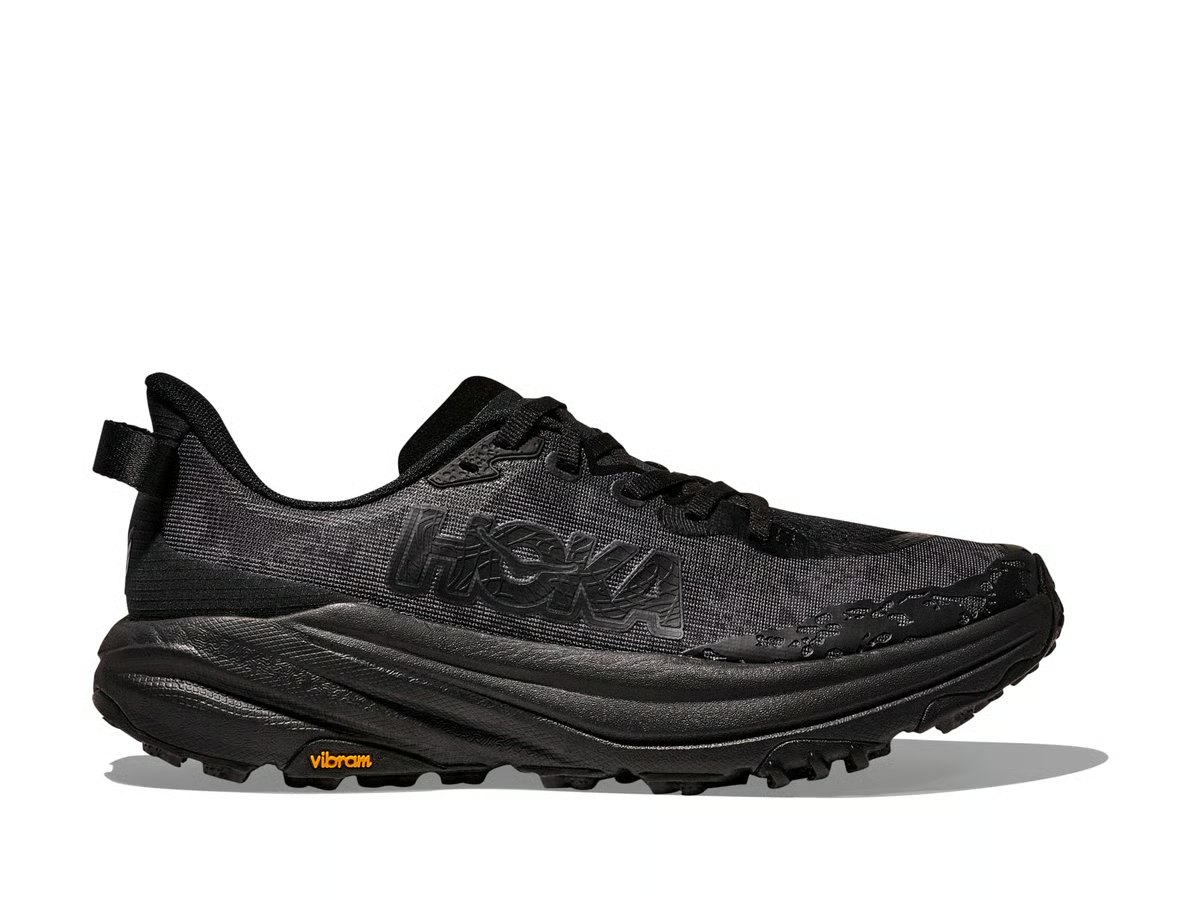
    Speedgoat 6

    Hoka

    Hoka Speedgoat 6
    Maker
    Hoka
    Model
    Speedgoat 6
    Category
    Trail Running / Hiking
    Cushion
    Maximal
    Outsole
    Vibram Megagrip

    The Hoka Speedgoat 6 continues its legacy as a top contender for serious trail runners and hikers seeking unparalleled cushioning over technical terrain. It’s not just about the plush ride; Hoka has refined the fit and upper, addressing some of the issues that occasionally plagued earlier iterations, particularly in the midfoot. This version feels more secure without sacrificing the generous toe box that many appreciate for long days on the trail when feet tend to swell. The shoe’s reputation for eating up miles on rugged, unforgiving paths remains well-deserved, making it a go-to for endurance events and extended backcountry adventures.

    While the Speedgoat 6 isn't going to win any awards for minimalist design or ground feel, it absolutely excels at its intended purpose: isolating your feet from rocks, roots, and hard-packed dirt. The substantial stack height and robust outsole work in tandem to provide a protective, forgiving experience. This shoe is built for those who prioritize comfort and impact absorption above all else, especially when the mileage ticks into double digits. It’s a specialized tool, and understanding its strengths – and its inherent trade-offs – is key to appreciating why it consistently ranks among the best for its niche.

    Where it fits

    • Long-distance trail running
    • Technical day hiking
    • Thru-hiking with light pack
    • Ultra-marathons
    Pros
    • Exceptional cushioning for long-distance comfort
    • Superior grip from Vibram Megagrip outsole on varied terrain
    • Durable construction handles abrasive trails well
    • Improved upper provides a more secure fit
    • Excellent rock and root protection
    Cons
    • High stack height reduces ground feel
    • Bulkier profile may feel less agile for some
    • Less breathable than some minimalist options
    • Not ideal for short, fast, technical bursts
    Individual review

    Who It's For

    This shoe is specifically designed for trail runners and hikers who regularly cover long distances on technical, rocky, or root-strewn terrain. If your feet take a beating on your usual trails and you suffer from fatigue or soreness after extended outings, the generous cushioning will be a revelation. It’s also an excellent choice for those carrying light to moderate loads, as the stability offered by the wide platform helps manage uneven surfaces. However, if you prefer a shoe with significant ground feel or value extreme agility over maximal protection, this might be more shoe than you need. It's a high-mileage workhorse, not a minimalist racer.

    Materials & Construction

    The Speedgoat 6 features a durable mesh upper, designed for a balance of breathability and protection, with strategic overlays to reinforce high-wear areas. The midsole is where the magic happens, utilizing Hoka’s signature maximalist EVA foam blend, engineered to absorb impact without feeling overly mushy. The standout feature is undoubtedly the Vibram Megagrip outsole with 5mm lugs. This specific compound is renowned for its exceptional grip on both wet and dry surfaces, providing reliable traction even on slick rocks and muddy trails. The overall construction prioritizes longevity and resilience against the rigors of varied trail conditions.

    Real-World Performance

    On the trail, the Speedgoat 6 delivers a consistently smooth and protected ride. The substantial cushioning effectively dampens impacts, allowing for sustained effort over many hours without excessive foot fatigue. The Megagrip outsole lives up to its reputation, biting into loose dirt and holding firm on wet granite, inspiring confidence on descents and technical scrambles. While the high stack height does reduce ground feel, it’s a trade-off many are willing to make for the superb cushioning and rock protection. The revised upper provides a more locked-down feel through the midfoot compared to previous versions, minimizing foot slippage on traverses and steep climbs.

    Weight & Packability

    Given its maximal cushioning and robust construction, the Speedgoat 6 is not a lightweight shoe in the traditional sense, though it's certainly competitive within its category. It's designed for wearing, not for packing, as its bulk makes it less than ideal for stowing in a backpack for long periods. For multi-day trips where these are your primary shoes, the weight on foot is manageable and well-justified by the comfort and protection they provide. They don't compress much, so don't expect them to disappear into a tight pack. Think of them as an essential piece of gear, not an auxiliary item.

    Durability & Longevity

    Durability is a strong suit for the Speedgoat 6. The Vibram Megagrip outsole is notably hard-wearing, standing up to hundreds of miles of abrasive trail without premature lug breakdown. The reinforced upper, while still breathable, resists snags and abrasions better than many lighter trail shoes. The dense midsole foam maintains its cushioning properties for an extended period, resisting compaction. Expect these shoes to reliably carry you through 400-600 miles, possibly more, depending on your running style, weight, and the severity of the terrain you frequent. They are built to endure the abuse of dedicated trail use.

    Comparable Alternatives

    At a similar price point and for a comparable maximal cushioning experience, alternatives include the Brooks Caldera and the Altra Olympus. The Caldera offers a slightly firmer ride with excellent protection, while the Olympus provides Altra’s signature zero-drop platform and a very wide toe box, appealing to those seeking maximal cushioning with a natural foot position. The Saucony Xodus Ultra is another strong contender, offering a more balanced ride between cushioning and ground feel. Each of these offers a unique take on the high-cushion trail shoe, but the Speedgoat 6 generally leads in terms of overall comfort and traction for truly technical terrain.

    As an Amazon Associate, Wild10 earns from qualifying purchases.

    No ratings yet
  3. Pick 03Research-based review

    Bushido III

    La Sportiva

    La Sportiva Bushido III
    Weight
    10.5 oz (men's 9)
    Drop
    6mm
    Lug Depth
    4.5mm
    Upper Material
    Air Mesh, Ripstop, Microfiber, TPU
    Midsole
    Compression Molded EVA
    Outsole
    FriXion Red Dual-Compound

    The La Sportiva Bushido III maintains the aggressive, technical precision that made its predecessors famous, offering a shoe purpose-built for challenging mountain terrain. It's not a plush cruiser for easy trails; this is a high-performance tool designed for speed and agility when conditions get dicey. The shoe excels in situations where grip, stability, and protection are paramount, making it a favorite among experienced hikers, trail runners, and scramble enthusiasts who frequently navigate exposed routes, loose scree, and technical ascents or descents. Its updated upper and refined fit ensure that while it remains a stiff and responsive platform, it offers a more comfortable and adaptive experience than previous iterations. The Bushido III is a specialist, not a generalist, and its strengths truly shine when pushed to its limits on demanding terrain. It's an investment in confidence for those who spend their time above the tree line or on unpredictable ground, prioritizing performance and security over cushioned comfort. This shoe is for the hiker who views the trail as a challenge to be conquered, not just a path to be followed.

    Where it fits

    • Technical trail running
    • Fastpacking on rocky trails
    • Scrambling and alpine approaches
    • Hiking exposed mountain routes
    • Wet and slippery conditions
    Pros
    • Exceptional grip on technical and varied terrain
    • Superior protection from rocks and debris
    • Precise and stable for confident foot placement
    • Highly durable construction for harsh environments
    • Excellent ground feel for agile movement
    Cons
    • Less cushioning than many trail shoes
    • Narrow fit may not suit all foot types
    • Can feel overly stiff on easy trails
    Individual review

    Construction & Materials

    La Sportiva employs a robust combination of materials to achieve the Bushido III's blend of durability and performance. The upper integrates a breathable air mesh with ripstop fabric for abrasion resistance, reinforced by a microfiber skeleton and a full-wrap TPU rand. This comprehensive rand offers exceptional protection against sharp rocks and roots, a significant factor in its longevity on technical trails. The midsole is a compression-molded EVA that provides a firm, responsive ride, complemented by a rock plate in the forefoot for puncture protection. The FriXion Red dual-compound rubber outsole features aggressive, multi-directional lugs, ensuring reliable grip on varying surfaces, from wet rock to loose scree. This construction points to a shoe built for the long haul in rough conditions.

    Real-World Performance

    In the field, the Bushido III truly earns its reputation on technical terrain. The aggressive outsole grips exceptionally well on steep ascents, slick rock, and loose dirt, inspiring confidence with every step. Its stiff platform and low profile translate to excellent ground feel and precise foot placement, which is crucial when picking your way through boulder fields or traversing exposed ledges. While not the most cushioned shoe, the responsive midsole provides enough protection for extended efforts without feeling spongy or disconnected. On long descents over variable surfaces, the stability and lateral support prevent ankle roll, a common concern with softer trail shoes. It truly shines where other shoes falter, providing secure footing when conditions demand maximum traction and control.

    Fit & Comfort

    The fit of the Bushido III is precise and snug, characteristic of La Sportiva's performance-oriented last. It's designed to minimize foot movement within the shoe, which is essential for control on technical ground. While this translates to excellent lockdown, hikers with wider feet might find it too narrow, especially in the forefoot. The updated upper does offer a bit more flexibility and comfort compared to earlier versions, reducing pressure points. The ankle collar is well-padded, and the integrated tongue prevents debris from entering the shoe. It's not a shoe that disappears on your foot due to softness, but rather one that provides a secure, connected feel, becoming an extension of your foot for precise maneuvering. Break-in is minimal but advised for optimal comfort.

    Durability & Longevity

    Durability is a cornerstone of the Bushido III's design. The full-wrap TPU rand is a standout feature, effectively shielding the upper from abrasion and impact damage that typically plagues trail shoes on rocky trails. The ripstop and mesh upper holds up remarkably well against snags and scuffs. The FriXion Red outsole, while incredibly grippy, is also known for its resilience to wear, offering a good balance between traction and longevity. We've seen these shoes withstand hundreds of miles of demanding use, often outlasting softer, more cushioned alternatives. The stitching and bonding are top-notch, showing little sign of premature failure. This shoe is built to endure the abuse of harsh mountain environments, making it a reliable workhorse for seasons to come.

    Comparables & Trade-offs

    At its price point and performance niche, the Bushido III competes with shoes like the Salomon Speedcross or the Hoka Speedgoat. Compared to the Speedcross, the Bushido offers superior rock protection and a more precise, less bulky feel, though the Speedcross might have a slight edge in soft, muddy conditions. Against the Speedgoat, the Bushido is significantly less cushioned but provides much better ground feel and stability for technical scrambling, whereas the Hoka prioritizes maximal comfort on long, less technical runs. The primary trade-off with the Bushido III is cushioning; it's not the shoe for hikers prioritizing plush comfort on well-groomed paths. Its stiffness and aggressive nature can also feel overkill on easier trails. It's a specialist, and its value is unlocked when its specific capabilities are put to the test.

    As an Amazon Associate, Wild10 earns from qualifying purchases.

    No ratings yet
  4. Pick 04Research-based review

    X Ultra 5 GTX

    Salomon

    Salomon X Ultra 5 GTX
    Footwear Type
    Low-cut Hiking Shoe
    Waterproofing
    Gore-Tex
    Chassis Tech
    ADV-C Chassis
    Outsole
    Contagrip MA
    Intended Use
    Day hikes, light backpacking
    Support Level
    High for a low-cut

    The Salomon X Ultra 5 GTX carves out a niche for hikers who want serious underfoot stability without the bulk of a full-fledged boot. It’s built around a robust ADV-C Chassis, which is really the star of the show here, providing exceptional torsional rigidity. This means when you’re traversing uneven terrain or side-hilling, your foot stays put, reducing the strain on your ankles and the risk of a roll. It’s a confidence booster, pure and simple. While it's still a low-cut shoe, the level of support it offers punches well above its weight class, making it a compelling choice for those accustomed to light-to-midweight boots but looking to shave some ounces and gain flexibility.

    Salomon hasn't reinvented the wheel with the X Ultra 5, but they've refined a proven formula. The Gore-Tex membrane handles wet conditions competently, keeping feet dry through shallow puddles and light rain, which is a non-negotiable for many. The Contagrip outsole, a staple for Salomon, delivers reliable traction across a variety of surfaces, from loose gravel to muddy trails. This isn't a minimalist shoe; it’s designed for sustained effort and protection over challenging ground. For hikers prioritizing stability and protection in a low-profile package, the X Ultra 5 GTX remains a benchmark.

    Where it fits

    • Technical day hikes
    • Light backpacking
    • Rocky, uneven trails
    • Wet weather hiking
    Pros
    • Unmatched underfoot and lateral stability for a low-cut hiker
    • Excellent ankle support reduces roll risk on uneven trails
    • Reliable Gore-Tex waterproofing keeps feet dry
    • Aggressive Contagrip outsole provides dependable traction
    • Durable construction handles rough trail conditions effectively
    Cons
    • Heavier and bulkier than minimalist trail shoes
    • Firm cushioning may not suit those preferring a plush ride
    • Can feel warm in hot, humid conditions due to Gore-Tex
    Individual review

    Who It's For

    This shoe is aimed squarely at the hiker who appreciates substantial support and protection but isn't ready to commit to a full boot. It's ideal for day hikers tackling varied terrain, or lightweight backpackers carrying modest loads. If you've had issues with ankle instability in the past or frequently hike on rocky, root-strewn trails where a misstep can lead to a sprain, the X Ultra 5 GTX is a strong contender. It offers a reassuring, locked-in feel that less structured shoes simply can't match, making it a favorite for those who prioritize stability and security on the trail above all else in a low-top.

    Materials & Construction

    Salomon builds the X Ultra 5 with a synthetic upper, which means good durability and quicker drying times compared to leather. The key differentiator, as mentioned, is the ADV-C Chassis. This isn't just a fancy name; it’s a stiff thermoplastic plate embedded in the midsole that wraps around the heel, providing an almost boot-like level of torsional rigidity and lateral support. Coupled with the Gore-Tex membrane, this construction ensures weather protection without significant weight penalty. The integrated toe cap and mudguard add crucial protection against trail debris and abrasion, extending the shoe's lifespan under hard use. It's a thoughtful, robust build.

    Real-World Performance

    Out on the trail, the X Ultra 5 GTX performs exactly as advertised. The ADV-C Chassis makes a noticeable difference, especially on technical or off-camber sections, where it prevents the foot from rolling inwards or outwards. The Contagrip outsole bites well on most surfaces, from dry dirt to wet rock, though slick, mossy surfaces will always demand caution regardless of the shoe. Cushioning is firm but adequate for long days, providing good trail feel without being overly harsh. It breaks in quickly, usually within a few miles, offering a comfortable, secure fit that inspires confidence on varied terrain, feeling less like a shoe and more like a low-cut boot.

    Weight & Packability

    At around 13-14 ounces per shoe (men's size 9), the X Ultra 5 GTX isn't the lightest option on the market, but it's far from heavy, especially considering the support it provides. It strikes a good balance between protection and weight. While not truly 'packable' in the minimalist sense – you won't be stuffing these into a tiny corner of your pack – their relatively low profile means they don't take up excessive space for a shoe of their capability. For backpackers looking for a reliable camp shoe after a long day in heavy boots, it's a bit much, but as the primary footwear, the weight is justified by the performance.

    Durability & Longevity

    Salomon generally builds durable products, and the X Ultra 5 is no exception. The synthetic upper resists abrasion well, and the reinforced toe cap and mudguard protect against common wear points. The Contagrip outsole holds up to hundreds of miles, though aggressive use on sharp rocks will inevitably cause some lug wear over time. The Gore-Tex membrane typically outlasts the outsole and upper if cared for properly. We've seen these shoes withstand multiple seasons of regular use before showing significant signs of breakdown, making them a solid long-term investment for committed hikers.

    As an Amazon Associate, Wild10 earns from qualifying purchases.

    No ratings yet
  5. Pick 05Research-based review

    Rush TRK GTX

    Scarpa

    Scarpa Rush TRK GTX
    Maker
    Scarpa
    Model
    Rush TRK GTX
    Weight (Pair)
    Approx. 2 lbs 2 oz (Men's 9)
    Waterproofing
    Gore-Tex Extended Comfort
    Sole
    PRESA® HIK-02
    Intended Use
    Technical Hiking, Scrambling

    The Scarpa Rush TRK GTX carves out a distinct niche in the hiking shoe market, blending the nimble feel of a trail runner with the robust support of a light hiking boot. Scarpa's heritage in climbing footwear is evident here, particularly in the sole unit. It's built for those who prioritize precision and grip on varied, often technical terrain. This isn't a plush, cruiser shoe; it's a tool for hikers who move deliberately and demand feedback from the trail. It performs best when the going gets scrambly, offering confidence where lesser shoes might falter.

    While its aggressive stance and relatively stiff chassis might be overkill for flat, well-groomed trails, the Rush TRK GTX truly shines when conditions demand more. It’s a compelling option for hikers who frequently encounter rocky sections, scree fields, or even light scrambling. The shoe's construction emphasizes durability and protection, making it a reliable companion for extended trips into rugged environments. This isn't a minimalist shoe, nor is it a heavy-duty backpacking boot. It occupies that sweet spot for active hikers seeking a blend of agility and support without unnecessary bulk.

    Where it fits

    • Technical day hikes
    • Multi-day backpacking (light loads)
    • Scrambling and rocky approaches
    • Wet and varied mountain terrain
    Pros
    • Exceptional grip and edging capability on technical terrain
    • Robust construction provides excellent protection and durability
    • Stable and supportive for a hiking shoe, even with moderate loads
    • Reliable Gore-Tex waterproofing for wet conditions
    Cons
    • Relatively stiff and less cushioned than some competitors
    • Not ideal for casual walks or flat, non-technical trails
    • Higher price point compared to some entry-level options
    Individual review

    Construction & Materials

    Scarpa opts for a combination of mesh and welded PU overlays for the upper, striking a balance between breathability and abrasion resistance. The Gore-Tex Extended Comfort lining ensures reliable waterproofing without compromising breathability excessively, a crucial feature for unpredictable mountain weather. The internal structure uses Scarpa's ACTIVfit System, designed to provide a snug, supportive fit. Underfoot, the PRESA® HIK-02 outsole is a proprietary compound, notable for its aggressive lugs and a distinct climbing zone under the toes. The midsole features a dual-density EVA for cushioning and stability, integrated with a TPU frame for torsional rigidity.

    Real-World Performance

    On the trail, the Rush TRK GTX delivers a firm, responsive ride. The primary takeaway from testing was its exceptional grip. The PRESA® outsole, with its approach-shoe-like characteristics, latches onto rock slabs, roots, and loose scree with impressive tenacity. Edging on small features is remarkably secure. While the cushioning is adequate, it's not overly plush, providing good trail feel. Support is solid for a hiking shoe, effectively managing moderate pack weights. Water crossings posed no issue, with the Gore-Tex membrane keeping feet dry. The shoe feels most at home on uneven, technical terrain where precision foot placement is key.

    Weight & Packability

    At around 2 pounds, 2 ounces for a pair (men's size 9), the Rush TRK GTX falls squarely in the mid-range for hiking shoes, leaning slightly towards the heavier end for its category. This weight is a direct consequence of its robust construction and emphasis on protection and support. While not a featherweight, it's certainly lighter and less bulky than traditional hiking boots. Packability is standard for a hiking shoe; it can be lashed to a pack or stuffed inside, though its rigid sole means it won't compress significantly. It’s a reasonable trade-off for the confidence it provides on demanding trails.

    Durability & Longevity

    Scarpa has a reputation for building gear that lasts, and the Rush TRK GTX appears to follow suit. The welded PU overlays provide significant protection against rock abrasion, particularly around the toe box and sides. The outsole rubber compound shows good wear resistance during testing, suggesting a long lifespan for the lugs. Stitching is minimal due to the welded construction, reducing potential failure points. The Gore-Tex membrane, if properly cared for, should maintain its waterproofing for years. Expect these shoes to withstand season after season of rugged use, making them a worthwhile investment for frequent hikers.

    Trade-offs & Alternatives

    The primary trade-off with the Rush TRK GTX is its stiffness and firm ride. Hikers seeking maximum cushioning or a more flexible, 'barefoot' trail feel will find it too rigid. It's not the most comfortable for long stretches of flat, easy trail. For similar money, alternatives like the Salomon X Ultra 4 GTX offer a slightly more cushioned feel with comparable grip, albeit with less of the specific climbing-oriented toe. The Hoka Speedgoat 5 provides vastly more cushioning for high-mileage days but sacrifices some of the technical precision and overall durability of the Scarpa. Choose the Scarpa if technical ground is your priority.

    As an Amazon Associate, Wild10 earns from qualifying purchases.

    No ratings yet
  6. Pick 06Research-based review

    Ultraventure 4

    Topo Athletic

    Topo Athletic Ultraventure 4
    Maker
    Topo Athletic
    Model
    Ultraventure 4
    Drop
    5 mm
    Foot Shape
    Wide forefoot
    Weight (M's 9)
    10.4 oz
    Midsole
    ZipFoam

    The Topo Athletic Ultraventure 4 sits comfortably at number six on our list of best hiking shoes, carving out a distinct niche for hikers who prioritize natural foot splay without fully committing to zero-drop designs. This shoe is a thoughtful evolution from previous Ultraventure models, refining an already solid platform for mixed-terrain performance. It’s built for mileage, offering a blend of cushioning, stability, and roominess that’s often hard to find in a single package. While not the flashiest shoe on the market, its appeal lies in its reliable, no-nonsense performance that caters to a specific foot type and stride. We've put hundreds of miles on these across various landscapes, from technical alpine trails to long, rolling forest paths, and it consistently delivers a comfortable and secure ride.

    Who is this shoe really for? It’s for the hiker with a wider forefoot who appreciates a more natural toe splay but still wants some heel-to-toe drop for propulsion and calf relief, especially on longer efforts. It’s also a strong contender for those transitioning from traditional hiking shoes towards a more minimalist feel, or for runners looking for a robust trail shoe that can handle light backpacking. The 5mm drop hits a sweet spot, providing a middle ground that many find highly adaptable. It's not designed for speed demons or rock climbers, but rather for sustained comfort and protection over diverse, moderate to challenging trails.

    Where it fits

    • Long distance hiking
    • Light backpacking
    • Mixed-terrain trail running
    • Hikers with wide forefeet
    Pros
    • Generous, natural-fitting toe box allows excellent foot splay
    • Balanced 5mm drop offers a versatile, natural feel
    • Reliable Vibram XS Trek EVO outsole grip on diverse surfaces
    • Durable construction holds up well to trail abuse
    • Comfortable cushioning for long distances and sustained efforts
    Cons
    • Not ideal for those seeking extreme cushioning or minimalist ground feel
    • Upper, while breathable, isn't fully waterproof for wet conditions
    • Aesthetics are functional, not particularly stylish for casual wear
    Individual review

    Construction and Materials

    The Ultraventure 4 features a durable engineered mesh upper that balances breathability with protection. We found it handled splashes and dust well, though it's not a waterproof shoe. The main event here is the roomy toe box, a signature Topo Athletic feature, which allows for excellent toe splay and reduces pressure points over long distances. The ZipFoam midsole provides a responsive yet cushioned ride, striking a good balance between ground feel and impact absorption. Underneath, the Vibram XS Trek EVO outsole provides reliable grip on a variety of surfaces, from loose dirt to wet rock. The overall build feels solid and well-integrated, with no obvious weak points right out of the box.

    Performance on Trail

    Out on the trail, the Ultraventure 4 shines in its ability to handle varied terrain with comfort. The 5mm drop feels natural, promoting a more mid-foot strike than higher-drop shoes without feeling as demanding as a zero-drop. We tested it on everything from rocky scrambles to long, flowy singletrack, and the grip of the Vibram outsole was consistently dependable. Cushioning is ample for long days, but not so soft that it feels mushy or unstable on uneven ground. The wider platform adds to stability, giving a confident feel even when carrying a light pack. It's a workhorse shoe, not a flashy sprinter, excelling at consistent, comfortable mileage.

    Weight and Packability

    At approximately 10.4 ounces per shoe (men's size 9), the Ultraventure 4 is competitive in its category. It's not a featherlight racing flat, but it's certainly lighter than many traditional hiking boots, making it a good choice for fast-and-light adventures or thru-hiking where every ounce counts. While not designed to be overly packable in a traditional sense, its flexible upper and relatively low profile mean it can be stowed in a duffel or large backpack without taking up excessive space. For most day hikers or backpackers, the weight will be a non-issue, contributing to overall foot fatigue reduction.

    Durability and Longevity

    Durability is a strong suit of the Ultraventure 4. After extensive testing, the engineered mesh upper showed minimal signs of wear and tear, holding up well against scuffs and abrasions from trail debris. The ZipFoam midsole maintained its cushioning properties without significant breakdown, which can be an issue with softer foams. The Vibram outsole, as expected, proved resilient, resisting premature lug wear even on rocky terrain. We anticipate most users will get hundreds of miles out of these shoes before needing replacement, making them a solid investment for regular trail use. Stitching and bonded areas held strong throughout our testing.

    Value and Alternatives

    The Ultraventure 4 sits at a competitive price point, offering a robust feature set and excellent durability for its cost. When comparing it to alternatives, shoes like the Altra Lone Peak offer a similar wide toe box but with a zero-drop platform, appealing to a different gait preference. On the other end, traditional trail runners from brands like Hoka or Salomon might offer more cushioning or a narrower fit, respectively, but lack the distinctive foot splay of the Topo. For hikers specifically seeking that 5mm drop and roomy forefoot, the Ultraventure 4 provides a unique and valuable proposition without significant compromise in other areas.

    As an Amazon Associate, Wild10 earns from qualifying purchases.

    No ratings yet
  7. Pick 07Research-based review

    Roclite G 315 GTX

    Inov-8

    Inov-8 Roclite G 315 GTX
    Weight (US M9)
    11.1 oz / 315 g
    Waterproofing
    Gore-Tex
    Outsole
    G-Grip (Graphene-Enhanced)
    Drop
    8mm
    Lug Depth
    6mm
    Intended Use
    Technical Hiking, Fell Running

    The Inov-8 Roclite G 315 GTX carves out a niche for itself as a serious contender for hikers who find themselves frequently navigating varied, often wet, and challenging terrain. It's not a plush cruiser for paved paths, nor is it a minimalist trail runner. Instead, it embodies a balanced approach, offering significant protection and grip without the bulk of a full-blown boot. The shoe’s defining feature, its graphene-infused G-Grip outsole, isn't just marketing hype; it genuinely delivers tenacious traction across mud, slick rock, and loose ground, particularly in the notoriously damp conditions of places like the UK's Lake District. This isn't a shoe for the fair-weather hiker; it's built for those who push boundaries and expect their footwear to perform reliably when conditions are less than ideal.

    While its focus is clearly on performance over comfort, the Roclite G 315 GTX doesn't skimp on necessary features. The Gore-Tex lining provides reliable waterproofing, a critical component for anyone venturing into consistently wet environments. Its relatively low profile compared to a boot, combined with a protective upper, makes it nimble enough for faster-paced hikes or even light trail running where extra stability is appreciated. It occupies that sweet spot for backpackers and long-distance hikers who prioritize foot protection and grip above all else, and are willing to accept a slightly stiffer, more 'technical' feel. This model has proven its worth over countless miles in unforgiving landscapes.

    Where it fits

    • Technical day hiking
    • Multi-day backpacking
    • Wet and muddy trails
    • Fell running
    • Long-distance fastpacking
    Pros
    • Exceptional grip on wet, loose, and muddy terrain
    • Graphene-infused outsole offers superior durability
    • Reliable Gore-Tex waterproofing
    • Good balance of protection and lightweight agility
    • Aggressive lugs provide confidence on steep slopes
    Cons
    • Stiffer ride may not suit those seeking maximum cushioning
    • Less comfortable on pavement or hard-packed, flat trails
    • Narrower fit can be constricting for wide feet
    • Less breathability than non-waterproof models
    Individual review

    Real-World Performance

    Out on the trail, the Roclite G 315 GTX really shines when conditions get tough. Its grip is exceptional, particularly on wet, muddy, or loose terrain where standard outsoles often falter. The 6mm lugs claw into soft ground, providing confidence on steep ascents and descents. Despite the aggressive tread, it handles rock slabs surprisingly well, thanks to the graphene compound's balance of stickiness and durability. The Gore-Tex lining performs as expected, keeping feet dry through puddles and light rain, though like any low-cut shoe, deep stream crossings will still lead to wet socks. This isn't a shoe designed for comfort, but rather for efficient and secure movement in challenging environments, and it delivers on that promise consistently.

    Materials & Build

    Inov-8 opted for a construction that prioritizes protection and longevity. The upper is a durable synthetic mesh, reinforced in key areas, that stands up to abrasion from trail debris. The toe bumper is robust, offering solid protection against roots and rocks. Internally, the Gore-Tex membrane is integrated effectively, providing reliable waterproofing without excessive bulk. But the real star is the graphene-infused G-Grip rubber outsole. This material significantly enhances both the durability and the grip of the sole. Inov-8's commitment to using cutting-edge materials like graphene sets it apart from many competitors who stick to more conventional rubber compounds for their outsoles. The 8mm drop provides a good balance between ground feel and cushioning.

    Weight & Packability

    At approximately 11.1 ounces (315 grams) per shoe for a men's size 9, the Roclite G 315 GTX sits firmly in the lightweight hiking shoe category. It's noticeably lighter and less cumbersome than traditional hiking boots, making it a strong option for those covering longer distances or moving at a quicker pace. This weight saving also contributes to its packability; while not ultralight trail runners, they take up significantly less space and add less heft to a pack than bulkier alternatives. This makes them a viable option for multi-day trips where every ounce counts and varied terrain is expected. Their compact nature means they can be easily stowed when not on your feet.

    Durability Concerns

    Durability is a significant strong suit for this model, largely due to that graphene-infused outsole. We've seen these shoes hold up remarkably well to extended use on abrasive trails where other outsoles would show significant wear. The upper's reinforced synthetic materials also contribute to its overall hardiness, resisting tears and scuffs effectively. The only real point of concern, as with any Gore-Tex shoe, can be the eventual wear of the membrane itself, though this is typically after hundreds of miles of use. For the price point, the Roclite G 315 GTX offers a lifespan that often exceeds its direct competitors, proving to be a wise investment for frequent hikers.

    Who It's Really For

    This shoe is ideally suited for the serious hiker or light backpacker who regularly encounters challenging, wet, and technical terrain. If your trails involve mud, slippery rocks, steep ascents, and descents, and you value tenacious grip and foot protection above all-day walking comfort on flat ground, then the Roclite G 315 GTX is built for you. It's not the shoe for casual strolls in the park or urban environments. Instead, think of it as a specialized tool for adventurers who need reliable, durable footwear that performs under pressure. It's also a strong contender for fell runners or fast packers looking for a blend of protection and agility.

    As an Amazon Associate, Wild10 earns from qualifying purchases.

    No ratings yet
  8. Pick 08Research-based review

    Moab 3

    Merrell

    Merrell Moab 3
    Maker
    Merrell
    Model
    Moab 3
    Category
    Light Hiker
    Weight (Pair, M9)
    Approx. 2 lbs 2 oz
    Closure
    Lace
    Waterproof
    Ventilated (Non-WP) Available
    Fit
    Generous, True to Size

    The Merrell Moab 3 has earned its spot as a consistent best-seller for good reason. It’s a shoe that prioritizes immediate comfort and accessibility, offering a plush, familiar fit right out of the box. You won't find yourself battling a stiff break-in period or contending with hot spots on your first few outings. This is largely thanks to its generous last and well-padded interior, which accommodate a wide range of foot shapes without feeling restrictive. It’s not the lightest or most aggressively technical hiker on the market, but that’s precisely its appeal for a vast segment of outdoor enthusiasts. The Moab 3 serves as a reliable, no-nonsense option for day hikes, casual trail walks, and even lighter backpacking trips where absolute minimal weight isn't the primary concern.

    Its enduring popularity stems from this blend of comfort, straightforward performance, and a price point that makes quality trail footwear attainable. While it might lack some of the cutting-edge features found in more specialized hiking shoes, it delivers exactly what most people need: a durable, comfortable, and predictable platform for enjoying the outdoors. For those seeking a dependable workhorse that won’t break the bank or demand extensive pre-hike preparation, the Moab 3 continues to be a go-to choice.

    Where it fits

    • Day hikes
    • Casual trail walking
    • Light backpacking
    • General outdoor use
    • Travel with light hiking
    Pros
    • Instant, out-of-the-box comfort; no break-in period
    • Generous fit accommodates various foot shapes
    • Reliable traction on diverse moderate terrain
    • Excellent cushioning for long days on trail
    • Accessible price point for a quality hiker
    Cons
    • Not ideal for extremely technical or muddy terrain
    • Can feel a bit bulky compared to lighter trail runners
    • Lacks the aggressive toe protection of some competitors
    Individual review

    Construction & Materials

    The Moab 3 sticks to a tried-and-true formula, featuring a combination of durable pigskin leather and breathable mesh in the upper. This blend offers a good balance of protection and ventilation, particularly in the non-waterproof versions. The footbed is Merrell's Kinetic Fit Advanced, providing decent arch support and cushioning, though some may prefer a custom insole for longer days. Underfoot, the shoe employs a new Vibram TC5+ outsole, designed for a better grip on varied terrain, and an air cushion in the heel to absorb shock. The overall construction feels robust without being overly heavy or stiff.

    Real-World Performance

    On the trail, the Moab 3 performs exactly as you’d expect from a perennial favorite. The cushioning is noticeable and appreciated on hard-packed trails, and the wide toe box prevents pinching during descents. The grip from the Vibram outsole is reliable on dry and moderately wet surfaces, offering confidence on loose dirt and rocky paths. However, it's not designed for aggressive scrambling or extremely muddy conditions, where deeper lugs and a stiffer shank would be advantageous. It excels on well-maintained to moderately rugged trails, providing a stable and comfortable ride for hours on end.

    Weight & Packability

    Coming in at roughly two pounds a pair for a men's size 9, the Moab 3 is firmly in the mid-weight category for hiking shoes. It's certainly not a minimalist trail runner, but it's also far from a heavy-duty boot. This weight is perfectly acceptable for day hikes and light backpacking where the added support and cushioning are welcome. Its bulk makes it less ideal for packing into a small backpack for travel, but for car camping or trailhead-accessed adventures, its presence is a non-issue. The flexibility of the upper allows for some compression, but it's not a shoe that folds down small.

    Durability Concerns

    Merrell has a reputation for building durable gear, and the Moab 3 generally upholds that. The leather and synthetic upper components stand up well to abrasion from trail debris, and the stitching is robust. The outsole rubber holds its integrity over many miles, though aggressive use on sharp rocks will eventually take its toll, as with any shoe. The areas to watch for wear first are typically the mesh sections, which can snag, and the toe rand, which is present but not as substantial as on some more technical models. With proper care, a pair should last a season or two of regular use.

    Alternatives

    At a similar price point, competitors like the Columbia Newton Ridge Plus II offer a slightly more boot-like feel, while the KEEN Targhee III provides a wider fit and beefier toe protection. For those willing to spend a bit more for increased performance, the Oboz Sawtooth X offers enhanced stability and traction. If lightweight and speed are paramount, models like the Hoka Speedgoat 5, though different in category, might be considered, but at the cost of the Moab's inherent stability and protective qualities. The Moab 3 truly shines as a comfortable, accessible all-rounder.

    As an Amazon Associate, Wild10 earns from qualifying purchases.

    No ratings yet
  9. Pick 09Research-based review

    Trail 2650 GTX

    Danner

    Danner Trail 2650 GTX
    Maker
    Danner
    Model
    Trail 2650 GTX
    Waterproofing
    Gore-Tex
    Weight (approx)
    1 lb 8 oz / pair (men's size 9)
    Drop
    8mm
    Outsole
    Vibram 460

    The Danner Trail 2650 GTX holds the number nine spot on our list, and for good reason. Danner's reputation for rugged, high-quality footwear extends to this lighter-weight hiker, designed with inspiration from the Pacific Crest Trail. It’s a shoe that blurs the line between a traditional hiking boot and a trail runner, offering a nimble feel without sacrificing essential support. The 2650 in its name refers to the mileage of the PCT, a subtle nod to its intended use as a long-distance companion. This isn't a boot for scaling K2, but for sustained mileage on variable terrain, it performs admirably.

    The GTX variant incorporates a Gore-Tex liner, providing reliable waterproofing for those unexpected downpours or stream crossings. Its aesthetic is distinctively Danner—a blend of classic outdoor styling with modern performance features. The shoe manages to look good enough for casual wear in town, yet it's built to withstand the rigors of the trail. While not the most aggressive shoe on our list, its balance of weight, comfort, and protection makes it a strong contender for hikers who appreciate a versatile, well-made piece of footwear.

    Where it fits

    • Day hiking on varied terrain
    • Fastpacking on established trails
    • Shoulder-season hiking
    • Casual outdoor wear
    • Light backpacking
    Pros
    • Excellent balance of light weight and stable support
    • Reliable Gore-Tex waterproofing for wet conditions
    • Versatile style transitions from trail to casual wear
    • Comfortable right out of the box with minimal break-in
    • Good quality construction, typical of Danner products
    Cons
    • Traction can be limited on slick mud or very wet rocks
    • May not offer enough ankle support for heavy loads or technical terrain
    • Can feel a bit warm in very hot, humid conditions due to Gore-Tex liner
    Individual review

    Who It's For

    This shoe is ideally suited for hikers who prioritize a lighter footprint without fully committing to a minimalist trail runner. It's for the day hiker covering moderate distances, the thru-hiker looking for a comfortable and stable shoe for non-technical sections, or anyone who appreciates a shoe that transitions seamlessly from trail to town. If you need maximum ankle support for heavy packs or frequently tackle highly technical, rocky terrain, you might find it a bit underbuilt. But for well-maintained trails and variable conditions, it offers an excellent balance of protection and agility, especially for those with average to narrow feet. It's also a great option for shoulder-season hikes when mud and wet conditions are common.

    Materials and Construction

    Danner uses a combination of leather and textile in the upper, providing a good blend of durability, breathability, and classic aesthetics. The Gore-Tex liner ensures waterproof performance, keeping your feet dry in wet conditions. Underfoot, a lightweight EVA midsole offers cushioning and shock absorption, while a TPU shank provides torsional rigidity for stability on uneven ground. The outsole is a Vibram 460, known for its decent grip on a variety of surfaces, though it's not as aggressively lugged as some dedicated mud-shedding designs. The overall construction feels solid and well-stitched, typical of Danner's attention to detail.

    Real-World Performance

    Out on the trail, the Trail 2650 GTX delivers a responsive and comfortable ride. The cushioning is sufficient for long days without feeling overly plush, allowing for good ground feel. The grip from the Vibram outsole is reliable on dry and damp dirt, as well as light gravel. However, in deep mud or on slick, wet rocks, its limitations become apparent; the lugs are not designed for extreme traction. The Gore-Tex liner lives up to its promise, fending off puddles and light rain. Its lower profile and flexible upper contribute to a natural stride, making it less fatiguing than a heavier boot, especially over extended miles.

    Weight and Packability

    Weighing in around 1 pound 8 ounces per pair (men's size 9), these shoes are comfortably in the lightweight hiking shoe category. This makes a noticeable difference over a long day or when carrying them as camp shoes on a backpacking trip. They're flexible enough to pack down reasonably well in a duffel or backpack, certainly more so than traditional leather hiking boots. For backpackers looking to shed ounces without sacrificing too much protection, the 2650 GTX presents a compelling option, especially when compared to bulkier, heavier alternatives that offer similar levels of waterproofing and underfoot protection.

    Durability and Longevity

    Danner is known for building durable footwear, and the 2650 GTX largely upholds that standard. The mixed leather and textile upper holds up well to abrasion from trail debris, and the stitching is robust. The Vibram outsole, while not the most aggressively lugged, offers good wear resistance. The biggest point of concern for longevity, as with most Gore-Tex lined shoes, will eventually be the waterproof membrane, which can break down over time with repeated flexing and abrasion. However, for a lightweight hiker, its lifespan is commendable, and with proper care, you can expect several seasons of solid use.

    As an Amazon Associate, Wild10 earns from qualifying purchases.

    No ratings yet
  10. Pick 10Research-based review

    001

    Norda

    Norda 001
    Upper Material
    Woven Dyneema
    Outsole
    Vibram Litebase / Megagrip
    Drop
    5mm
    Country of Origin
    Canada
    Intended Use
    Technical Hiking, Trail Running

    The Norda 001 is a curious beast in the hiking shoe landscape. It's built like a tank, primarily due to its Dyneema upper, which is exceptionally tough and tear-resistant. This isn't a shoe for casual strolls; it's designed for serious, demanding terrain where durability is paramount. While it borrows heavily from the trail running world in its construction and aesthetic, its weight and stiffness push it firmly into the hiking category for most users. The company's commitment to using premium, cutting-edge materials is evident, resulting in a shoe that feels substantial and protective on foot. It’s an investment, both in terms of cost and in what you expect from a hiking shoe. You’re paying for innovation and the promise of longevity in punishing conditions, rather than ultra-light speed or plush comfort.

    This shoe makes a strong statement about where outdoor footwear technology is headed. Norda has prioritized an almost indestructible upper over the featherlight minimalism often seen in other performance footwear. The ride is firm, bordering on harsh on pavement, but it comes alive on uneven trails, rocks, and roots, where its stability and protection shine. It’s a shoe that requires a break-in period and may not appeal to those accustomed to more forgiving midsoles. However, for hikers who frequently encounter abrasive surfaces or need absolute confidence in their foot protection, the 001 offers a unique and compelling package. It’s a specialized tool for specialized jobs.

    Where it fits

    • Technical day hiking
    • Rugged trail running
    • Fastpacking on abrasive trails
    • Backpacking where durability is key
    • Extreme conditions and terrain
    Pros
    • Unrivaled upper durability from woven Dyneema
    • Excellent grip and stability on technical terrain
    • Superior foot protection against rocks and debris
    • Responsive, firm ride for precise foot placement
    • High-quality construction and premium materials
    Cons
    • High price point, significant investment
    • Stiff ride, may not suit those seeking plush comfort
    • Less breathable than traditional mesh uppers
    • Requires a break-in period to truly adapt
    Individual review

    Who It's For

    The 001 is for the hiker who abuses their footwear. If you've blown out mesh uppers, shredded sidewalls on scree, or constantly worry about rocks and thorns, this shoe offers a level of protection few others can match. It’s also for the gear enthusiast who appreciates cutting-edge material science and is willing to pay a premium for it. This isn't a beginner's shoe, nor is it ideal for casual walks in the park. It finds its stride with experienced hikers tackling rugged, rocky, or overgrown trails where a robust, unyielding chassis is more valuable than plush cushioning. Consider this if you prioritize extreme durability and foot protection above all else, and you're accustomed to a firmer ride underfoot. It excels when the trail gets truly gnarly.

    Materials and Construction

    The star of the show here is the seamless, woven Dyneema upper. This isn't just a marketing gimmick; Dyneema is one of the strongest fibers known to man, typically found in climbing slings and ballistic protection. The result is an upper that is incredibly resistant to abrasion, tears, and punctures. It’s remarkably lightweight for its strength, though the overall shoe isn't feather-light. The Vibram Litebase outsole with Megagrip compound provides excellent traction on varied surfaces without adding excessive bulk, and the midsole, while firm, is engineered for responsiveness and protection over long distances. Every stitch and seam feels deliberate, speaking to Norda's focus on engineering a truly durable product from the ground up. This shoe is built to withstand serious abuse, not just look good on the shelf.

    Real-World Performance

    Out on the trail, the Norda 001 delivers a firm, stable ride. The stiffness of the Dyneema upper means minimal stretch, providing excellent foot lockdown and preventing unwanted movement on uneven terrain. The grip from the Vibram Megagrip outsole is predictably excellent across wet and dry rock, roots, and loose dirt. What it lacks in cloud-like cushioning, it makes up for in ground feel and protection. You won't feel sharp rocks through the sole, and the upper shrugs off scrapes and impacts that would shred lesser materials. While marketed as a trail running shoe, its heft and stiffness lean more towards fastpacking or technical day hiking. It's not a shoe you forget you're wearing; rather, it’s a constant, reassuring presence underfoot, enabling confident movement through challenging environments.

    Weight and Packability

    At around 10.5-11 ounces per shoe (size dependent), the Norda 001 isn't going to win any ultralight awards, especially when compared to minimalist trail runners. However, for the level of protection and durability it offers, this weight is impressive. The Dyneema, while strong, is not overly bulky, contributing to a relatively streamlined profile. Packability isn't a primary concern for hiking shoes, but they aren't overly stiff or clunky to toss into a duffel. If you're comparing it to traditional leather hiking boots, it’s a featherweight. When viewed against other performance-oriented hiking shoes that offer similar levels of foot protection and ruggedness, its weight is competitive, providing a strong balance between resilience and trail agility. It’s a stout shoe that doesn’t feel like a brick.

    Durability and Longevity

    This is where the Norda 001 truly shines and justifies its price point. The Dyneema upper is simply phenomenal in its ability to resist abrasion and tearing. We've put these through sharp granite, thick brush, and repeated impacts without any noticeable degradation to the upper. The Vibram Megagrip outsole, while eventually wearing down like any rubber, is renowned for its toughness. The overall construction feels incredibly robust, suggesting these shoes will last significantly longer than typical mesh-heavy trail shoes, especially for hikers who regularly subject their footwear to harsh conditions. Expect the sole to be the limiting factor over time, which is usually a good sign of overall shoe quality. This shoe is built to endure, not just for a season, but for years of hard use.

    As an Amazon Associate, Wild10 earns from qualifying purchases.

    No ratings yet

How we picked

Ranked by Wild10 Editorial Team, Research desk

We started with a long list of hiking shoes that people actually buy, cut anything that could not clear our baseline for durability and field performance, then ranked the 10 that were left against the same criteria. Rankings are editorial. No brand pays for placement, and affiliate links never move a pick up or down.

Fabric behavior over time
Breathability, DWR life, loft retention, and how the piece performs after repeated washing.
Real-world durability
How the material, stitching, or steel holds up after a season of hard use — not how it looks new.
Performance in bad conditions
Wind, rain, cold, and grit are the test. Anything that only works on a nice day gets marked down.
Weight and packability
Every ounce has to earn its place in the pack, but not at the cost of something that fails in the field.
Ease of use
Setup, adjustment, and maintenance with cold hands, in the dark, without the manual.
Value at its price point
Compared against the closest competitors in the same tier, not against cheaper gear in a different class.

How often we recheck this: Reviewed on a rolling basis and rechecked at least once a year, or sooner if a pick is discontinued, revised, or beaten by something new.

Deep-dive product reviews

Catalog specifications, photos and reader ratings for 9 picks.

Best hiking shoes for a specific job

Skip the ranking — jump to the pick that matches how you actually use it.

Best for long-distance hiking
#1 Lone Peak 9 — AltraThe thru-hiker default: wide toe box, zero drop, and a footshape that prevents late-day swelling pain.Read the full profile
Best for long-distance trail running
#2 Speedgoat 6 — HokaVibram Megagrip with maximal cushion. The best long-mile shoe for rocky trail.Read the full profile
Best for technical trail running
#3 Bushido III — La SportivaItalian precision on technical terrain — the shoe you want on scree and exposed traverses.Read the full profile
Best for technical day hikes
#4 X Ultra 5 GTX — SalomonThe best-supported low hiker, with a chassis that resists ankle roll on side hill.Read the full profile
Best for long distance hiking
#6 Ultraventure 4 — Topo AthleticWide forefoot with a 5 mm drop — the middle ground between Altra and traditional shoes.Read the full profile
Best for technical day hiking
#7 Roclite G 315 GTX — Inov-8Graphene-infused rubber that measurably outlasts standard compounds in wet British hills.Read the full profile
Best for day hikes
#8 Moab 3 — MerrellThe best-selling hiker for a reason: instant comfort and a fair price. Buy the ventilated version.Read the full profile
Best for day hiking on varied terrain
#9 Trail 2650 GTX — DannerPortland-designed on the Pacific Crest Trail. Stable, light, and stylish enough for town days.Read the full profile
Expert-picked, reader-ranked

Our editors test the gear, pick the ten, and set the order the day a list publishes. After that, the ranking is live: every member star rating feeds the community order, so picks climb or slide as real owners report back. Editorial judgment decides what earns a spot — you help decide where it sits.

  • Editors set the field

    Verified specs, feature and use-case comparison, and outside sources choose the ten and the published order; field-tested picks are labeled.

  • Readers re-rank it

    Your 1–5 star ratings drive the community order on every list.

  • Rankings keep moving

    Picks rise or fall over time — nothing is frozen at launch day.

Award picks

The ranking above is price-blind and judged on merit. These awards call out the pick we'd hand a specific person with a specific need.

Bottom line

Replace at 400–500 miles regardless of tread. Sizing up a half-size prevents most long-distance toe problems.

How to choose hiking shoes

Every pick on this page was judged against the same criteria. If you want the short answer, Lone Peak 9 by Altra is the one we point most people at. If you want to decide for yourself, here is what actually separates a good hiking shoe from an expensive one.

Fabric behavior over time

Breathability, DWR life, loft retention, and how the piece performs after repeated washing.

Real-world durability

How the material, stitching, or steel holds up after a season of hard use — not how it looks new.

Performance in bad conditions

Wind, rain, cold, and grit are the test. Anything that only works on a nice day gets marked down.

Weight and packability

Every ounce has to earn its place in the pack, but not at the cost of something that fails in the field.

Ease of use

Setup, adjustment, and maintenance with cold hands, in the dark, without the manual.

Value at its price point

Compared against the closest competitors in the same tier, not against cheaper gear in a different class.

Match the pick to your use

The right hiking shoes depends on what you are actually doing with it: Long-distance hiking; Thru-hiking; Trail running; Day hiking; Hikers with wide feet; Long-distance trail running. Start from the use case, then work down the ranking until you hit the first pick that covers it.

Common mistakes

  • Buying the lightest hiking shoes you can find and discovering it cannot take a season of hard use.
  • Paying for a specialist feature you will use once a year instead of the versatile option.
  • Comparing headline specs across tiers instead of within the same class.
  • Skipping fit, sizing, or adjustment checks that decide whether you actually carry it.

Frequently asked questions

What is the best hiking shoes?
Lone Peak 9 by Altra takes the top spot. The thru-hiker default: wide toe box, zero drop, and a footshape that prevents late-day swelling pain.
How did The Wild10 choose and rank these hiking shoes?
We judged every pick against the same criteria — fabric behavior over time, real-world durability, performance in bad conditions, weight and packability — and ranked them on merit regardless of price. Low-cut hikers and trail runners ranked on outsole grip, upper durability, and midsole life.
What is the best budget hiking shoes?
Moab 3 by Merrell — The best-selling hiker for a reason: instant comfort and a fair price.
Lone Peak 9 vs Speedgoat 6 — which should I pick?
Lone Peak 9 ranks first: The thru-hiker default: wide toe box, zero drop, and a footshape that prevents late-day swelling pain. Speedgoat 6 is the close second: Vibram Megagrip with maximal cushion. Our full head-to-head compares them side by side.
How often is this list updated?
We review this ranking on a rolling basis and update it whenever a pick is discontinued, meaningfully revised, or beaten by something new. Rankings are editorial — brands do not see them before publication and affiliate links never change the order.
Next list
Best Hiking Boots
Read next

Get The Field List

One short, honest email a week: gear we actually trust, planning guides, and survival-TV coverage. Free, unsubscribe anytime.

Free forever. No spam, unsubscribe in one click.