



Reader rating
Rate it and you move it. Community ratings re-rank this product inside its Top 10 list.
Expert-picked, reader-ranked. Our editors choose the products and the launch order; member star ratings move picks up or down over time.
HD 210 plunges hunters into the heart of the Bob Marshall Wilderness Complex, offering an unparalleled backcountry elk experience. This is serious wilderness hunting, characterized by vast, untracked forests, high mountain meadows, and rugged river drainages. Expect to pack in by foot or horse, often 10+ miles, leaving the crowds far behind. The sheer scale of the landscape means elk have ample room to roam and are less impacted by human pressure once you're deep inside. This unit holds excellent numbers of elk and good bull quality for those willing to earn it. Access points are typically around the Hungry Horse Reservoir or from the east side near Benchmark. Weather is a major factor; expect cold, wet conditions, and early snow is common. Hunters must be entirely self-sufficient, proficient in wilderness navigation, and prepared for emergencies. Outfitters operate here, but DIY opportunities are immense for skilled backpack hunters. This unit requires a general tag, making it accessible but demanding. Success hinges on finding elk in their remote haunts and having the stamina to pursue them. Best access points are Benchmark (east side) or Holland Lake/Condon (west side). Ideal season is late archery or early to mid-general rifle season before heavy snows make travel too difficult. This is for advanced, highly-fit hunters with wilderness experience. Permits are standard general tags. Trade-offs include extreme remoteness, harsh weather, and the physical demands of packing in and out.
Pros
- Unparalleled wilderness hunting experience, deep solitude
- Excellent elk numbers and potential for quality bulls
- True backcountry adventure, far from crowds
- Physically demanding, highly rewarding hunt
- General tag accessibility for DIY hunters
Cons
- Extreme remoteness, demanding physical effort for access
- Highly unpredictable and harsh mountain weather
- Requires advanced wilderness navigation and survival skills
- Bear country: constant vigilance and mitigation necessary
Best uses
- Extended backcountry elk hunts
- Self-sufficient wilderness expeditions
- Developing advanced outdoor skills
- Escape from crowded hunting areas
Specifications
- Location
- NW Montana, Bob Marshall Wilderness
- Primary Game
- Elk
- Terrain
- Rugged mountains, dense forest, alpine meadows
- Access
- Hike-in, Horseback
- Permits
- General MT hunting tag
- Minimum Stay
- 5-7 days recommended
Best for
Extended backcountry elk hunts, Self-sufficient wilderness expeditions, Developing advanced outdoor skills, Escape from crowded hunting areas
Hunting District 210, encompassing a significant portion of the iconic Bob Marshall Wilderness Complex in Montana, offers an experience that defines wilderness hunting. This isn't a place for casual day trips; it demands commitment, self-reliance, and a deep appreciation for the untamed. The terrain is characterized by vast, dense conifer forests, high alpine meadows, and deeply carved river drainages, all contributing to its legendary ruggedness. Expect to navigate substantial elevation changes and cover serious ground, often 10 or more miles from the nearest road. This unit's allure lies in its sheer scale. It provides an expansive refuge where elk are less pressured and have ample room to establish their patterns. Success here isn't handed out; it's earned through diligent scouting, physical endurance, and a willingness to operate far beyond the reach of typical human infrastructure. The wilderness setting ensures that once you're deep inside, the crowds thin out dramatically, leaving you with an unparalleled sense of solitude. Weather is an ever-present, dynamic force. Early season can bring crisp, clear days, but conditions can shift rapidly to cold, wet, or even snowy at any time. Hunters must be prepared for the full spectrum, often within the same week. Navigating this landscape successfully requires not just physical fitness but also proficiency in wilderness skills and a robust understanding of mountain weather dynamics. It's a demanding environment, but the rewards—a true backcountry hunt and the potential for a quality bull—are substantial.
Geography and Terrain
HD 210 sprawls across the heart of the Bob Marshall Wilderness Complex, featuring a classic Rocky Mountain landscape. You'll encounter a mosaic of steep, timbered slopes, open river bottoms, and high-elevation basins. Old-growth forests dominate the lower and mid-elevations, transitioning to subalpine fir and open meadows at higher altitudes. River drainages like the South Fork of the Flathead River carve deep valleys, providing critical travel corridors and water sources. Expect significant elevation gains and losses, often exceeding several thousand feet in a day. The ground can be challenging underfoot, with blowdowns, thick undergrowth, and rocky sections common, making for slow, deliberate travel.
Seasons and Weather
The ideal window for hunting here is late archery season through early to mid-general rifle season, generally late September to late October. During these periods, elk are active during the rut or in their post-rut feeding patterns before deep snows set in. Weather is a critical factor; while early season can offer pleasant days, conditions in the Bob Marshall are notoriously unpredictable. Hunters should be prepared for cold temperatures, rain, and snow at any time. Early snowfalls are common and can quickly make travel difficult or impossible, particularly over passes. Wind and fog can also reduce visibility and amplify the perceived cold.
Wildlife and Habitat
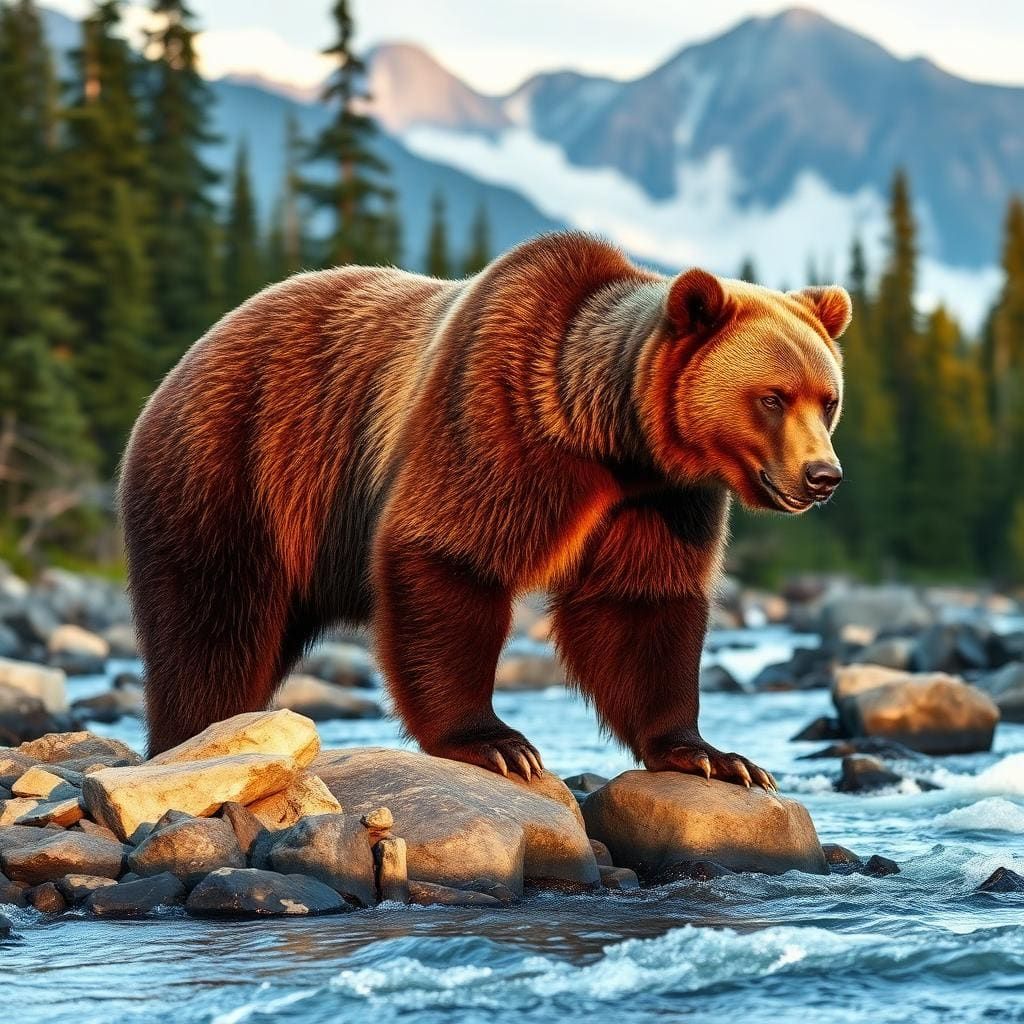
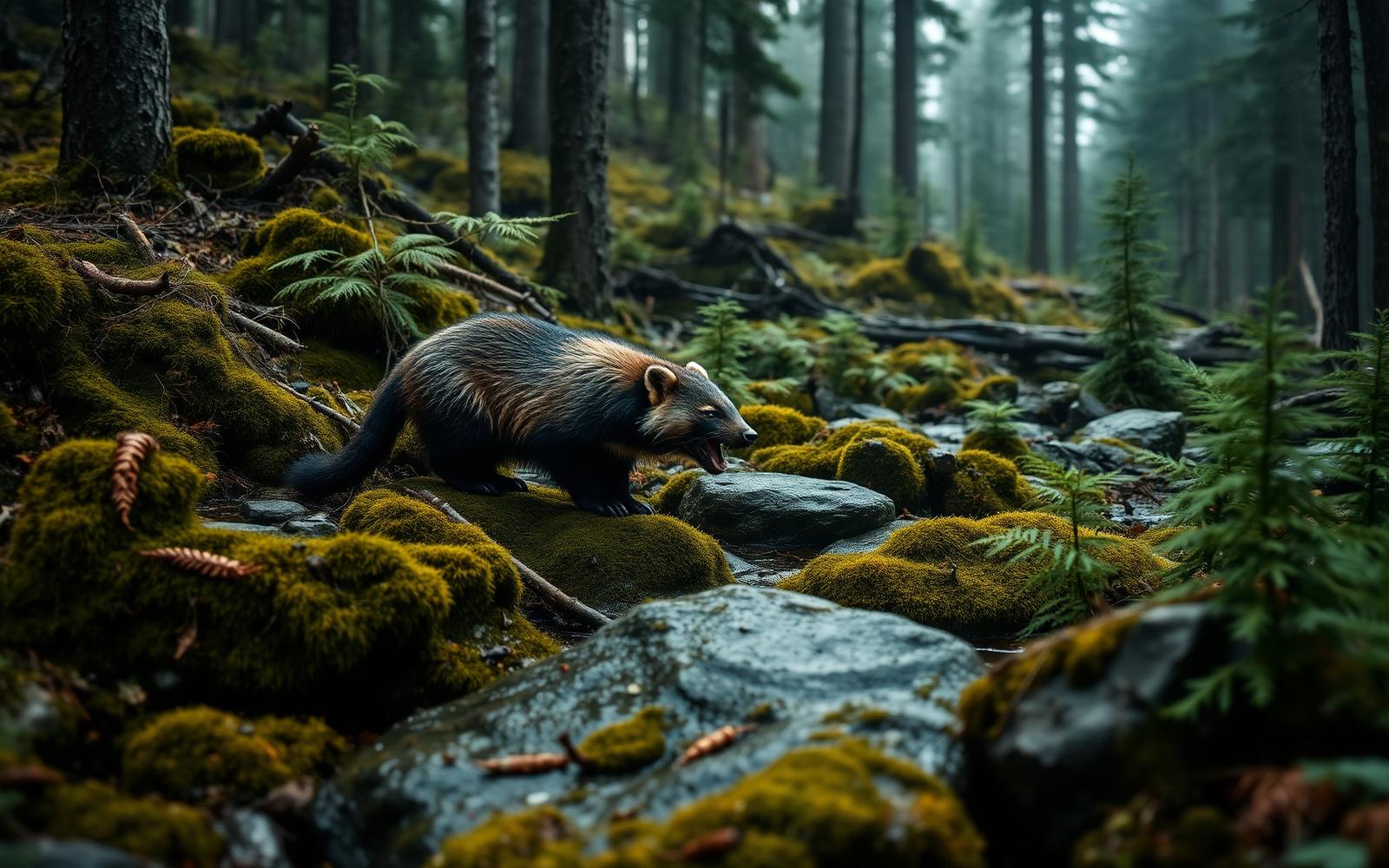
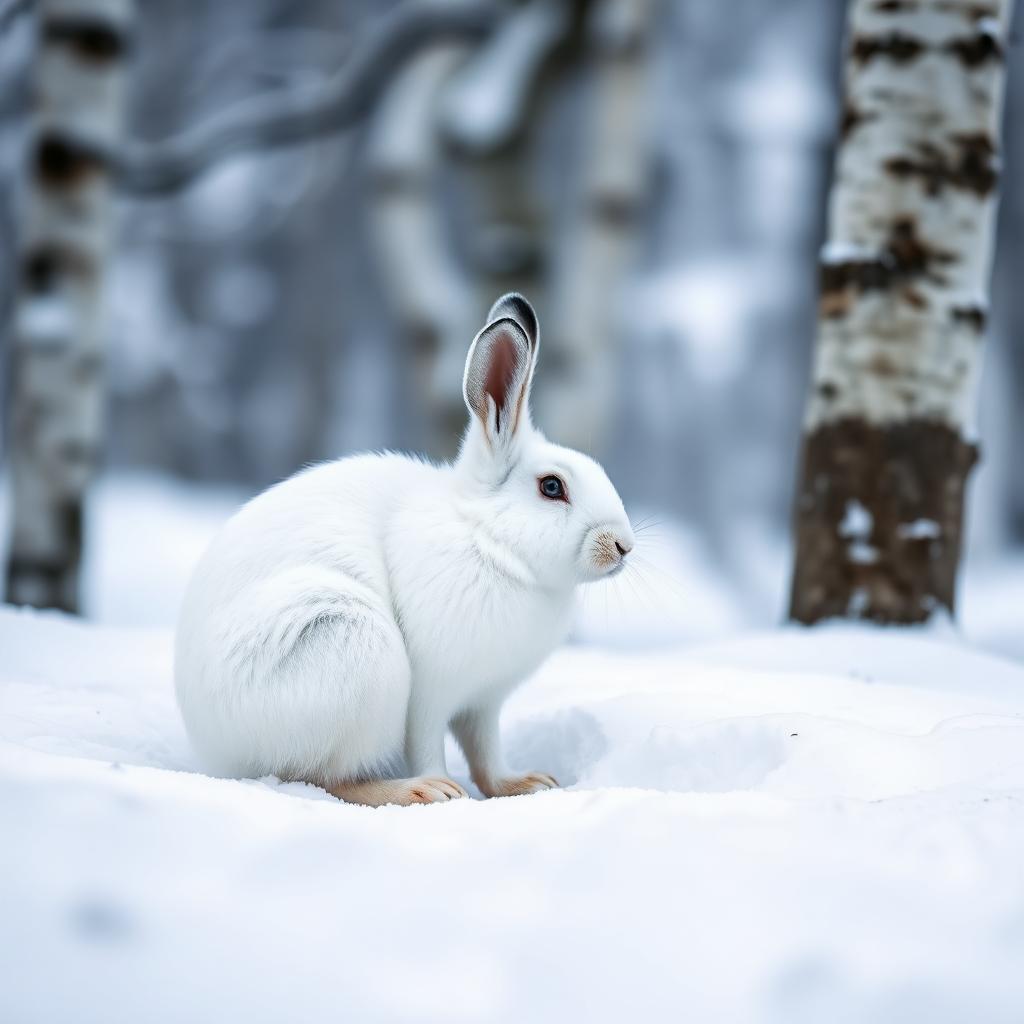
This district is renowned for its healthy elk population and the potential for quality bulls. Elk utilize the dense timber for bedding and security, often moving into high mountain meadows and avalanche chutes to feed during dawn and dusk. Other large mammals include mule deer, black and grizzly bears, moose, and mountain goats. Wolves are also present. Birdlife is abundant, including various raptors and forest birds. The sheer size of the wilderness allows elk to establish less disturbed patterns than in more accessible units, though finding them requires extensive scouting and covering ground.
Key Routes and Access
Access points are limited and require significant travel. From the west, entry points are typically found around Holland Lake or Condon, leading into the heart of the wilderness. On the east side, the Benchmark Trailhead is a primary gateway, providing access to extensive trail systems. Major trail corridors follow river drainages and cross mountain passes. Expect long pack-ins, often 10+ miles, by foot or horse. These routes are well-established but can be rugged, especially after heavy rains or snow. Navigation off-trail is challenging due to the dense timber and complex topography.
Permits and Regulations
Hunting in HD 210 generally requires a Montana general elk tag, available through the state's licensing system. Specific regulations regarding season dates, weapon type, and bag limits change annually, so consulting the current Montana FWP regulations is mandatory. No special drawing is typically required for the general tag, making it accessible to those willing to put in the effort. However, due to its wilderness designation, there are restrictions on motorized vehicle use and specific camping regulations that hunters must adhere to, such as Leave No Trace principles and bear-safe practices.
How we picked
We built this ranking from trip reports, agency data, permit records, and our editors' own time on the ground. 10 places made the final cut out of a much longer working list, and each one had to clear the same set of criteria before it earned a spot.
- Quality of the terrain
- Landscape, route variety, and whether the place rewards multiple days rather than one overlook.
- Season and weather windows
- How long the reliable window is, and how badly the shoulder seasons punish a bad forecast.
- Access and permits
- Trailhead logistics, permit odds, quotas, and how much lead time a trip realistically takes.
- Solitude vs. crowding
- How far you have to walk before the place feels like wilderness instead of a queue.
- Wildlife and ecology
- What you can reasonably expect to see, and what you have to plan around.
- Risk and skill required
- Navigation, water crossings, exposure, and rescue distance — stated plainly.
Hunting District 210 (Bob Marshall Wilderness Complex) — frequently asked questions
- Is Hunting District 210 (Bob Marshall Wilderness Complex) worth the trip?
- We rank it #3 in Montana Public Land Elk Units. HD 210 plunges hunters into the heart of the Bob Marshall Wilderness Complex, offering an unparalleled backcountry elk experience. This is serious wilderness hunting, characterized by vast, untracked forests, high mountain meadows, and rugged river drainages.
- Who is Hunting District 210 (Bob Marshall Wilderness Complex) best for?
- Best for extended backcountry elk hunts, self-sufficient wilderness expeditions, developing advanced outdoor skills and escape from crowded hunting areas. Standouts: unparalleled wilderness hunting experience, deep solitude and excellent elk numbers and potential for quality bulls.
- What are the drawbacks of Hunting District 210 (Bob Marshall Wilderness Complex)?
- Extreme remoteness, demanding physical effort for access, Highly unpredictable and harsh mountain weather and Requires advanced wilderness navigation and survival skills.
- What are the key details for Hunting District 210 (Bob Marshall Wilderness Complex)?
- Location: NW Montana, Bob Marshall Wilderness · Primary Game: Elk · Terrain: Rugged mountains, dense forest, alpine meadows · Access: Hike-in, Horseback · Permits: General MT hunting tag
- Geography and Terrain — what should I know about the Hunting District 210 (Bob Marshall Wilderness Complex)?
- HD 210 sprawls across the heart of the Bob Marshall Wilderness Complex, featuring a classic Rocky Mountain landscape. You'll encounter a mosaic of steep, timbered slopes, open river bottoms, and high-elevation basins.
- Seasons and Weather — what should I know about the Hunting District 210 (Bob Marshall Wilderness Complex)?
- The ideal window for hunting here is late archery season through early to mid-general rifle season, generally late September to late October. During these periods, elk are active during the rut or in their post-rut feeding patterns before deep snows set in.
Where on earth
Satellite imagery flying in from a world view to Hunting District 210 (Bob Marshall Wilderness Complex), Montana, United States. Use the + / − buttons, or click the map to zoom with your scroll wheel; drag to pan and pinch to zoom on touch.
Bob Marshall Wilderness Complex, Ovando, MT, USA · 47.350, -113.080
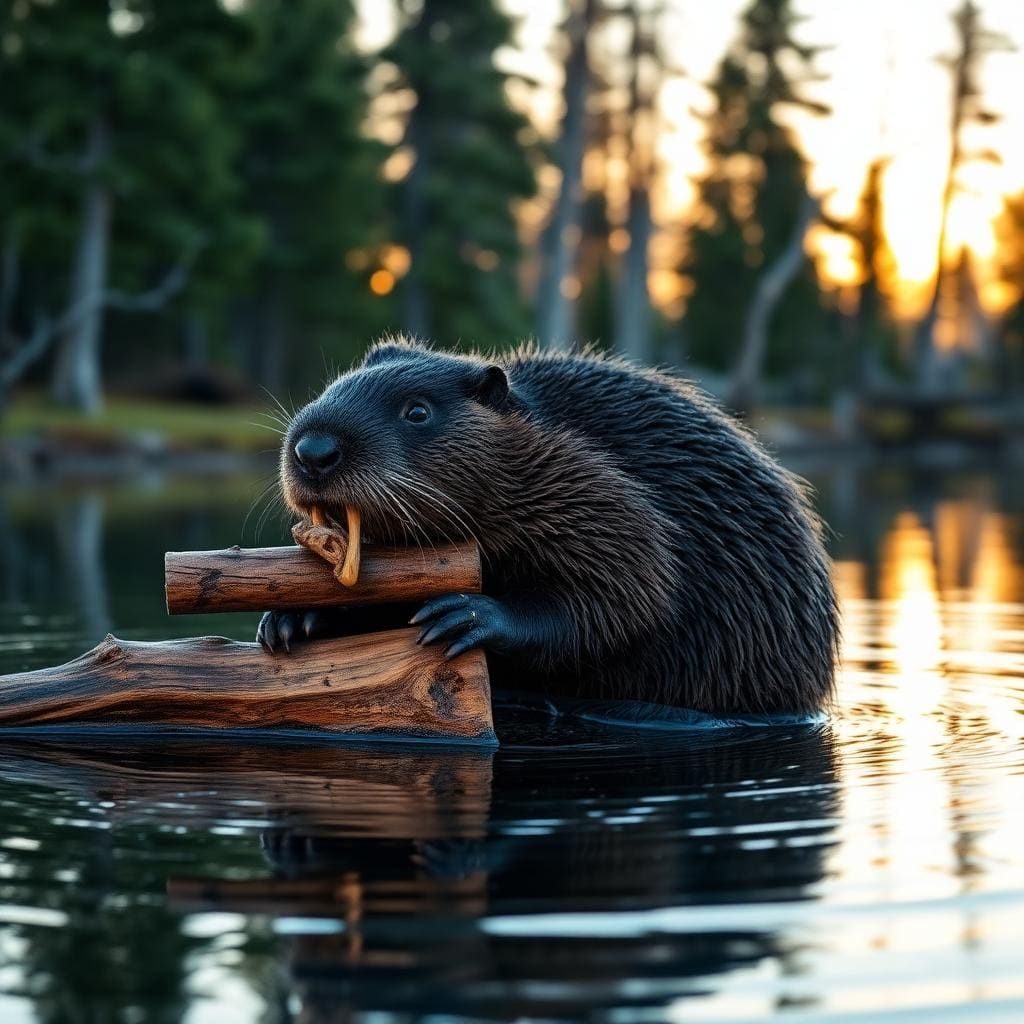
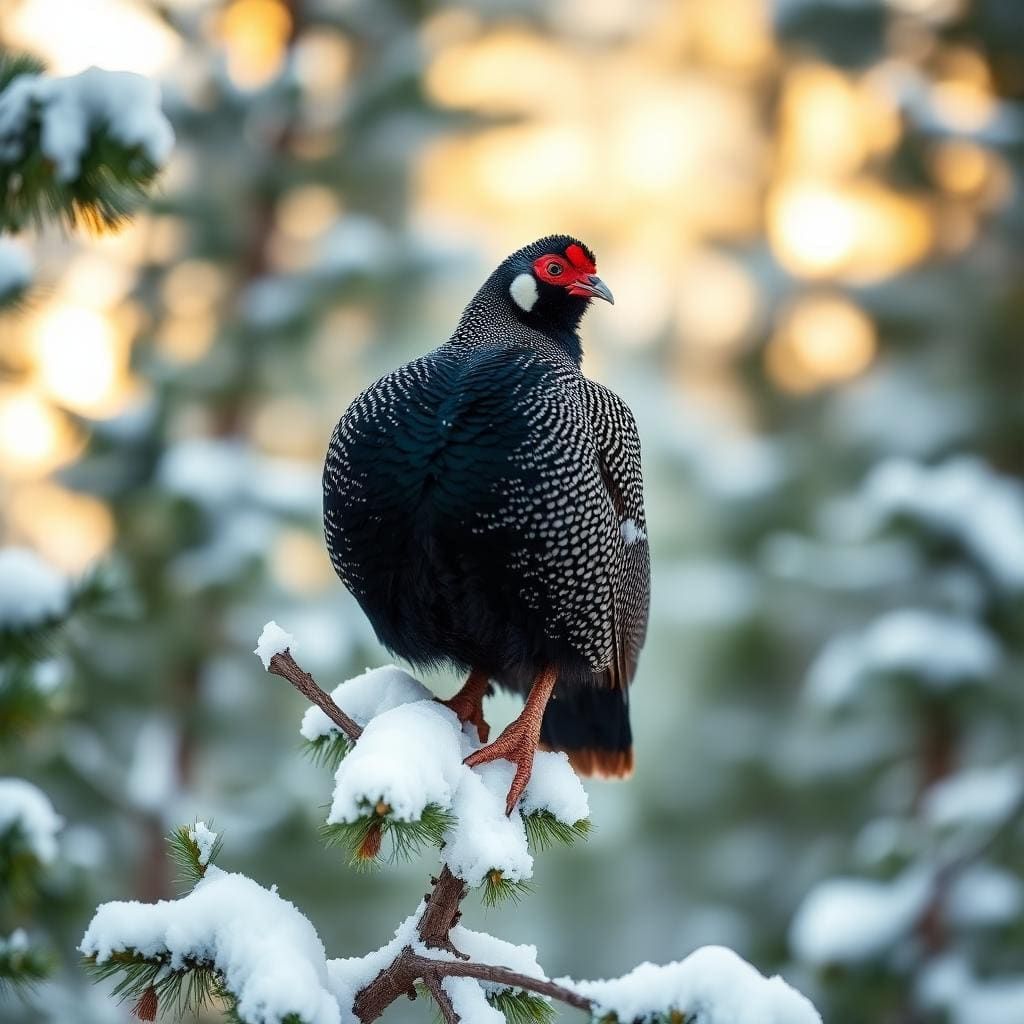
Wildlife found around Hunting District 210 (Bob Marshall Wilderness Complex)



Compare side by side
Put the Hunting District 210 (Bob Marshall Wilderness Complex) against any other pick on this list — specs, price, pros, cons and reader ratings.