



Reader rating
Rate it and you move it. Community ratings re-rank this product inside its Top 10 list.
Expert-picked, reader-ranked. Our editors choose the products and the launch order; member star ratings move picks up or down over time.
HD 330, nestled in the Gallatin Mountains, offers prime elk habitat just south of Bozeman. This unit features steep, heavily timbered slopes, high alpine basins, and dense creek bottoms. Public access is excellent, primarily through Gallatin National Forest lands. Its proximity to Bozeman means it can see significant pressure, especially on weekends and during the rifle opener. However, for hunters willing to put in the vertical miles, solitude and success are attainable. Elk here are tough, often residing in steep, dark timber, making them challenging to hunt. Archery hunting can be fantastic with aggressive calling tactics. For rifle hunters, persistence in breaking down the steep terrain is key. Finding unpressured pockets of elk, often several miles from trailheads, is the strategy. Snow can play a significant role, pushing elk to lower elevations later in the season. Trophy potential is good, especially for those who can navigate the demanding terrain. Best access is from various trailheads off Highway 191 (Gallatin Canyon) or from roads south of Bozeman. Ideal seasons are mid-September for archery (peak rut) and the general rifle season, especially after some snow. This unit requires good physical fitness and mountain hunting experience. Permits are standard general tags. Trade-offs include high hunting pressure near popular access points and extremely steep, physically demanding terrain.
Pros
- Excellent public land access
- Solid trophy potential for persistent hunters
- Aggressive archery hunting can be highly effective
- Diverse, challenging mountain terrain
Cons
- Significant hunting pressure near popular access points
- Extremely steep and physically demanding terrain
- Elk are often in dark timber, making them tough to spot
- Grizzly country requires constant vigilance
Best uses
- Physically fit mountain hunters
- Aggressive archery calling
- Late-season rifle hunting (post-snow)
- Hunters seeking challenging terrain
Specifications
- Location
- Gallatin Mountains, Montana
- Primary Access
- Gallatin National Forest
- Terrain
- Steep timber, alpine basins, creek bottoms
- Target Species
- Elk
- Best Seasons
- Mid-Sept archery, general rifle (post-snow)
- Proximity
- South of Bozeman
Best for
Physically fit mountain hunters, Aggressive archery calling, Late-season rifle hunting (post-snow), Hunters seeking challenging terrain
Hunting District 330, carved into the rugged Gallatin Mountains of Montana, is a challenging but rewarding landscape for elk hunters. This unit sprawls across a diverse topography, from heavily timbered slopes that seem to touch the sky to high alpine basins that cradle hidden meadows, and dense creek bottoms that provide critical cover. Its strategic location just south of Bozeman is a double-edged sword: it offers excellent public access, primarily via extensive Gallatin National Forest lands, but also means it can draw significant hunting pressure, particularly during peak seasons and on weekends. This isn't a casual hunt; success here hinges on physical stamina and a willingness to put in the hard miles. Elk in HD 330 are notoriously tough and savvy, often seeking refuge in the steepest, darkest timber where they feel most secure. This habitat choice makes them a demanding quarry, requiring hunters to push past typical comfort zones. Archery season, particularly during the rut, can be electrifying with aggressive calling tactics, while rifle hunters must commit to breaking down the formidable terrain. The key to finding unpressured elk and achieving success often involves venturing several miles from popular trailheads, exploiting pockets of less-disturbed habitat. Later in the season, early snowfalls can be a game-changer, pushing elk to more accessible lower elevations. While the hunting is demanding, the trophy potential in HD 330 is solid for those who master its nuances. Access points are varied, with primary routes off Highway 191 in the Gallatin Canyon or via roads stemming south from Bozeman. The ideal time to hunt is mid-September for archery, capitalizing on the peak rut, and the general rifle season, especially after the first significant snow. This unit is best suited for physically fit hunters with a strong background in mountain hunting, as the terrain is unforgiving and the elk are rarely easy. General tags apply, but preparation and persistence are the real permits required here.
Geography & Terrain
Hunting District 330 encompasses the rugged core of the Gallatin Mountains. The landscape is dominated by extreme vertical relief, featuring deep canyons, expansive, mature timber stands, and high-elevation alpine bowls that often hold snow into the summer. Creek bottoms, often dense with undergrowth and thick timber, serve as critical travel corridors and bedding areas. Elevation changes rapidly and significantly across the unit, demanding consistent uphill and downhill travel. Navigating this environment means encountering loose scree, downed timber, and often, steep, unstable ground. Topographic maps and a reliable GPS are not optional; they are essential for safe and effective travel through this complex terrain.
Weather & Seasonality
The optimal window for hunting HD 330 begins mid-September for archery, coinciding with the elk rut. Weather then can range from warm, clear days to sudden, sharp cold fronts with rain or early snow. For rifle hunters, the general season, particularly late October into November, is productive, especially once snow starts to accumulate at higher elevations. Early snows can dramatically improve hunting by pushing elk to lower, more accessible ranges. However, snow also introduces new hazards like slick trails, hidden obstacles, and rapid changes in conditions. Hunters must be prepared for a wide array of weather scenarios, from mild autumn days to full-blown winter conditions.
Wildlife & Habitat
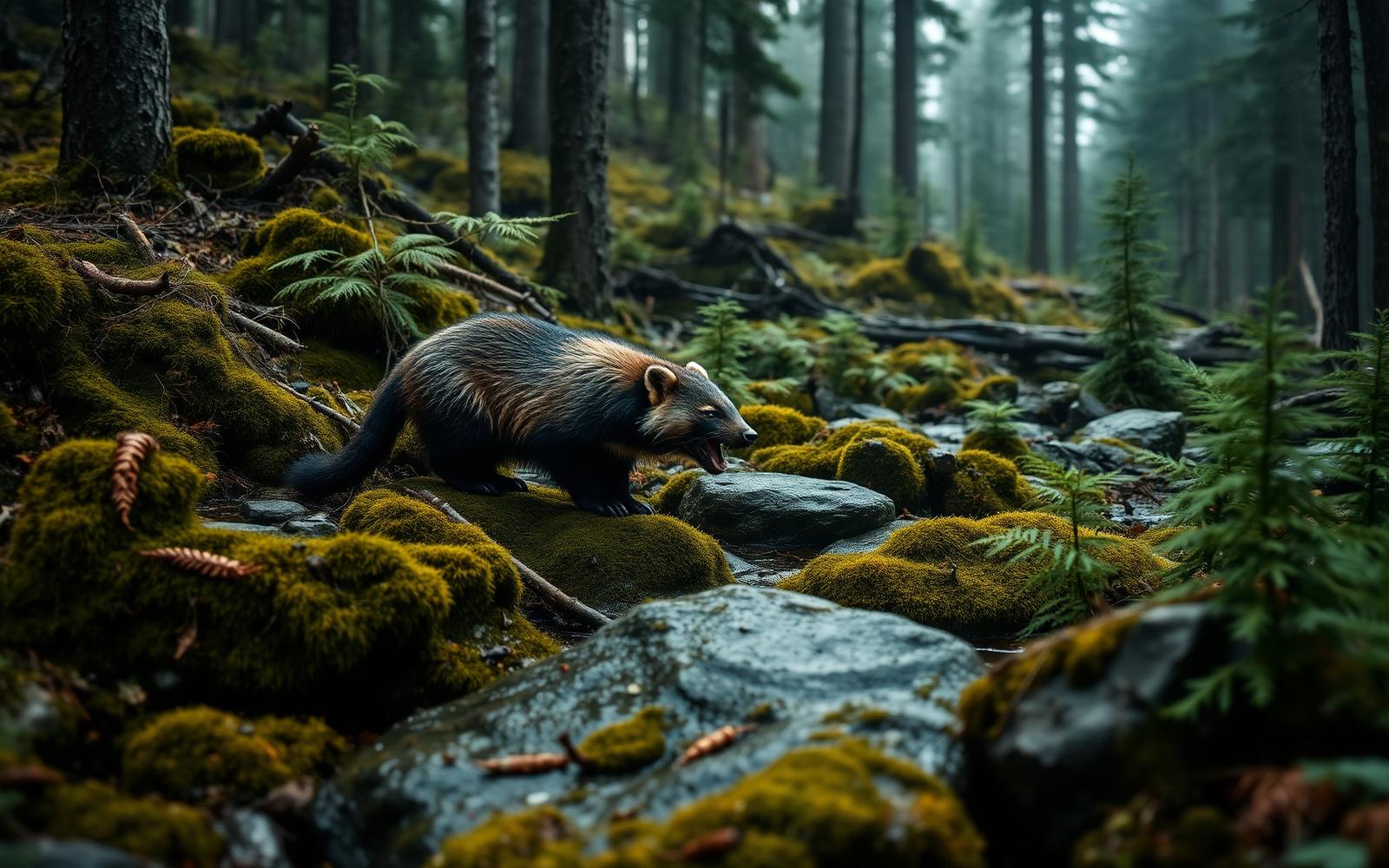
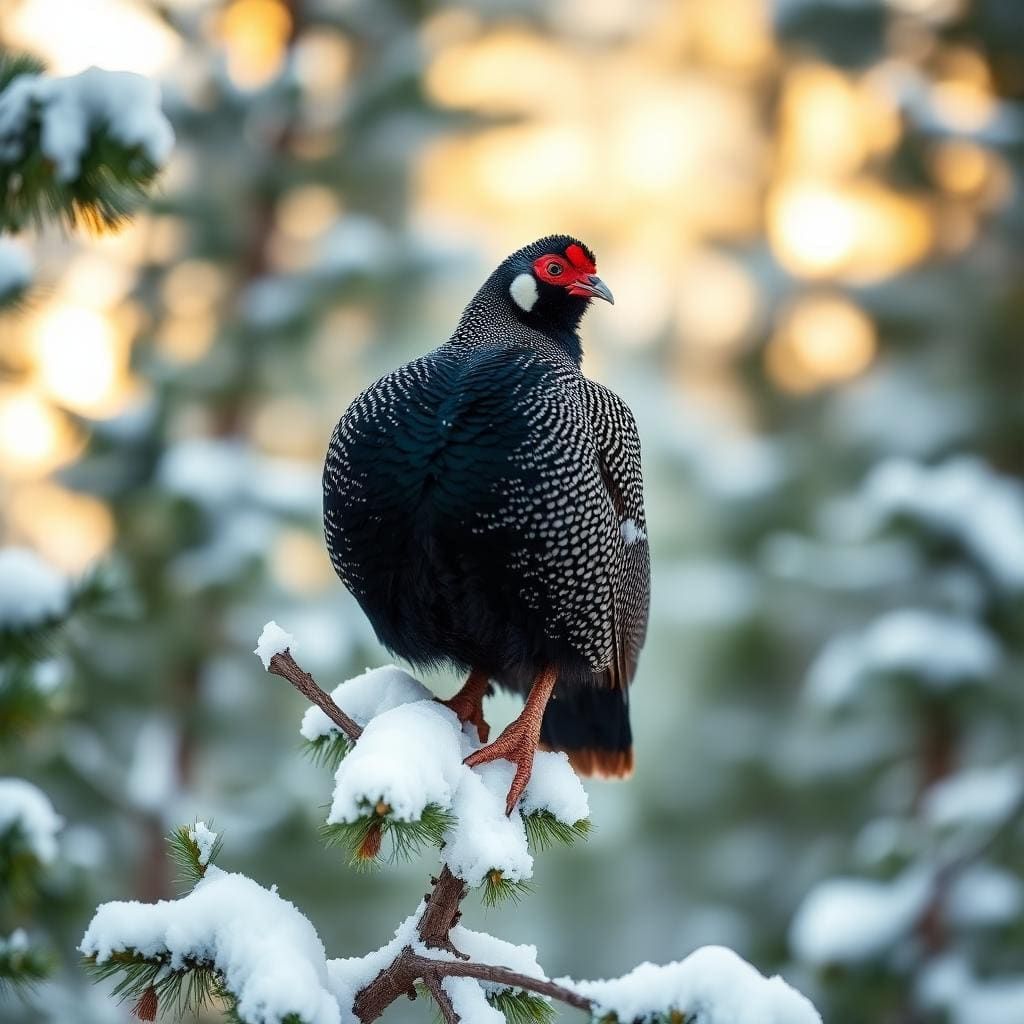
Elk are the primary draw, found throughout the unit, often favoring the steep, dense timber for security. Deer are also present, though less numerous. The ecosystem supports a healthy population of predators, including black bears, grizzlies, and mountain lions, requiring hunters to practice diligent bear awareness. Bird species are diverse, but the focus here is big game. The primary habitat consists of old-growth coniferous forests, subalpine meadows, and riparian zones along creeks. These diverse ecosystems provide excellent forage, cover, and water sources for elk, influencing their movement patterns and making pattern recognition a key skill for hunters.
Key Routes & Access
Access to HD 330 is primarily via various trailheads originating off Highway 191 in the Gallatin Canyon or through a network of forest service roads branching south of Bozeman. Popular trailheads often see considerable use, especially on weekends and during the rifle opener. To find solitude and less pressured elk, hunters should plan to push several miles past initial access points, often into roadless areas or areas with less defined trails. Thorough scoutings, both digital and on-foot, are critical for identifying secondary access points and understanding the reach of hunting pressure. Expect to earn your access with vertical feet.
Permits & Regulations
Hunting in HD 330 operates under Montana's standard general elk tags, which are typically available to both residents and non-residents through a lottery system or over-the-counter purchases, depending on the tag type. No special draw permits are required specifically for this unit beyond the standard state licenses. Hunters must adhere to all Montana Fish, Wildlife & Parks regulations regarding season dates, weapon restrictions, bag limits, and carcass transport. Check the latest Montana FWP regulations annually, as rules can change. Understanding hunter orange requirements and bear safety protocols is also paramount for anyone entering this district.
How we picked
We built this ranking from trip reports, agency data, permit records, and our editors' own time on the ground. 10 places made the final cut out of a much longer working list, and each one had to clear the same set of criteria before it earned a spot.
- Quality of the terrain
- Landscape, route variety, and whether the place rewards multiple days rather than one overlook.
- Season and weather windows
- How long the reliable window is, and how badly the shoulder seasons punish a bad forecast.
- Access and permits
- Trailhead logistics, permit odds, quotas, and how much lead time a trip realistically takes.
- Solitude vs. crowding
- How far you have to walk before the place feels like wilderness instead of a queue.
- Wildlife and ecology
- What you can reasonably expect to see, and what you have to plan around.
- Risk and skill required
- Navigation, water crossings, exposure, and rescue distance — stated plainly.
Hunting District 330 (Gallatin Mountains) — frequently asked questions
- Is Hunting District 330 (Gallatin Mountains) worth the trip?
- We rank it #4 in Montana Public Land Elk Units. HD 330, nestled in the Gallatin Mountains, offers prime elk habitat just south of Bozeman. This unit features steep, heavily timbered slopes, high alpine basins, and dense creek bottoms.
- Who is Hunting District 330 (Gallatin Mountains) best for?
- Best for physically fit mountain hunters, aggressive archery calling, late-season rifle hunting (post-snow) and hunters seeking challenging terrain. Standouts: excellent public land access and solid trophy potential for persistent hunters.
- What are the drawbacks of Hunting District 330 (Gallatin Mountains)?
- Significant hunting pressure near popular access points, Extremely steep and physically demanding terrain and Elk are often in dark timber, making them tough to spot.
- What are the key details for Hunting District 330 (Gallatin Mountains)?
- Location: Gallatin Mountains, Montana · Primary Access: Gallatin National Forest · Terrain: Steep timber, alpine basins, creek bottoms · Target Species: Elk · Best Seasons: Mid-Sept archery, general rifle (post-snow)
- Geography & Terrain — what should I know about the Hunting District 330 (Gallatin Mountains)?
- Hunting District 330 encompasses the rugged core of the Gallatin Mountains. The landscape is dominated by extreme vertical relief, featuring deep canyons, expansive, mature timber stands, and high-elevation alpine bowls that often hold snow into the summer.
- Weather & Seasonality — what should I know about the Hunting District 330 (Gallatin Mountains)?
- The optimal window for hunting HD 330 begins mid-September for archery, coinciding with the elk rut. Weather then can range from warm, clear days to sudden, sharp cold fronts with rain or early snow.
Where on earth
Satellite imagery flying in from a world view to Hunting District 330 (Gallatin Mountains), Montana, United States. Use the + / − buttons, or click the map to zoom with your scroll wheel; drag to pan and pinch to zoom on touch.
Gallatin Range, Montana 59030, USA · 45.005, -110.837
Wildlife found around Hunting District 330 (Gallatin Mountains)






Compare side by side
Put the Hunting District 330 (Gallatin Mountains) against any other pick on this list — specs, price, pros, cons and reader ratings.