



Reader rating
Rate it and you move it. Community ratings re-rank this product inside its Top 10 list.
Expert-picked, reader-ranked. Our editors choose the products and the launch order; member star ratings move picks up or down over time.
HD 313, bordering Yellowstone National Park, offers a unique and highly sought-after elk hunting experience. Its proximity to the park means elk frequently move in and out of the huntable areas, particularly during the late seasons as they migrate for winter range. This unit is characterized by rugged, steep terrain, dense timber, and open slopes, demanding significant physical exertion. Access is primarily via foot or horse, with numerous trailheads leading into the Absaroka-Beartooth Wilderness or areas bordering the park. The sheer size and wild nature of this district make it less susceptible to overcrowding in its deeper reaches, though trailheads can be busy. Hunters should expect challenging weather, from early season snow to high winds. Success here often depends on hunters willing to pack in several miles, find unpressured elk, and be prepared for rapidly changing conditions. Its 'general' tag status makes it highly accessible for residents and non-residents alike, contributing to its popularity. Outfitters operate in the area, but DIY hunting is very possible with adequate preparation. Best access is typically from the Gardiner area or Highway 89. The ideal season is late archery or the general rifle season, especially after the first significant snow pushes elk out of higher elevations and the park. This unit suits experienced, physically fit hunters comfortable with backcountry travel and spike camping. Permits are standard general tags; no special draw is required for the district itself. Trade-offs include unpredictable elk movements due to park proximity, demanding terrain, and potentially cold, harsh weather.
Pros
- World-class elk hunting due to park migrations
- General elk tag, highly accessible to hunters
- Vast wilderness, opportunities for solitude
- Challenging terrain builds character and skill
- High potential for trophy-class animals
Cons
- Elk movements can be unpredictable
- Extremely demanding physical terrain
- Harsh, rapidly changing weather conditions
- Potential for crowded trailheads
Best uses
- Backcountry elk hunting
- Spike camp adventures
- Physical fitness test
- Late season migration hunts
Specifications
- Location
- Northern Montana, borders Yellowstone NP
- Terrain
- Rugged mountains, timber, sagebrush
- Primary Access
- Foot, horse, numerous trailheads
- Elk Population
- Strong, influenced by park migrations
- Tag Type
- Montana General Elk Tag
- Best Season
- Late archery, general rifle (post-snow)
- Key Wildlife
- Elk, Mule Deer, Bear, Wolves, Bighorn
Best for
Backcountry elk hunting, Spike camp adventures, Physical fitness test, Late season migration hunts
Hunting District 313, commonly known as Gardiner, sits right on the northern edge of Yellowstone National Park in Montana. This unique geographic position is its defining characteristic, making it a prime location for elk as they move in and out of the protected park lands. The unit is a rugged, expansive landscape, dominated by the northern reaches of the Absaroka-Beartooth Wilderness. Elevations vary wildly, from river bottoms to high alpine ridges, all covered in a mix of dense timber, open sagebrush slopes, and steep, rocky faces. This is not a place for the faint of heart; success here is earned through hard work and determination. The sheer scale of the district, coupled with its demanding terrain, means that while access points can see traffic, true wilderness experiences are available for those willing to go deep. Elk movements in HD 313 are heavily influenced by the park boundary and seasonal weather patterns. Late archery and general rifle seasons, particularly after the first significant snowfalls, often trigger large-scale migrations of elk from the park onto public lands within the district. This creates extraordinary opportunities for hunters positioned correctly. A general elk tag is all that's required for this unit, making it widely accessible for both resident and non-resident hunters, a key factor in its popularity despite the challenges. Outfitters operate here, but a prepared, self-sufficient hunter can absolutely pursue elk independently. Preparing for HD 313 means planning for everything from early season snow to high winds and rapidly changing conditions. Physical fitness is paramount, as is proficiency in navigation and backcountry travel. While the rewards can be significant, the unit demands respect for its wild nature and the often-unpredictable patterns of its elk. This is an honest elk hunt in a truly wild setting, offering an experience few other units can match.
Geography & Terrain
HD 313 encompasses a vast, mountainous region characterized by the northern Absaroka-Beartooth Wilderness. Elevations range from approximately 5,000 feet along the Yellowstone River to over 10,000 feet on many peaks. The landscape is a mosaic of steep, forested slopes, open sagebrush flats, and high alpine meadows. Deep canyons, rocky outcrops, and extensive timber stands provide excellent cover for wildlife. Access routes often follow drainages, quickly gaining elevation into remote backcountry. Snow accumulation can begin early in the high country, and conditions can shift rapidly from mild autumn days to full-blown winter storms, requiring robust gear and experience in variable weather.
Best Season & Weather
The ideal hunting window in HD 313 is late archery season, particularly October, and the general rifle season, especially after the first significant snow events in late October or November. These conditions often trigger the large-scale elk migrations from Yellowstone National Park into the huntable public lands of the district. Early season can be productive but often requires more aggressive hunting techniques to find elk in their summer range. Expect cold temperatures, snow, high winds, and rapidly changing conditions in late season; preparation for all contingencies is not optional.
Wildlife & Migrations
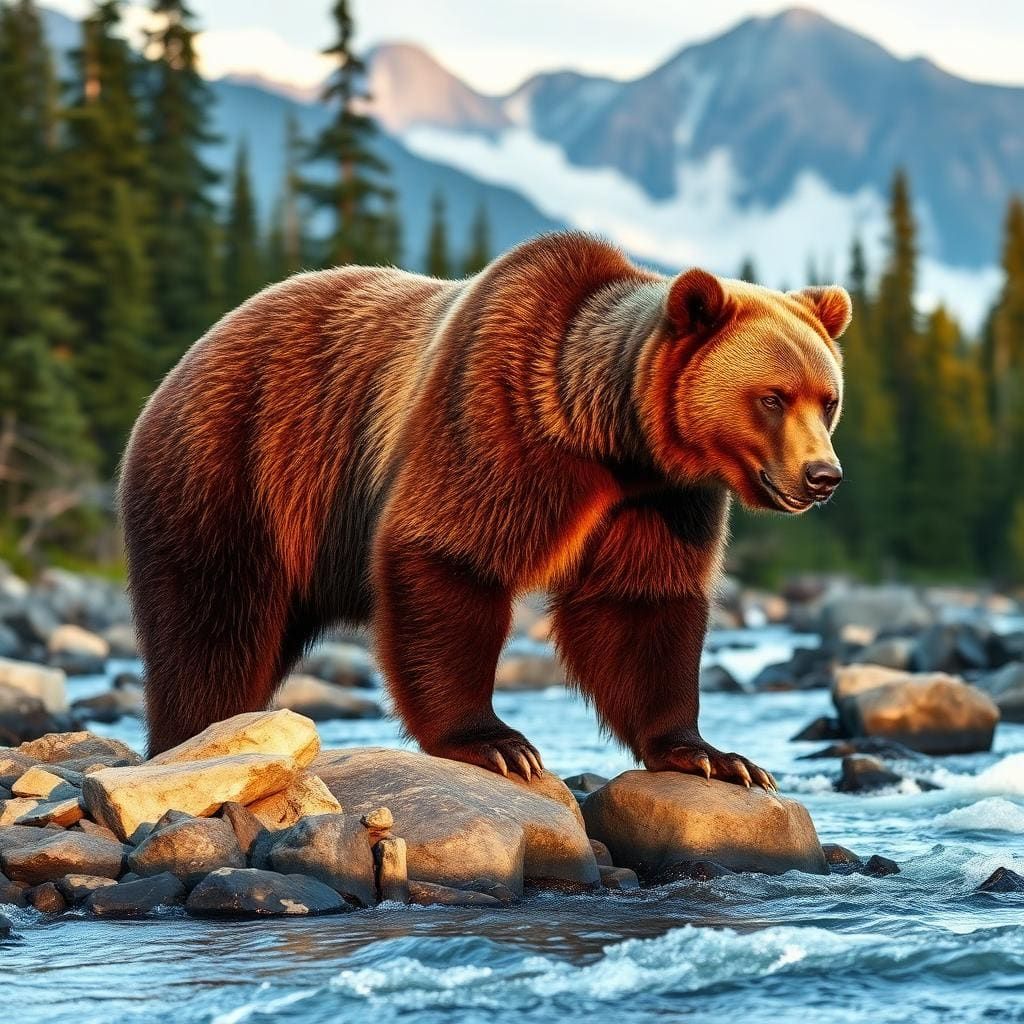
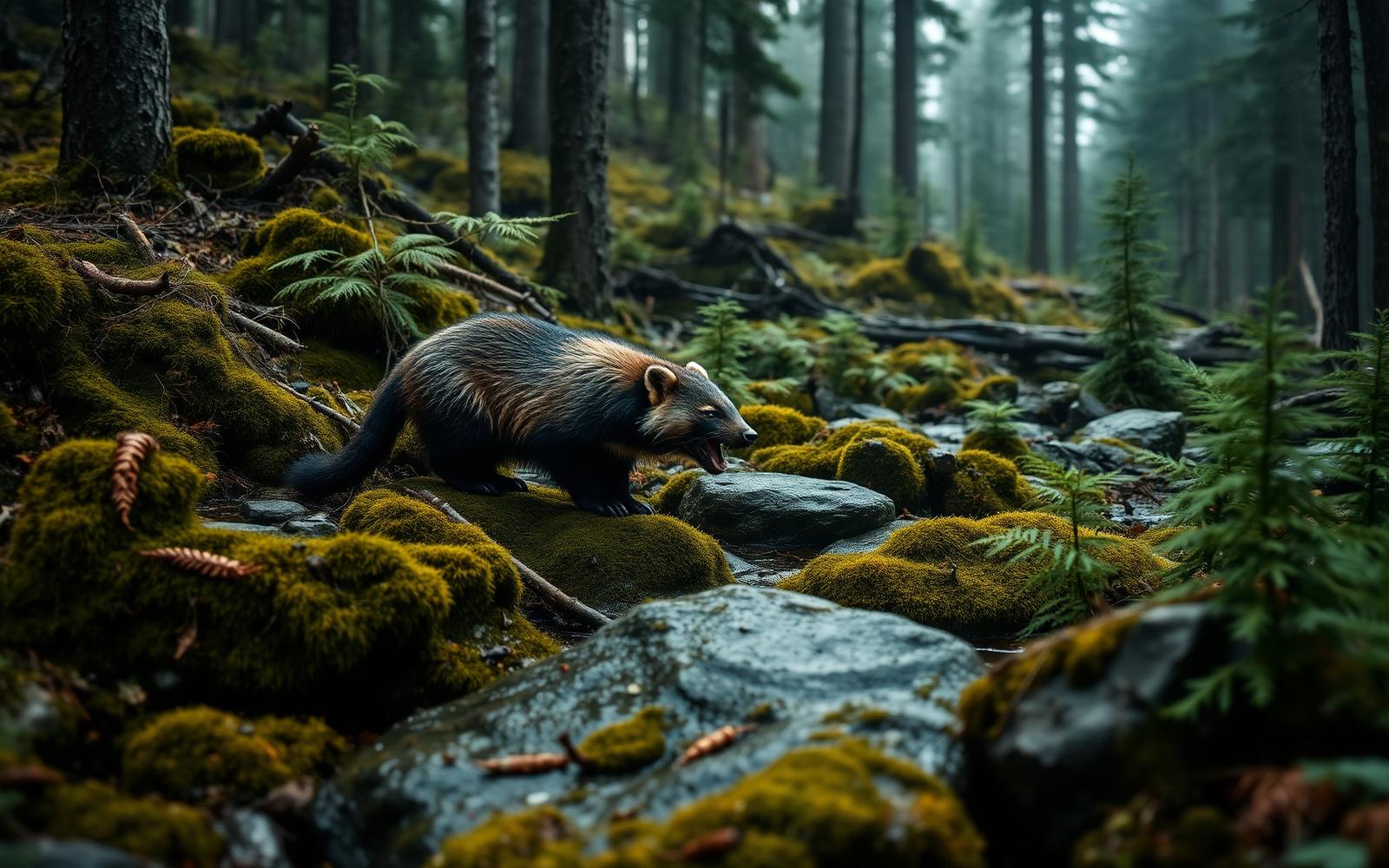
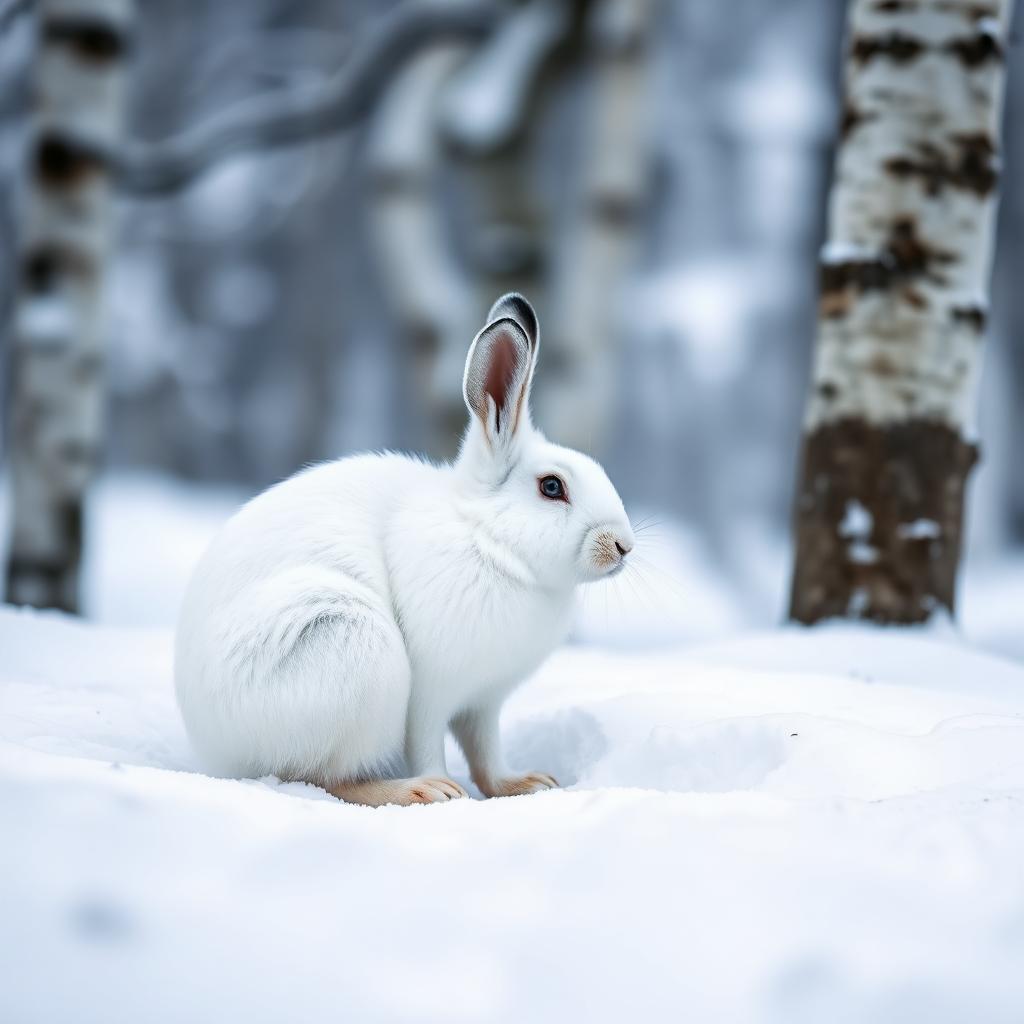
Elk are the primary draw, with the district benefiting immensely from its shared border with Yellowstone National Park. The northern Yellowstone elk herd uses HD 313 as critical winter range. Mule deer are also present, often found on the drier, more open slopes. Predators like black bears, grizzlies, wolves, and mountain lions are indigenous to the area, requiring vigilance and appropriate safety measures. Bighorn sheep can be found in the more rugged, rocky areas. Understanding the elk migration patterns, particularly with snow events, is key to success.
Routes & Attractions
Access to HD 313 is primarily from the town of Gardiner and along Highway 89. Numerous trailheads branch off from these points, leading into either the Absaroka-Beartooth Wilderness or other public lands bordering the park. Key routes include trails following the Yellowstone River, the Gardiner River, and various other drainages heading north and east from the park boundary. These trails provide access to vast tracts of public land suitable for multi-day spike camps. Identifying elk corridors and escape routes, often dictated by terrain and timber, is crucial for effective hunting.
Permits & Access
Hunting in HD 313 requires a general Montana elk tag. There is no special draw for the unit itself, making it highly accessible compared to limited-entry units. Standard Montana hunting licenses and conservation stamps are also required. Public land access is excellent, primarily through Forest Service lands and the Absaroka-Beartooth Wilderness Area. While trailheads can be busy, the rugged nature of the terrain means that hunters willing to push several miles in will find solitude and less pressured game. Horseback access is also popular for covering distance and packing out meat.
Honest Trade-offs
The primary trade-offs include unpredictable elk movements, as their presence is heavily influenced by the park boundary and weather, which can be a double-edged sword. The terrain is exceptionally challenging, demanding peak physical condition and experience in steep, rugged country. Trailheads can be crowded, particularly during peak seasons, though this pressure tends to dissipate quickly with distance. Weather is often harsh and unpredictable, requiring robust gear and planning for blizzards, high winds, and extreme cold. Encountering other hunters, especially closer to access points, is probable.
How we picked
We built this ranking from trip reports, agency data, permit records, and our editors' own time on the ground. 10 places made the final cut out of a much longer working list, and each one had to clear the same set of criteria before it earned a spot.
- Quality of the terrain
- Landscape, route variety, and whether the place rewards multiple days rather than one overlook.
- Season and weather windows
- How long the reliable window is, and how badly the shoulder seasons punish a bad forecast.
- Access and permits
- Trailhead logistics, permit odds, quotas, and how much lead time a trip realistically takes.
- Solitude vs. crowding
- How far you have to walk before the place feels like wilderness instead of a queue.
- Wildlife and ecology
- What you can reasonably expect to see, and what you have to plan around.
- Risk and skill required
- Navigation, water crossings, exposure, and rescue distance — stated plainly.
Hunting District 313 (Gardiner) — frequently asked questions
- Is Hunting District 313 (Gardiner) worth the trip?
- We rank it #1 in Montana Public Land Elk Units. HD 313, bordering Yellowstone National Park, offers a unique and highly sought-after elk hunting experience. Its proximity to the park means elk frequently move in and out of the huntable areas, particularly during the late seasons as they migrate for winter range.
- Who is Hunting District 313 (Gardiner) best for?
- Best for backcountry elk hunting, spike camp adventures, physical fitness test and late season migration hunts. Standouts: world-class elk hunting due to park migrations and general elk tag, highly accessible to hunters.
- What are the drawbacks of Hunting District 313 (Gardiner)?
- Elk movements can be unpredictable, Extremely demanding physical terrain and Harsh, rapidly changing weather conditions.
- What are the key details for Hunting District 313 (Gardiner)?
- Location: Northern Montana, borders Yellowstone NP · Terrain: Rugged mountains, timber, sagebrush · Primary Access: Foot, horse, numerous trailheads · Elk Population: Strong, influenced by park migrations · Tag Type: Montana General Elk Tag
- Geography & Terrain — what should I know about the Hunting District 313 (Gardiner)?
- HD 313 encompasses a vast, mountainous region characterized by the northern Absaroka-Beartooth Wilderness. Elevations range from approximately 5,000 feet along the Yellowstone River to over 10,000 feet on many peaks.
- Best Season & Weather — what should I know about the Hunting District 313 (Gardiner)?
- The ideal hunting window in HD 313 is late archery season, particularly October, and the general rifle season, especially after the first significant snow events in late October or November. These conditions often trigger the large-scale elk migrations from Yellowstone National Park into the huntable public lands of…
Where on earth
Satellite imagery flying in from a world view to Hunting District 313 (Gardiner), Montana, United States. Use the + / − buttons, or click the map to zoom with your scroll wheel; drag to pan and pinch to zoom on touch.
Gardiner, MT 59030, USA · 45.032, -110.706
Wildlife found around Hunting District 313 (Gardiner)



Compare side by side
Put the Hunting District 313 (Gardiner) against any other pick on this list — specs, price, pros, cons and reader ratings.