



Reader rating
Rate it and you move it. Community ratings re-rank this product inside its Top 10 list.
Expert-picked, reader-ranked. Our editors choose the products and the launch order; member star ratings move picks up or down over time.
HD 620, covering the Little Belt Mountains, provides a solid public land elk hunting experience in central Montana. This unit features a mix of coniferous forests, open parks, and sagebrush foothills. Public access is excellent throughout the Lewis and Clark National Forest. The terrain is less rugged than some of the western Montana units, making it more accessible to hunters of varying physical abilities, though it still has plenty of steep drainages. Elk populations are healthy, and it offers consistent opportunities, especially for those willing to hike a few miles from the main forest roads. Hunters here often focus on glassing feeding areas at dawn and dusk, then still-hunting timbered bedding areas during the day. White Sulphur Springs is the closest full-service town. Both archery and rifle seasons can be productive, with rut activity offering great calling chances. Expect moderate hunting pressure, particularly on weekends. Best access is from various roads off Highways 87 and 12. Ideal seasons are mid-September for archery and the general rifle season, especially after the first snow. Skill level is moderate; good map reading and navigation are beneficial. Permits are standard general tags. Trade-offs include moderate hunting pressure, especially on easily accessible public land, and elk can be scattered across large areas.
Pros
- Excellent public land access within the National Forest
- Healthy elk populations offering consistent opportunity
- Less rugged terrain compared to western MT units
- Diverse habitat supports varied hunting strategies
- Good opportunities for both archery and rifle seasons
Cons
- Moderate hunting pressure, especially near roads
- Elk can be scattered, requiring significant scouting
- Terrain still demands good physical conditioning
- Weather can be unpredictable, requiring preparedness
Best uses
- Public land elk hunting
- Archery rut hunting
- General rifle season
- Hunter fitness progression
Specifications
- Location
- Little Belt Mountains, Central Montana
- Primary Access
- Highways 87 & 12
- Public Land
- Lewis and Clark National Forest
- Key Wildlife
- Elk, Mule Deer, Black Bear
- Closest Town
- White Sulphur Springs
Best for
Public land elk hunting, Archery rut hunting, General rifle season, Hunter fitness progression
Hunting District 620, nestled within the Little Belt Mountains of central Montana, offers a reliable public land elk hunting experience. This unit features a diverse landscape, from dense coniferous forests and open parks to sagebrush foothills, providing varied habitat for elk. Public access is excellent across the extensive Lewis and Clark National Forest lands, making it a solid choice for those seeking a true backcountry feel without constant private land boundary worries. The terrain, while featuring its share of steep drainages, is generally less rugged than some of the high-elevation western Montana units, potentially appealing to hunters of varying physical conditions. Elk populations are robust, offering consistent opportunity for both archery and rifle seasons. Success in HD 620 often comes down to effort. While main forest roads provide a starting point, the most productive hunting usually involves putting in a few miles on foot, getting away from easy access. Hunters frequently employ tactics like glassing open feeding areas at dawn and dusk, then transitioning to still-hunting through timbered bedding areas during the day. White Sulphur Springs serves as the primary full-service town nearby, offering essential supplies and services. Both early archery seasons, particularly during the rut, and the later rifle seasons, especially after the first snow, can be highly productive.
Terrain & Habitat
The Little Belt Mountains present a varied hunting landscape. Expect a mix of coniferous forests dominated by pine and fir, interspersed with grassy open parks that serve as prime feeding grounds. Lower elevations and fringes include sagebrush foothills. This ecological diversity means elk have abundant options for forage, cover, and water sources throughout the year. The elevation changes are significant enough to create thermal currents and diverse microclimates, which elk utilize during different times of day and seasons. While not as extreme as the Rockies, hunters should prepare for substantial uphill climbs and descents, particularly when venturing away from established roads or trails.
Best Seasons
The mid-September archery season is a prime window for hunting in HD 620, coinciding with the peak of the elk rut. Calling strategies can be highly effective during this period, with bulls often responsive. For rifle hunters, the general rifle season, especially later in the fall after the first significant snowfalls, often concentrates elk and improves tracking conditions. Early season can be warmer and drier, making water sources and shaded timber more critical for elk. Late season brings colder temperatures and potential for deeper snow, which can push elk to lower elevations but also makes them more visible against a white backdrop.
Wildlife & Activity
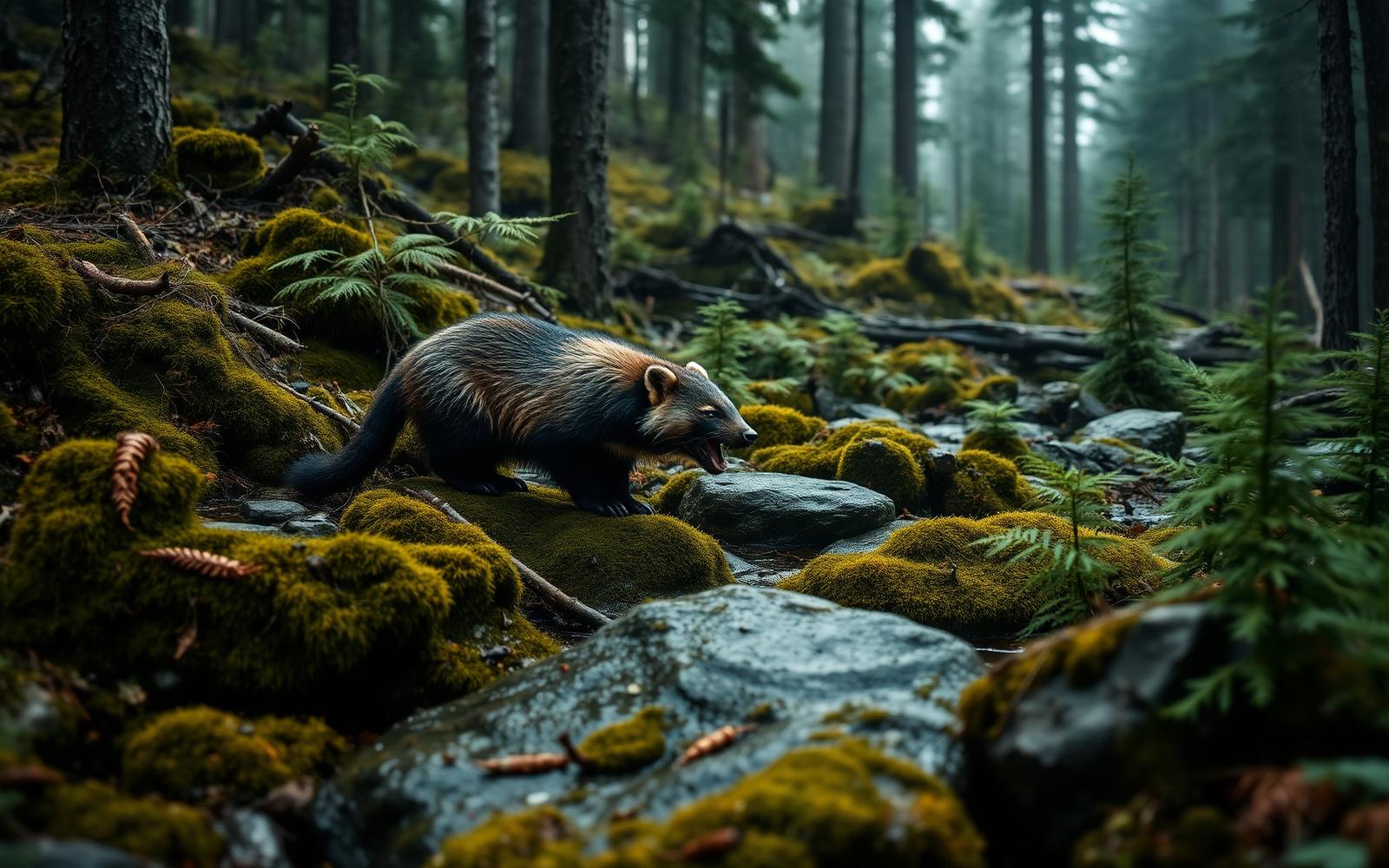
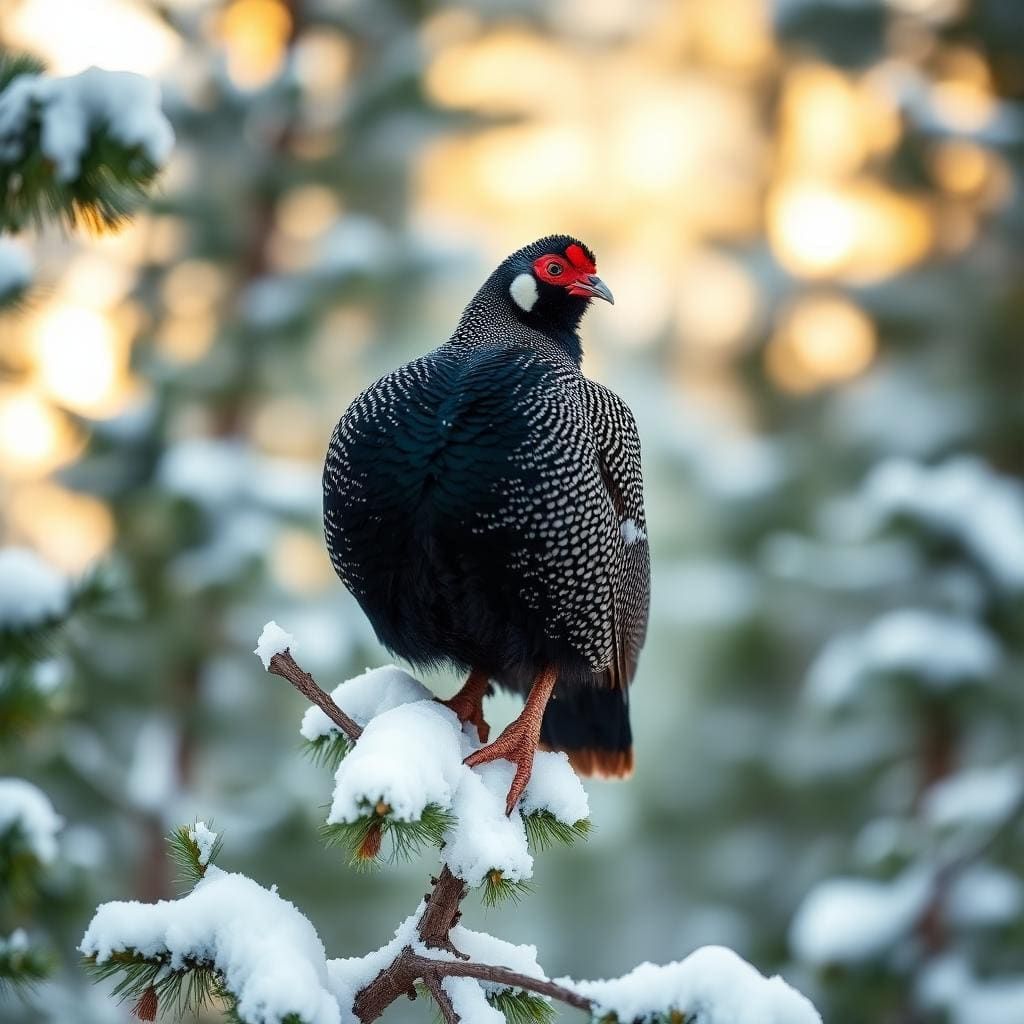
Elk are the primary quarry in HD 620, and populations are generally healthy, supporting consistent harvest opportunities. Hunters can also expect to encounter mule deer, often found in similar habitats, as well as black bears, which are common throughout the forests. Other species include various small game and forest birds. Elk activity patterns shift with pressure and season; early mornings and late evenings are critical for catching them in open feeding areas. During the day, they often retreat to dense timber for bedding, requiring patient still-hunting or methodical tracking. Learning their movement patterns is key to success.
Access & Permits
Public access is generally excellent within HD 620, primarily through the Lewis and Clark National Forest. Numerous forest roads branch off main highways like 87 and 12, providing entry points into the unit. Hunters should always consult current Forest Service maps for road conditions and closures, especially during hunting season. Permits are standard Montana general elk tags, but always verify current regulations and draw odds, as these can change annually. No special permits beyond the general statewide license are typically required for hunting here. Always be aware of any private land boundaries that may checker public parcels.
Hazards & Trade-offs
The primary trade-off in HD 620 is moderate hunting pressure, particularly on weekends and closer to accessible roads. While not as intense as some front-country units, hunters seeking solitude will need to hike further. Elk can be scattered across vast areas, requiring diligent scouting and adaptability. Navigational skills are crucial, as dense timber can disorient. Weather can change rapidly; be prepared for everything from warm, sunny days to sudden snowstorms. While physical demands are moderate compared to true wilderness, a good level of fitness is beneficial for success. Always be aware of other users, including hikers and other hunters.
How we picked
We built this ranking from trip reports, agency data, permit records, and our editors' own time on the ground. 10 places made the final cut out of a much longer working list, and each one had to clear the same set of criteria before it earned a spot.
- Quality of the terrain
- Landscape, route variety, and whether the place rewards multiple days rather than one overlook.
- Season and weather windows
- How long the reliable window is, and how badly the shoulder seasons punish a bad forecast.
- Access and permits
- Trailhead logistics, permit odds, quotas, and how much lead time a trip realistically takes.
- Solitude vs. crowding
- How far you have to walk before the place feels like wilderness instead of a queue.
- Wildlife and ecology
- What you can reasonably expect to see, and what you have to plan around.
- Risk and skill required
- Navigation, water crossings, exposure, and rescue distance — stated plainly.
Hunting District 620 (Little Belt Mountains) — frequently asked questions
- Is Hunting District 620 (Little Belt Mountains) worth the trip?
- We rank it #10 in Montana Public Land Elk Units. HD 620, covering the Little Belt Mountains, provides a solid public land elk hunting experience in central Montana. This unit features a mix of coniferous forests, open parks, and sagebrush foothills.
- Who is Hunting District 620 (Little Belt Mountains) best for?
- Best for public land elk hunting, archery rut hunting, general rifle season and hunter fitness progression. Standouts: excellent public land access within the national forest and healthy elk populations offering consistent opportunity.
- What are the drawbacks of Hunting District 620 (Little Belt Mountains)?
- Moderate hunting pressure, especially near roads, Elk can be scattered, requiring significant scouting and Terrain still demands good physical conditioning.
- What are the key details for Hunting District 620 (Little Belt Mountains)?
- Location: Little Belt Mountains, Central Montana · Primary Access: Highways 87 & 12 · Public Land: Lewis and Clark National Forest · Key Wildlife: Elk, Mule Deer, Black Bear · Closest Town: White Sulphur Springs
- Terrain & Habitat — what should I know about the Hunting District 620 (Little Belt Mountains)?
- The Little Belt Mountains present a varied hunting landscape. Expect a mix of coniferous forests dominated by pine and fir, interspersed with grassy open parks that serve as prime feeding grounds.
- Best Seasons — what should I know about the Hunting District 620 (Little Belt Mountains)?
- The mid-September archery season is a prime window for hunting in HD 620, coinciding with the peak of the elk rut. Calling strategies can be highly effective during this period, with bulls often responsive.
Where on earth
Satellite imagery flying in from a world view to Hunting District 620 (Little Belt Mountains), Montana, United States. Use the + / − buttons, or click the map to zoom with your scroll wheel; drag to pan and pinch to zoom on touch.
Montana, USA · 46.880, -110.363
Wildlife found around Hunting District 620 (Little Belt Mountains)






Compare side by side
Put the Hunting District 620 (Little Belt Mountains) against any other pick on this list — specs, price, pros, cons and reader ratings.