



Reader rating
Rate it and you move it. Community ratings re-rank this product inside its Top 10 list.
Expert-picked, reader-ranked. Our editors choose the products and the launch order; member star ratings move picks up or down over time.
The Crazy Mountains (HD 380) offer a rugged and rewarding elk hunting experience. This isolated range rises dramatically from the plains, creating a unique ecosystem of high peaks, cirque lakes, and heavily timbered lower slopes. Public access is primarily through Forest Service trailheads on the perimeter, but navigating the private land base surrounding the range is critical. Much of the elk habitat is at higher elevations, requiring significant climbing and physical exertion. Once past the initial private holdings, the public land offers true solitude and excellent potential for mature bulls. Elk here are less pressured than in some other units, but they are also harder to locate due to the vast, steep terrain and dense cover. Archery hunting during the rut can be spectacular for those willing to venture deep. Rifle hunters will need to be patient and glass diligently. The 'Crazies' are known for unpredictable weather, from summer snowstorms to high winds. Best access is often from the east or west sides via various county roads that lead to National Forest trailheads, often requiring permission to cross private land. Ideal seasons are early archery (mid-September) for calling action or the general rifle season, especially mid-to-late for snow-driven migration. This unit is for experienced, highly-fit hunters comfortable with steep terrain and navigating mixed ownership. Permits are standard general tags. Trade-offs include navigating private land access, extremely demanding terrain, and volatile weather.
Pros
- Excellent potential for mature bull elk in remote areas
- Less hunting pressure than many other units
- True backcountry solitude for committed hunters
- Stunning high-mountain scenery and unique ecosystem
- Rewarding for those seeking a physically demanding hunt
Cons
- Significant private land access challenges and requirements
- Extremely demanding and rugged terrain
- Highly unpredictable and severe weather
- Requires exceptional physical fitness and backcountry skills
- Elk are harder to locate due to vastness and cover
Best uses
- Experienced backcountry elk hunters
- Physically fit archery hunters seeking rut action
- Hunters prioritizing solitude over ease of access
- Those comfortable with navigating mixed land ownership
- Public land rifle hunters employing patience and glassing
Specifications
- Location
- South-Central Montana, USA
- Primary Game
- Elk
- Terrain
- Steep mountains, timber, alpine
- Permits
- Standard general elk tags
- Access
- National Forest via private land crossings
- Seasonality
- Archery (mid-Sept), Rifle (mid-Oct/Nov)
Best for
Experienced backcountry elk hunters, Physically fit archery hunters seeking rut action, Hunters prioritizing solitude over ease of access, Those comfortable with navigating mixed land ownership, Public land rifle hunters employing patience and glassing
Nestled in south-central Montana, Hunting District 380, commonly known as the Crazy Mountains, presents a distinctly challenging yet highly rewarding elk hunting experience. This isolated mountain range punches dramatically upward from the surrounding plains, creating an ecological island characterized by towering peaks, glacial cirques, and dense, dark timber on its lower and mid-slopes. Public access to these rugged federal lands is primarily via Forest Service trailheads situated around the perimeter. However, a significant portion of the range's base is checkerboarded with private land, demanding diligent pre-scouting and often requiring permission to cross. The prime elk habitat resides at higher elevations, necessitating considerable physical exertion to reach. For those willing to push past the initial access hurdles and embrace the strenuous climbs, true solitude and exceptional potential for mature bull elk await. This unit sees less pressure than many others, but locating elk here is no easy feat due to the sheer vastness, steep contours, and heavy cover. Archery hunting during the rut can be an unforgettable endeavor for dedicated callers who venture deep into the mountains. Rifle hunters will find success through patient glassing and a readiness to cover ground. The Crazies are infamous for their volatile weather, from unexpected summer snow to intense winds, adding another layer of challenge to an already demanding hunt.
Geography & Terrain
The Crazy Mountains are an anomaly, standing alone east of the larger Rockies. Elevations range dramatically, creating a series of vertical ecosystems. Lower slopes are often thick with conifer forests, transitioning to alpine meadows and rugged, exposed peaks above the treeline. Glacial activity has carved impressive cirques and high-mountain lakes. Much of the most productive elk habitat is concentrated in the steep, timbered drainages and benches at higher elevations. Navigating this terrain requires excellent physical conditioning, robust navigation skills, and a willingness to tackle significant vertical gain daily. Loose scree, dense brush, and downed timber are common.
Best Season & Weather
The ideal window for archery hunters targeting calling action is mid-September, when the rut is typically in full swing. Rifle hunters generally find success during the general season, with the mid-to-late season often benefiting from snow pushing elk to lower elevations. Weather in the Crazies is notoriously unpredictable. Summer can bring sudden thunderstorms, hail, or even snow, especially at altitude. Fall transitions quickly, with high winds, freezing rain, and significant snowfall possible from October onwards. Hunters must be prepared for extreme temperature swings and rapidly changing conditions, carrying appropriate layering and emergency gear.
Wildlife & Opportunities
Elk are the primary draw, and the unit holds a healthy population with good potential for mature bulls, particularly for hunters willing to go deep. Mule deer and black bears are also present, offering additional hunting opportunities. The solitude here means animals are often less pressured than in more accessible units, but their behavior reflects the rugged environment; they are typically wary and use the dense cover and steep terrain to their advantage. Expect to cover significant ground to locate elk, often glassing vast areas or still-hunting through thick timber.
Routes & Access
Accessing public lands in HD 380 is a critical challenge. Numerous Forest Service trailheads exist on the eastern and western flanks of the range, often at the end of county roads. However, a significant amount of private land surrounds the mountain range, necessitating careful planning to avoid trespass. Hunters must identify specific public access corridors or, more often, secure permission from private landowners to cross their property to reach Forest Service land. Reliable maps and potentially a GPS with land ownership overlays are indispensable. Common starting points are typically found off Highway 191 on the east or Highway 89 on the west.
Permits & Hazards
Standard Montana general elk tags apply for this district; no special draw is typically required for the general season. However, understanding specific regulations for archery or rifle seasons, antler restrictions, and any changes to management is crucial. Beyond the access challenges, significant hazards include extreme weather fluctuations, potential for encounters with large predators (bears), difficult and hazardous terrain that can lead to falls, and the ever-present risk of getting lost in vast, undifferentiated timber. Hunters must be self-sufficient, proficient in backcountry navigation, and prepared for emergencies in remote settings.
How we picked
We built this ranking from trip reports, agency data, permit records, and our editors' own time on the ground. 10 places made the final cut out of a much longer working list, and each one had to clear the same set of criteria before it earned a spot.
- Quality of the terrain
- Landscape, route variety, and whether the place rewards multiple days rather than one overlook.
- Season and weather windows
- How long the reliable window is, and how badly the shoulder seasons punish a bad forecast.
- Access and permits
- Trailhead logistics, permit odds, quotas, and how much lead time a trip realistically takes.
- Solitude vs. crowding
- How far you have to walk before the place feels like wilderness instead of a queue.
- Wildlife and ecology
- What you can reasonably expect to see, and what you have to plan around.
- Risk and skill required
- Navigation, water crossings, exposure, and rescue distance — stated plainly.
Hunting District 380 (Crazy Mountains) — frequently asked questions
- Is Hunting District 380 (Crazy Mountains) worth the trip?
- We rank it #6 in Montana Public Land Elk Units. The Crazy Mountains (HD 380) offer a rugged and rewarding elk hunting experience. This isolated range rises dramatically from the plains, creating a unique ecosystem of high peaks, cirque lakes, and heavily timbered lower slopes.
- Who is Hunting District 380 (Crazy Mountains) best for?
- Best for experienced backcountry elk hunters, physically fit archery hunters seeking rut action, hunters prioritizing solitude over ease of access and those comfortable with navigating mixed land ownership. Standouts: excellent potential for mature bull elk in remote areas and less hunting pressure than many other units.
- What are the drawbacks of Hunting District 380 (Crazy Mountains)?
- Significant private land access challenges and requirements, Extremely demanding and rugged terrain and Highly unpredictable and severe weather.
- What are the key details for Hunting District 380 (Crazy Mountains)?
- Location: South-Central Montana, USA · Primary Game: Elk · Terrain: Steep mountains, timber, alpine · Permits: Standard general elk tags · Access: National Forest via private land crossings
- Geography & Terrain — what should I know about the Hunting District 380 (Crazy Mountains)?
- The Crazy Mountains are an anomaly, standing alone east of the larger Rockies. Elevations range dramatically, creating a series of vertical ecosystems.
- Best Season & Weather — what should I know about the Hunting District 380 (Crazy Mountains)?
- The ideal window for archery hunters targeting calling action is mid-September, when the rut is typically in full swing. Rifle hunters generally find success during the general season, with the mid-to-late season often benefiting from snow pushing elk to lower elevations.
Where on earth
Satellite imagery flying in from a world view to Hunting District 380 (Crazy Mountains), Montana, United States. Use the + / − buttons, or click the map to zoom with your scroll wheel; drag to pan and pinch to zoom on touch.
Crazy Mountains, Montana 59086, USA · 46.167, -110.501
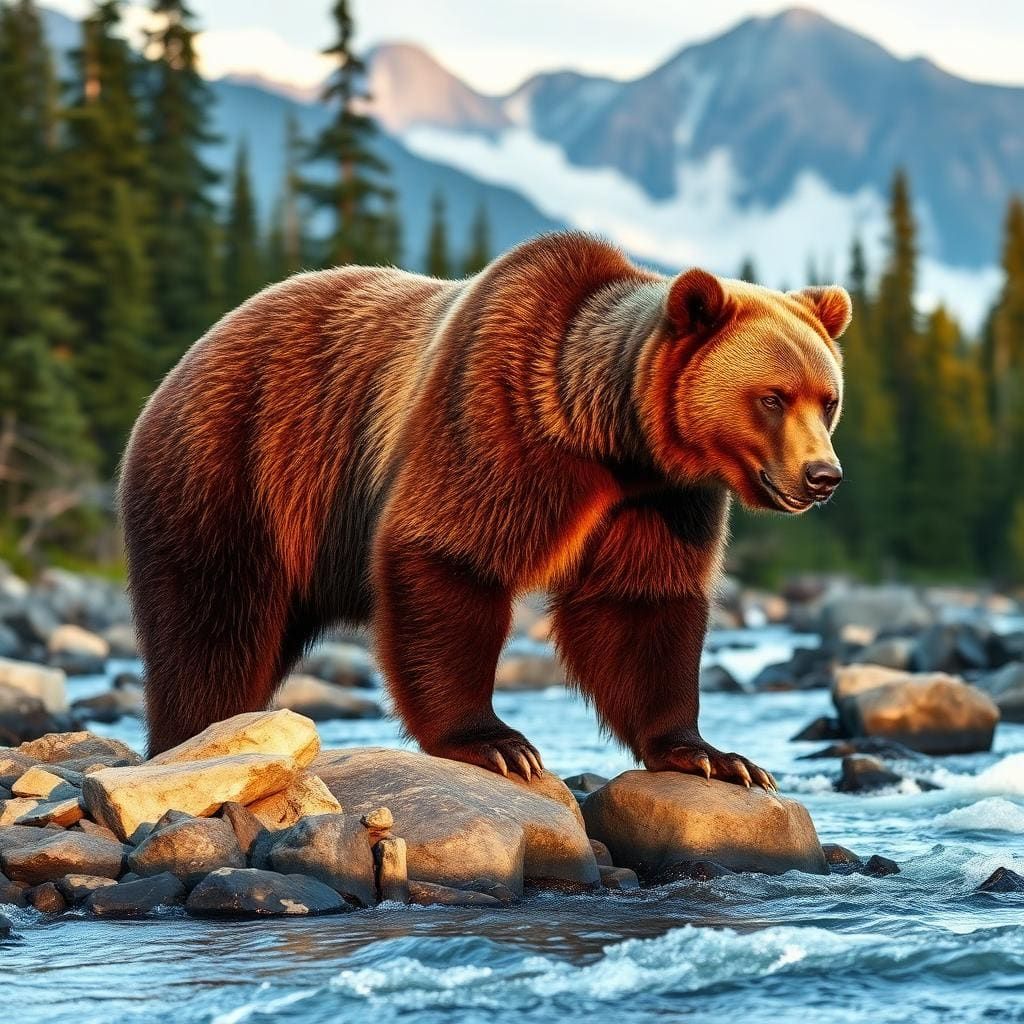
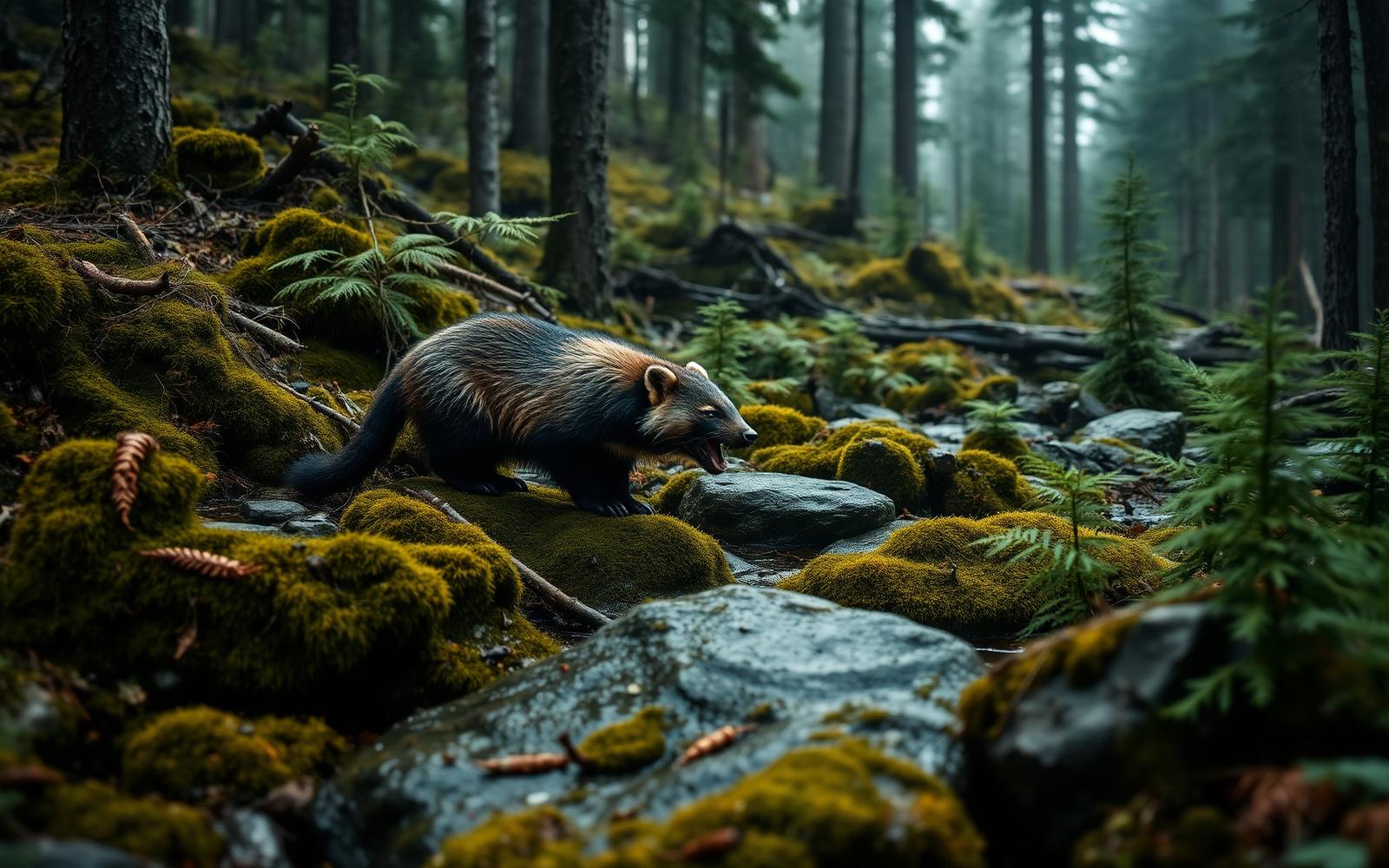
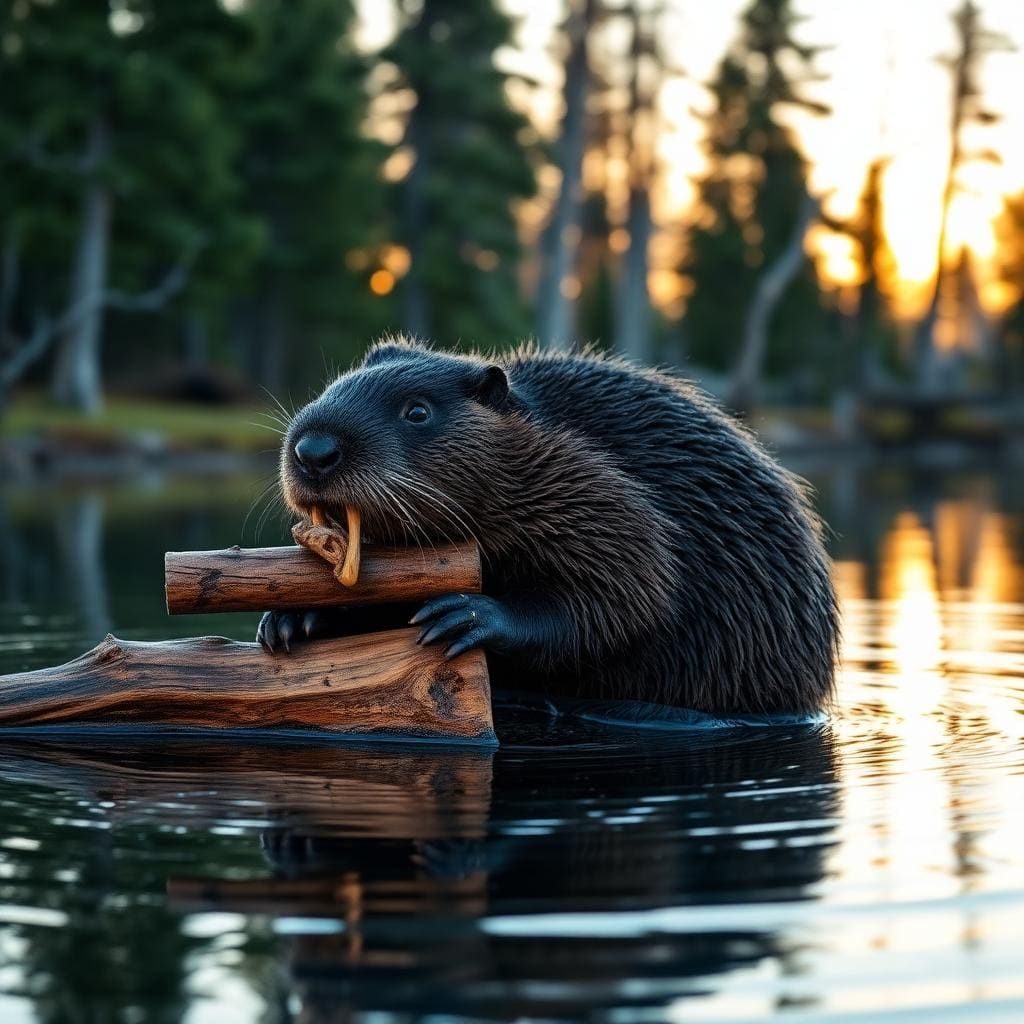
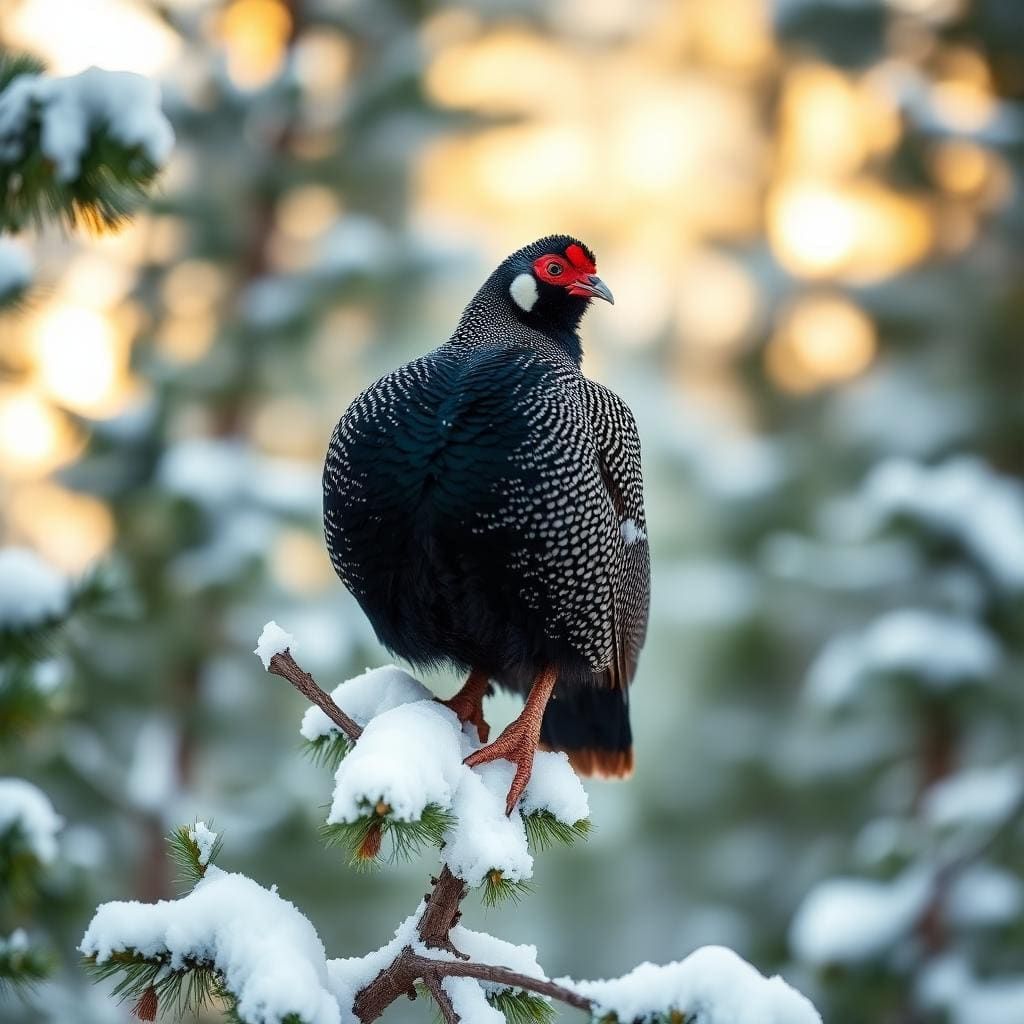
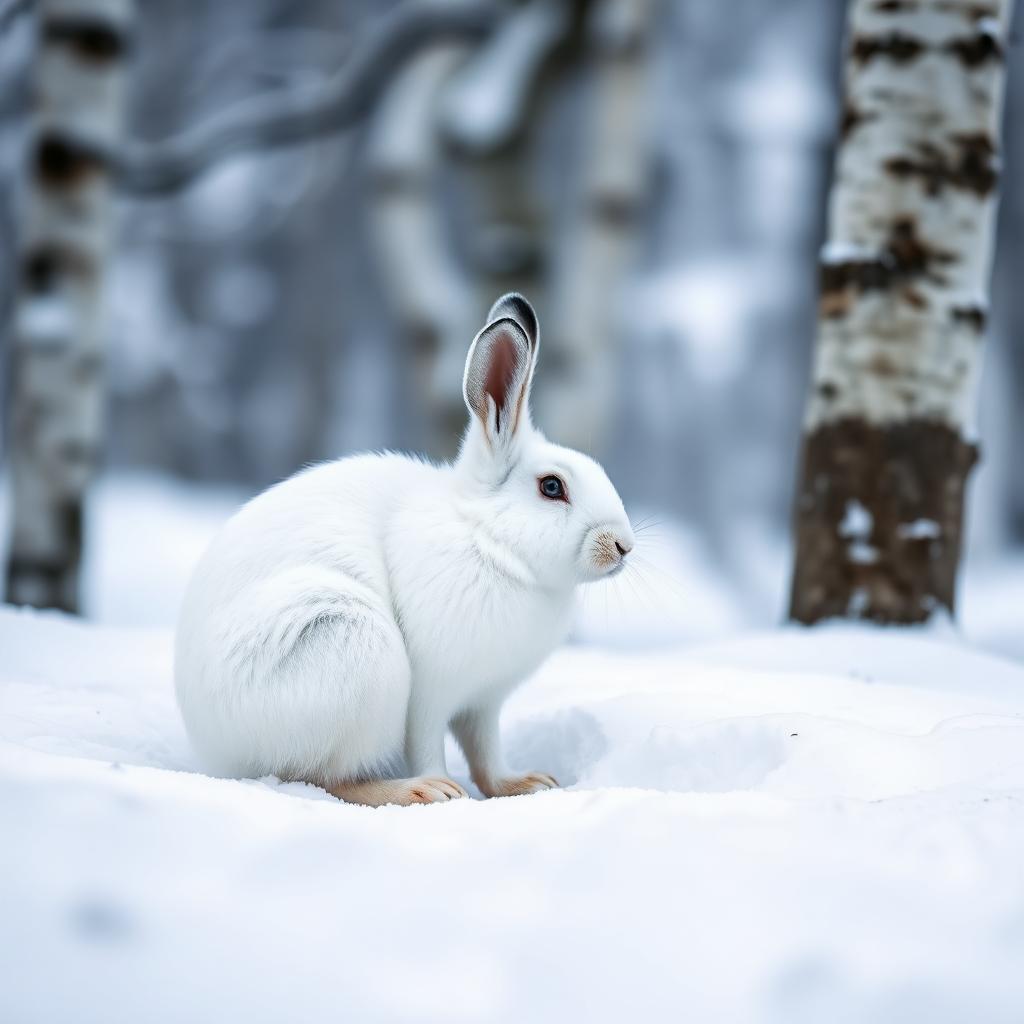
Wildlife found around Hunting District 380 (Crazy Mountains)



Compare side by side
Put the Hunting District 380 (Crazy Mountains) against any other pick on this list — specs, price, pros, cons and reader ratings.