



Reader rating
Rate it and you move it. Community ratings re-rank this product inside its Top 10 list.
Expert-picked, reader-ranked. Our editors choose the products and the launch order; member star ratings move picks up or down over time.
HD 201, covering portions of the Flathead National Forest, offers classic western Montana elk hunting. This unit features vast timbered mountains, deep drainages, and areas of past fires creating valuable forage. Public access is excellent across large tracts of national forest. While not as rugged as the Bob Marshall Wilderness, it still presents significant physical challenges with steep climbs and dense cover. This is primarily a timber hunting unit, where elk often bed in dark timber during the day, moving to openings to feed. Success here often relies on still-hunting or spot-and-stalk tactics within the timber. It receives moderate to heavy pressure, particularly close to Whitefish or Kalispell, but opportunities exist for those willing to get off the main trails. Archery hunting can be productive, and rifle season offers good chances, especially as snow pushes elk to lower elevations. Understanding forest road closures and access points is key. Best access is from various roads off Highway 2 or Highway 35, leading into the Flathead National Forest. Ideal seasons are late archery and the general rifle season, especially the middle weeks after initial pressure. Skill level is moderate to advanced; ability to navigate dense timber is crucial. Permits are standard general tags. Trade-offs include thick timber visibility challenges, moderate hunting pressure, and the presence of grizzly bears.
Pros
- Excellent public land access across vast tracts
- Diverse habitat with good forage in burn areas
- Opportunity for both archery and rifle success
- Classic western Montana big game experience
Cons
- Visibility challenges in dense timber
- Moderate hunting pressure, especially near roads
- Significant physical demands due to steep terrain
- Presence of grizzly bears requires constant vigilance
Best uses
- Backcountry elk hunting
- Timber still-hunting
- Physical challenge pursuit
- Western big game experience
Specifications
- Location
- Flathead National Forest, Northwestern Montana
- Primary Game
- Elk
- Access
- Public land via Highway 2 & 35 roads
- Terrain
- Steep, timbered mountains, deep drainages
- Key Feature
- Post-fire forest mosaic
Best for
Backcountry elk hunting, Timber still-hunting, Physical challenge pursuit, Western big game experience
Hunting District 201 carves out a significant chunk of the Flathead National Forest in northwestern Montana, offering a classic backcountry elk hunting experience. This is a landscape defined by its timbered mountains, often steep and broken by deep drainages. Recent wildfires have opened up valuable forage areas, creating a mosaic of dense cover and more accessible feeding grounds. The unit's public access is a major draw, with vast tracts of national forest land largely open to hunters, though understanding the specific road systems and closures is crucial for efficient navigation. While not as remote or rugged as the wilderness areas further south, HD 201 still demands a solid level of physical fitness and bushcraft. The terrain is challenging, with steep climbs and thick timber creating a true test of endurance and skill. Elk here are largely timber-dwelling, preferring the dense canopy for bedding during daylight hours and moving to more open areas to feed, particularly at dawn and dusk. Success in this unit hinges on patience, strategic still-hunting, and proficient spot-and-stalk tactics within the forest. Pressure is moderate, increasing near urban centers like Kalispell, but rewards await those willing to hike deeper into the unit.
Geography & Terrain
HD 201 is characterized by its heavily forested, mountainous terrain. Elevations vary significantly, from valley floors to high ridges, all blanketed by a mix of conifer species. Expect steep slopes and numerous drainages cutting through the landscape. Recent fire activity has opened up areas, creating valuable early successional habitat that elk gravitate towards for forage, contrasting with the dense, dark timber often used for bedding and cover. This varied landscape requires hunters to be proficient in navigating both open burn scars and thick, unbroken forest. Travel off-trail often involves significant bushwhacking and elevation changes, so physical conditioning and reliable navigation tools are non-negotiable for serious efforts.
Best Seasons
The late archery season and the general rifle season offer the prime windows for hunting in HD 201. Archery hunters often find success during the rut, particularly in late September and early October, when elk are more vocal and active. For rifle season, the middle weeks after the initial opening pressure often yield better results, as animals settle into more predictable patterns. As late fall progresses and snow begins to accumulate at higher elevations, elk naturally push down to lower country, making them more accessible, though hunting conditions become more challenging. Weather can shift rapidly, from mild autumn days to significant snowfalls, impacting both elk movement and hunter access.
Wildlife & Safety
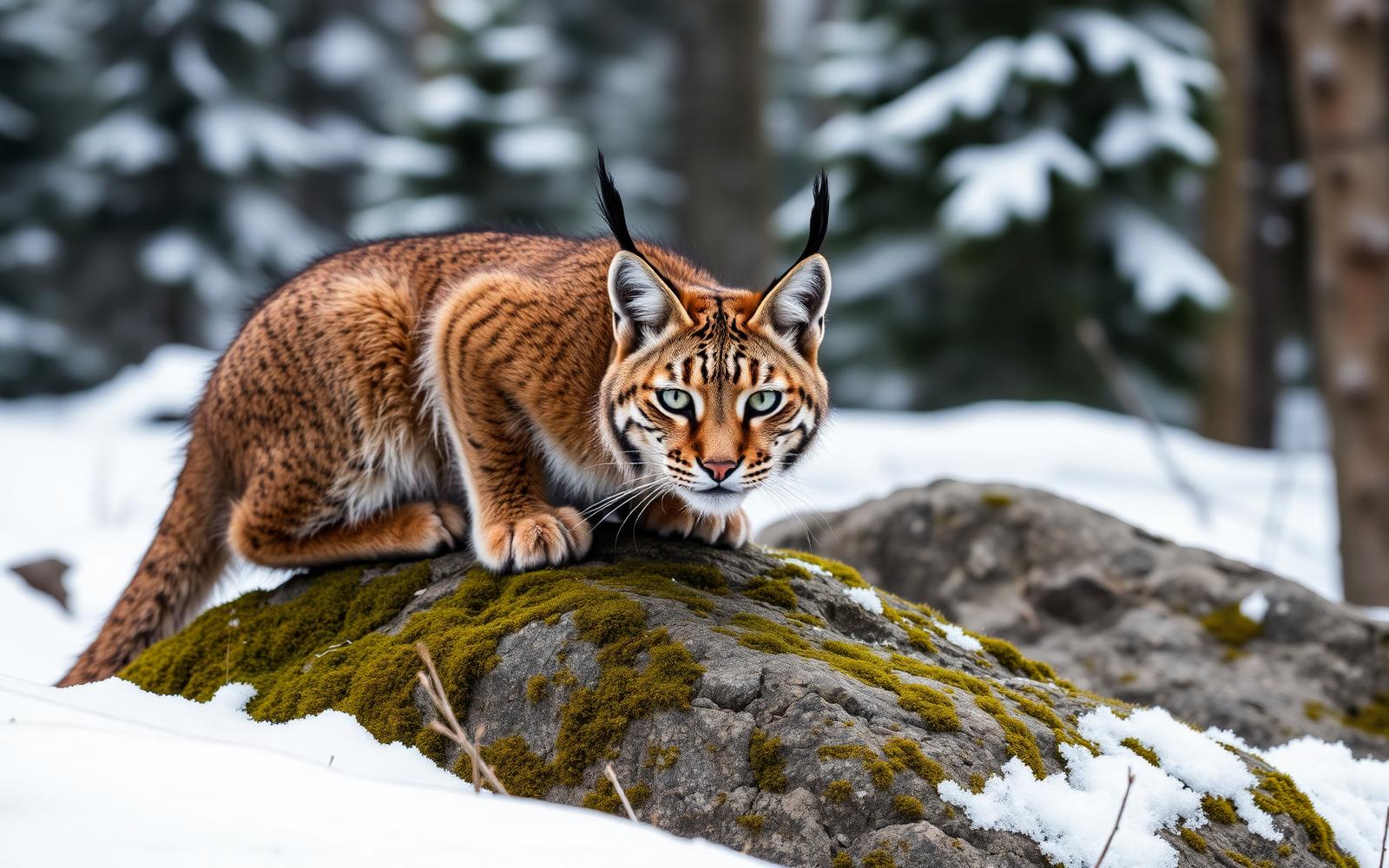
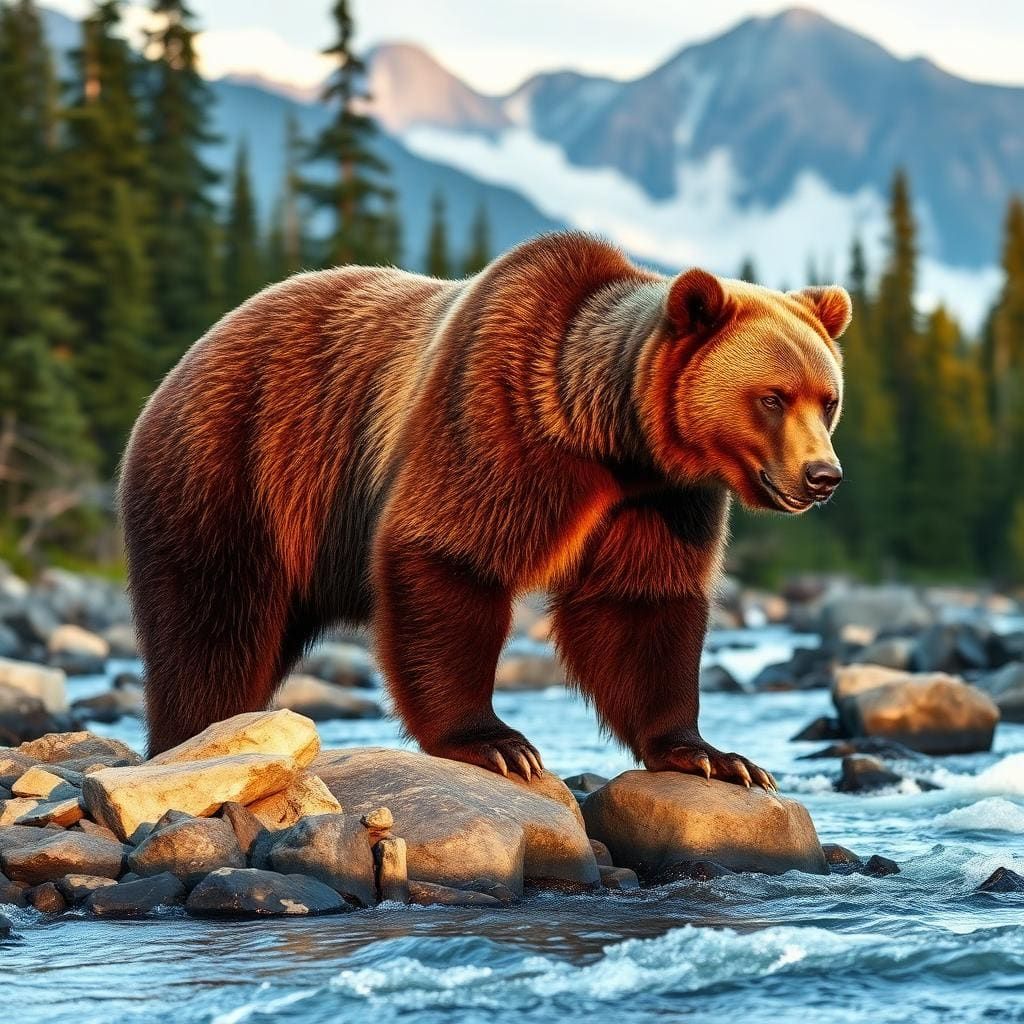
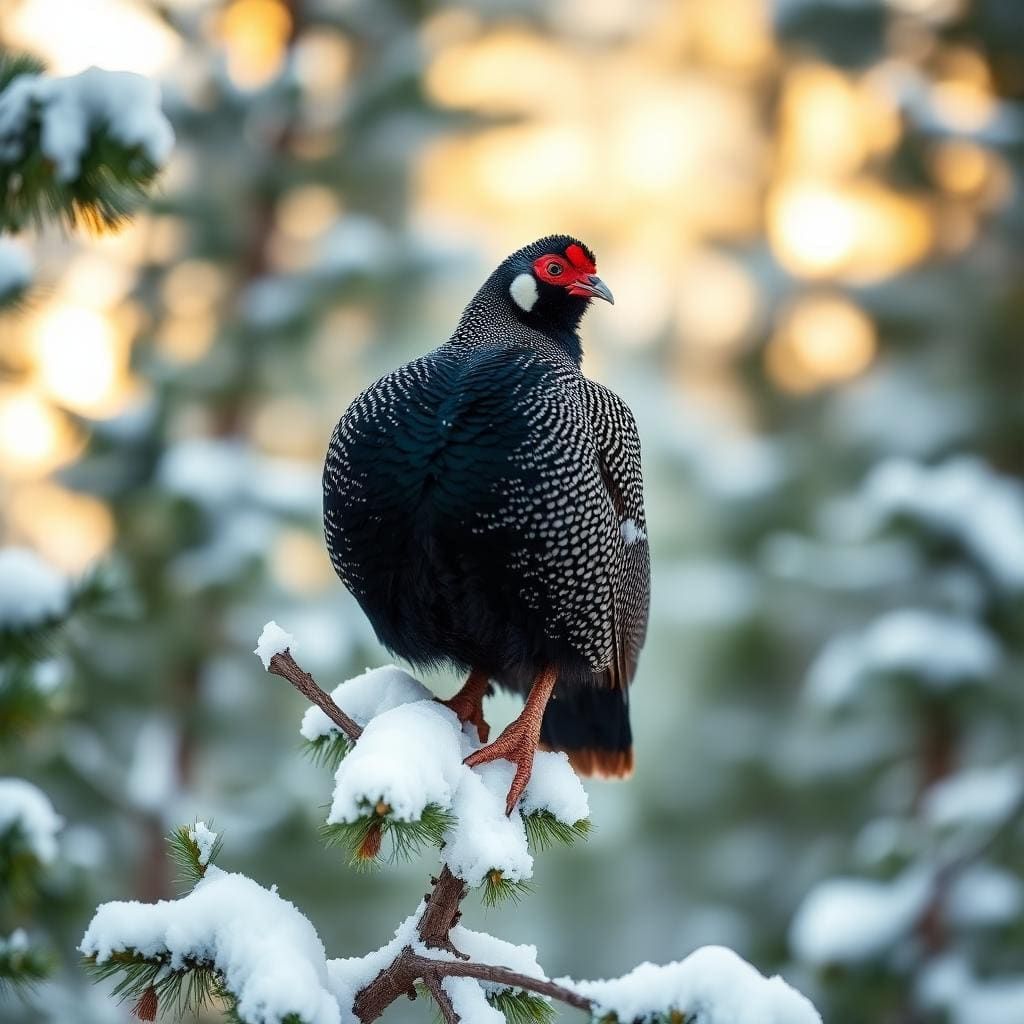
Beyond elk, the unit supports a diverse array of wildlife, including mule deer, whitetail deer, black bears, and a significant grizzly bear population. Being in grizzly country requires strict adherence to bear safety protocols: carry bear spray, know how to use it, and properly store food. Moose are also present, adding to the big game diversity. Bird species common to western Montana forests are abundant. Awareness of local wildlife, particularly apex predators, is crucial for both hunter safety and overall outdoor enjoyment. Encounters are possible, so vigilance and preparedness are essential when moving through this habitat.
Access & Permits
Public access to HD 201 is generally excellent, primarily via a network of forest service roads branching off major routes like Highway 2 and Highway 35. However, understanding current road closures, particularly seasonal ones or those related to timber operations, is critical. Maps and up-to-date information from the Flathead National Forest service or Montana FWP are essential. Hunters typically need a standard general elk tag for Montana, which requires careful attention to application deadlines if hunting as a non-resident. Walk-in access from designated trailheads or gated roads is common, often leading to less pressured areas deeper in the unit.
Key Tactics
Hunting in HD 201 is largely a timber game. Elk often bed in dense, dark timber during the day, moving out to feed in openings or clearings at dawn and dusk. Successful strategies involve careful still-hunting through thick timber, looking for fresh sign, and executing patient spot-and-stalk approaches. Covering ground quietly and methodically, using terrain to your advantage, is paramount. Calling can be effective during the archery rut. During rifle season, patience at pinch points and anticipating elk movement between bedding and feeding areas is key. Being willing to hike away from roads and into less accessible terrain significantly increases opportunities.
How we picked
We built this ranking from trip reports, agency data, permit records, and our editors' own time on the ground. 10 places made the final cut out of a much longer working list, and each one had to clear the same set of criteria before it earned a spot.
- Quality of the terrain
- Landscape, route variety, and whether the place rewards multiple days rather than one overlook.
- Season and weather windows
- How long the reliable window is, and how badly the shoulder seasons punish a bad forecast.
- Access and permits
- Trailhead logistics, permit odds, quotas, and how much lead time a trip realistically takes.
- Solitude vs. crowding
- How far you have to walk before the place feels like wilderness instead of a queue.
- Wildlife and ecology
- What you can reasonably expect to see, and what you have to plan around.
- Risk and skill required
- Navigation, water crossings, exposure, and rescue distance — stated plainly.
Hunting District 201 (Flathead National Forest) — frequently asked questions
- Is Hunting District 201 (Flathead National Forest) worth the trip?
- We rank it #7 in Montana Public Land Elk Units. HD 201, covering portions of the Flathead National Forest, offers classic western Montana elk hunting. This unit features vast timbered mountains, deep drainages, and areas of past fires creating valuable forage.
- Who is Hunting District 201 (Flathead National Forest) best for?
- Best for backcountry elk hunting, timber still-hunting, physical challenge pursuit and western big game experience. Standouts: excellent public land access across vast tracts and diverse habitat with good forage in burn areas.
- What are the drawbacks of Hunting District 201 (Flathead National Forest)?
- Visibility challenges in dense timber, Moderate hunting pressure, especially near roads and Significant physical demands due to steep terrain.
- What are the key details for Hunting District 201 (Flathead National Forest)?
- Location: Flathead National Forest, Northwestern Montana · Primary Game: Elk · Access: Public land via Highway 2 & 35 roads · Terrain: Steep, timbered mountains, deep drainages · Key Feature: Post-fire forest mosaic
- Geography & Terrain — what should I know about the Hunting District 201 (Flathead National Forest)?
- HD 201 is characterized by its heavily forested, mountainous terrain. Elevations vary significantly, from valley floors to high ridges, all blanketed by a mix of conifer species.
- Best Seasons — what should I know about the Hunting District 201 (Flathead National Forest)?
- The late archery season and the general rifle season offer the prime windows for hunting in HD 201. Archery hunters often find success during the rut, particularly in late September and early October, when elk are more vocal and active.
Where on earth
Satellite imagery flying in from a world view to Hunting District 201 (Flathead National Forest), Montana, United States. Use the + / − buttons, or click the map to zoom with your scroll wheel; drag to pan and pinch to zoom on touch.
Flathead National Forest, Swan Lake, MT, USA · 48.016, -113.757
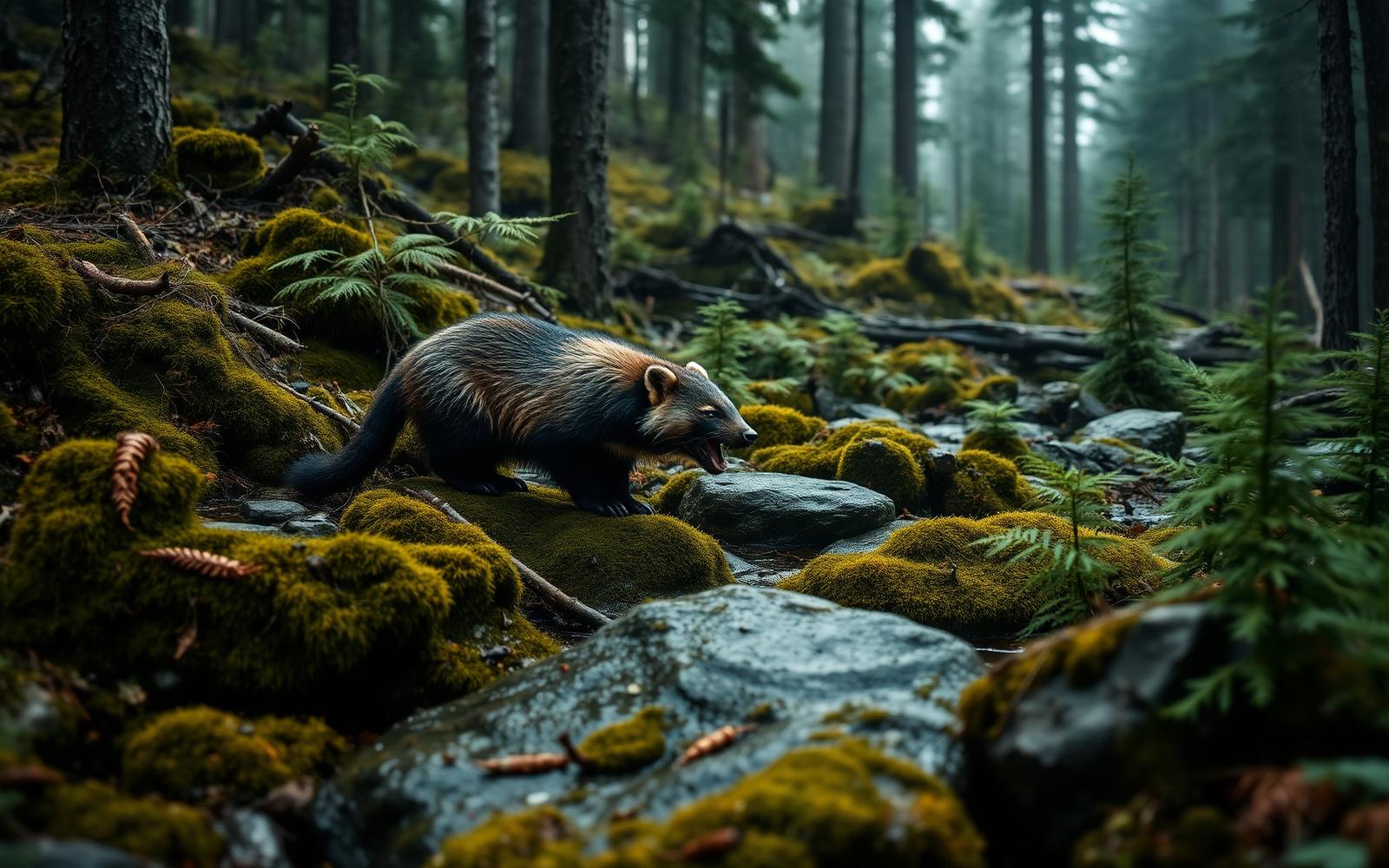
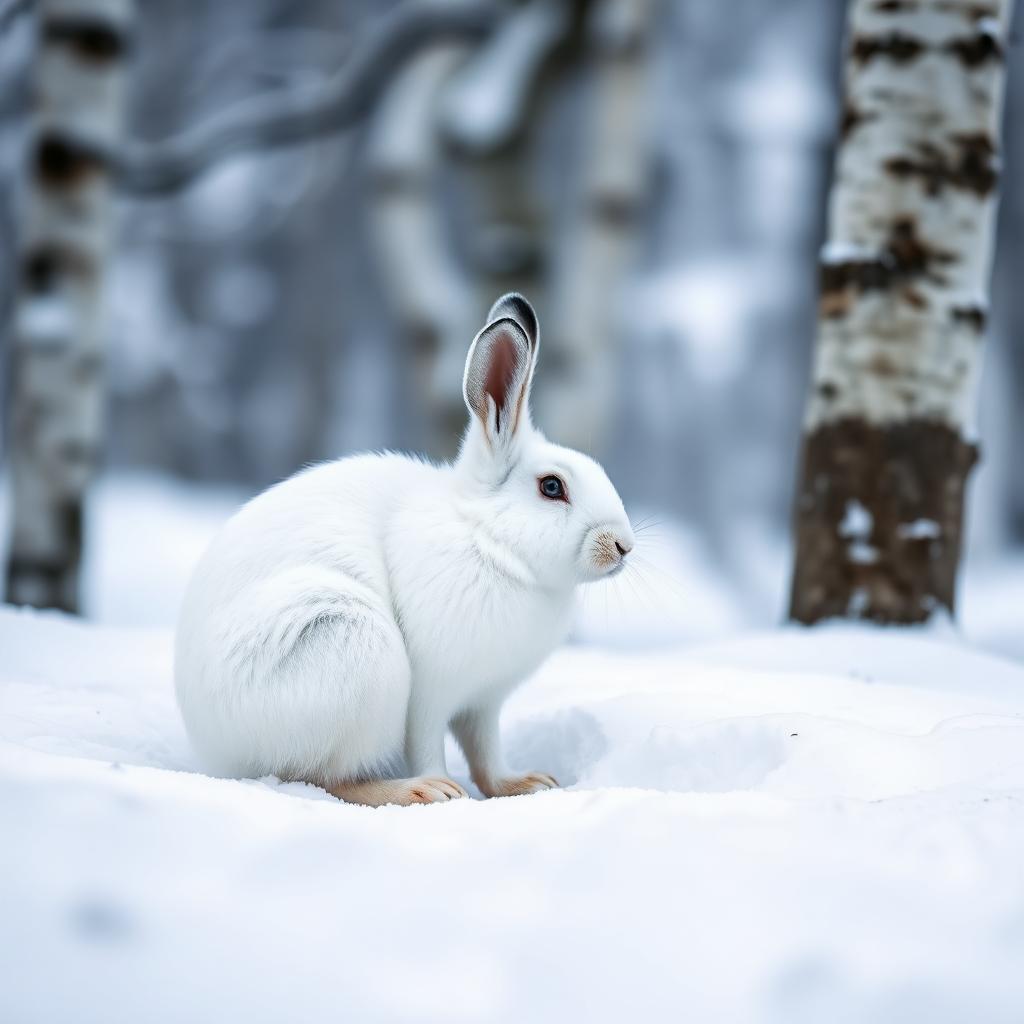
Wildlife found around Hunting District 201 (Flathead National Forest)


Compare side by side
Put the Hunting District 201 (Flathead National Forest) against any other pick on this list — specs, price, pros, cons and reader ratings.