



Reader rating
Rate it and you move it. Community ratings re-rank this product inside its Top 10 list.
Expert-picked, reader-ranked. Our editors choose the products and the launch order; member star ratings move picks up or down over time.
Situated in the Bitterroot Mountains, primarily within the Bitterroot National Forest, HD 130 offers rugged, heavily timbered hunting with good elk populations. The terrain is characterized by steep slopes, deep canyons, and thick conifer forests. Hamilton, Stevensville, and Darby are the main towns providing services. Access is via numerous forest roads and trailheads, though getting away from roads quickly leads to steep, difficult country. Archery season can be productive with calling strategies in the timbered draws. Rifle season often sees success as elk move with snow. This unit can hold significant numbers of elk, but their density in the thick timber makes them challenging to locate and hunt. Expect to work hard, covering steep ground. Grizzly bears are present, and wolves are established. Weather can range from mild to significant snow and cold. Success often comes to hunters who are patient, physically fit, and willing to push into the remote corners of the unit.
Pros
- Consistent elk populations in a challenging, wild environment
- Opportunities for both archery and rifle success
- Scenic, untamed mountain hunting experience
- Physical demands often reduce hunter density in remote areas
- Potential for trophy class animals for persistent hunters
Cons
- Extremely demanding terrain and thick timber
- Significant grizzly bear and wolf presence
- Weather can be highly unpredictable and severe
- Elk are challenging to locate and hunt in dense cover
- Access to remote areas requires considerable effort
Best uses
- Physically fit elk hunters
- Experienced backcountry hunters
- Hunters seeking rugged wilderness
- Archery rut calling strategies
- Late-season snow hunting
Specifications
- Location
- Western Montana, Bitterroot Mountains
- Primary Land
- Bitterroot National Forest
- Terrain
- Steep, heavily timbered, deep canyons
- Main Towns
- Hamilton, Stevensville, Darby
- Key Wildlife
- Elk, Mule Deer, Whitetail Deer, Grizzly Bear, Wolf
- Elevation Range
- 3,500 – 9,000+ feet
Best for
Physically fit elk hunters, Experienced backcountry hunters, Hunters seeking rugged wilderness, Archery rut calling strategies, Late-season snow hunting
Hunting District 130 carves out a rugged slice of the Bitterroot Mountains in Western Montana, primarily within the Bitterroot National Forest. This isn't a place for casual strolls; it's heavily timbered, defined by steep slopes, deep canyons, and dense conifer forests that demand respect and preparation. Elk populations here are robust, but they're well-adapted to the challenging terrain, often disappearing into the thick timber. Success in HD 130 hinges on a hunter’s willingness to push past easy access points and immerse themselves in truly wild country. Expect to earn every opportunity through hard miles and intelligent hunting. Serviced by towns like Hamilton, Stevensville, and Darby, the unit offers a balance between remote wilderness and necessary amenities. Access is decent via a network of forest roads and trailheads, but don't mistake 'access' for 'easy hunting'. The moment you step off the beaten path, the real work begins, climbing steep grades and navigating dense cover. This district rewards the patient, the persistent, and those who arrive in peak physical condition, ready to tackle significant elevation changes and unpredictable mountain weather. It’s a classic Western hunt, challenging but deeply rewarding for those who embrace the grind.
Geography & Terrain
HD 130 occupies a substantial portion of the Bitterroot Mountains, characterized by an intensely folded landscape. Elevations range from lower river valleys up to high alpine ridges exceeding 9,000 feet. The overwhelming feature is dense conifer forest – lodgepole, Douglas fir, and ponderosa pine – punctuated by numerous drainages and steep-sided canyons. Open parks are rare, and visibility is often limited to a few dozen yards in the timber. Snowpack can be significant at higher elevations well into spring and can arrive early in the fall, dictating elk movement and hunter access. The ground is often rocky, covered in deadfall, and requires constant attention to footing.
Best Season & Weather
Archery season, typically September, offers good opportunities for calling elk in the timbered draws, especially during the rut. Expect crisp mornings and mild to warm afternoons, though overnight frosts are common. Rifle season, generally October through November, often sees elk pushed by early snows to lower elevations, which can concentrate them. However, late-season hunting can bring severe cold, heavy snow, and limited access to higher elevations. Weather shifts rapidly in the mountains; a sunny morning can turn into a blizzard by afternoon. Always pack for all conditions, regardless of the forecast, and monitor road status. Mid-October to early November often provides a solid window.
Wildlife Present
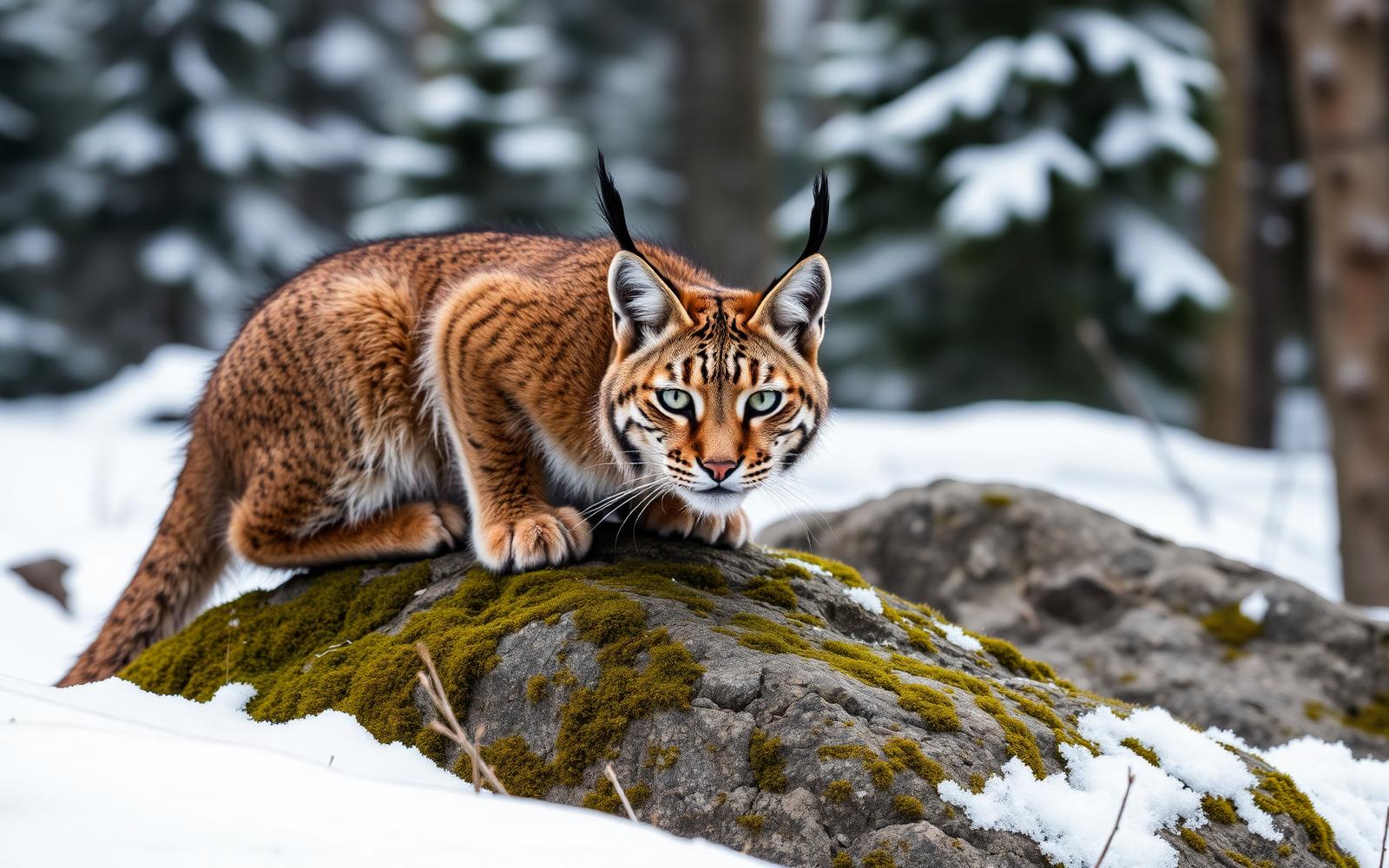
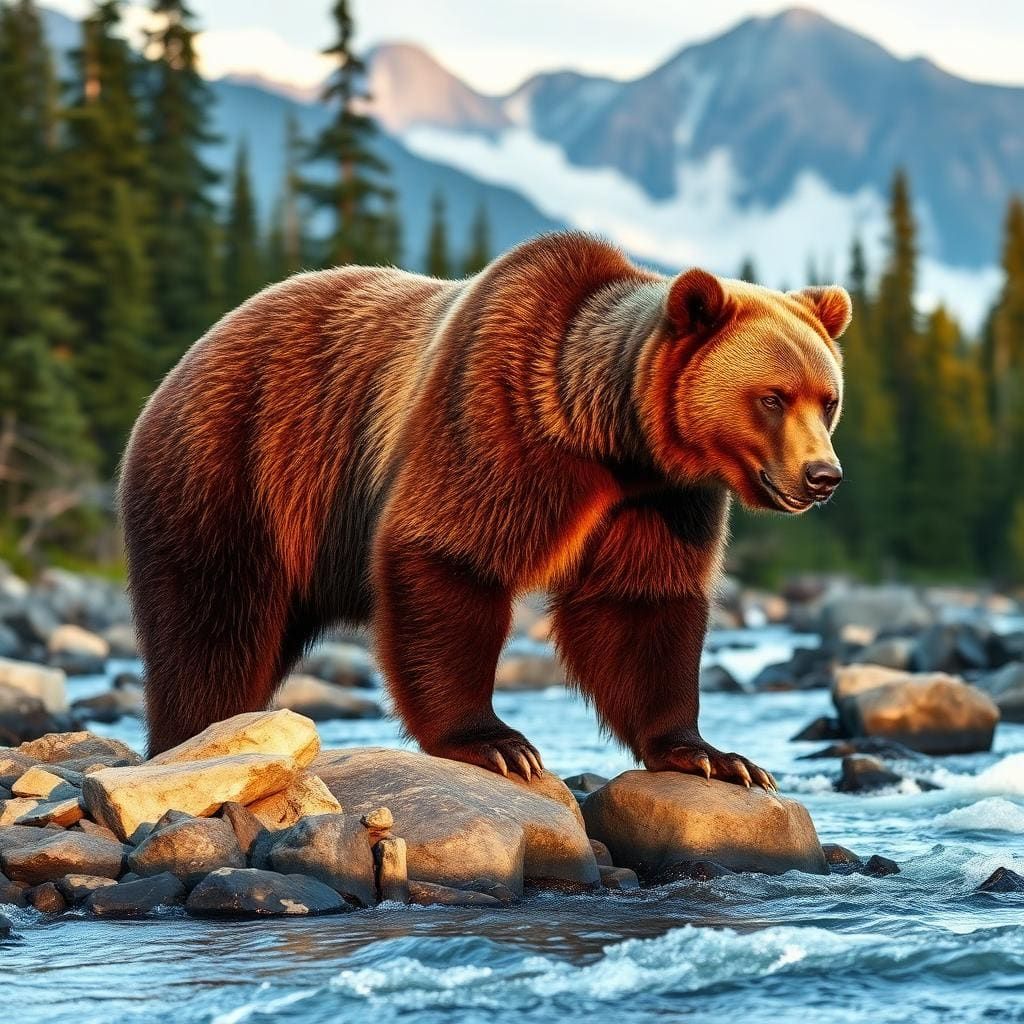
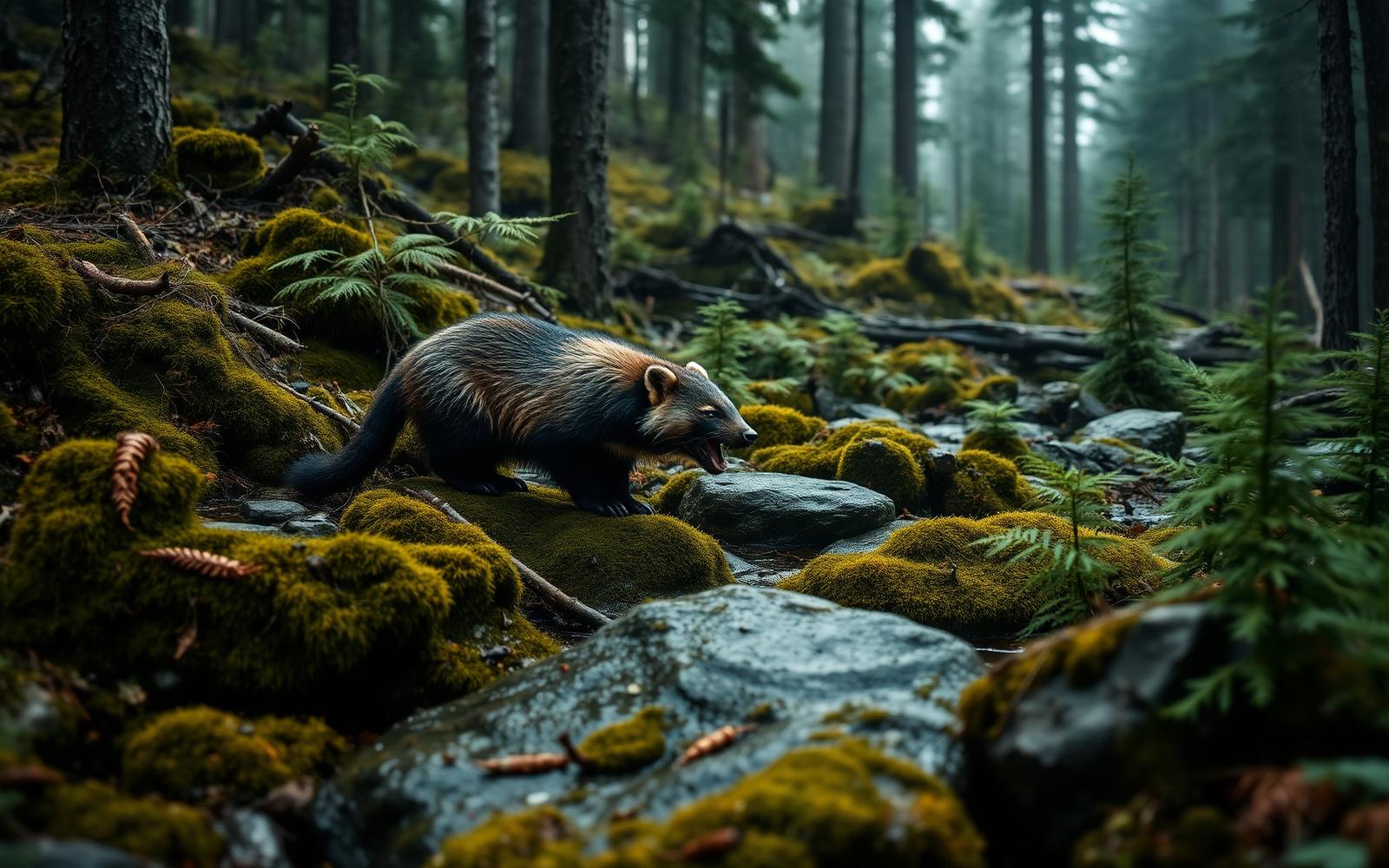
Elk are the primary draw, found throughout the unit but often concentrated in the thickest cover. Mule deer and whitetail deer are also present, particularly in transition zones and riparian areas. However, hunters must be aware of the robust predator populations. Grizzly bears are established and common, requiring vigilant awareness and proper food storage. Black bears are also prevalent. Wolf packs are well-established across the unit, influencing elk behavior and distribution. Other species include moose in higher wetlands, mountain lions, and a variety of smaller mammals and birds typical of a dense mountain ecosystem. Prepare for predator encounters.
Key Routes & Attractions
Access largely revolves around the West Fork of the Bitterroot River and its tributaries, with numerous forest roads branching off US-93 near Darby. Main trailheads include those leading into the Selway-Bitterroot Wilderness from the eastern boundary, such as the Magruder Corridor. While the entire unit can be considered an 'attraction' for serious hunters, specific hot spots often relate to elevation transitions where elk move between summer and winter range. Exploring the extensive trail system allows penetration into remote basins. Outside of hunting, the region offers excellent fly fishing, hiking, and backpacking in designated wilderness areas, though hunting opportunities are the main draw here.
Permits & Access
Hunting in HD 130 requires a valid Montana hunting license and specific elk tags. Non-residents typically apply for limited entry permits or general tags through an annual lottery system, often needing to purchase a full suite of licenses. Residents generally have more direct access to general tags. Specific seasons (archery, general rifle, late shoulder seasons) have defined dates. Access is primarily via forest service roads; however, many are seasonal and subject to closures due to snow or fire danger. Some interior areas are only accessible by foot or horseback, particularly within the Selway-Bitterroot Wilderness, which abuts portions of the unit. Always check current FWP regulations and Forest Service road status before heading out.
How we picked
We built this ranking from trip reports, agency data, permit records, and our editors' own time on the ground. 10 places made the final cut out of a much longer working list, and each one had to clear the same set of criteria before it earned a spot.
- Quality of the terrain
- Landscape, route variety, and whether the place rewards multiple days rather than one overlook.
- Season and weather windows
- How long the reliable window is, and how badly the shoulder seasons punish a bad forecast.
- Access and permits
- Trailhead logistics, permit odds, quotas, and how much lead time a trip realistically takes.
- Solitude vs. crowding
- How far you have to walk before the place feels like wilderness instead of a queue.
- Wildlife and ecology
- What you can reasonably expect to see, and what you have to plan around.
- Risk and skill required
- Navigation, water crossings, exposure, and rescue distance — stated plainly.
Hunting District 130 — frequently asked questions
- Is Hunting District 130 worth the trip?
- We rank it #9 in Top 10 Montana Public Elk Units. Situated in the Bitterroot Mountains, primarily within the Bitterroot National Forest, HD 130 offers rugged, heavily timbered hunting with good elk populations. The terrain is characterized by steep slopes, deep canyons, and thick conifer forests.
- Who is Hunting District 130 best for?
- Best for physically fit elk hunters, experienced backcountry hunters, hunters seeking rugged wilderness and archery rut calling strategies. Standouts: consistent elk populations in a challenging, wild environment and opportunities for both archery and rifle success.
- What are the drawbacks of Hunting District 130?
- Extremely demanding terrain and thick timber, Significant grizzly bear and wolf presence and Weather can be highly unpredictable and severe.
- What are the key details for Hunting District 130?
- Location: Western Montana, Bitterroot Mountains · Primary Land: Bitterroot National Forest · Terrain: Steep, heavily timbered, deep canyons · Main Towns: Hamilton, Stevensville, Darby · Key Wildlife: Elk, Mule Deer, Whitetail Deer, Grizzly Bear, Wolf
- Geography & Terrain — what should I know about the Hunting District 130?
- HD 130 occupies a substantial portion of the Bitterroot Mountains, characterized by an intensely folded landscape. Elevations range from lower river valleys up to high alpine ridges exceeding 9,000 feet.
- Best Season & Weather — what should I know about the Hunting District 130?
- Archery season, typically September, offers good opportunities for calling elk in the timbered draws, especially during the rut. Expect crisp mornings and mild to warm afternoons, though overnight frosts are common.
Where on earth
Satellite imagery flying in from a world view to Hunting District 130, Montana, United States. Use the + / − buttons, or click the map to zoom with your scroll wheel; drag to pan and pinch to zoom on touch.
Montana, USA · 46.880, -110.363
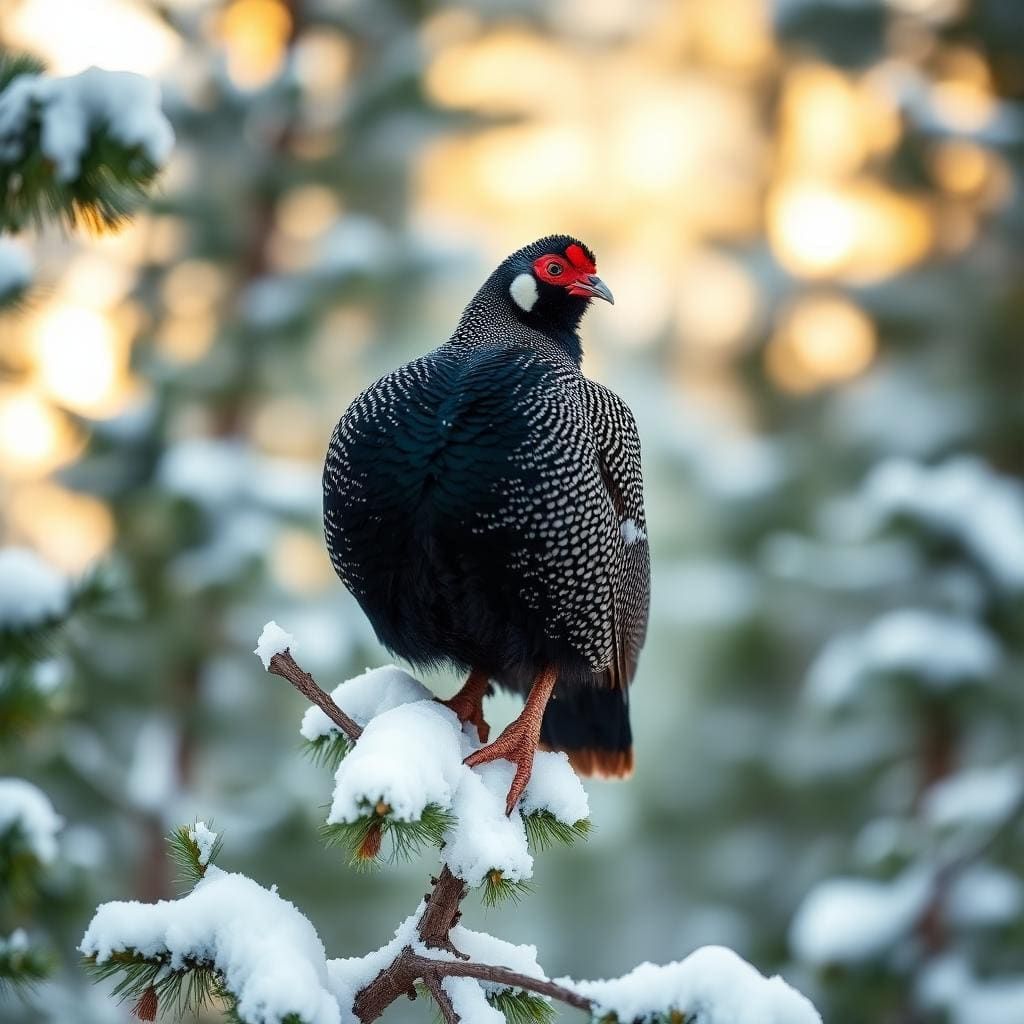
Wildlife found around Hunting District 130



Compare side by side
Put the Hunting District 130 against any other pick on this list — specs, price, pros, cons and reader ratings.