



Reader rating
Rate it and you move it. Community ratings re-rank this product inside its Top 10 list.
Expert-picked, reader-ranked. Our editors choose the products and the launch order; member star ratings move picks up or down over time.
HD 201, located in the Yaak River Valley and surrounding mountains within the Kootenai National Forest, provides a remote and challenging elk hunting experience. This area is characterized by dense, often wet, timber, steep terrain, and numerous small drainages. Libby and Troy are the nearest towns for services. Access is via a network of forest roads, though many are unmaintained or require 4x4. Elk numbers here are generally lower than in other parts of Montana, but the bulls can be impressive, often older and more elusive due to the thick cover and lower pressure. Archery hunting involves a lot of still-hunting and listening for bugles in the dense timber. Rifle season success often comes from patiently still-hunting or glassing clear-cuts and open slopes. This unit sees significant rainfall and early snow, making for challenging hunting conditions. Grizzly bears and wolves are present. Hunters need to be proficient with a compass and map, or GPS, as visibility can be limited. The reward is a wild elk from a truly remote corner of Montana.
Pros
- Opportunity for older, more elusive bulls
- Truly remote and wild hunting experience
- Low hunting pressure compared to other units
- Abundant public land access
- Challenging terrain builds resilience
Cons
- Lower elk densities than other regions
- Steep, dense, and often wet terrain
- Significant grizzly bear and wolf presence
- Access roads can be very rough and demanding
- Frequent rain and early snow create harsh conditions
Best uses
- Backcountry elk hunting
- Physical challenge seeker
- Experienced wilderness hunter
- Archery still-hunting
- Spot-and-stalk rifle hunting
Specifications
- Location
- Northwest Montana, Kootenai National Forest
- Primary Game
- Elk
- Nearest Towns
- Libby, Troy
- Terrain
- Dense timber, steep mountains, drainages
- Access
- Forest roads (variable condition, 4x4 often needed)
- Predators
- Grizzly bears, wolves
Best for
Backcountry elk hunting, Physical challenge seeker, Experienced wilderness hunter, Archery still-hunting, Spot-and-stalk rifle hunting
Hunting District 201, nestled within the Yaak River Valley and the Kootenai National Forest in Northwest Montana, offers a truly wild and demanding elk hunting experience. This rugged landscape is dominated by dense, often wet, conifer forests, steep mountainous terrain, and an intricate network of drainages. The nearest towns, Libby and Troy, provide basic services, but the unit itself is characterized by its remoteness and the challenging access via a mixed bag of maintained and unmaintained forest roads, often requiring four-wheel drive. Elk populations in HD 201 are not as high as in some other parts of Montana, which contributes to the difficulty, but also to the quality of the bulls found here. Due to the thick cover and lower hunting pressure, these elk tend to be older, wiser, and more elusive. This unit sees significant rainfall and early snowfall, creating harsh conditions that demand physical fitness, robust gear, and a high level of backcountry navigation skill. Visibility can be limited, making proficient use of maps, compass, or GPS essential for hunter safety and success. The reward for enduring these challenges is a hard-earned elk from one of Montana's most untamed regions.
Geography and Terrain
HD 201 encompasses the rugged Yaak River Valley and surrounding mountain ranges within the expansive Kootenai National Forest. The landscape is characterized by its predominantly thick, often wet, coniferous forests that provide dense cover for wildlife. Steep slopes and numerous small drainages dissect the terrain, making travel arduous and demanding both physically and mentally. Elevations vary significantly, impacting vegetation and snowpack. While some clear-cuts and open slopes exist, the majority of the hunting occurs within the timber. Navigation is paramount here, as visibility can be severely limited by the dense tree canopy and weather.
Best Seasons
The best hunting windows for HD 201 are late September through early November, covering both archery and rifle seasons. Archery season in September offers opportunities to locate bulls by bugling in the dense timber, especially during the rut. Rifle season, typically starting in late October, can bring challenging conditions with significant rainfall and early snow, but these weather patterns can also concentrate elk. Success often comes from patient still-hunting or methodical glassing of open areas. Be prepared for rapid weather changes and be equipped for cold, wet conditions at any point during these months.
Wildlife Present
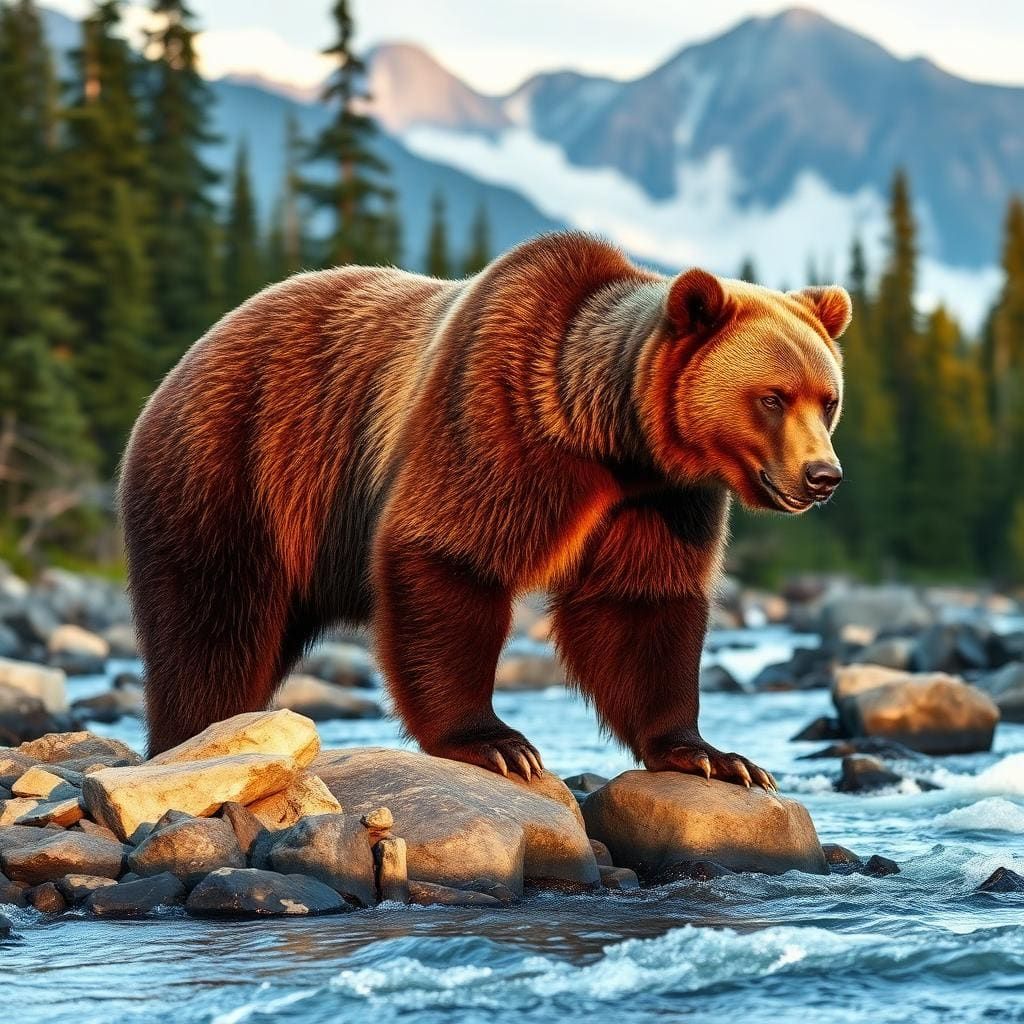
Beyond the impressive elk, HD 201 is home to a diverse array of wildlife, including healthy populations of deer, black bears, and a substantial presence of apex predators. Grizzly bears are resident in the unit and their presence requires constant vigilance and appropriate bear safety protocols. Wolves also inhabit this region, adding another layer of challenge and wildness to the hunting experience. Other species like moose, bighorn sheep, and various smaller mammals and birds contribute to the rich ecological tapestry of the Yaak. Hunters must be aware of their surroundings and prepared for encounters with dangerous game.
Key Routes and Access
Access to HD 201 is primarily via a network of forest roads branching off main highways that pass through Libby and Troy. These roads vary greatly in condition; some are well-maintained gravel, while many are rough, unmaintained, or become impassable with wet weather or snow. A high-clearance 4x4 vehicle is often essential for reaching deeper into the unit. Hunters should carry detailed maps, a reliable GPS, and be prepared for self-rescue or long walks if vehicle issues arise. Be aware that some gates may be seasonal or permanently closed, requiring foot access. Familiarize yourself with Kootenai National Forest motor vehicle use maps before venturing out.
Permits and Regulations
Elk hunting in HD 201 requires standard Montana hunting licenses and elk tags, typically available through a draw system for non-residents, and over-the-counter or through a draw for residents depending on the tag type. Special permits for specific seasons or weapon types may also apply. Hunters must thoroughly review the current Montana Fish, Wildlife & Parks regulations and specific unit rules each year, as season dates, bag limits, and legal methods of take can change. Public land access is governed by Kootenai National Forest regulations. Respect private land boundaries where they exist, although the majority of this unit is public forest land.
How we picked
We built this ranking from trip reports, agency data, permit records, and our editors' own time on the ground. 10 places made the final cut out of a much longer working list, and each one had to clear the same set of criteria before it earned a spot.
- Quality of the terrain
- Landscape, route variety, and whether the place rewards multiple days rather than one overlook.
- Season and weather windows
- How long the reliable window is, and how badly the shoulder seasons punish a bad forecast.
- Access and permits
- Trailhead logistics, permit odds, quotas, and how much lead time a trip realistically takes.
- Solitude vs. crowding
- How far you have to walk before the place feels like wilderness instead of a queue.
- Wildlife and ecology
- What you can reasonably expect to see, and what you have to plan around.
- Risk and skill required
- Navigation, water crossings, exposure, and rescue distance — stated plainly.
Hunting District 201 — frequently asked questions
- Is Hunting District 201 worth the trip?
- We rank it #8 in Top 10 Montana Public Elk Units. HD 201, located in the Yaak River Valley and surrounding mountains within the Kootenai National Forest, provides a remote and challenging elk hunting experience. This area is characterized by dense, often wet, timber, steep terrain, and numerous small drainages.
- Who is Hunting District 201 best for?
- Best for backcountry elk hunting, physical challenge seeker, experienced wilderness hunter and archery still-hunting. Standouts: opportunity for older, more elusive bulls and truly remote and wild hunting experience.
- What are the drawbacks of Hunting District 201?
- Lower elk densities than other regions, Steep, dense, and often wet terrain and Significant grizzly bear and wolf presence.
- What are the key details for Hunting District 201?
- Location: Northwest Montana, Kootenai National Forest · Primary Game: Elk · Nearest Towns: Libby, Troy · Terrain: Dense timber, steep mountains, drainages · Access: Forest roads (variable condition, 4x4 often needed)
- Geography and Terrain — what should I know about the Hunting District 201?
- HD 201 encompasses the rugged Yaak River Valley and surrounding mountain ranges within the expansive Kootenai National Forest. The landscape is characterized by its predominantly thick, often wet, coniferous forests that provide dense cover for wildlife.
- Best Seasons — what should I know about the Hunting District 201?
- The best hunting windows for HD 201 are late September through early November, covering both archery and rifle seasons. Archery season in September offers opportunities to locate bulls by bugling in the dense timber, especially during the rut.
Where on earth
Satellite imagery flying in from a world view to Hunting District 201, Montana, United States. Use the + / − buttons, or click the map to zoom with your scroll wheel; drag to pan and pinch to zoom on touch.
Montana, USA · 46.880, -110.363
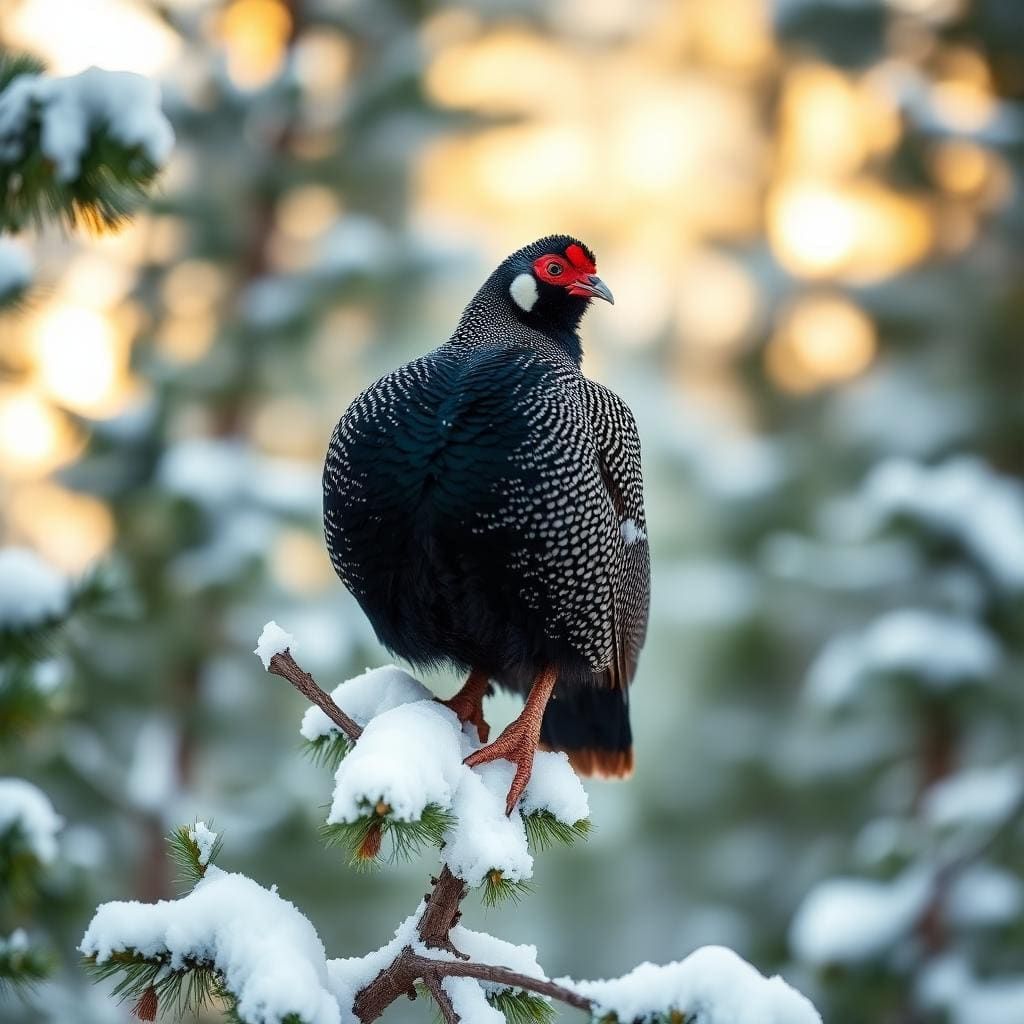
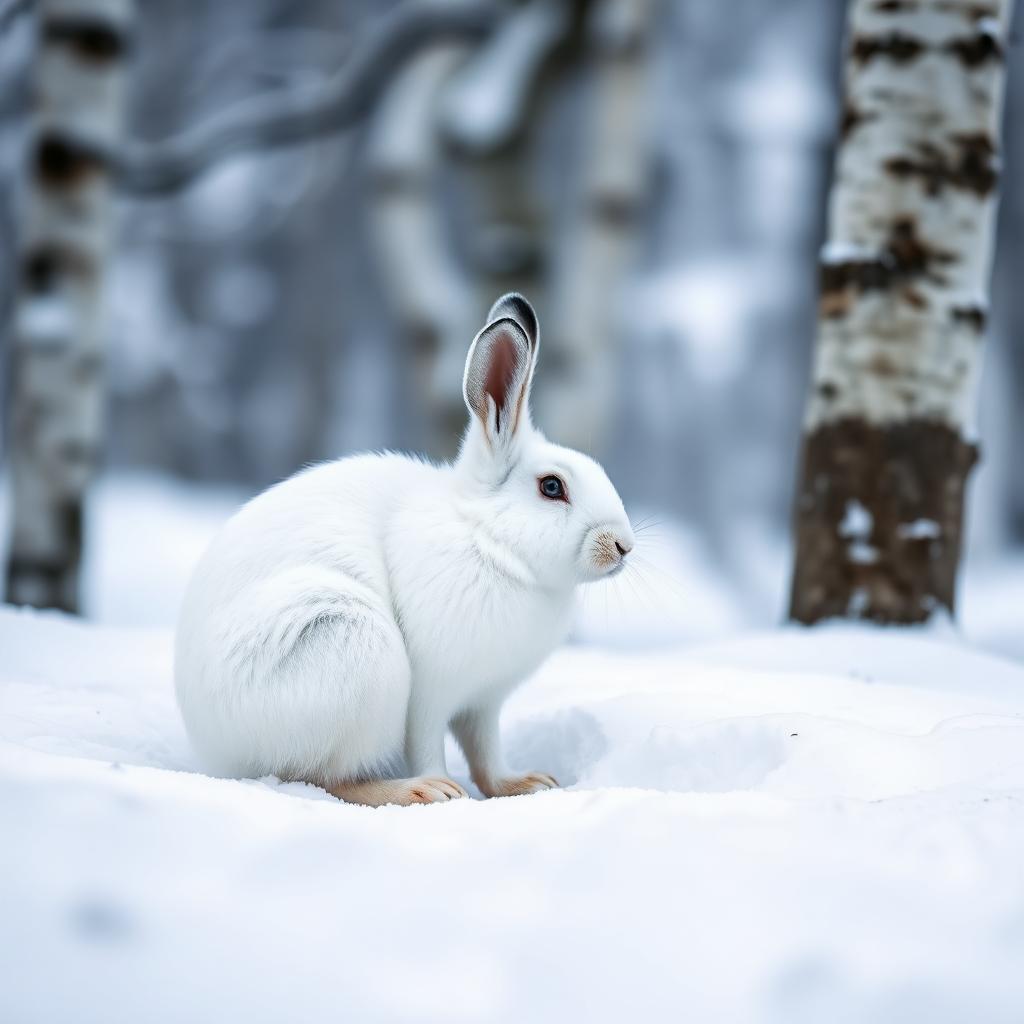
Wildlife found around Hunting District 201





Compare side by side
Put the Hunting District 201 against any other pick on this list — specs, price, pros, cons and reader ratings.