



Reader rating
Rate it and you move it. Community ratings re-rank this product inside its Top 10 list.
Expert-picked, reader-ranked. Our editors choose the products and the launch order; member star ratings move picks up or down over time.
Encompassing a large portion of the Anaconda-Pintler Wilderness and surrounding National Forest lands, HD 250 offers a rugged, demanding, but rewarding elk hunt. The landscape is characterized by high peaks, alpine lakes, thick timber, and steep valleys. Nearest towns are Darby and Philipsburg. Access is primarily via designated trailheads, often requiring significant hikes or horseback rides into the wilderness. This unit is well-suited for a multi-day backcountry hunt. Archery season can be excellent for calling bulls in the timber. Rifle season success often hinges on snow pushing elk to more accessible elevations. Expect extreme weather, including early and heavy snow, and prepare for grizzly bear encounters. This unit is physically demanding, requiring excellent fitness and wilderness skills. Hunters who are willing to pack deep into the wilderness and stay for multiple days often find less pressured elk and higher success rates. Field dressing and packing out an animal from this terrain is a major undertaking.
Pros
- Opportunity for unpressured elk in deep wilderness
- Stunning mountain scenery and true backcountry experience
- Good potential for mature bulls, especially during archery season
- Rewards physical fitness and advanced wilderness skills
Cons
- Extremely physically demanding, requires peak fitness
- Grizzly bear presence necessitates constant vigilance and safety protocols
- Logistically challenging for packing out meat from remote areas
- Unpredictable and severe mountain weather can be a major factor
- Low hunter success rate for those unprepared for the challenge
Best uses
- Multi-day backcountry elk hunts
- Archery season calling operations
- Experienced, self-sufficient hunters
- Horseback supported expeditions
Specifications
- Location
- Western Montana, Anaconda-Pintler Wilderness
- Primary Game
- Elk
- Access
- Trailheads, foot/horseback, multi-day pack-in
- Terrain
- High peaks, alpine lakes, thick timber, steep valleys
- Nearest Towns
- Darby, Philipsburg
- Wildlife Hazard
- Grizzly bears present
Best for
Multi-day backcountry elk hunts, Archery season calling operations, Experienced, self-sufficient hunters, Horseback supported expeditions
Hunting District 250, nestled within the expansive Anaconda-Pintler Wilderness and adjacent National Forest lands of Western Montana, stands as a formidable challenge and a potential reward for the serious elk hunter. This isn't a unit for the faint of heart; its character is defined by towering peaks, pristine alpine lakes, dense timber, and deeply carved valleys. The nearest supply points are the small towns of Darby and Philipsburg, offering essential services before you vanish into the backcountry. Access primarily funnels through designated trailheads, and reaching productive hunting grounds almost invariably demands a significant commitment of effort, whether on foot or horseback. This is a multi-day backcountry hunt, plain and simple, requiring an investment in time and physical stamina. Success here often hinges on embracing the wilderness fully. Archery season provides prime opportunities for calling bulls in the heavy timber, a testament to the unit's mature forest ecosystems. For rifle hunters, early snow plays a critical role, pushing elk from high country to more accessible, though still challenging, elevations. Expect the full spectrum of mountain weather, including abrupt and heavy snowfalls, particularly later in the season. Preparation for potential grizzly bear encounters is not an option, it's a necessity. This district demands peak physical condition, advanced wilderness skills, and a willingness to operate self-sufficiently far from any road. Those who embrace these demands often find less pressured animals and a higher chance of success, but be warned: packing out an elk from these remote reaches is an immense undertaking.
Geography & Terrain
HD 250 is rugged, characterized by a series of steep mountain ranges, cirques, and deep drainages carved by glacial activity. Elevations range significantly, from valley floors around 5,000 feet up to peaks well over 10,000 feet. The landscape transitions from dense coniferous forests at lower and mid-elevations to subalpine parklands and exposed alpine tundra higher up. Expect a mix of old-growth timber, recent burns, and thick regrowth providing ample cover for elk. Travel is often off-trail and demanding, with rockslides, deadfall, and creek crossings being common obstacles. This is unforgiving country where navigation skills and physical endurance are paramount for effective hunting.
Best Season & Weather
Archery season, typically early September, offers good opportunities for calling bulls as they are in the rut. Expect crisp mornings, warm afternoons, and a chance of early snow at higher elevations. Rifle season, generally late October through November, sees more extreme conditions. Early heavy snows can significantly improve success by pushing elk to lower, more accessible areas. However, these same snows can make travel treacherous and prolonged exposure dangerous. Be prepared for sub-freezing temperatures, blizzards, and rapid weather shifts regardless of season. This unit requires gear rated for severe mountain conditions and a flexible itinerary.
Wildlife & Hazards
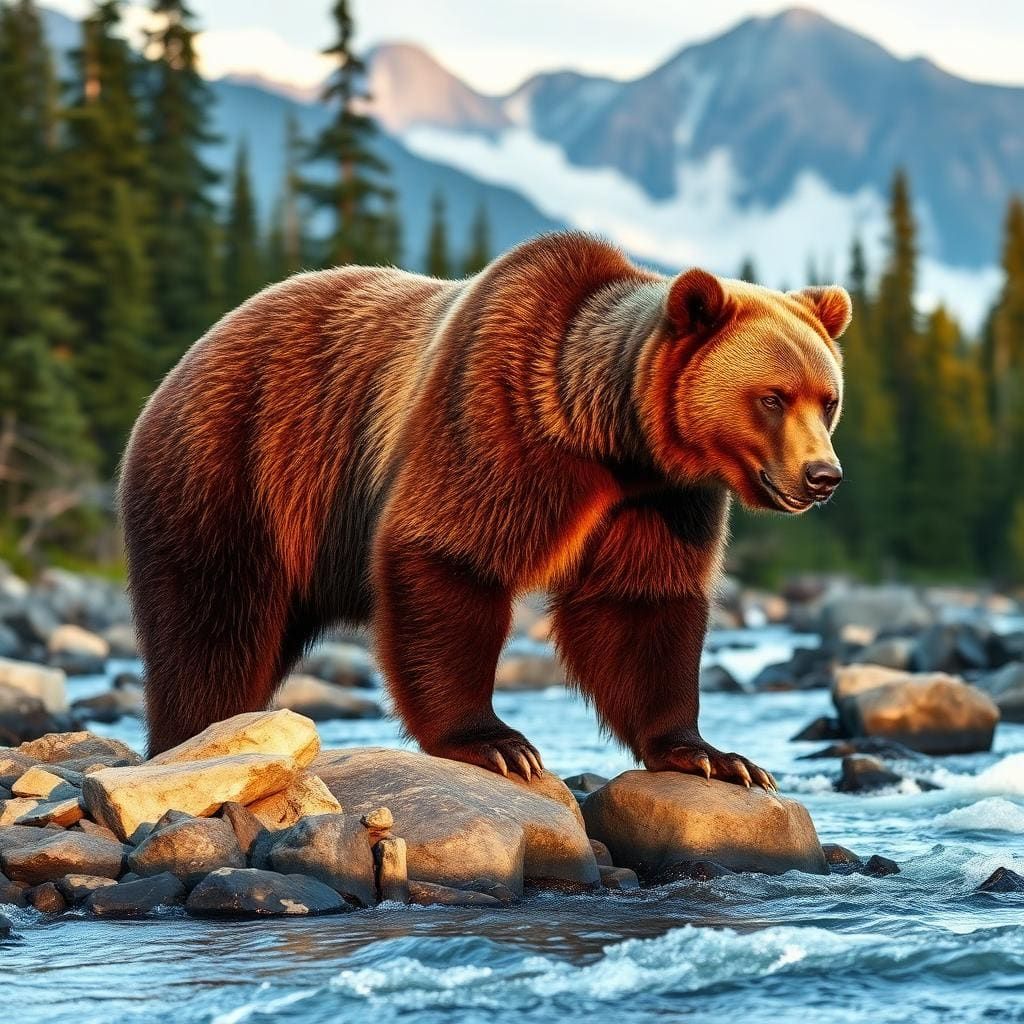
Elk are the primary draw, but the ecosystem supports a diverse array of wildlife, including moose, deer, bighorn sheep, and mountain goats in specific high-alpine areas. Key predators include mountain lions, wolves, and critically, grizzly bears. Bear encounters are a real possibility, especially during hunting seasons when they are actively foraging before denning. Proper food storage, bear spray, and vigilance are non-negotiable. Other hazards include unpredictable weather, hypothermia, difficult terrain leading to falls, and getting lost. This unit tests one's backcountry savvy and self-reliance at every turn.
Key Routes & Attractions
While specific 'routes' are often chosen by individual hunters based on sign and terrain, popular entry points include trailheads along the West Fork of the Bitterroot River and those accessed from Highway 1 near Philipsburg. The Anaconda-Pintler Wilderness itself is the main attraction, offering pristine, undeveloped backcountry. Areas around Johnson Lake, Seymour Lake, and the vast drainages feeding into the Big Hole River often hold elk, but require significant effort to reach. There are no man-made attractions; the draw is the raw, untamed wilderness experience and the challenge of hunting unpressured animals in their natural environment. Hunter success often comes from breaking away from these main access trails.
Permits & Access
Access to HD 250 requires a valid Montana hunting license and the appropriate elk tags. Permits are typically general tags, making it accessible to many, but it's crucial to consult current Montana FWP regulations for specific season dates and tag requirements. There are no special permits required for wilderness entry, but responsible wilderness ethics are expected. Travel is restricted to foot or horseback within the wilderness boundaries; motorized vehicles and bicycles are prohibited. Respect private land boundaries where they exist along access corridors. Public access is generally good via designated Forest Service trailheads, but roads to these trailheads can become impassable with early snow.
How we picked
We built this ranking from trip reports, agency data, permit records, and our editors' own time on the ground. 10 places made the final cut out of a much longer working list, and each one had to clear the same set of criteria before it earned a spot.
- Quality of the terrain
- Landscape, route variety, and whether the place rewards multiple days rather than one overlook.
- Season and weather windows
- How long the reliable window is, and how badly the shoulder seasons punish a bad forecast.
- Access and permits
- Trailhead logistics, permit odds, quotas, and how much lead time a trip realistically takes.
- Solitude vs. crowding
- How far you have to walk before the place feels like wilderness instead of a queue.
- Wildlife and ecology
- What you can reasonably expect to see, and what you have to plan around.
- Risk and skill required
- Navigation, water crossings, exposure, and rescue distance — stated plainly.
Hunting District 250 — frequently asked questions
- Is Hunting District 250 worth the trip?
- We rank it #7 in Top 10 Montana Public Elk Units. Encompassing a large portion of the Anaconda-Pintler Wilderness and surrounding National Forest lands, HD 250 offers a rugged, demanding, but rewarding elk hunt. The landscape is characterized by high peaks, alpine lakes, thick timber, and steep valleys.
- Who is Hunting District 250 best for?
- Best for multi-day backcountry elk hunts, archery season calling operations, experienced, self-sufficient hunters and horseback supported expeditions. Standouts: opportunity for unpressured elk in deep wilderness and stunning mountain scenery and true backcountry experience.
- What are the drawbacks of Hunting District 250?
- Extremely physically demanding, requires peak fitness, Grizzly bear presence necessitates constant vigilance and safety protocols and Logistically challenging for packing out meat from remote areas.
- What are the key details for Hunting District 250?
- Location: Western Montana, Anaconda-Pintler Wilderness · Primary Game: Elk · Access: Trailheads, foot/horseback, multi-day pack-in · Terrain: High peaks, alpine lakes, thick timber, steep valleys · Nearest Towns: Darby, Philipsburg
- Geography & Terrain — what should I know about the Hunting District 250?
- HD 250 is rugged, characterized by a series of steep mountain ranges, cirques, and deep drainages carved by glacial activity. Elevations range significantly, from valley floors around 5,000 feet up to peaks well over 10,000 feet.
- Best Season & Weather — what should I know about the Hunting District 250?
- Archery season, typically early September, offers good opportunities for calling bulls as they are in the rut. Expect crisp mornings, warm afternoons, and a chance of early snow at higher elevations.
Where on earth
Satellite imagery flying in from a world view to Hunting District 250, Montana, United States. Use the + / − buttons, or click the map to zoom with your scroll wheel; drag to pan and pinch to zoom on touch.
Montana, USA · 46.880, -110.363
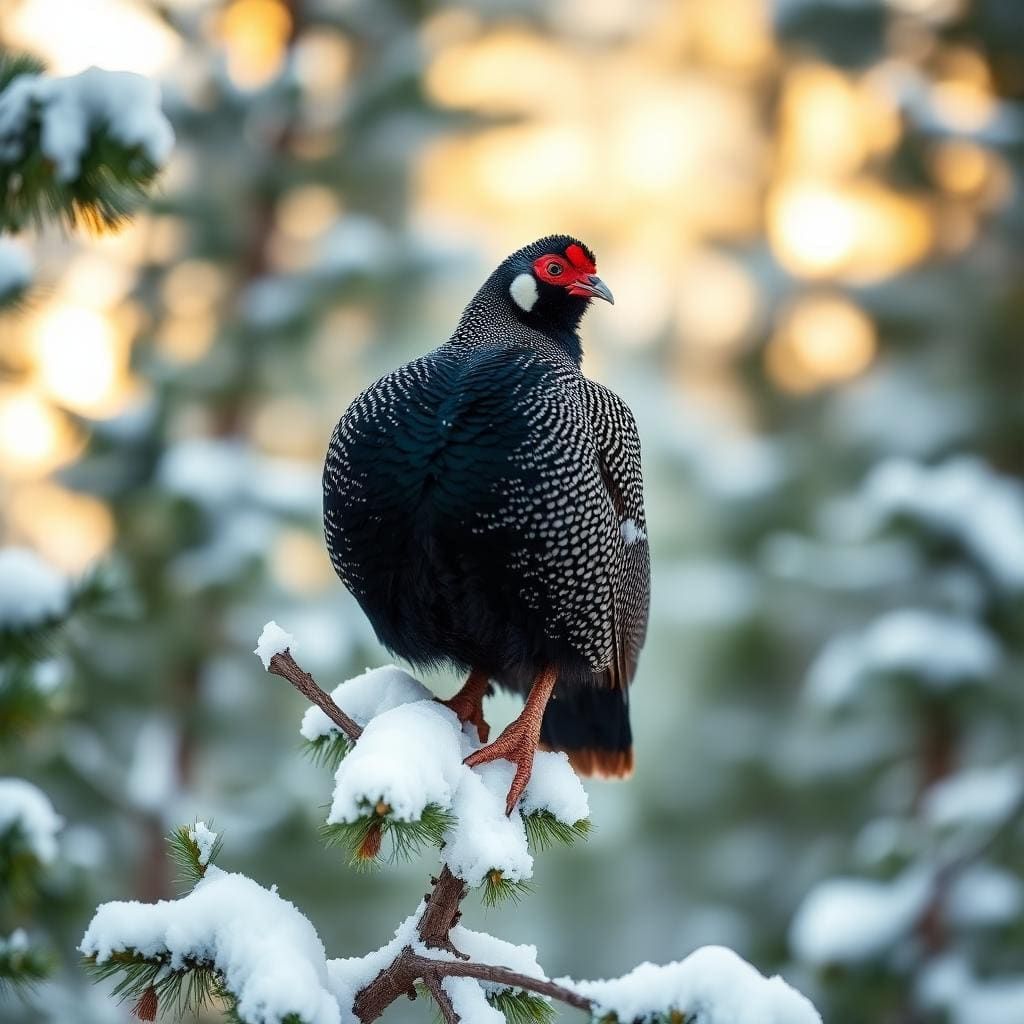
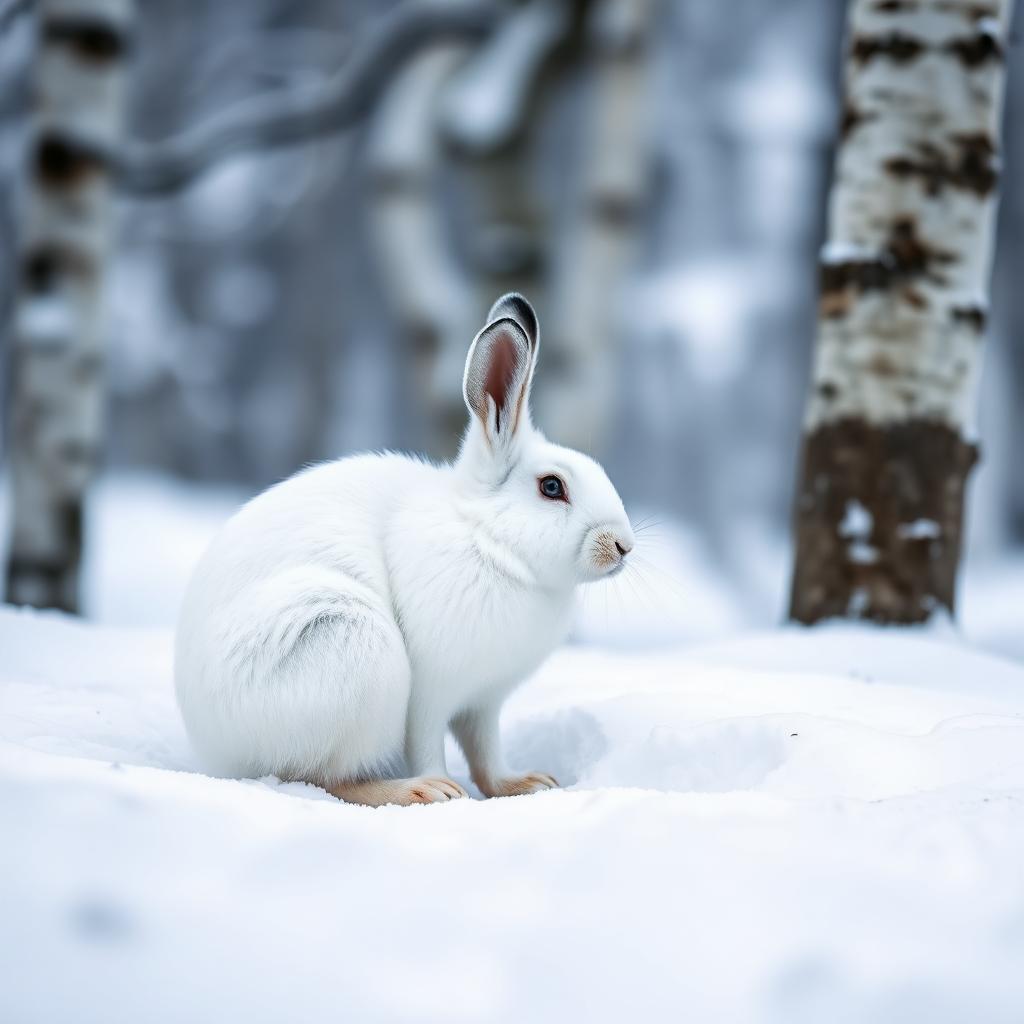
Wildlife found around Hunting District 250





Compare side by side
Put the Hunting District 250 against any other pick on this list — specs, price, pros, cons and reader ratings.