



Reader rating
Rate it and you move it. Community ratings re-rank this product inside its Top 10 list.
Expert-picked, reader-ranked. Our editors choose the products and the launch order; member star ratings move picks up or down over time.
Situated in the northern Madison Range and encompassing parts of the Gallatin National Forest, HD 313 is another perennial producer for public land elk. This unit is characterized by large timbered basins, high alpine meadows, and brushy foothills, providing diverse habitat. Bozeman, Ennis, and Big Sky are the nearest towns, offering all necessary amenities. The unit sees heavy pressure, particularly early in the archery season and during the first week of rifle season, due to its proximity to Bozeman and large blocks of accessible public land. Success often comes to those who can get away from primary trailheads and roads. Early season high-country hunts can be productive for bigger bulls, while late-season snow pushes elk to lower elevations. Prepare for steep climbs, potential grizzly bear encounters, and variable weather. Permits for specific wilderness areas within the unit might be required for overnight stays, so check regulations beforehand. The elk herds are generally healthy, though winter range can be limited.
Pros
- Consistent high-percentage public land elk opportunities
- Diverse habitat suitable for various hunting styles
- Potential for trophy bulls in backcountry areas
- Accessible from major towns with amenities
- Healthy elk population
Cons
- Significant hunting pressure, especially early season
- Steep and physically demanding terrain
- Requires diligence to avoid private land incursions
- Potential for dangerous grizzly bear encounters
Best uses
- DIY elk hunting
- Backcountry archery hunts
- Physically fit hunters
- Late-season snow hunts
Specifications
- Location
- Northern Madison Range, SW Montana
- Primary Habitat
- Timber, alpine meadows, foothills
- Nearest Towns
- Bozeman, Ennis, Big Sky
- Game Species
- Elk, Deer, Bear, Moose
- Access
- Public roads, trailheads, wilderness areas
- Permit Type
- General elk, some wilderness-specific
Best for
DIY elk hunting, Backcountry archery hunts, Physically fit hunters, Late-season snow hunts
Hunting District 313, nestled in Southwest Montana, is a premier public land elk hunting destination within the northern Madison Range, bordering the Gallatin National Forest. This expansive unit offers a rich tapestry of habitats, from dense timbered basins and high alpine meadows to brushy foothills, providing diverse cover and forage for elk. Its geographical breadth means hunters can pursue animals across varied terrain, from steep, lung-busting ascents to more accessible lower elevations, depending on the season and snowpack. While its proximity to population centers like Bozeman ensures relatively straightforward access, it also translates to significant hunting pressure. Success here often hinges on a willingness to leave the well-trodden paths and venture deeper into the backcountry, where the biggest rewards lie. This district consistently ranks high for public land elk opportunities, drawing dedicated hunters year after year.
Geography & Terrain
HD 313 presents a challenging yet rewarding landscape. Elevations range from approximately 5,000 feet in the valley bottoms to over 10,000 feet in the peaks. The terrain is characterized by steep, heavily forested slopes giving way to open alpine bowls and expansive mountain meadows above timberline. Drainage systems carve through the unit, creating natural travel corridors and bedding areas for elk. Lower elevations feature a mix of sagebrush, timber stringers, and riparian zones. Hunters should expect significant elevation changes, requiring good physical conditioning. Navigation can be tricky in dense timber, so reliable maps and GPS are essential tools for staying oriented and safe.
Best Season & Weather
The elk hunting season typically runs from early September through late November. Early archery season (September) offers prime opportunities in the high country, often characterized by crisp mornings and pleasant daytime temperatures, though afternoon thunderstorms are common. This is when bulls are most vocal. Rifle season, beginning in late October, usually coincides with colder weather, snow, and the rut's tail end. Late-season hunts (November) see elk pushed to lower elevations by heavy snow, which can concentrate herds but also makes access challenging. Hunters should be prepared for rapidly changing conditions, from warm sunshine to blizzards, within a single day. Layered clothing and reliable rain/snow gear are mandatory.
Wildlife & Encounters
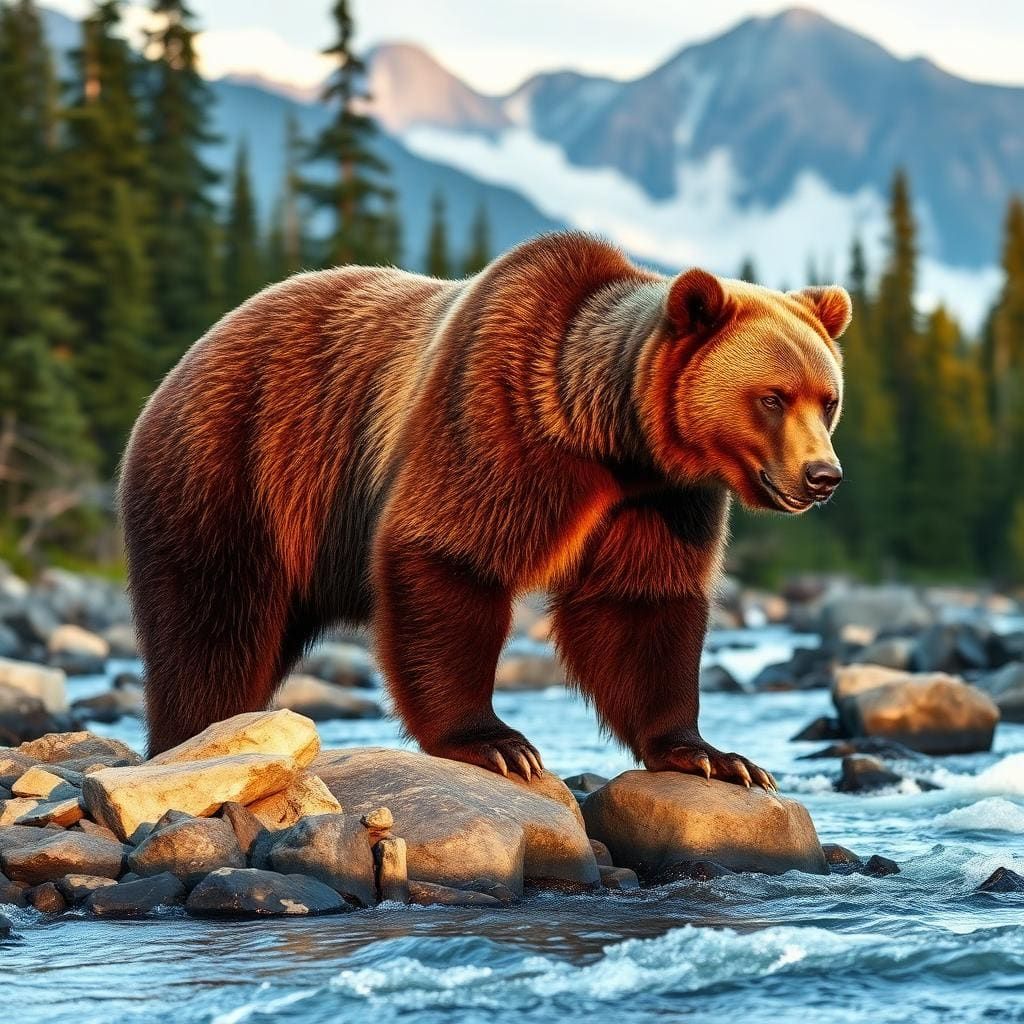
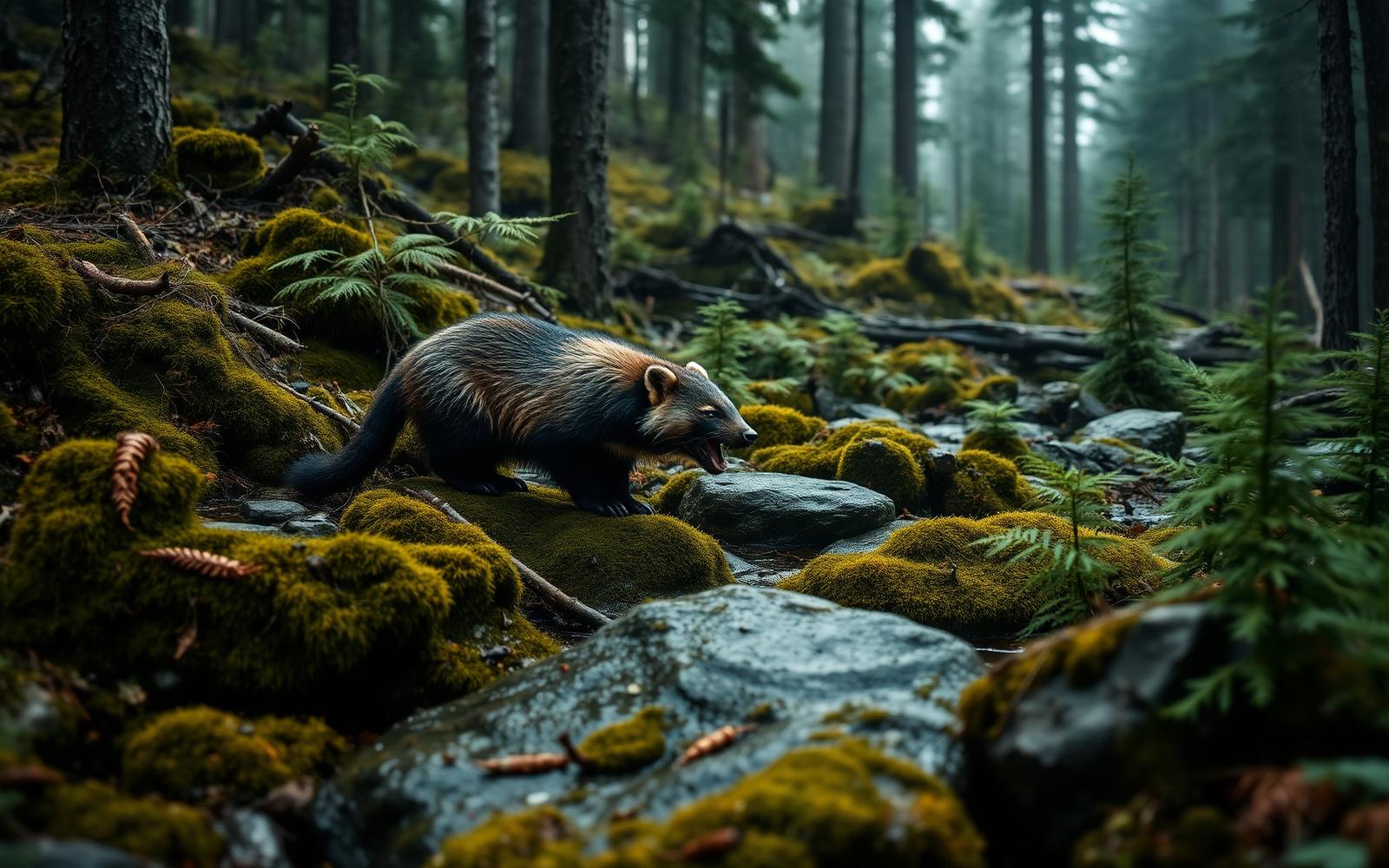
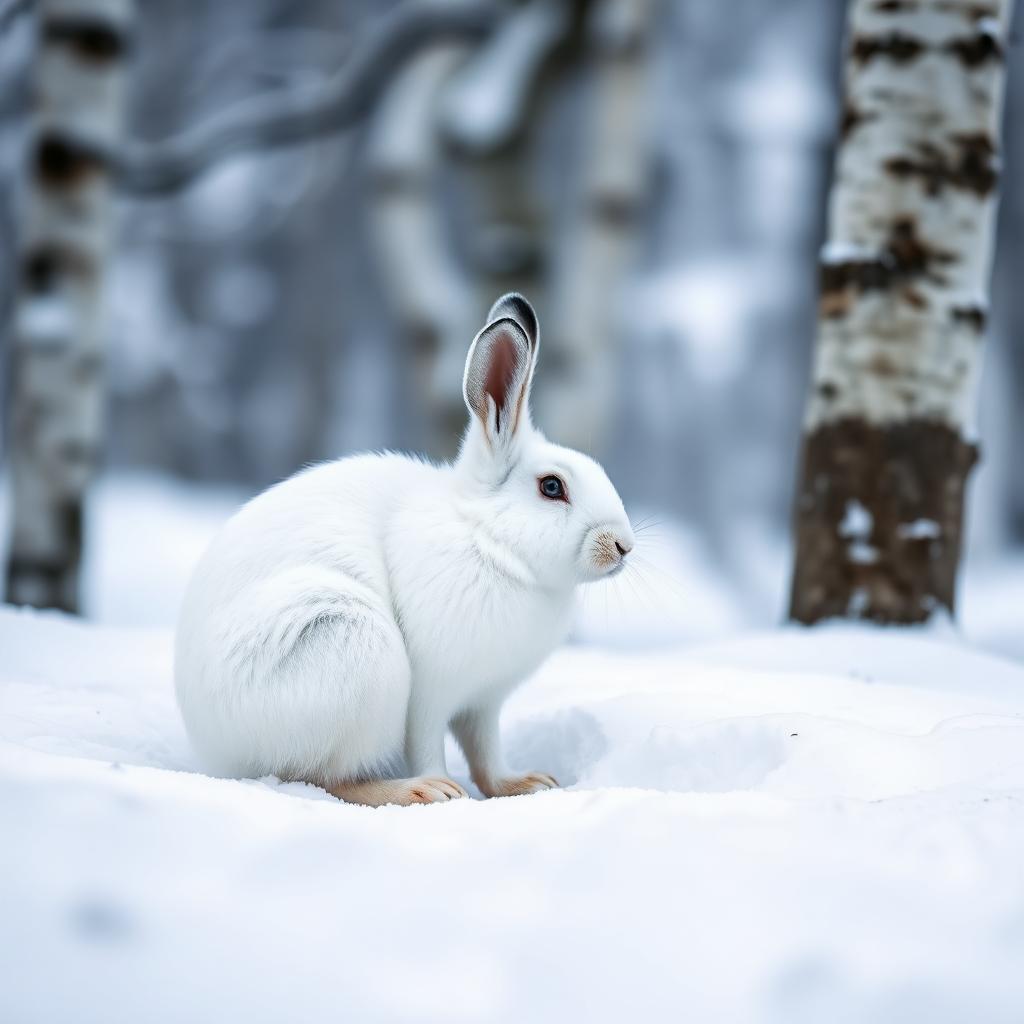
While elk are the primary draw, HD 313 is home to a diverse array of wildlife. Mule deer are common, especially in transitional zones. Black bears are present throughout the unit, and grizzly bear encounters are a real possibility, particularly in the backcountry. Hunters must carry bear spray and know how to use it. Moose inhabit some of the wetter, timbered areas. Smaller mammals like coyotes, wolves, and various rodents also populate the district. Anglers might find trout in the many streams and rivers. Respecting wildlife and understanding their behavior is crucial for a safe and ethical experience in this wild landscape.
Routes & Attractions
The unit is accessed via a network of forest service roads, some requiring high-clearance vehicles. Numerous trailheads provide entry points into designated wilderness areas and general forest land. Key routes often follow drainages or ridge lines, leading to traditional elk bedding and feeding grounds. While specific named attractions are limited within the hunting context, the natural beauty of the Madison Range itself is the main draw. Hunters are encouraged to scout thoroughly, using topographical maps and satellite imagery, to identify potential elk hot spots, water sources, and escape routes. Dispersed camping is generally allowed, but wilderness regulations apply in those specific areas.
Permits & Access
A general Montana hunting license for the appropriate season (archery or general rifle) is required. Elk tags are available over the counter for residents, and through a lottery for non-residents. Certain wilderness areas within HD 313, such as portions of the Lee Metcalf Wilderness, may require special permits for overnight stays or specific activities; always check the latest Forest Service and Montana Fish, Wildlife & Parks regulations. Public access is extensive via Forest Service roads and trails, but road closures due to snow or seasonal restrictions are common. Respect private land boundaries, which are often interspersed with public lands, to ensure continued access.
How we picked
We built this ranking from trip reports, agency data, permit records, and our editors' own time on the ground. 10 places made the final cut out of a much longer working list, and each one had to clear the same set of criteria before it earned a spot.
- Quality of the terrain
- Landscape, route variety, and whether the place rewards multiple days rather than one overlook.
- Season and weather windows
- How long the reliable window is, and how badly the shoulder seasons punish a bad forecast.
- Access and permits
- Trailhead logistics, permit odds, quotas, and how much lead time a trip realistically takes.
- Solitude vs. crowding
- How far you have to walk before the place feels like wilderness instead of a queue.
- Wildlife and ecology
- What you can reasonably expect to see, and what you have to plan around.
- Risk and skill required
- Navigation, water crossings, exposure, and rescue distance — stated plainly.
Hunting District 313 — frequently asked questions
- Is Hunting District 313 worth the trip?
- We rank it #2 in Top 10 Montana Public Elk Units. Situated in the northern Madison Range and encompassing parts of the Gallatin National Forest, HD 313 is another perennial producer for public land elk. This unit is characterized by large timbered basins, high alpine meadows, and brushy foothills, providing diverse habitat.
- Who is Hunting District 313 best for?
- Best for diy elk hunting, backcountry archery hunts, physically fit hunters and late-season snow hunts. Standouts: consistent high-percentage public land elk opportunities and diverse habitat suitable for various hunting styles.
- What are the drawbacks of Hunting District 313?
- Significant hunting pressure, especially early season, Steep and physically demanding terrain and Requires diligence to avoid private land incursions.
- What are the key details for Hunting District 313?
- Location: Northern Madison Range, SW Montana · Primary Habitat: Timber, alpine meadows, foothills · Nearest Towns: Bozeman, Ennis, Big Sky · Game Species: Elk, Deer, Bear, Moose · Access: Public roads, trailheads, wilderness areas
- Geography & Terrain — what should I know about the Hunting District 313?
- HD 313 presents a challenging yet rewarding landscape. Elevations range from approximately 5,000 feet in the valley bottoms to over 10,000 feet in the peaks.
- Best Season & Weather — what should I know about the Hunting District 313?
- The elk hunting season typically runs from early September through late November. Early archery season (September) offers prime opportunities in the high country, often characterized by crisp mornings and pleasant daytime temperatures, though afternoon thunderstorms are common.
Where on earth
Satellite imagery flying in from a world view to Hunting District 313, Montana, United States. Use the + / − buttons, or click the map to zoom with your scroll wheel; drag to pan and pinch to zoom on touch.
Montana, USA · 46.880, -110.363
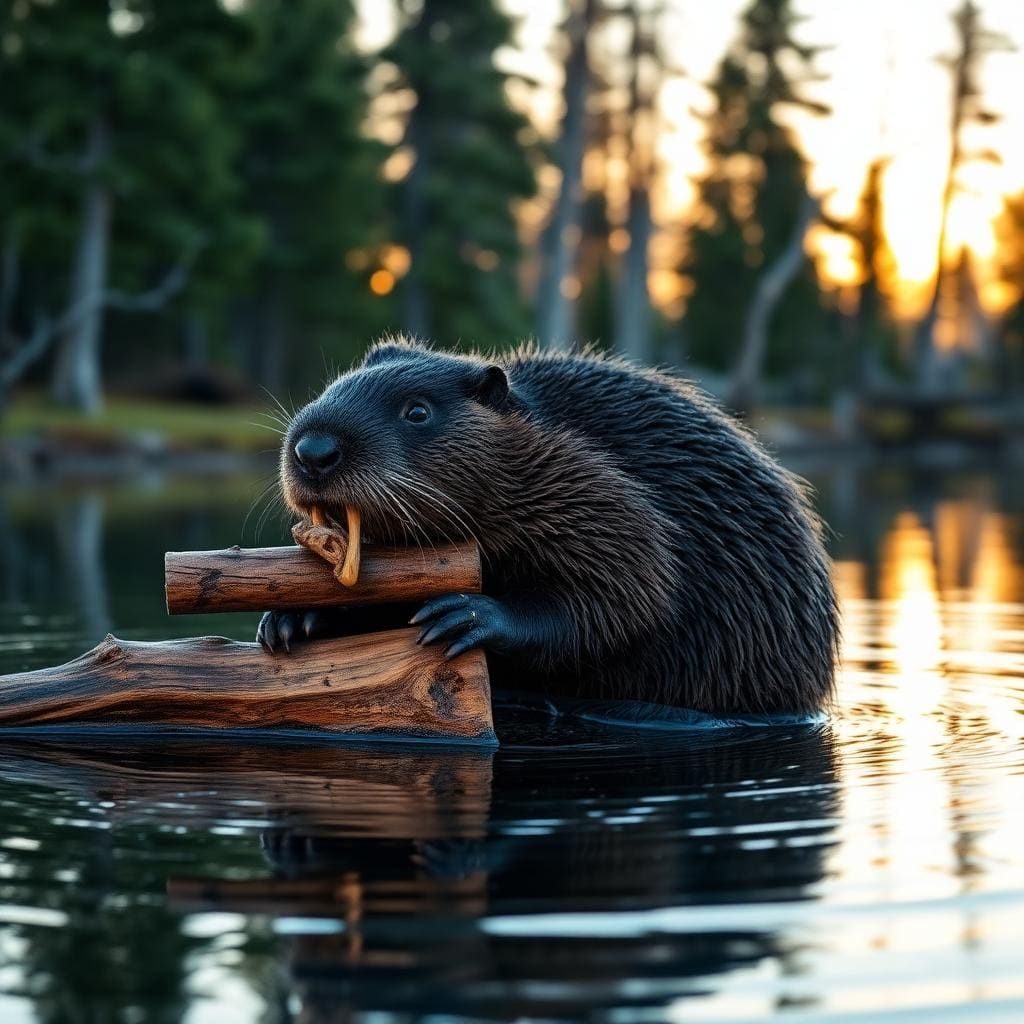
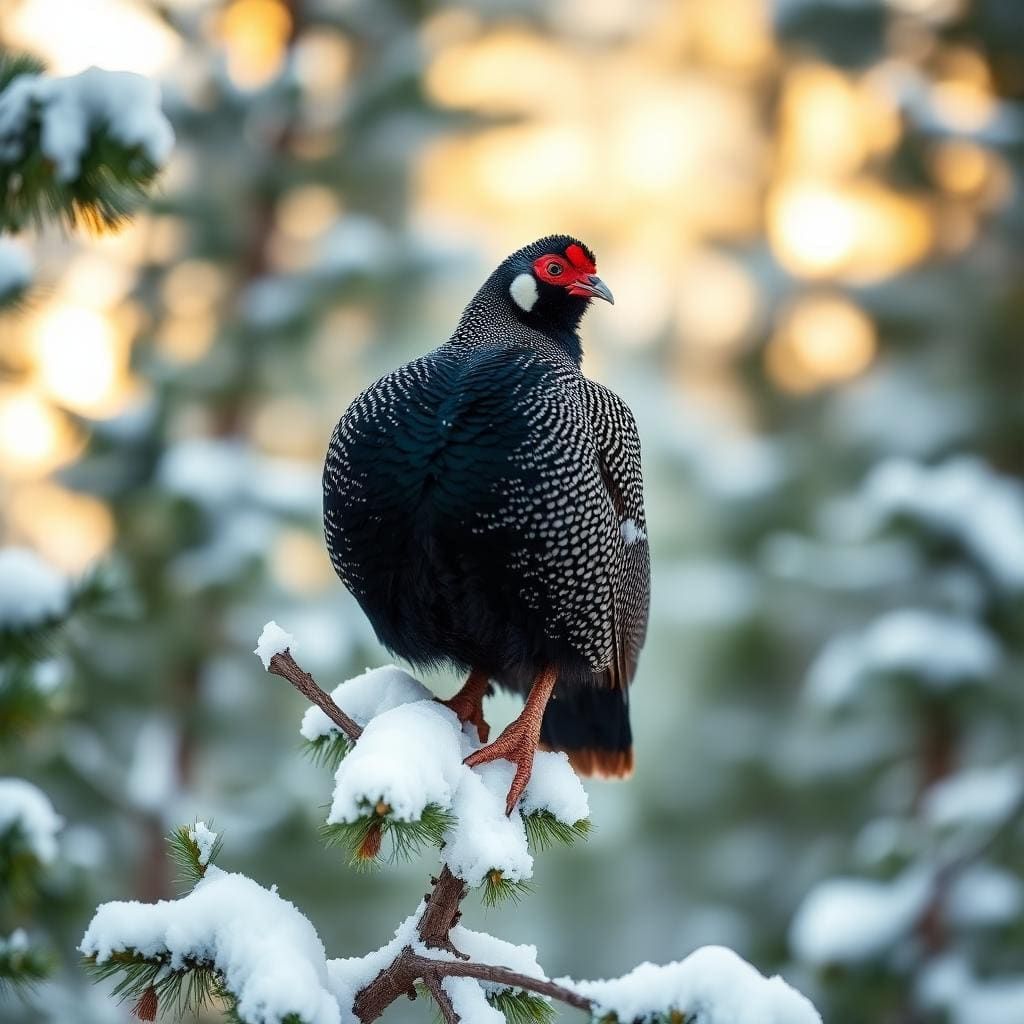
Wildlife found around Hunting District 313



Compare side by side
Put the Hunting District 313 against any other pick on this list — specs, price, pros, cons and reader ratings.