



Reader rating
Rate it and you move it. Community ratings re-rank this product inside its Top 10 list.
Expert-picked, reader-ranked. Our editors choose the products and the launch order; member star ratings move picks up or down over time.
HD 380, largely encompassing portions of the Little Belt Mountains and surrounding foothills, consistently ranks as one of Montana’s top public land elk units. The terrain is a mix of steep, timbered slopes, open parks, and brushy draws, providing excellent elk habitat. Access is primarily via the Lewis and Clark National Forest, with numerous roads and trailheads providing entry points. Nearest towns for services include White Sulphur Springs and Lewistown. Archery season in September offers a quieter experience, while rifle season in October and November sees more pressure, especially on weekends. Bulls here are typically in the 5-6 point range, with occasional larger animals. This unit is popular, so expect to share the woods, especially closer to roads. However, a willingness to hike a few miles will get you into quieter country. Weather can be highly variable; early season can be warm and dry, while late season often brings significant snow and extreme cold, making good gear essential. Be prepared for steep climbs and potentially slick conditions.
Pros
- Consistently high elk numbers on public land
- Diverse habitat supports healthy populations
- Extensive public access via Forest Service roads and trails
- Opportunity for quality bulls (5-6 point average)
- Significant acreage to spread out with effort
Cons
- High hunting pressure, particularly on weekends
- Demanding terrain requires excellent physical conditioning
- Highly variable and potentially severe weather conditions
- Requires diligence to avoid private land boundaries
Best uses
- Public land elk hunting
- Challenging backcountry hunts
- Archery elk hunting
- Winter range scouting
Specifications
- Location
- Central Montana, Little Belt Mountains
- Primary Access
- Lewis and Clark National Forest
- Nearest Towns
- White Sulphur Springs, Lewistown
- Typical Bull Size
- 5-6 Point Range
- Terrain
- Steep Timber, Open Parks, Brushy Draws
- Hunting Pressure
- Moderate to High, Varies by Season
Best for
Public land elk hunting, Challenging backcountry hunts, Archery elk hunting, Winter range scouting
Hunting District 380, primarily located within Montana's central region, stands out as a consistently high-performing public land elk unit. This area largely encompasses significant portions of the Little Belt Mountains and their surrounding foothills, presenting a diverse and challenging landscape. Hunters will navigate a mosaic of steep, heavily timbered slopes, interspersed with open alpine parks, and dense, brushy draws. This varied terrain is a key factor in providing ideal habitat for elk, supporting healthy populations year after year. Access to HD 380 is predominantly managed through the Lewis and Clark National Forest, which maintains a network of roads and trailheads providing numerous entry points. Preparation for variable conditions is paramount here. While archery season in September offers a more tranquil experience, rifle season in October and November brings increased pressure, particularly on weekends. The weather can fluctuate wildly; early hunts might be warm and dry, while late-season expeditions often face significant snow accumulation and extreme cold, demanding robust gear. Bulls typically range from five to six points, with larger animals occasionally taken. Expect to share the woods, especially near road systems. However, those willing to put in a few miles on foot will often find less crowded, productive country, though this involves steep climbs and potentially slick conditions.
Geography & Terrain
HD 380 is defined by the rugged topography of the Little Belt Mountains, characterized by dramatic elevation changes. Expect to encounter extensive, dense timber stands on north-facing slopes, providing critical bedding and thermal cover for elk. These transition into more open, grass-filled parks at higher elevations and along ridges, which serve as crucial feeding areas. Lower elevations and drainages often feature thick brush and riparian zones. The ground can be uneven, rocky, and often wet or slick, especially during the shoulder seasons. Navigation requires solid map and compass skills or a reliable GPS unit, as game trails can be confusing and lead off-course.
Best Season & Weather
The prime hunting window generally spans from early September through late November. Archery season in September offers quieter conditions and generally milder weather, though dry, warm spells can challenge tracking and scent control. Rifle season, from October into November, sees cooler temperatures and often the first significant snows, which can aid in tracking and push elk to lower elevations. However, late-season hunts can quickly turn severe, with deep snow, freezing rain, and high winds. Hunters must be prepared for swift weather changes, carrying appropriate layers and emergency gear regardless of the forecast.
Wildlife & Habitat
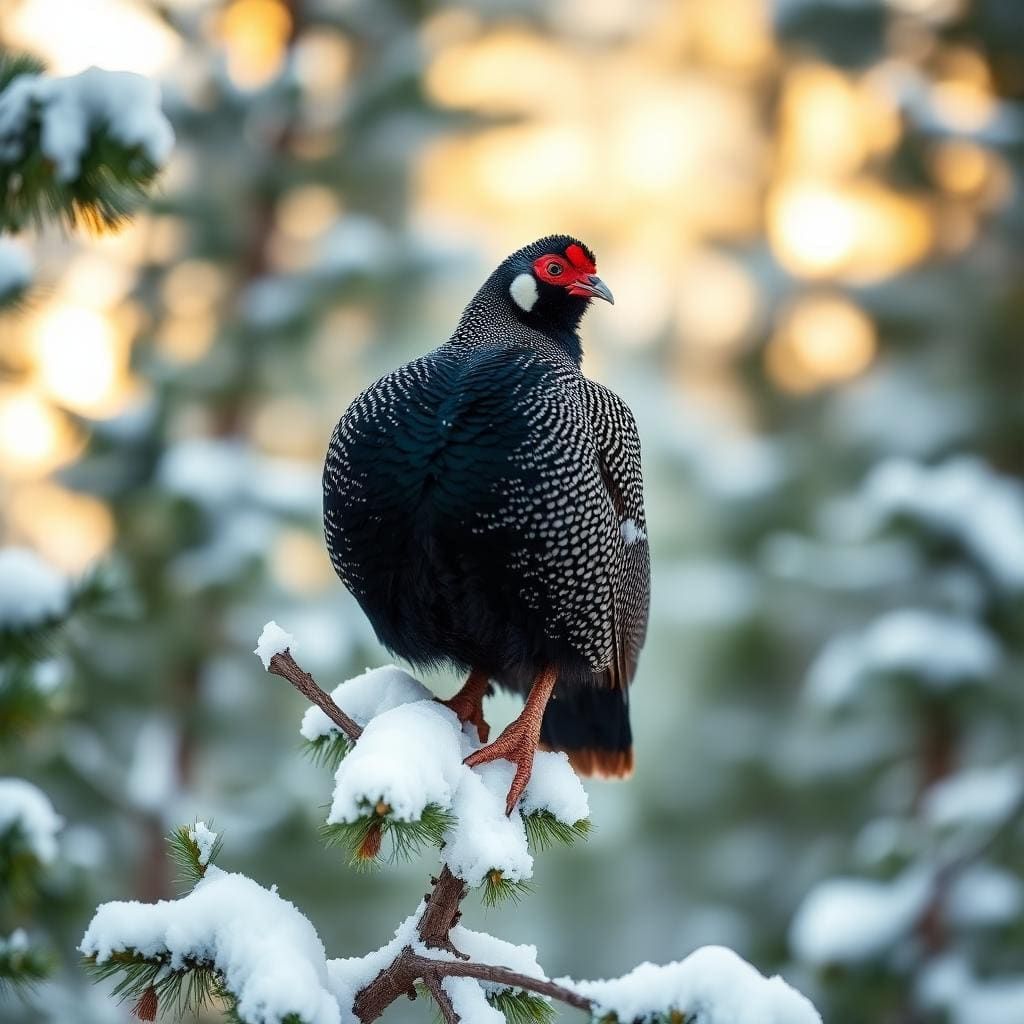
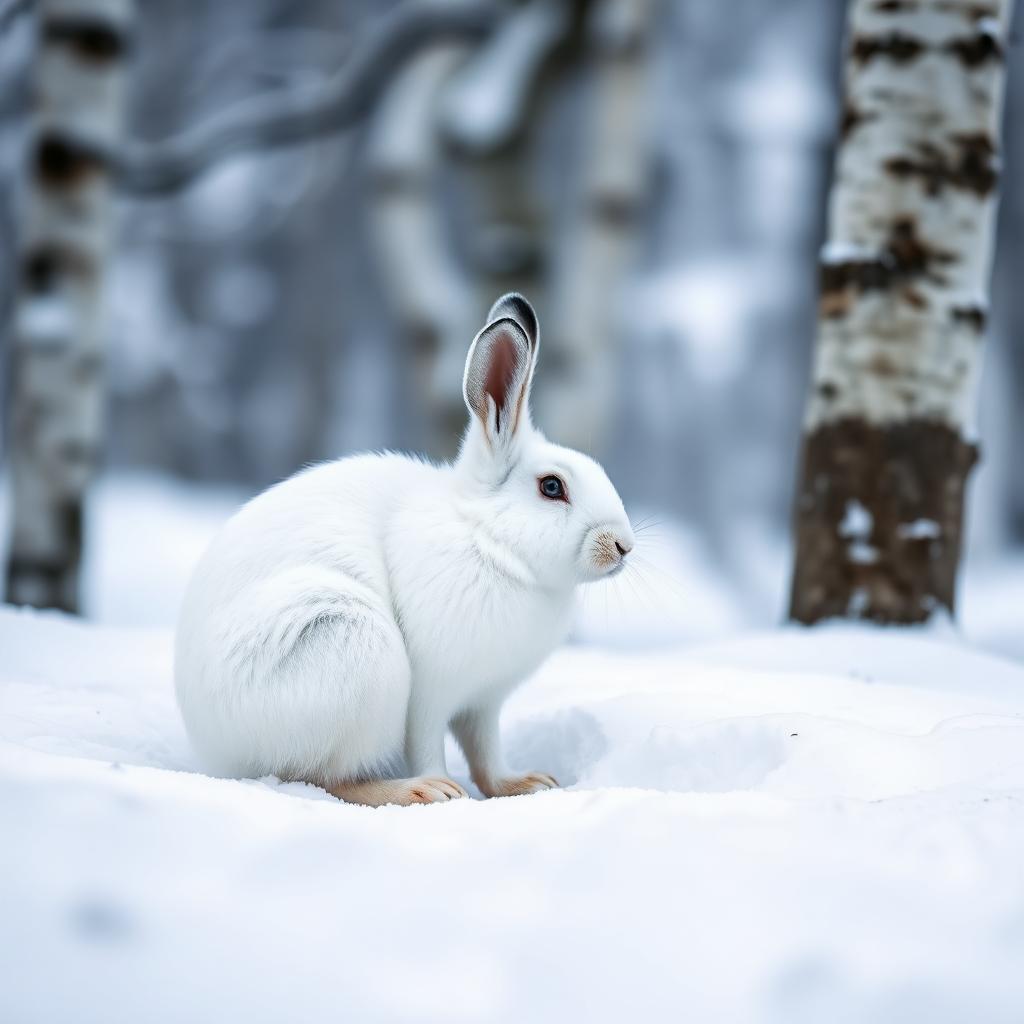
This district supports a robust population of Rocky Mountain Elk, which are the primary draw. The diverse habitat, with its mix of forage and cover, creates an ideal environment for elk. Beyond elk, hunters may encounter Mule Deer, Black Bear, and occasional Mountain Lion. Bird species are also abundant. Understanding elk behavior in relation to the specific terrain – where they feed, bed, and travel between the two – is crucial for success. Look for fresh sign, rubs, and wallows, particularly in secluded drainages and high-elevation timber pockets.
Key Routes & Attractions
Access into the core of HD 380 relies heavily on the Forest Service road system branching off main highways like US-89 and US-12. Numerous designated trailheads provide access to deeper wilderness areas, such as those leading into the Tenderfoot Creek or Monument Peak regions. While no specific 'attractions' per se exist beyond the hunting itself, the sheer scope of public land provides endless exploration opportunities. Familiarizing yourself with specific road numbers and trail networks before arriving will save valuable hunting time. Be aware that some roads may be seasonal or require high-clearance vehicles.
Permits & Access
Hunting in HD 380 requires a valid Montana hunting license and elk tag. Public land access is generally unhindered via Forest Service lands. However, understanding property boundaries is critical; private land intersperses with public land in many areas, and trespassing is not tolerated. Always consult current Montana Fish, Wildlife & Parks regulations for specific season dates, weapon restrictions, and permit requirements, as these can change annually. Block Management Areas may also be present, offering additional public access on private lands, but require prior registration and adherence to specific rules.
Honest Trade-offs
The popularity of HD 380 means you will likely encounter other hunters, especially during rifle season and on weekends. Success often hinges on a willingness to hike several miles away from road systems and trailheads, which directly translates to steep ascents and descents over challenging terrain. The weather can be a significant hazard, capable of turning mild conditions into extreme cold and snowstorms rapidly. Be prepared for self-rescue or prolonged exposure. While elk numbers are good, they are wild animals in expansive territory, and consistent success still demands skill, patience, and physical endurance.
How we picked
We built this ranking from trip reports, agency data, permit records, and our editors' own time on the ground. 10 places made the final cut out of a much longer working list, and each one had to clear the same set of criteria before it earned a spot.
- Quality of the terrain
- Landscape, route variety, and whether the place rewards multiple days rather than one overlook.
- Season and weather windows
- How long the reliable window is, and how badly the shoulder seasons punish a bad forecast.
- Access and permits
- Trailhead logistics, permit odds, quotas, and how much lead time a trip realistically takes.
- Solitude vs. crowding
- How far you have to walk before the place feels like wilderness instead of a queue.
- Wildlife and ecology
- What you can reasonably expect to see, and what you have to plan around.
- Risk and skill required
- Navigation, water crossings, exposure, and rescue distance — stated plainly.
Hunting District 380 — frequently asked questions
- Is Hunting District 380 worth the trip?
- We rank it #1 in Top 10 Montana Public Elk Units. HD 380, largely encompassing portions of the Little Belt Mountains and surrounding foothills, consistently ranks as one of Montana’s top public land elk units. The terrain is a mix of steep, timbered slopes, open parks, and brushy draws, providing excellent elk habitat.
- Who is Hunting District 380 best for?
- Best for public land elk hunting, challenging backcountry hunts, archery elk hunting and winter range scouting. Standouts: consistently high elk numbers on public land and diverse habitat supports healthy populations.
- What are the drawbacks of Hunting District 380?
- High hunting pressure, particularly on weekends, Demanding terrain requires excellent physical conditioning and Highly variable and potentially severe weather conditions.
- What are the key details for Hunting District 380?
- Location: Central Montana, Little Belt Mountains · Primary Access: Lewis and Clark National Forest · Nearest Towns: White Sulphur Springs, Lewistown · Typical Bull Size: 5-6 Point Range · Terrain: Steep Timber, Open Parks, Brushy Draws
- Geography & Terrain — what should I know about the Hunting District 380?
- HD 380 is defined by the rugged topography of the Little Belt Mountains, characterized by dramatic elevation changes. Expect to encounter extensive, dense timber stands on north-facing slopes, providing critical bedding and thermal cover for elk.
- Best Season & Weather — what should I know about the Hunting District 380?
- The prime hunting window generally spans from early September through late November. Archery season in September offers quieter conditions and generally milder weather, though dry, warm spells can challenge tracking and scent control.
Where on earth
Satellite imagery flying in from a world view to Hunting District 380, Montana, United States. Use the + / − buttons, or click the map to zoom with your scroll wheel; drag to pan and pinch to zoom on touch.
Montana, USA · 46.880, -110.363
Wildlife found around Hunting District 380






Compare side by side
Put the Hunting District 380 against any other pick on this list — specs, price, pros, cons and reader ratings.