



Reader rating
Rate it and you move it. Community ratings re-rank this product inside its Top 10 list.
Expert-picked, reader-ranked. Our editors choose the products and the launch order; member star ratings move picks up or down over time.
HD 216 is part of the Scapegoat Wilderness and surrounding national forest lands in the northern Bob Marshall Wilderness Complex. This is a true wilderness experience, requiring pack animals or significant backpacking effort. Access points include trailheads near Augusta or Lincoln. Elk populations are strong, and the potential for a mature bull is high for those willing to venture deep into the backcountry. The terrain is vast and rugged, with heavy timber, open parks, and high alpine areas. Weather is a major factor, with early snows common. Grizzly bears are abundant. This unit is for experienced wilderness hunters only. General elk tag. Expect standard Montana hunting license and stamp fees.
Pros
- High potential for mature bulls
- True wilderness experience
- Low hunting pressure deep in backcountry
- Abundant elk populations
- Stunning, wild landscapes
Cons
- Requires significant physical and logistical effort
- High grizzly bear density requires constant vigilance
- Unpredictable and extreme weather conditions
- Remote, limited cell service and emergency access
Best uses
- Multi-day backcountry elk hunts
- Horse packing adventures
- Experienced wilderness camping
- Solitude and challenging treks
Specifications
- Location
- NW Montana, Scapegoat/Bob Marshall Wilderness
- Primary Access
- Augusta or Lincoln trailheads
- Terrain Type
- Rugged, timbered, alpine, open parks
- Wildlife Concern
- Abundant Grizzly Bears
- Hunting Tag
- General Elk Tag (Montana)
- Recommended Skill
- Experienced Wilderness Hunter
Best for
Multi-day backcountry elk hunts, Horse packing adventures, Experienced wilderness camping, Solitude and challenging treks
Hunting District 216 encompasses a significant portion of the northern Bob Marshall Wilderness Complex, specifically within and surrounding the Scapegoat Wilderness in Montana. This is not a destination for the casual outdoorsman; it's a true backcountry experience demanding serious preparation and commitment. Accessible primarily via trailheads near Augusta or Lincoln, entry typically requires pack animals or a substantial, multi-day backpacking effort. The reward for this commitment is access to robust elk populations and a genuine opportunity to pursue mature bulls in their natural, undisturbed habitat. The sheer scale of the landscape alone commands respect. The terrain is vast and unforgiving, characterized by dense timber, expansive open parks, and challenging high-alpine zones. Navigating this wilderness requires proficient map and compass skills, as well as a high degree of physical fitness. Weather patterns are a critical consideration; early season snowfalls are common and can rapidly transform conditions, impacting travel and visibility. Beyond the elements, the region is home to a healthy population of grizzly bears, necessitating strict bear awareness and safety protocols. This district is unequivocally geared towards seasoned wilderness hunters who understand the unique demands and inherent risks of such an environment. A general elk tag is applicable, subject to standard Montana licensing and stamp fees.
Geography & Terrain
Hunting District 216 is defined by its rugged and diverse geography within the northern reaches of the Bob Marshall and Scapegoat Wilderness. Expect substantial elevation changes, ranging from dense, dark timber valleys to expansive, windswept alpine cirques and high mountain passes. The landscape is carved by numerous drainages, often requiring significant route-finding and river crossings. Exposed rock, scree fields, and thick brush are common features, making off-trail travel strenuous and slow. Navigation is paramount here; reliable GPS and detailed topographical maps are indispensable. Weather can shift dramatically between these varied environments, from sunny valley floors to whiteout conditions at higher elevations in a matter of hours.
Best Season & Weather
The prime window for experiencing HD 216 is typically late summer through early fall, coinciding with the elk rut. However, this is also when weather becomes unpredictable. September and early October can offer crisp, clear days, but be prepared for rapid changes. Early season snows are a common occurrence, especially at higher elevations, and can quickly accumulate, making travel difficult or impossible. Hunters should pack for all four seasons, including waterproof and insulating layers, even if the forecast seems benign. Snow can arrive as early as mid-September and persist into late spring, impacting access and game movement significantly.
Wildlife Encounters
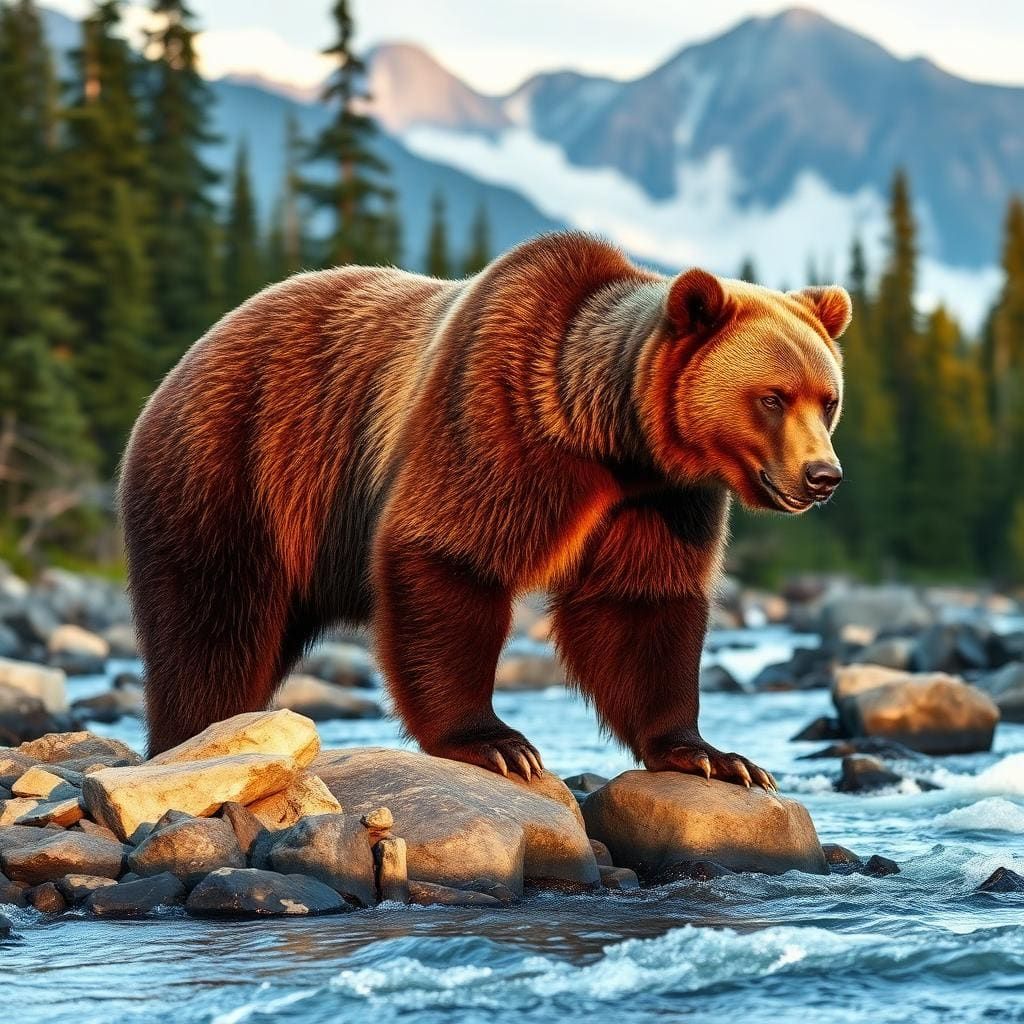
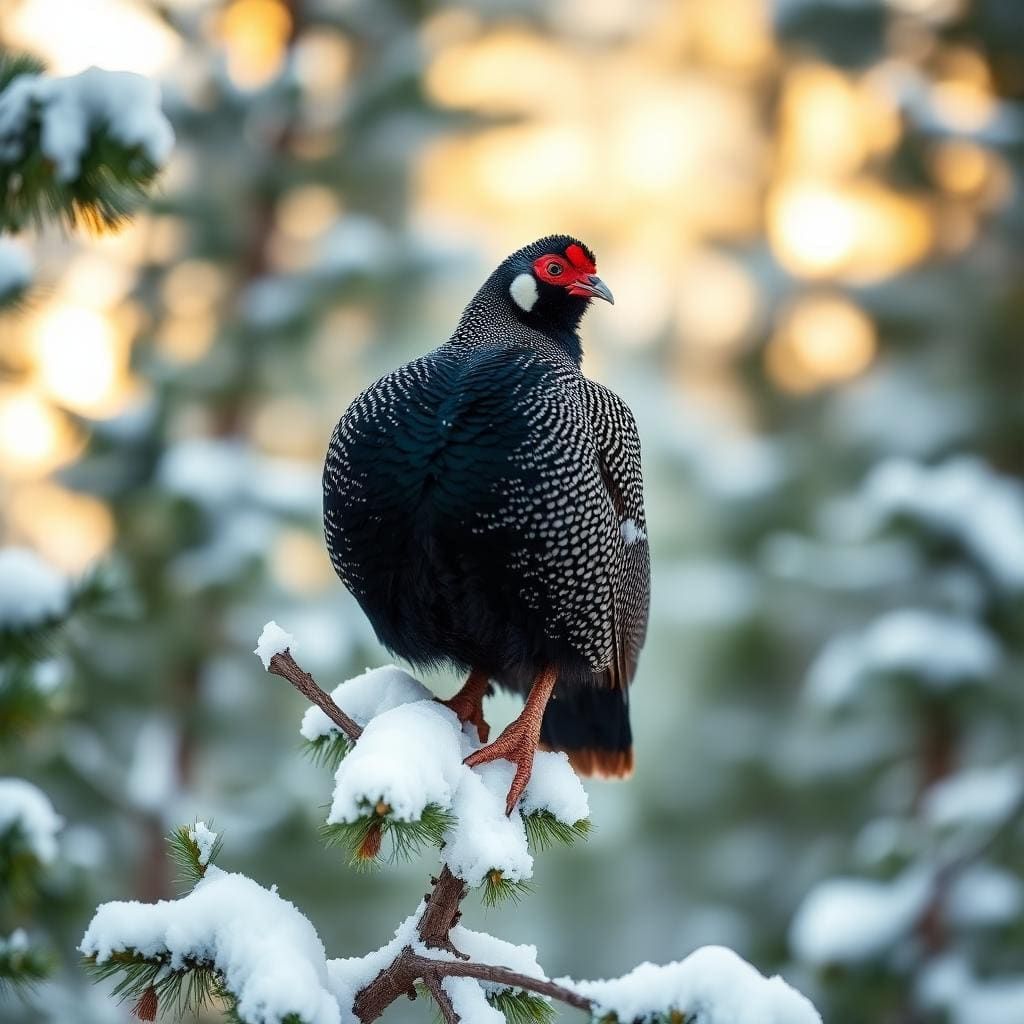
Beyond its strong elk population, HD 216 is a full immersion into wild Montana. Grizzly bears are abundant and active throughout the district; proper bear spray, food storage, and situational awareness are not optional. Other wildlife includes black bears, moose, deer, mountain goats, and a variety of smaller mammals and birds. Encountering wildlife is a certainty, not a possibility. Understanding animal sign and behavior will enhance both your experience and safety. This is their home first and foremost; respect their space and minimize your impact to maintain the pristine nature of the wilderness.
Permits & Access
Access to Hunting District 216 requires a general Montana elk license, along with any necessary conservation stamps and permits. This is a wilderness area, so mechanized transport is prohibited beyond designated trailheads. Entry points near Augusta and Lincoln serve as the primary access points, but reaching the core hunting grounds often necessitates multiple days of travel on foot or with pack stock. Consult the Flathead and Helena-Lewis and Clark National Forests for specific trailhead information, trail conditions, and any seasonal closures. Hunters should be prepared for remote, unmaintained trails and significant distances from any services.
Hazards & Trade-offs
The primary trade-off in HD 216 is the significant effort and risk required for the high potential reward. Crowds are typically low due to the demanding access, but you won't be entirely alone. Hazards include extreme weather shifts, difficult terrain leading to falls or injury, hypothermia, getting lost, and dangerous wildlife encounters, particularly with grizzlies. Self-sufficiency is paramount; rescue or assistance is days away at best. This district demands a high level of backcountry experience, physical fitness, navigation skills, and mental fortitude. It is not suitable for novice wilderness travelers or those unprepared for genuine solitude and self-reliance.
How we picked
We built this ranking from trip reports, agency data, permit records, and our editors' own time on the ground. 10 places made the final cut out of a much longer working list, and each one had to clear the same set of criteria before it earned a spot.
- Quality of the terrain
- Landscape, route variety, and whether the place rewards multiple days rather than one overlook.
- Season and weather windows
- How long the reliable window is, and how badly the shoulder seasons punish a bad forecast.
- Access and permits
- Trailhead logistics, permit odds, quotas, and how much lead time a trip realistically takes.
- Solitude vs. crowding
- How far you have to walk before the place feels like wilderness instead of a queue.
- Wildlife and ecology
- What you can reasonably expect to see, and what you have to plan around.
- Risk and skill required
- Navigation, water crossings, exposure, and rescue distance — stated plainly.
Hunting District 216 — frequently asked questions
- Is Hunting District 216 worth the trip?
- We rank it #8 in Top Montana Public Land Elk Units. HD 216 is part of the Scapegoat Wilderness and surrounding national forest lands in the northern Bob Marshall Wilderness Complex. This is a true wilderness experience, requiring pack animals or significant backpacking effort.
- Who is Hunting District 216 best for?
- Best for multi-day backcountry elk hunts, horse packing adventures, experienced wilderness camping and solitude and challenging treks. Standouts: high potential for mature bulls and true wilderness experience.
- What are the drawbacks of Hunting District 216?
- Requires significant physical and logistical effort, High grizzly bear density requires constant vigilance and Unpredictable and extreme weather conditions.
- What are the key details for Hunting District 216?
- Location: NW Montana, Scapegoat/Bob Marshall Wilderness · Primary Access: Augusta or Lincoln trailheads · Terrain Type: Rugged, timbered, alpine, open parks · Wildlife Concern: Abundant Grizzly Bears · Hunting Tag: General Elk Tag (Montana)
- Geography & Terrain — what should I know about the Hunting District 216?
- Hunting District 216 is defined by its rugged and diverse geography within the northern reaches of the Bob Marshall and Scapegoat Wilderness. Expect substantial elevation changes, ranging from dense, dark timber valleys to expansive, windswept alpine cirques and high mountain passes.
- Best Season & Weather — what should I know about the Hunting District 216?
- The prime window for experiencing HD 216 is typically late summer through early fall, coinciding with the elk rut. However, this is also when weather becomes unpredictable.
Where on earth
Satellite imagery flying in from a world view to Hunting District 216, Montana, United States. Use the + / − buttons, or click the map to zoom with your scroll wheel; drag to pan and pinch to zoom on touch.
Montana, USA · 46.880, -110.363
Wildlife found around Hunting District 216






Compare side by side
Put the Hunting District 216 against any other pick on this list — specs, price, pros, cons and reader ratings.