



Reader rating
Rate it and you move it. Community ratings re-rank this product inside its Top 10 list.
Expert-picked, reader-ranked. Our editors choose the products and the launch order; member star ratings move picks up or down over time.
HD 400, in the John Long Mountains west of Missoula, offers extensive public land in the Lolo National Forest. This unit features a mix of timber, old burns, and some open ridges. Access is generally good via forest service roads from areas like Clinton or Drummond. Elk populations are healthy, and the unit often provides good opportunities for hunters willing to explore. The terrain is varied, with some steep climbs but also more moderate areas. Pressure can be high near roads, so plan to hike. Finding fresh sign and patiently working timbered areas is key. General elk tag. Fees for licenses and stamps.
Pros
- Extensive public land (Lolo National Forest)
- Healthy, resident elk population
- Good road access into various sections
- Diverse terrain offers varied hunting opportunities
- Potential for less pressured elk in deep backcountry
Cons
- High hunting pressure near roads and easy access points
- Terrain is physically demanding, requiring significant hiking
- Weather can be severe and unpredictable in late season
- Dense timber often limits visibility and shot opportunities
Best uses
- DIY elk hunting
- Backcountry archery hunts
- Physical rifle hunters
- Spot-and-stalk tactics
Specifications
- Location
- John Long Mountains, W. Montana
- Primary Land
- Lolo National Forest (Public)
- Key Access Towns
- Clinton, Drummond
- Primary Game
- Elk, Mule Deer, Bear
- Terrain Type
- Forested Mountains, Old Burns
- Typical Season
- Late Fall Hunting
Best for
DIY elk hunting, Backcountry archery hunts, Physical rifle hunters, Spot-and-stalk tactics
Hunting District 400 encompasses a significant portion of the John Long Mountains in western Montana, primarily within the Lolo National Forest. This expansive public land unit is characterized by a rugged and varied topography, presenting a mix of dense coniferous timber, extensive areas of mature lodgepole pine, and patches of old-growth Douglas fir. Elevations range considerably, from lower valley floors near the Clark Fork River to high mountain ridges exceeding 7,000 feet. The district is known for its healthy elk populations, which utilize the diverse habitats for foraging and cover throughout the year. Access is generally facilitated by a network of Forest Service roads originating from communities like Clinton to the south and Drummond to the north, offering hunters multiple entry points. However, the true advantage often lies in penetrating beyond these initial access points, as road pressure can be substantial. The terrain demands preparedness, with numerous steep drainages, rocky outcrops, and timbered slopes interspersed with more moderate benches and old burns. These burned areas, particularly those several years post-fire, provide excellent forage and open sightlines, becoming key areas for elk activity. Winters in HD 400 can be severe, with significant snowfall dictating elk movements to lower elevations, while summers are typically warm and dry, increasing fire risk. Wildlife beyond elk includes mule deer, black bear, moose in higher elevations, and a variety of smaller mammals and birds. The unit rewards diligent scouting and a willingness to cover ground on foot, especially in its more remote interior sections, where elk often find refuge from hunting pressure.
Geography & Terrain
HD 400 is defined by the John Long Mountains, a north-south trending range east of the Clark Fork River. The unit's geography is classic Northern Rockies, characterized by steep, heavily forested slopes cut by numerous drainages feeding into larger river systems. Conifer stands of lodgepole pine, Douglas fir, and spruce dominate, providing dense cover. Elevations vary significantly, from around 3,500 feet in river bottoms to over 7,000 feet on the highest peaks. Old burns are a notable feature, offering new growth for forage and creating more open travel corridors. The terrain is physically demanding, requiring hunters to navigate steep ascents, rocky sections, and thick timber, but also offers more accessible benches and ridges.
Best Seasons
The prime season for HD 400 is the fall, particularly late September through November, coinciding with archery and general rifle elk seasons. Early fall can be mild, with vibrant foliage and active elk during the rut. As October progresses, temperatures drop, and snow becomes a factor, especially at higher elevations. Late season hunting in November often means colder weather and deeper snow, which can push elk to lower, more accessible wintering grounds, concentrating them. Summers are warm and dry, best for scouting and accessing high country before hunting pressure. Spring offers opportunities for bear hunting, while winter generally limits access due to snow.
Wildlife Present
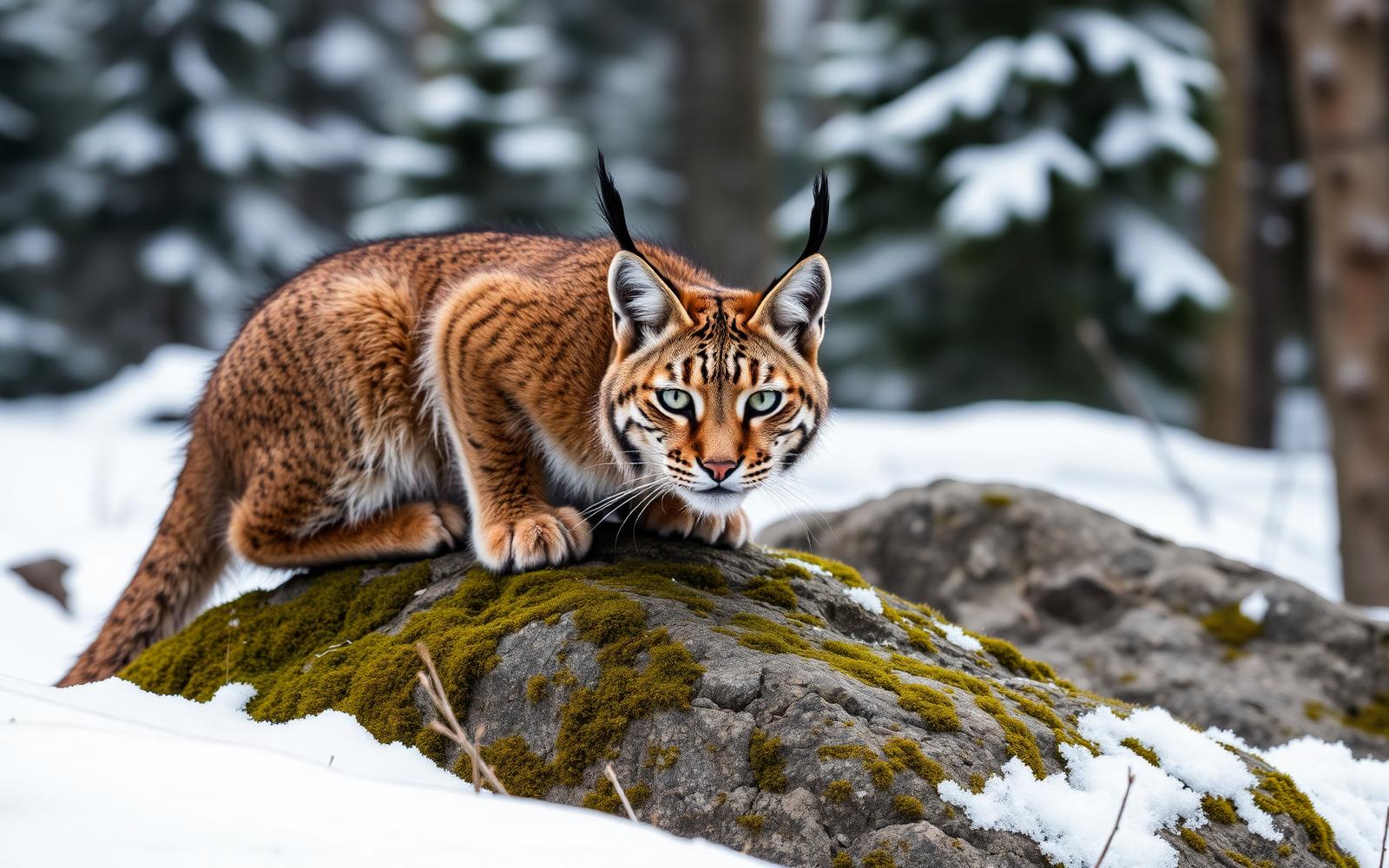
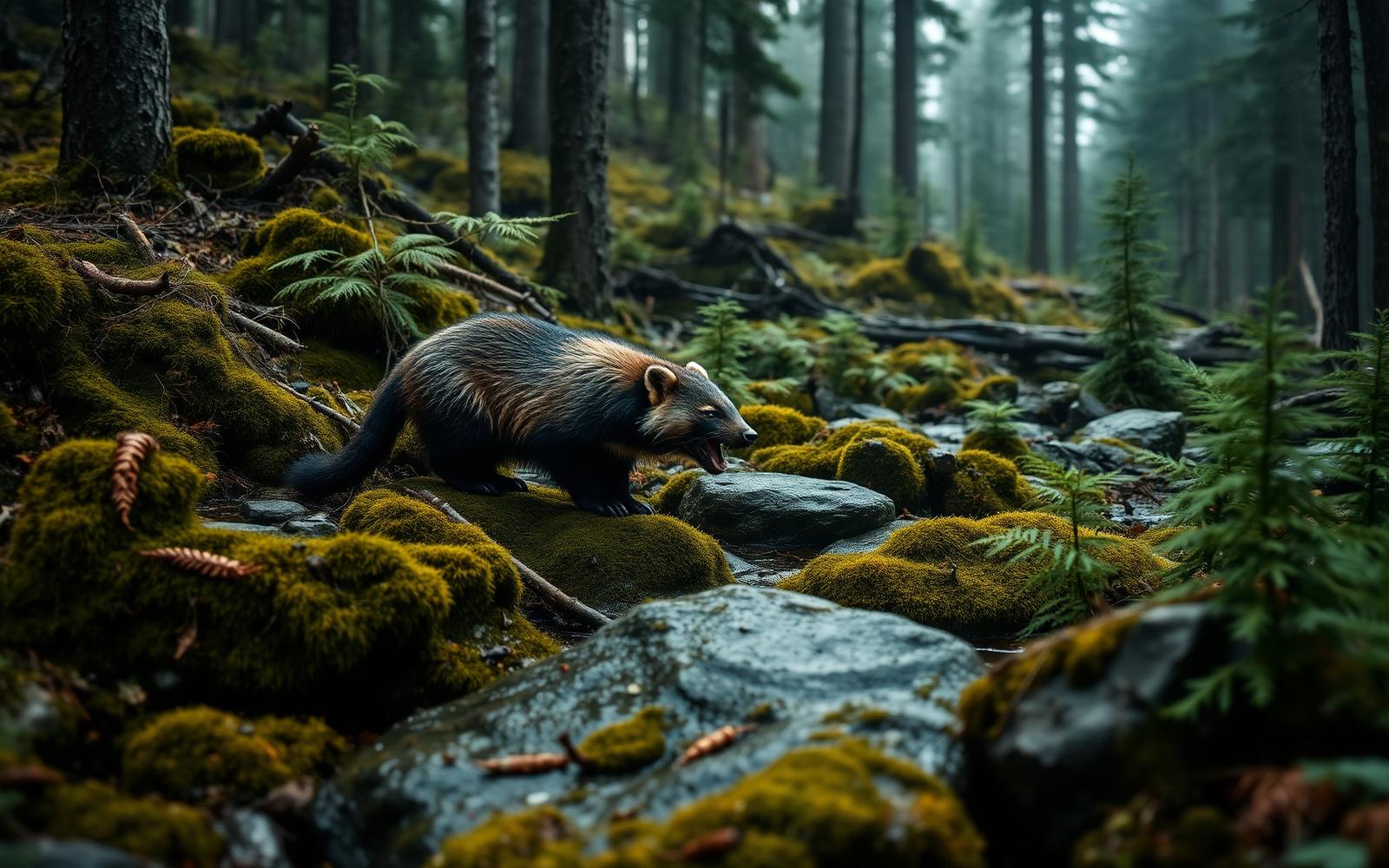
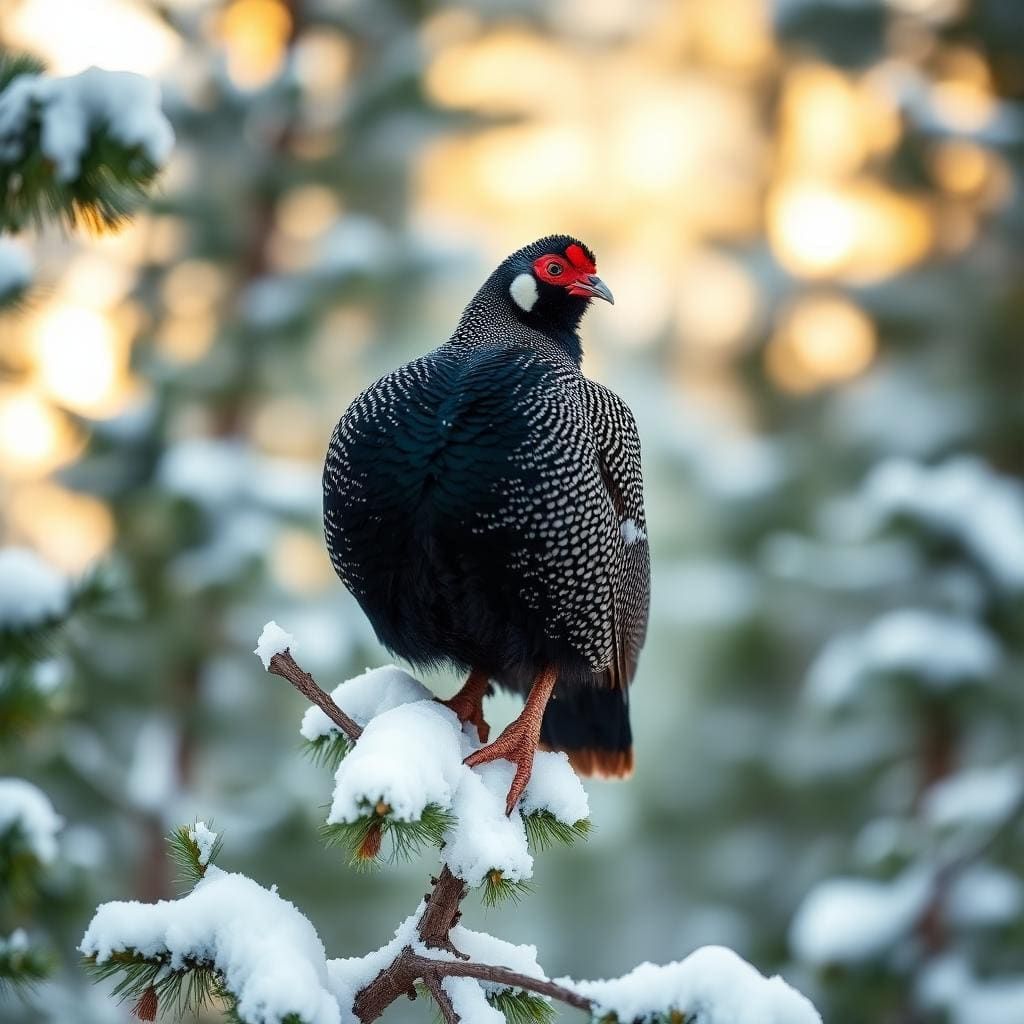
Elk are the primary draw, with a robust population utilizing the unit's diverse habitats for year-round residence. Hunters should expect to encounter both cows and bulls. Mule deer are also common, particularly in open ridges and younger timber. Black bear are abundant throughout the unit, often found foraging in berry patches or old burns. Less common but present are moose, typically in higher elevation wetlands or dense willow thickets. Other notable species include mountain lions, coyotes, various grouse species, and a wide array of smaller mammals and birds. Identifying fresh sign for elk and deer, such as tracks, rubs, and droppings, is critical for success.
Key Routes & Attractions
The main arteries for accessing HD 400 are a network of Forest Service roads, branching off from Highway 12 near Clinton or Highway 10/200 from Drummond. These roads provide initial access points to trailheads and deeper logging spur roads. Specific routes often involve navigating old logging roads or established game trails. While there are no designated 'attractions' in the traditional sense, the real appeal lies in exploring the vast backcountry. Hunters often focus on basins with active water sources, timbered saddles connecting drainages, and the edges of old burns, which are prime elk habitat. The true 'key routes' are often the ones you forge yourself, away from obvious human traffic.
Permits & Access
Hunting in HD 400 requires a general elk tag for Montana, which must be purchased annually. Non-residents face a more complex lottery system for general tags. Additionally, appropriate conservation and hunting licenses are mandatory for all hunters. This unit is almost entirely public land within the Lolo National Forest, ensuring open access for hunting. There are no special permits or draw tags specific to HD 400 beyond the standard state licenses. Access is via established Forest Service roads, though many become impassable during winter snows. Respecting gate closures and private property boundaries, where applicable, is essential, but the vast majority of the unit is accessible public ground.
How we picked
We built this ranking from trip reports, agency data, permit records, and our editors' own time on the ground. 10 places made the final cut out of a much longer working list, and each one had to clear the same set of criteria before it earned a spot.
- Quality of the terrain
- Landscape, route variety, and whether the place rewards multiple days rather than one overlook.
- Season and weather windows
- How long the reliable window is, and how badly the shoulder seasons punish a bad forecast.
- Access and permits
- Trailhead logistics, permit odds, quotas, and how much lead time a trip realistically takes.
- Solitude vs. crowding
- How far you have to walk before the place feels like wilderness instead of a queue.
- Wildlife and ecology
- What you can reasonably expect to see, and what you have to plan around.
- Risk and skill required
- Navigation, water crossings, exposure, and rescue distance — stated plainly.
Hunting District 400 — frequently asked questions
- Is Hunting District 400 worth the trip?
- We rank it #7 in Top Montana Public Land Elk Units. HD 400, in the John Long Mountains west of Missoula, offers extensive public land in the Lolo National Forest. This unit features a mix of timber, old burns, and some open ridges.
- Who is Hunting District 400 best for?
- Best for diy elk hunting, backcountry archery hunts, physical rifle hunters and spot-and-stalk tactics. Standouts: extensive public land (lolo national forest) and healthy, resident elk population.
- What are the drawbacks of Hunting District 400?
- High hunting pressure near roads and easy access points, Terrain is physically demanding, requiring significant hiking and Weather can be severe and unpredictable in late season.
- What are the key details for Hunting District 400?
- Location: John Long Mountains, W. Montana · Primary Land: Lolo National Forest (Public) · Key Access Towns: Clinton, Drummond · Primary Game: Elk, Mule Deer, Bear · Terrain Type: Forested Mountains, Old Burns
- Geography & Terrain — what should I know about the Hunting District 400?
- HD 400 is defined by the John Long Mountains, a north-south trending range east of the Clark Fork River. The unit's geography is classic Northern Rockies, characterized by steep, heavily forested slopes cut by numerous drainages feeding into larger river systems.
- Best Seasons — what should I know about the Hunting District 400?
- The prime season for HD 400 is the fall, particularly late September through November, coinciding with archery and general rifle elk seasons. Early fall can be mild, with vibrant foliage and active elk during the rut.
Where on earth
Satellite imagery flying in from a world view to Hunting District 400, Montana, United States. Use the + / − buttons, or click the map to zoom with your scroll wheel; drag to pan and pinch to zoom on touch.
Montana, USA · 46.880, -110.363
Wildlife found around Hunting District 400





Compare side by side
Put the Hunting District 400 against any other pick on this list — specs, price, pros, cons and reader ratings.