



Reader rating
Rate it and you move it. Community ratings re-rank this product inside its Top 10 list.
Expert-picked, reader-ranked. Our editors choose the products and the launch order; member star ratings move picks up or down over time.
The North Umpqua is an iconic Oregon river, known historically as the 'River of a Thousand Casts' due to its challenging yet rewarding nature. This river is famous for its wild summer steelhead and its fly-only regulations in many sections, making it a purist's paradise. Flowing out of the Cascade Mountains, the North Umpqua's clear, cold water tumbles over boulders and through deep pools, offering classic swing water. The prime season is July through October, with peak fishing in late August and September. Access is primarily by wading from public pull-offs and campgrounds along Highway 138 (North Umpqua Highway), which parallels much of the fishable water. This river demands precise casting, stealth, and a willingness to work for every fish. It's not a numbers game; it's about the quality of the experience and the beauty of the fish. Anglers often fish long, light lines or traditional spey outfits. Expect some angler pressure in popular pools, especially on weekends, but the river's length allows for solitude if you're willing to hike. An Oregon fishing license with a steelhead endorsement is required. While challenging, landing a wild North Umpqua steelhead is a rite of passage for many, a testament to the river's enduring allure and its magnificent fish. **Highlights** * Legendary wild summer steelhead fishery. * Extensive fly-only regulations in prime sections. * Clear, cold water and classic swing pools. * Beautiful old-growth forest scenery. * Iconic angling experience, a true purist's river. **Watch-outs** * Extremely challenging fishing; not for beginners. * Low fish numbers compared to some other rivers. * Requires long casts and precise presentation. * Can experience high angler pressure in accessible areas. * Wading can be technical and slippery.
Pros
- World-class wild summer steelhead fishery
- Iconic fly-fishing experience for purists
- Stunning old-growth forest scenery
- Challenging yet deeply rewarding angling
- Excellent water clarity in prime season
Cons
- Extremely challenging fishing; not for beginners
- Lower fish numbers compared to some rivers
- Can experience angler pressure in popular pools
- Wading can be technical and slippery
- Requires precise casting and stealth
Best uses
- Experienced steelhead anglers
- Fly-fishing purists
- Solitary wilderness experiences
- Skill development and challenge
- Scenic outdoor adventures
Specifications
- Location
- Oregon, USA
- Primary Species
- Wild Summer Steelhead
- Best Season
- July - October (Peak late Aug - Sep)
- Access
- Wade from Highway 138
- Regulation
- Extensive Fly-Only Sections
- Difficulty
- Very Challenging
Best for
Experienced steelhead anglers, Fly-fishing purists, Solitary wilderness experiences, Skill development and challenge, Scenic outdoor adventures
The North Umpqua River, often called the 'River of a Thousand Casts,' is a legendary Pacific Northwest destination. Flowing from the Cascade Mountains, its clear, cold waters cut a path through ancient forests, tumbling over boulders and carving deep pools that define classic swing water. This river isn't just a place to fish; it's an experience, revered by purists for its wild summer steelhead and strict fly-only regulations across significant stretches. It demands a high level of skill, patience, and dedication, making every hooked fish a hard-earned triumph rather than a common occurrence. The raw beauty of its surroundings, combined with the challenge of its elusive fish, offers an immersive, almost meditative angling journey. Anglers come here not for numbers, but for the quality of the pursuit, the precision required, and the unparalleled satisfaction of connecting with one of North America's most iconic game fish in its pristine environment. The North Umpqua's character is defined by its pristine conditions and its demanding nature. It's a place where the landscape itself feels part of the angling challenge, with technical wading and currents testing resolve. The river's reputation precedes it, drawing those who seek a genuine connection to the sport and the wild. While it asks much of those who fish it, the rewards—a chrome bright summer steelhead, the quiet beauty of the old-growth forest, and the deep satisfaction of a well-executed cast—are immeasurable.
Geography & Terrain
Originating in the High Cascades, the North Umpqua carves a distinct path through a rugged, forested canyon. The riverbed is characterized by a mix of gravel, bedrock, and large boulders, creating a varied landscape of swift runs, deep holding pools, and technical riffles. Old-growth forests of Douglas fir and Western hemlock line its banks, providing a dense, shaded canopy that keeps the water cool and contributes to the river's wild aesthetic. The terrain immediately adjacent to the water can be steep and uneven in places, requiring careful navigation for wading access, while the overall setting is undeniably remote and scenic.
Best Season & Weather
The prime window for summer steelhead on the North Umpqua runs from July through October, with late August and September often considered the peak. During this period, water levels typically stabilize after spring runoff, and clarity is excellent. Weather is generally mild and dry, with warm days and cool nights. This creates ideal conditions for wading and spotting fish. As fall progresses, temperatures drop, and foliage turns, adding to the beauty, but anglers should be prepared for cooler, potentially wetter conditions and increased flows later in the season.
Wildlife & Scenery
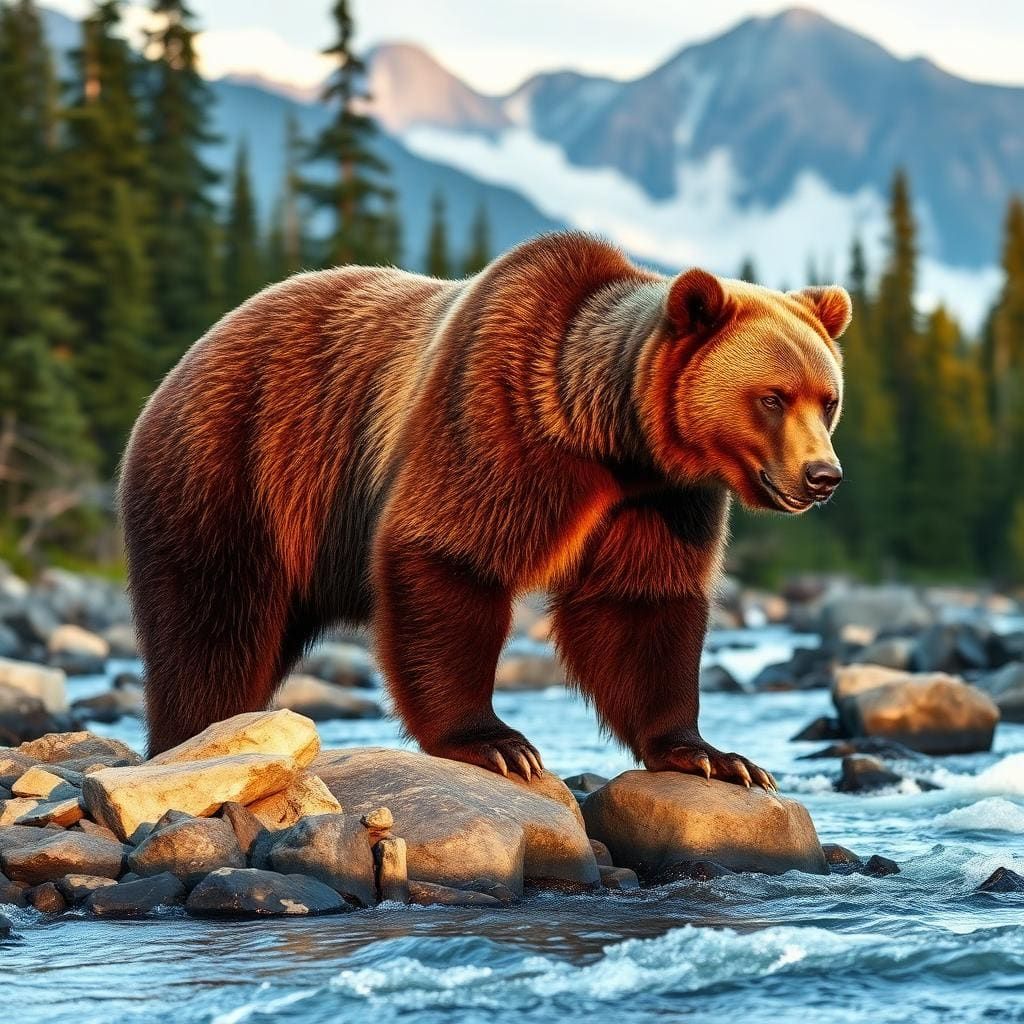
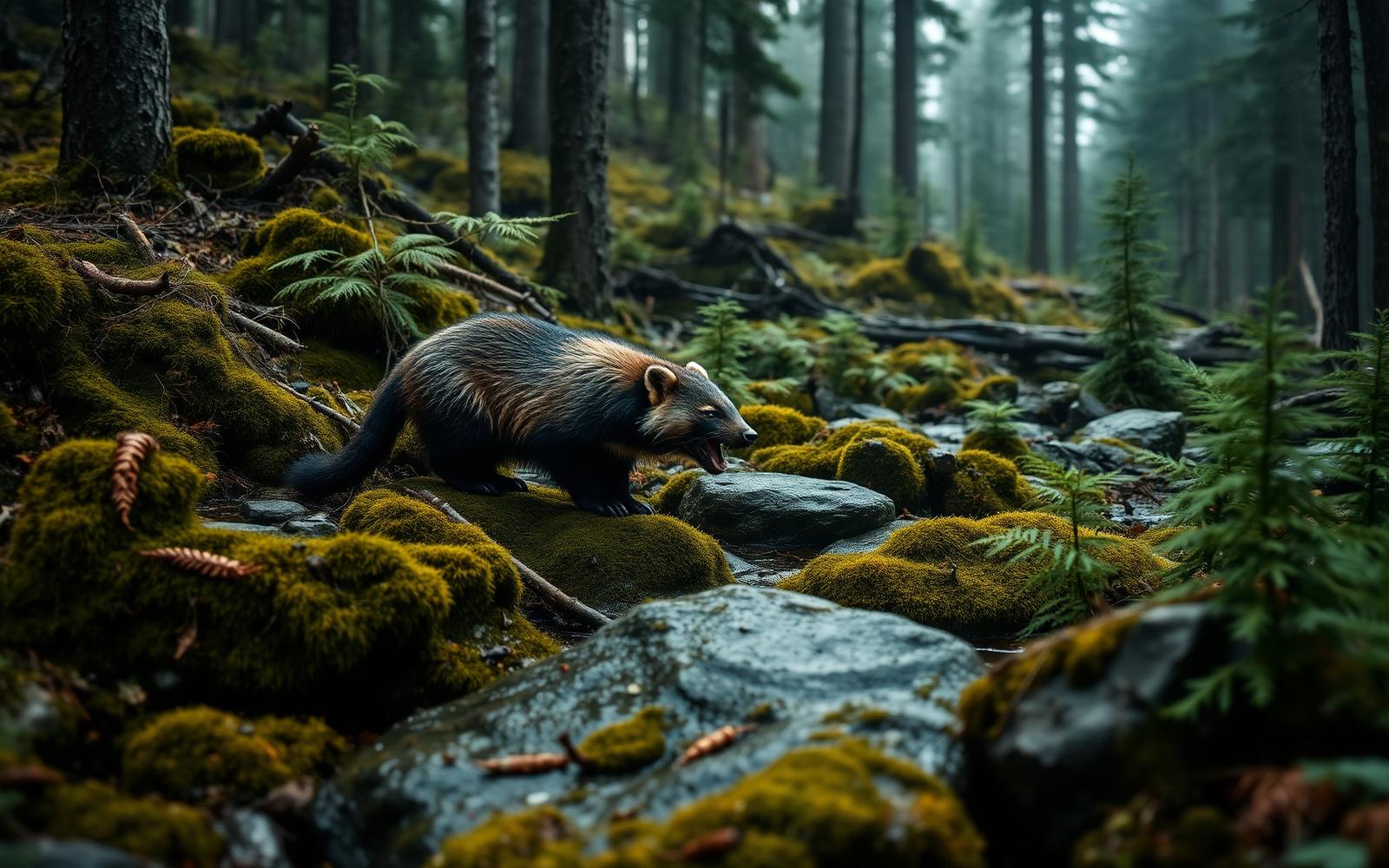
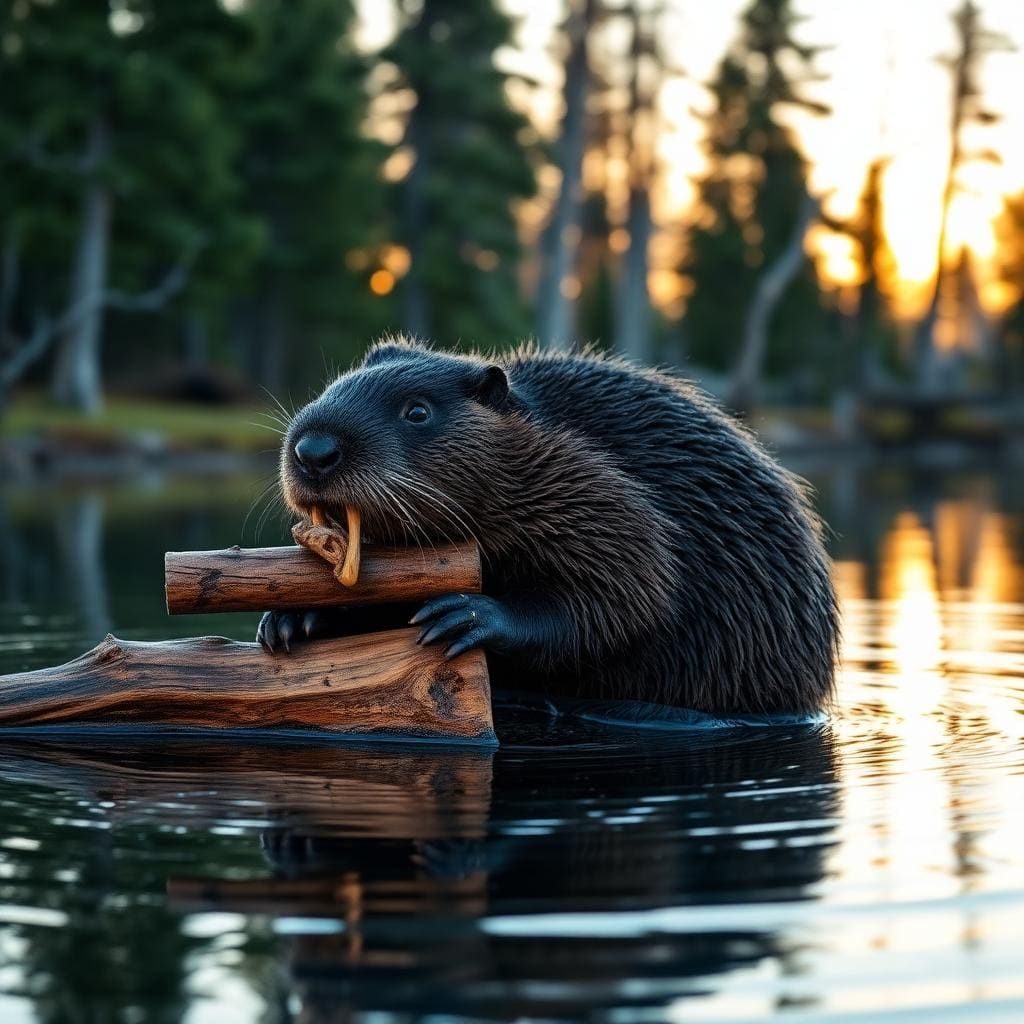
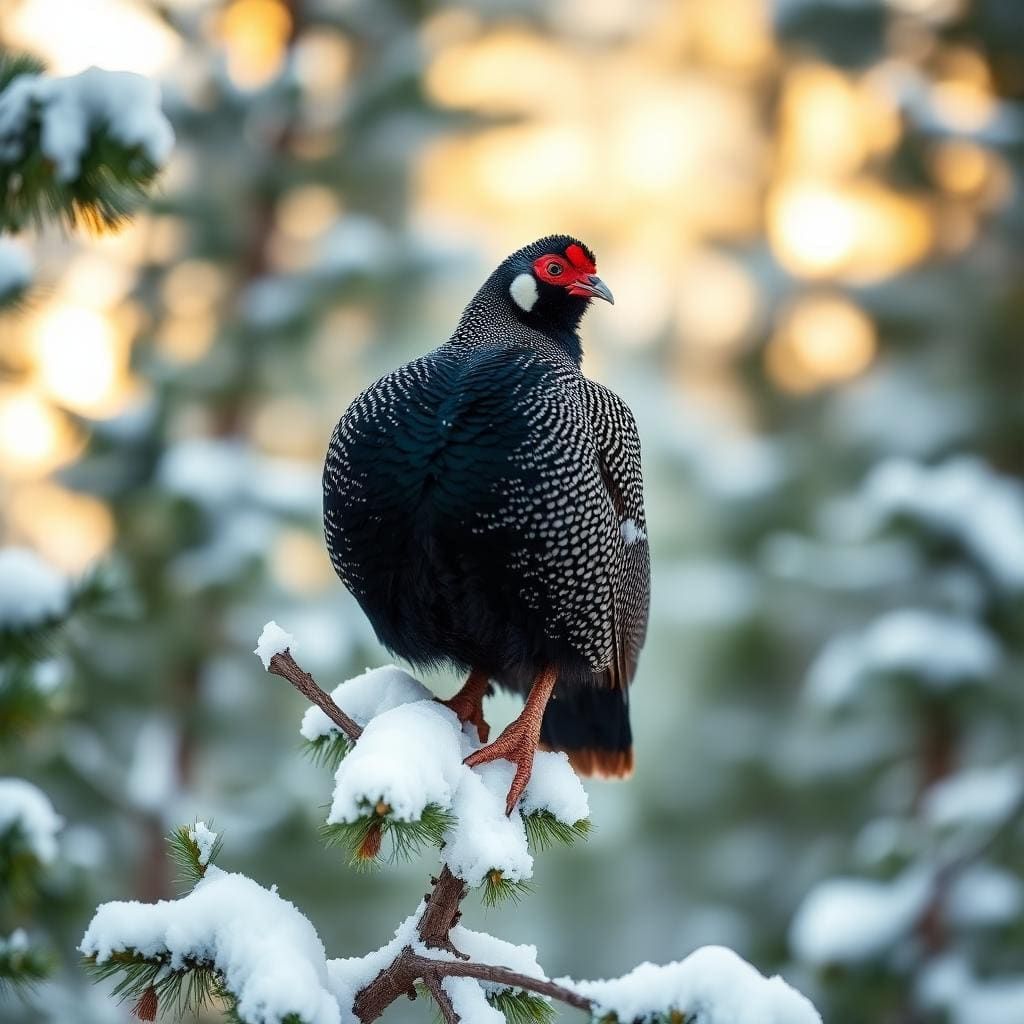
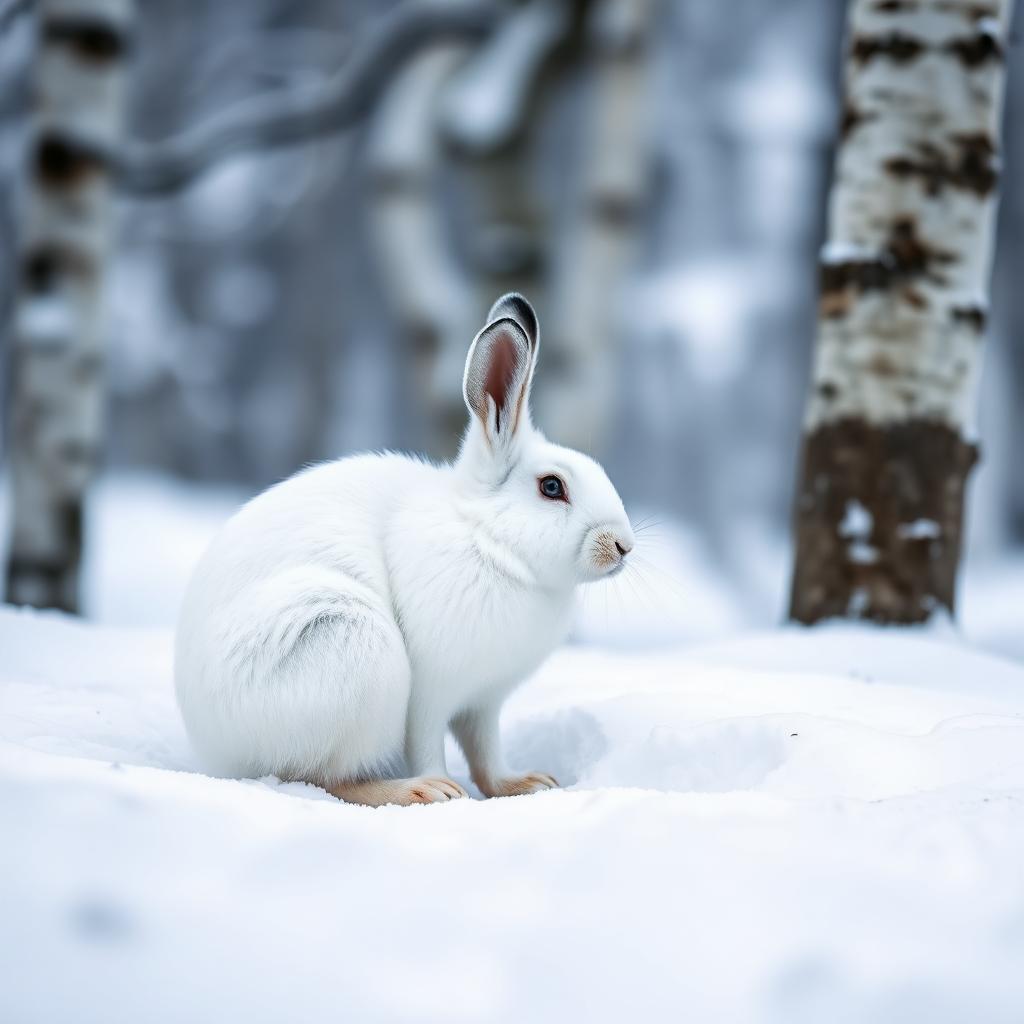
Beyond its renowned steelhead, the North Umpqua watershed is home to diverse wildlife. Anglers often spot various bird species, including osprey and bald eagles, hunting along the river. Black bears, deer, and elk inhabit the surrounding forests, though sightings are less common along the river itself. The scenery is a major draw, with towering old-growth trees providing a cathedral-like atmosphere, framed by moss-covered rocks and ferns. The pristine quality of the water and the vibrant green of the forest create a truly immersive natural experience.
Key Routes & Attractions
The North Umpqua Highway (Highway 138) parallels much of the fishable water, offering numerous pull-offs and designated access points. Famous stretches include the "Fly Only" section, running from the Narrows upstream to Soda Springs Dam, where classic pools like 'The Bend,' 'Lower Slide,' and 'Bogus Creek' are found. While these are prime spots, the river offers many miles of fishable water for those willing to explore and hike. Beyond fishing, the area boasts several stunning waterfalls, such as Toketee Falls and Watson Falls, easily accessible from Highway 138, offering a scenic diversion.
Permits & Access
Accessing the North Umpqua requires an Oregon fishing license with a valid steelhead endorsement. Regulations, particularly within the fly-only zones, are strictly enforced, so anglers must consult current Oregon Department of Fish and Wildlife guidelines. Public access is generally good, with numerous pull-offs, campgrounds, and day-use areas along Highway 138 facilitating wade access. While some stretches are quite accessible, reaching less-pressured water often involves careful wading or a short hike, rewarding those who seek solitude away from the more popular pools.
How we picked
We built this ranking from trip reports, agency data, permit records, and our editors' own time on the ground. 10 places made the final cut out of a much longer working list, and each one had to clear the same set of criteria before it earned a spot.
- Quality of the terrain
- Landscape, route variety, and whether the place rewards multiple days rather than one overlook.
- Season and weather windows
- How long the reliable window is, and how badly the shoulder seasons punish a bad forecast.
- Access and permits
- Trailhead logistics, permit odds, quotas, and how much lead time a trip realistically takes.
- Solitude vs. crowding
- How far you have to walk before the place feels like wilderness instead of a queue.
- Wildlife and ecology
- What you can reasonably expect to see, and what you have to plan around.
- Risk and skill required
- Navigation, water crossings, exposure, and rescue distance — stated plainly.
North Umpqua River — frequently asked questions
- Is North Umpqua River worth the trip?
- We rank it #6 in PNW Steelhead Rivers. The North Umpqua is an iconic Oregon river, known historically as the 'River of a Thousand Casts' due to its challenging yet rewarding nature. This river is famous for its wild summer steelhead and its fly-only regulations in many sections, making it a purist's paradise.
- Who is North Umpqua River best for?
- Best for experienced steelhead anglers, fly-fishing purists, solitary wilderness experiences and skill development and challenge. Standouts: world-class wild summer steelhead fishery and iconic fly-fishing experience for purists.
- What are the drawbacks of North Umpqua River?
- Extremely challenging fishing; not for beginners, Lower fish numbers compared to some rivers and Can experience angler pressure in popular pools.
- What are the key details for North Umpqua River?
- Location: Oregon, USA · Primary Species: Wild Summer Steelhead · Best Season: July - October (Peak late Aug - Sep) · Access: Wade from Highway 138 · Regulation: Extensive Fly-Only Sections
- Geography & Terrain — what should I know about the North Umpqua River?
- Originating in the High Cascades, the North Umpqua carves a distinct path through a rugged, forested canyon. The riverbed is characterized by a mix of gravel, bedrock, and large boulders, creating a varied landscape of swift runs, deep holding pools, and technical riffles.
- Best Season & Weather — what should I know about the North Umpqua River?
- The prime window for summer steelhead on the North Umpqua runs from July through October, with late August and September often considered the peak. During this period, water levels typically stabilize after spring runoff, and clarity is excellent.
Where on earth
Satellite imagery flying in from a world view to North Umpqua River, Oregon, United States. Use the + / − buttons, or click the map to zoom with your scroll wheel; drag to pan and pinch to zoom on touch.
North Umpqua River, Oregon 97471, USA · 43.268, -123.446
Wildlife found around North Umpqua River



Compare side by side
Put the North Umpqua River against any other pick on this list — specs, price, pros, cons and reader ratings.