



Reader rating
Rate it and you move it. Community ratings re-rank this product inside its Top 10 list.
Expert-picked, reader-ranked. Our editors choose the products and the launch order; member star ratings move picks up or down over time.
While a vast system, the Skeena and its major tributaries (Bulkley, Babine, Copper) represent a collective powerhouse for wild steelhead. Located in northern British Columbia, these rivers are renowned for producing some of the largest and most pristine wild steelhead on Earth, with fish regularly pushing into the 20-pound class. This is a destination for the dedicated steelheader, offering a truly wild and remote experience. The prime season for summer-run steelhead is typically late August through October. Access is often through lodges and guided trips, though some public access exists, particularly on the Bulkley and Copper near Terrace and Smithers. Fly-in camps on the Babine offer unparalleled solitude. The fishing is primarily swinging flies with two-handed rods. Expect cold, often wet weather, and true wilderness conditions. This is not a casual trip; it demands commitment, significant travel, and a healthy budget if opting for guided lodge experiences. Conservation efforts are paramount here, with strict regulations to protect these vital wild populations. The sheer size and power of Skeena system steelhead, combined with the epic backdrop of British Columbia's wilderness, make it a bucket-list destination for serious anglers, though one that requires careful planning and a deep appreciation for the remote. **Highlights** * Home to some of the largest wild steelhead in the world. * True wilderness experience with stunning B.C. scenery. * Multiple world-class tributaries (Bulkley, Babine, Copper) to explore. * High potential for solitude in remote sections. * Excellent opportunities for two-handed fly fishing. **Watch-outs** * Significant travel time and expense to reach remote locations. * Often requires booking through lodges or guides for best access. * Limited public access in many prime areas. * Harsh weather conditions (cold, rain, early snow) are common in fall. * Strict regulations and conservation closures are frequently implemented.
Pros
- Opportunity for world-class, large wild steelhead
- True wilderness experience with stunning scenery
- Excellent opportunity for two-handed fly fishing
- Potential for genuine solitude in remote sections
- Diverse system with multiple rivers to explore
Cons
- Significant travel time and expense for remote access
- Often requires booking through lodges/guides
- Harsh and unpredictable weather conditions are common
- Strict and dynamic conservation regulations
- Limited public access in many prime areas
Best uses
- Targeting trophy steelhead
- Wilderness angling expeditions
- Two-handed fly fishing
- Advanced steelheading trips
Specifications
- Location
- Northern British Columbia, Canada
- Target Species
- Wild Steelhead
- Prime Season
- Late August - October (Summer-run)
- Key Rivers
- Bulkley, Babine, Copper, Skeena
- Largest Steelhead
- Commonly 20+ pound class
- Access
- Guided lodges, limited public access
- Fishing Method
- Two-handed fly fishing (swinging flies)
Best for
Targeting trophy steelhead, Wilderness angling expeditions, Two-handed fly fishing, Advanced steelheading trips
The Skeena River System, encompassing iconic tributaries like the Bulkley, Babine, and Copper, represents a vast, untamed wilderness in northern British Columbia, a collective powerhouse for wild steelhead. This is not a destination for the faint of heart; it is for the dedicated angler seeking an authentic, challenging encounter with some of the planet's largest and most pristine wild steelhead, with many fish regularly pushing into the 20-pound class. The sheer scale of the system, coupled with the dramatic backdrop of Canadian wilderness, defines its allure. Primarily a two-handed fly fishing destination, the Skeena system demands commitment in terms of travel, planning, and often, budget. While some public access exists, particularly near population centers like Terrace and Smithers, the most productive and remote sections frequently require guided trips or lodge stays. Conservation is paramount, with strict regulations in place to protect these vital wild populations. Anglers must be prepared for variable, often harsh weather, but the reward is an unparalleled angling experience and the chance to connect with truly wild fish in a wild setting.
Geography & Terrain
The Skeena River system carves its way through the rugged mountain ranges of northern British Columbia, featuring a diverse landscape of dense coniferous forests, glacially carved valleys, and towering peaks. Its tributaries, like the Bulkley and Babine, flow through varied terrain from wide, braided valleys to canyon-like stretches. The river bottoms are typically rocky, with extensive gravel bars, deep pools, and swift runs. This wild, untamed environment contributes significantly to the system's ability to host large, healthy wild steelhead populations and provides a dramatic, scenic backdrop for fishing.
Best Season & Weather
The prime window for summer-run steelhead on the Skeena system typically runs from late August through October. Early fall offers more stable conditions, but as the season progresses, be prepared for significant weather shifts. Expect cool to cold temperatures, frequent rain, and the possibility of early snowfalls, particularly in October. Water temperatures will drop, influencing fish behavior. Anglers must pack for all conditions, prioritizing waterproof and warm layers. This is not a fair-weather fishery; persistence through varied conditions is often rewarded.
Wildlife & Wilderness
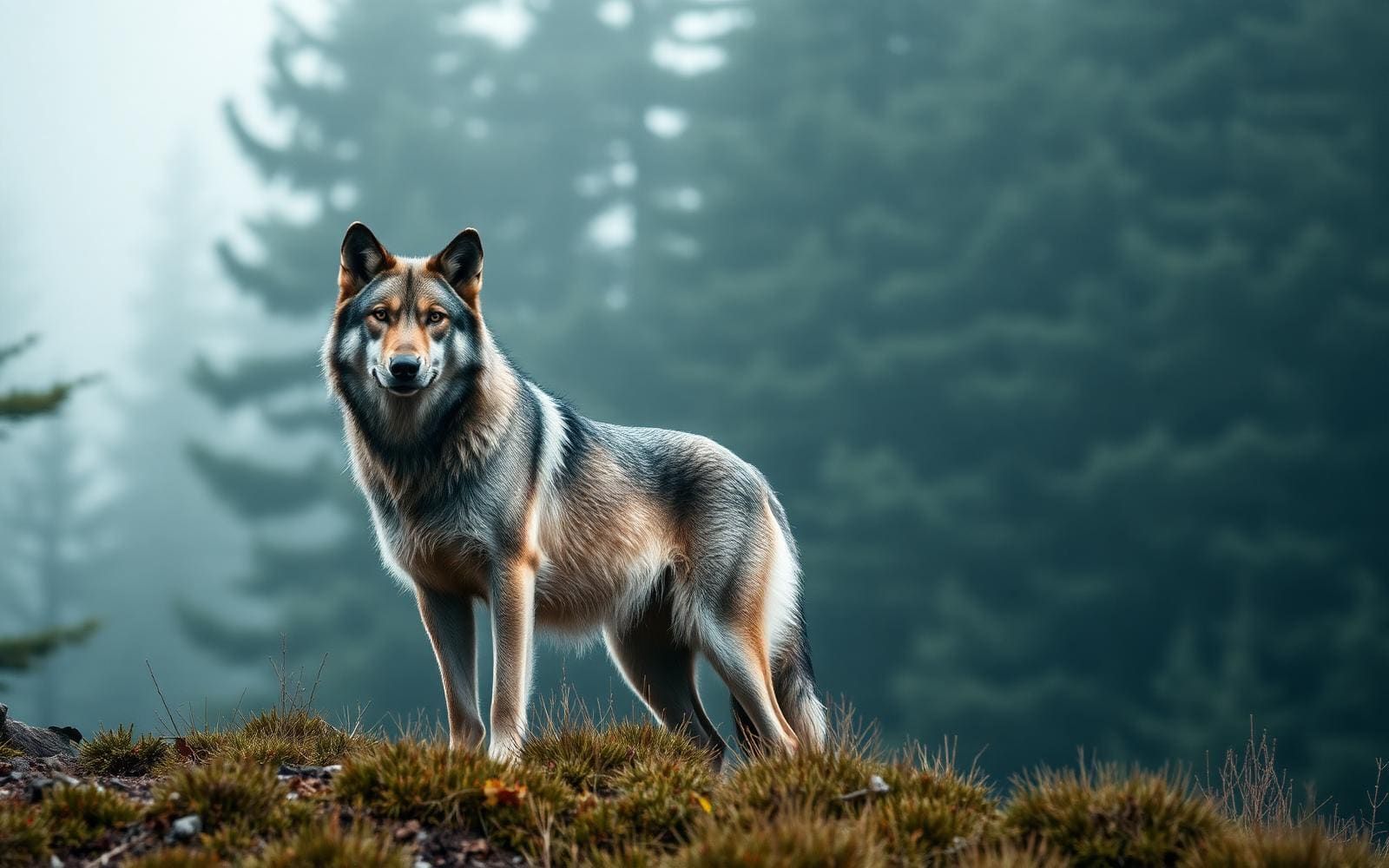
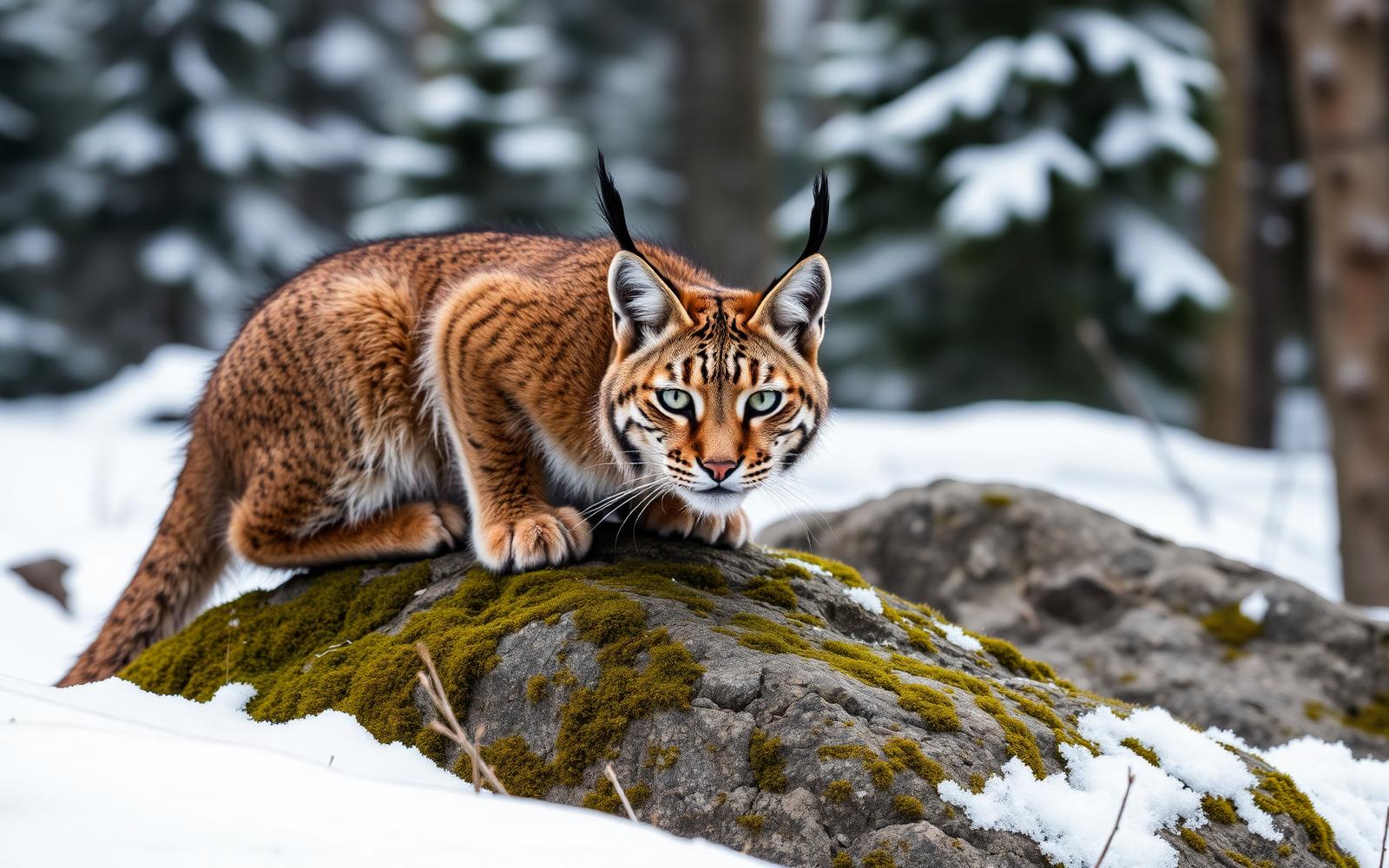
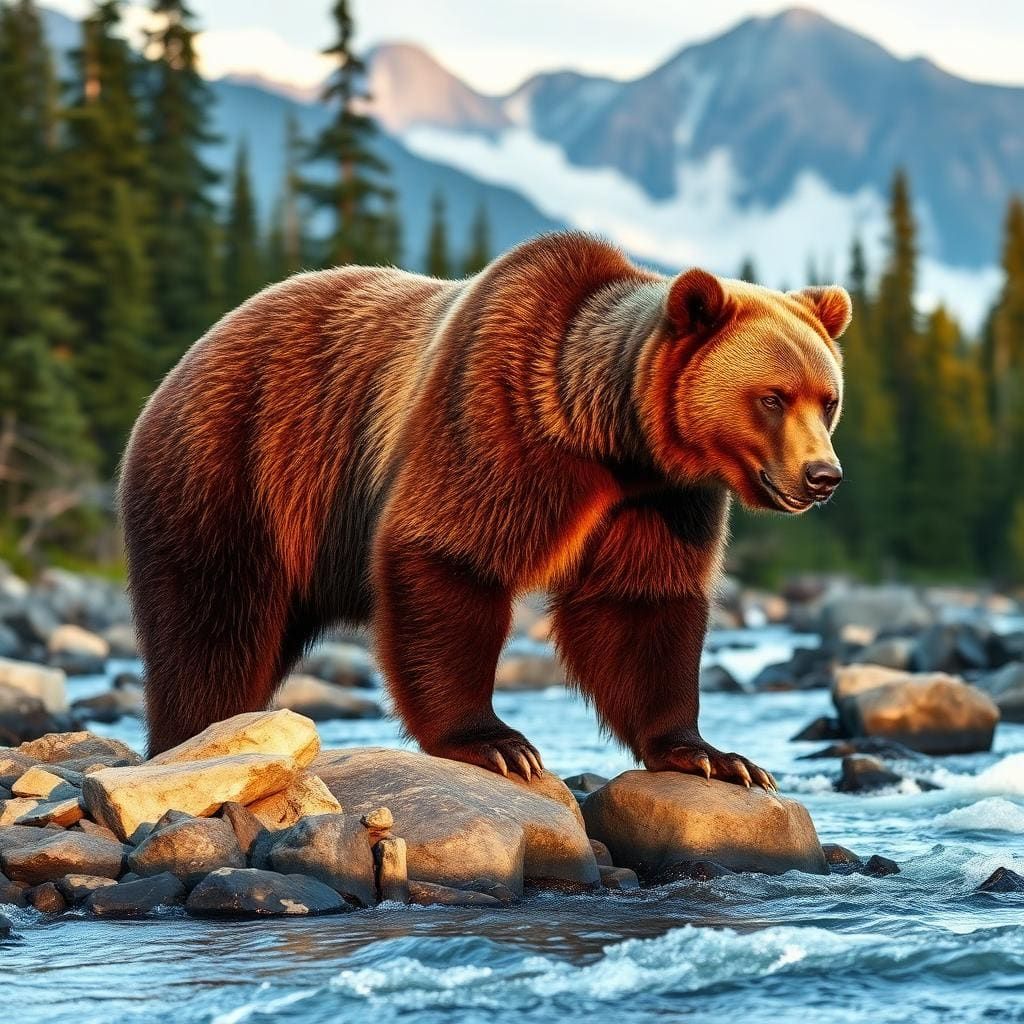
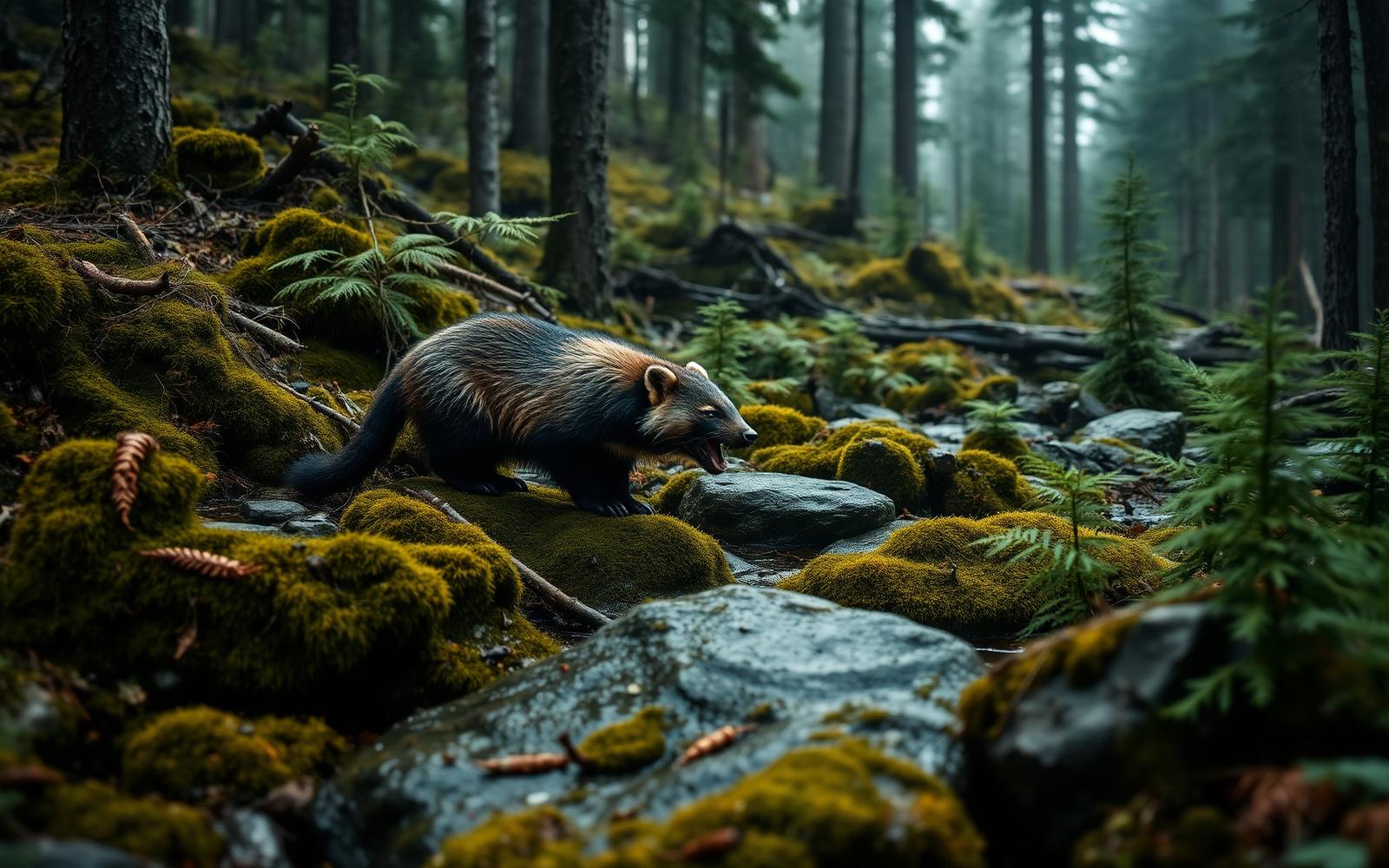
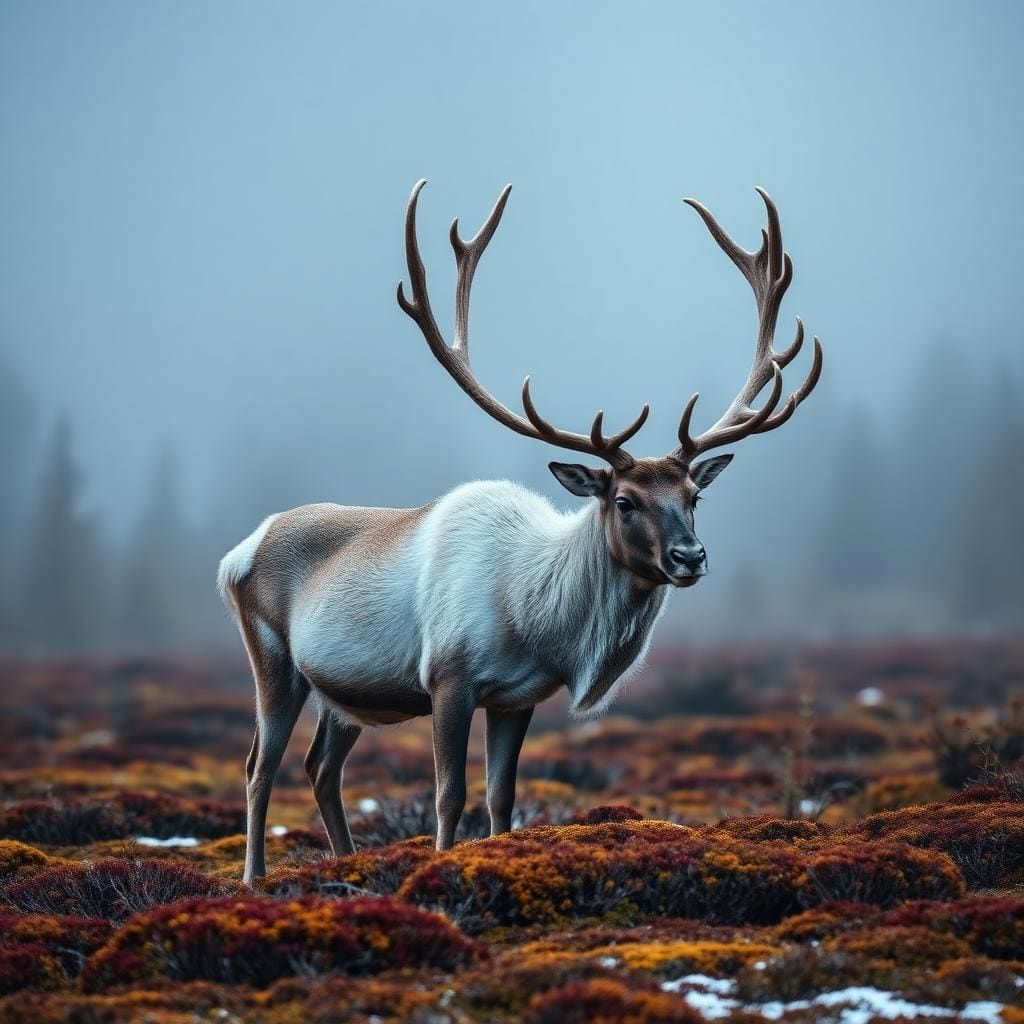
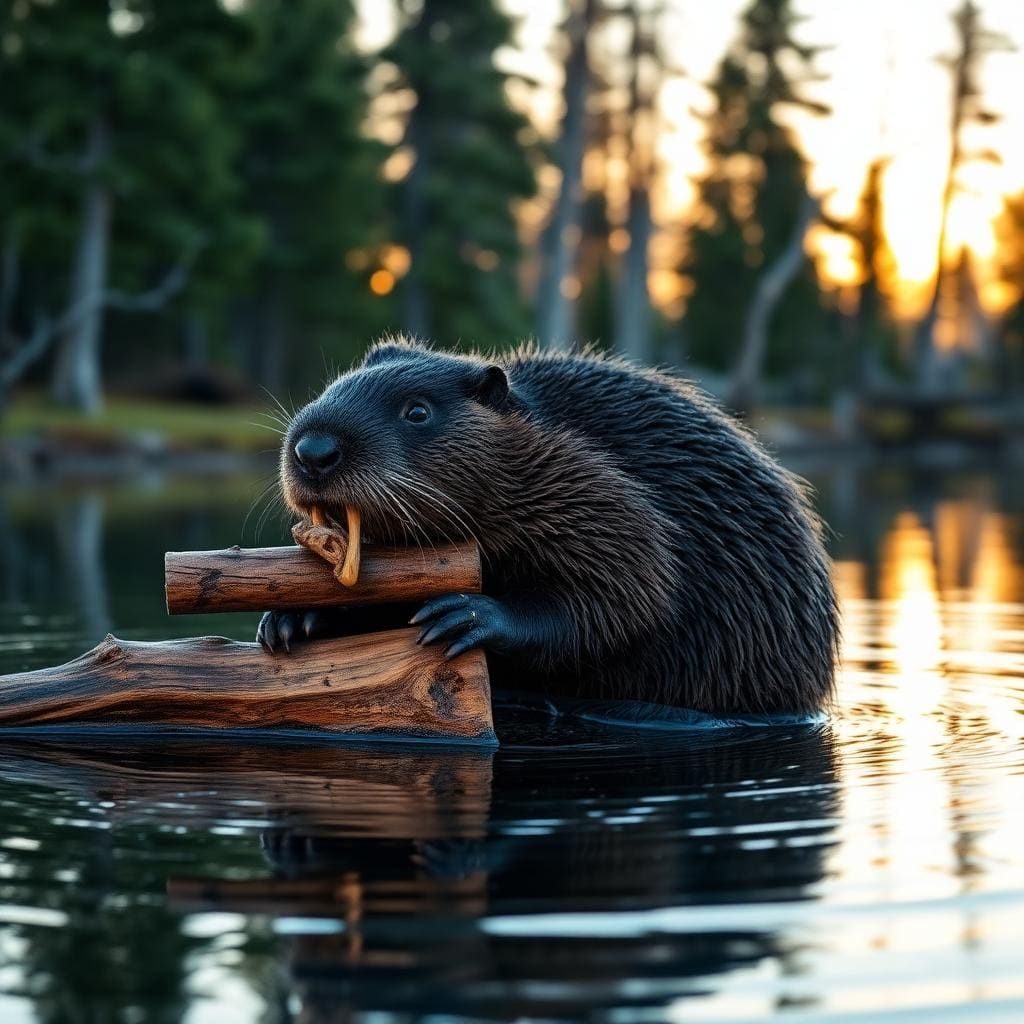
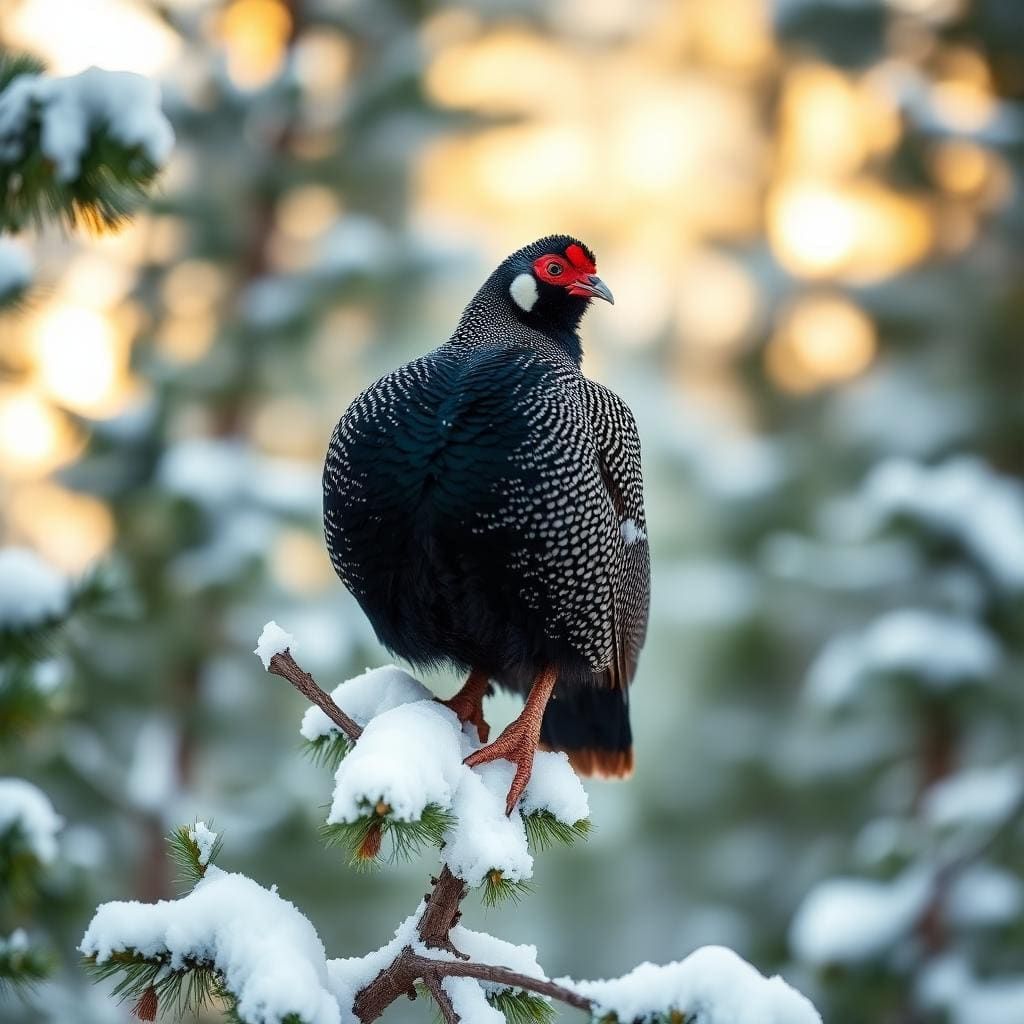
The Skeena system is true wilderness, meaning abundant wildlife sightings are part of the experience. Anglers frequently encounter black bears and grizzly bears, especially around spawning salmon runs, so bear awareness and preparedness are crucial. Other common wildlife includes moose, deer, eagles, and various waterfowl. The pristine nature of the environment means you are sharing the space with these animals. This immersion in a wild ecosystem is a significant draw, but also necessitates respect for the environment and its inhabitants.
Key Routes & Access
Access to the vast Skeena system varies significantly by tributary and location. The Bulkley River, near Smithers, offers some of the more accessible public spots. The Copper River, closer to Terrace, also has areas with easier entry. However, to access the most productive and remote sections, particularly on the Babine River, booking through established lodges or guided outfitters is often necessary. Many lodges operate fly-in camps, providing unparalleled solitude and access to untouched water. Travel to these regions typically involves flying into Terrace or Smithers, followed by vehicle transfer or bush plane.
Permits & Regulations
Fishing the Skeena system requires a valid British Columbia freshwater fishing license, along with a classified waters license for specific areas. The system operates under strict conservation regulations designed to protect its wild steelhead populations. These often include mandatory catch-and-release, single-barbless hook requirements, and specific gear restrictions. Annual regulations can change, sometimes mid-season due to conservation concerns, so it is imperative to check the most current provincial fishing regulations before and during your trip to ensure compliance. Ignorance is not an excuse for violations.
How we picked
We built this ranking from trip reports, agency data, permit records, and our editors' own time on the ground. 10 places made the final cut out of a much longer working list, and each one had to clear the same set of criteria before it earned a spot.
- Quality of the terrain
- Landscape, route variety, and whether the place rewards multiple days rather than one overlook.
- Season and weather windows
- How long the reliable window is, and how badly the shoulder seasons punish a bad forecast.
- Access and permits
- Trailhead logistics, permit odds, quotas, and how much lead time a trip realistically takes.
- Solitude vs. crowding
- How far you have to walk before the place feels like wilderness instead of a queue.
- Wildlife and ecology
- What you can reasonably expect to see, and what you have to plan around.
- Risk and skill required
- Navigation, water crossings, exposure, and rescue distance — stated plainly.
Skeena River System (Bulkley, Babine, Copper) — frequently asked questions
- Is Skeena River System (Bulkley, Babine, Copper) worth the trip?
- We rank it #5 in PNW Steelhead Rivers. While a vast system, the Skeena and its major tributaries (Bulkley, Babine, Copper) represent a collective powerhouse for wild steelhead. Located in northern British Columbia, these rivers are renowned for producing some of the largest and most pristine wild steelhead on Earth, with fish regularly pushing into the…
- Who is Skeena River System (Bulkley, Babine, Copper) best for?
- Best for targeting trophy steelhead, wilderness angling expeditions, two-handed fly fishing and advanced steelheading trips. Standouts: opportunity for world-class, large wild steelhead and true wilderness experience with stunning scenery.
- What are the drawbacks of Skeena River System (Bulkley, Babine, Copper)?
- Significant travel time and expense for remote access, Often requires booking through lodges/guides and Harsh and unpredictable weather conditions are common.
- What are the key details for Skeena River System (Bulkley, Babine, Copper)?
- Location: Northern British Columbia, Canada · Target Species: Wild Steelhead · Prime Season: Late August - October (Summer-run) · Key Rivers: Bulkley, Babine, Copper, Skeena · Largest Steelhead: Commonly 20+ pound class
- Geography & Terrain — what should I know about the Skeena River System (Bulkley, Babine, Copper)?
- The Skeena River system carves its way through the rugged mountain ranges of northern British Columbia, featuring a diverse landscape of dense coniferous forests, glacially carved valleys, and towering peaks. Its tributaries, like the Bulkley and Babine, flow through varied terrain from wide, braided valleys to…
- Best Season & Weather — what should I know about the Skeena River System (Bulkley, Babine, Copper)?
- The prime window for summer-run steelhead on the Skeena system typically runs from late August through October. Early fall offers more stable conditions, but as the season progresses, be prepared for significant weather shifts.
Where on earth
Satellite imagery flying in from a world view to Skeena River System (Bulkley, Babine, Copper), British Columbia, Canada. Use the + / − buttons, or click the map to zoom with your scroll wheel; drag to pan and pinch to zoom on touch.
Bulkley River, British Columbia, Canada · 54.828, -126.908
Wildlife found around Skeena River System (Bulkley, Babine, Copper)

Compare side by side
Put the Skeena River System (Bulkley, Babine, Copper) against any other pick on this list — specs, price, pros, cons and reader ratings.