



Reader rating
Rate it and you move it. Community ratings re-rank this product inside its Top 10 list.
Expert-picked, reader-ranked. Our editors choose the products and the launch order; member star ratings move picks up or down over time.
The Sauk River, a major tributary to the Skagit, is a wild and scenic river flowing from the North Cascades. While it shares some of the Skagit's challenges regarding fish returns, it offers a more intimate and often less pressured winter steelhead experience when conditions are right. The Sauk is characterized by its powerful currents, large boulder gardens, and stunning mountain backdrop. The prime winter steelhead season is from December through March, though fish numbers can be sporadic. Access is primarily by wading from public access points along the Mountain Loop Highway, or via drift boat, though many sections are very technical to float. This is a river for the experienced and dedicated angler who appreciates a true wilderness setting and the challenge of finding powerful, wild fish. Water levels are highly dependent on rainfall and snowmelt, and the river can be unfishable due to high, turbid water after storms. Expect cold, wet weather and a genuine sense of solitude in many sections. A Washington State fishing license with a steelhead endorsement is required. While not a numbers fishery, the Sauk offers a profoundly rewarding experience for those seeking a true wild winter steelhead in a spectacular, rugged environment, often with fewer anglers than its larger counterparts. **Highlights** * Stunning North Cascades wilderness scenery. * Opportunities for wild winter steelhead. * More intimate river experience than the main Skagit. * Potential for solitude in many sections. * Strong, wild fish when encountered. **Watch-outs** * Highly dependent on water conditions; can be unfishable during high flows. * Wild steelhead runs are struggling, making fishing very challenging. * Technical wading and floating in many sections. * Limited services along the river corridor. * Cold, wet winter weather is a constant factor.
Pros
- Stunning North Cascades wilderness scenery
- Opportunities for wild winter steelhead
- More intimate river experience than mainstem Skagit
- Potential for profound solitude in many sections
- Strong, powerful fish when encountered
Cons
- Highly dependent on water conditions; often unfishable
- Wild steelhead runs are struggling, making fishing very challenging
- Technical wading and floating in many sections
- Limited services and amenities along the river corridor
- Cold, wet winter weather is a constant factor
Best uses
- Wilderness steelhead pursuit
- Solitary fishing experience
- Advanced technical angling
- Scenic winter escapade
Specifications
- Location
- Washington, USA (North Cascades)
- Primary Target
- Wild Winter Steelhead
- Season
- December - March
- Access
- Wading, Technical Drift Boat
- Water Source
- Rain & Snowmelt
- License
- WA State Fishing + Steelhead Endorsement
Best for
Wilderness steelhead pursuit, Solitary fishing experience, Advanced technical angling, Scenic winter escapade
The Sauk River, a significant tributary of the Skagit, carves its path from the heart of the North Cascades, delivering a true wilderness fishing experience. Its character is defined by powerful currents, expansive boulder gardens, and an imposing mountain backdrop that sets it apart. While sharing the broader challenges of Pacific Northwest steelhead returns, the Sauk often presents a more intimate and less pressured encounter with winter steelhead, particularly when conditions align. Anglers pursue these elusive fish primarily from December through March, though patience is key due to sporadic fish numbers. This isn't a river for casual outings; it demands a dedicated and experienced approach, valuing the challenge of finding powerful, wild fish in a spectacular, rugged environment. Access is predominantly through wading from various public points along the Mountain Loop Highway, or via drift boat for those capable of navigating its technical sections. The river's flow is heavily influenced by rainfall and snowmelt, meaning it can become unfishable quickly due to high, turbid water after storms. Expect cold, wet winter weather and, in many stretches, a profound sense of solitude. A Washington State fishing license with a steelhead endorsement is mandatory. The Sauk offers a profoundly rewarding experience for those seeking a genuine wild winter steelhead encounter, often with fewer anglers than its larger counterparts, making the hard-earned reward all the more significant. It stands as a testament to the wild spirit of the region, where the pursuit is as much about the environment as it is about the fish. The strong currents and technical wading are a constant reminder of the raw power of nature, ensuring that every successful cast, let alone a hooked fish, feels like a hard-won victory. For the angler who prioritizes solitude, stunning scenery, and the pursuit of truly wild fish over high numbers, the Sauk delivers an unforgettable, authentic PNW experience.
River Character & Terrain
Flowing from the North Cascades, the Sauk is characterized by powerful currents, large boulder gardens, and deep, swift runs. The geology of the region dictates a riverbed composed largely of cobble and rock, with numerous submerged obstacles. Its descent from high country imparts significant force, making precise casting and careful wading paramount. The surrounding landscape is classic Pacific Northwest wilderness, dense with old-growth conifers, providing a rugged, untamed backdrop to the fishing experience. This isn't a gentle float; it's an engagement with a powerful, dynamic ecosystem that demands respect and skill from those who venture into its waters.
Best Fishing Window
The prime window for winter steelhead on the Sauk typically spans from December through March. However, river conditions are highly variable due to its reliance on rainfall and snowmelt. Optimal fishing occurs during periods of stable, dropping, and clearing water after precipitation events. High, turbid flows can render the river unfishable for days or even weeks. Anglers must closely monitor local weather patterns and real-time river gauges. Cold, wet weather is the norm throughout this period, requiring appropriate gear and preparation for persistent damp and low temperatures.
Permits & Access
Access to the Sauk River is primarily gained via public pull-offs and designated access points along the Mountain Loop Highway. Wading is the most common method, but proficiency in reading water and navigating strong currents is essential. Drift boat access is possible in certain sections, but many parts are highly technical, requiring experienced oarsmen. A Washington State fishing license, coupled with a valid steelhead endorsement, is required for all anglers. Check current WDFW regulations for specific seasonal closures, gear restrictions, and special rules that may apply.
Wildlife & Scenery
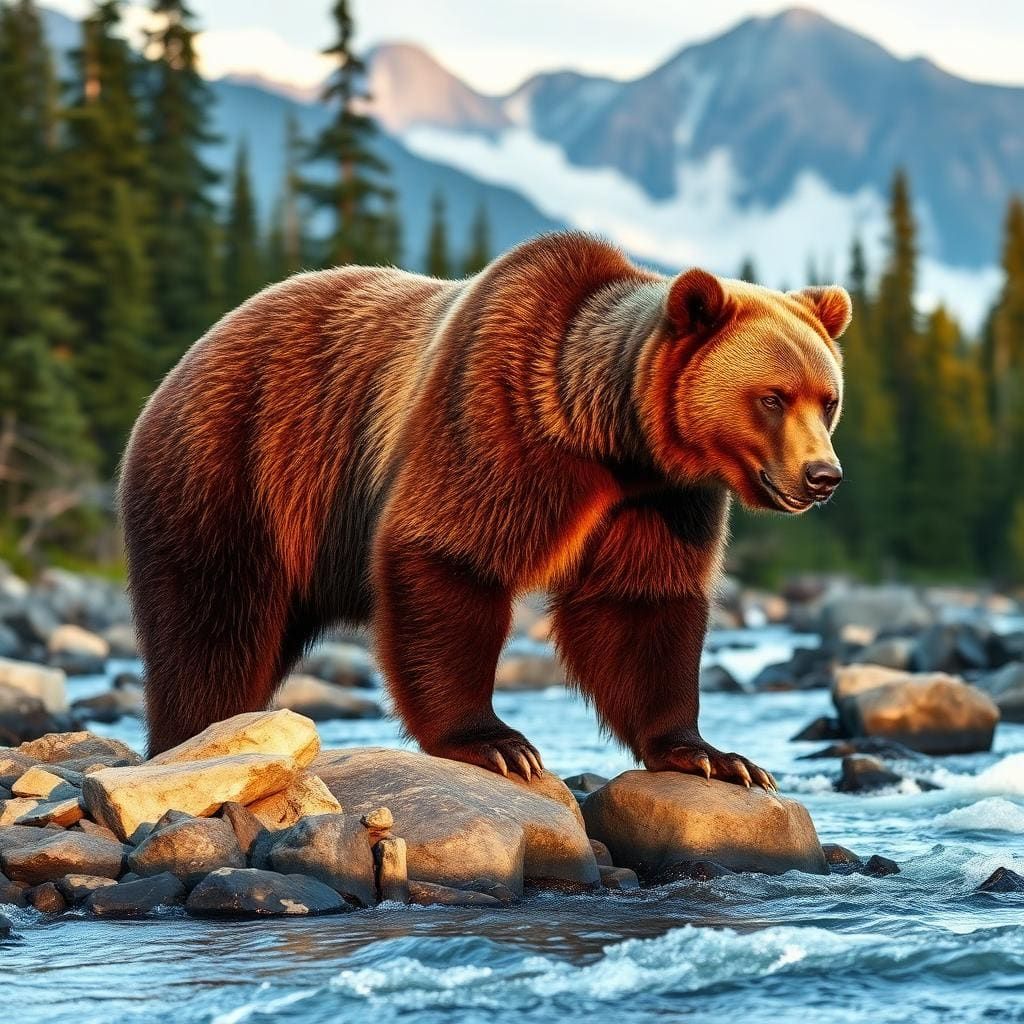
The Sauk River flows through a stunning, relatively untouched portion of the North Cascades, offering breathtaking scenery of towering peaks, dense evergreen forests, and pristine riverbanks. This wilderness setting provides opportunities to observe a variety of Pacific Northwest wildlife. Bald eagles are commonly seen perched along the river, hunting for fish. Deer, elk, and occasionally black bears inhabit the surrounding forests. The sense of solitude in many sections allows for a truly immersive natural experience, where the sounds of the river and the forest dominate, far from the din of urban life.
Hazards & Trade-offs
The Sauk presents significant hazards, primarily its powerful currents and technical wading, which demand constant vigilance. Water levels are highly volatile; rapid rises from rain or snowmelt can make the river dangerous or unfishable, and cold-water immersion is a serious risk. Steelhead returns here, like elsewhere in the region, are struggling, making it a challenging fishery where success is not guaranteed and often involves long periods without a hook-up. Solitude comes with limited services, meaning anglers must be self-sufficient and prepared for remote conditions. This is a difficult river for an inexperienced angler.
How we picked
We built this ranking from trip reports, agency data, permit records, and our editors' own time on the ground. 10 places made the final cut out of a much longer working list, and each one had to clear the same set of criteria before it earned a spot.
- Quality of the terrain
- Landscape, route variety, and whether the place rewards multiple days rather than one overlook.
- Season and weather windows
- How long the reliable window is, and how badly the shoulder seasons punish a bad forecast.
- Access and permits
- Trailhead logistics, permit odds, quotas, and how much lead time a trip realistically takes.
- Solitude vs. crowding
- How far you have to walk before the place feels like wilderness instead of a queue.
- Wildlife and ecology
- What you can reasonably expect to see, and what you have to plan around.
- Risk and skill required
- Navigation, water crossings, exposure, and rescue distance — stated plainly.
Sauk River — frequently asked questions
- Is Sauk River worth the trip?
- We rank it #10 in PNW Steelhead Rivers. The Sauk River, a major tributary to the Skagit, is a wild and scenic river flowing from the North Cascades. While it shares some of the Skagit's challenges regarding fish returns, it offers a more intimate and often less pressured winter steelhead experience when conditions are right.
- Who is Sauk River best for?
- Best for wilderness steelhead pursuit, solitary fishing experience, advanced technical angling and scenic winter escapade. Standouts: stunning north cascades wilderness scenery and opportunities for wild winter steelhead.
- What are the drawbacks of Sauk River?
- Highly dependent on water conditions; often unfishable, Wild steelhead runs are struggling, making fishing very challenging and Technical wading and floating in many sections.
- What are the key details for Sauk River?
- Location: Washington, USA (North Cascades) · Primary Target: Wild Winter Steelhead · Season: December - March · Access: Wading, Technical Drift Boat · Water Source: Rain & Snowmelt
- River Character & Terrain — what should I know about the Sauk River?
- Flowing from the North Cascades, the Sauk is characterized by powerful currents, large boulder gardens, and deep, swift runs. The geology of the region dictates a riverbed composed largely of cobble and rock, with numerous submerged obstacles.
- Best Fishing Window — what should I know about the Sauk River?
- The prime window for winter steelhead on the Sauk typically spans from December through March. However, river conditions are highly variable due to its reliance on rainfall and snowmelt.
Where on earth
Satellite imagery flying in from a world view to Sauk River, Washington, United States. Use the + / − buttons, or click the map to zoom with your scroll wheel; drag to pan and pinch to zoom on touch.
Sauk River, Washington, USA · 48.293, -121.496
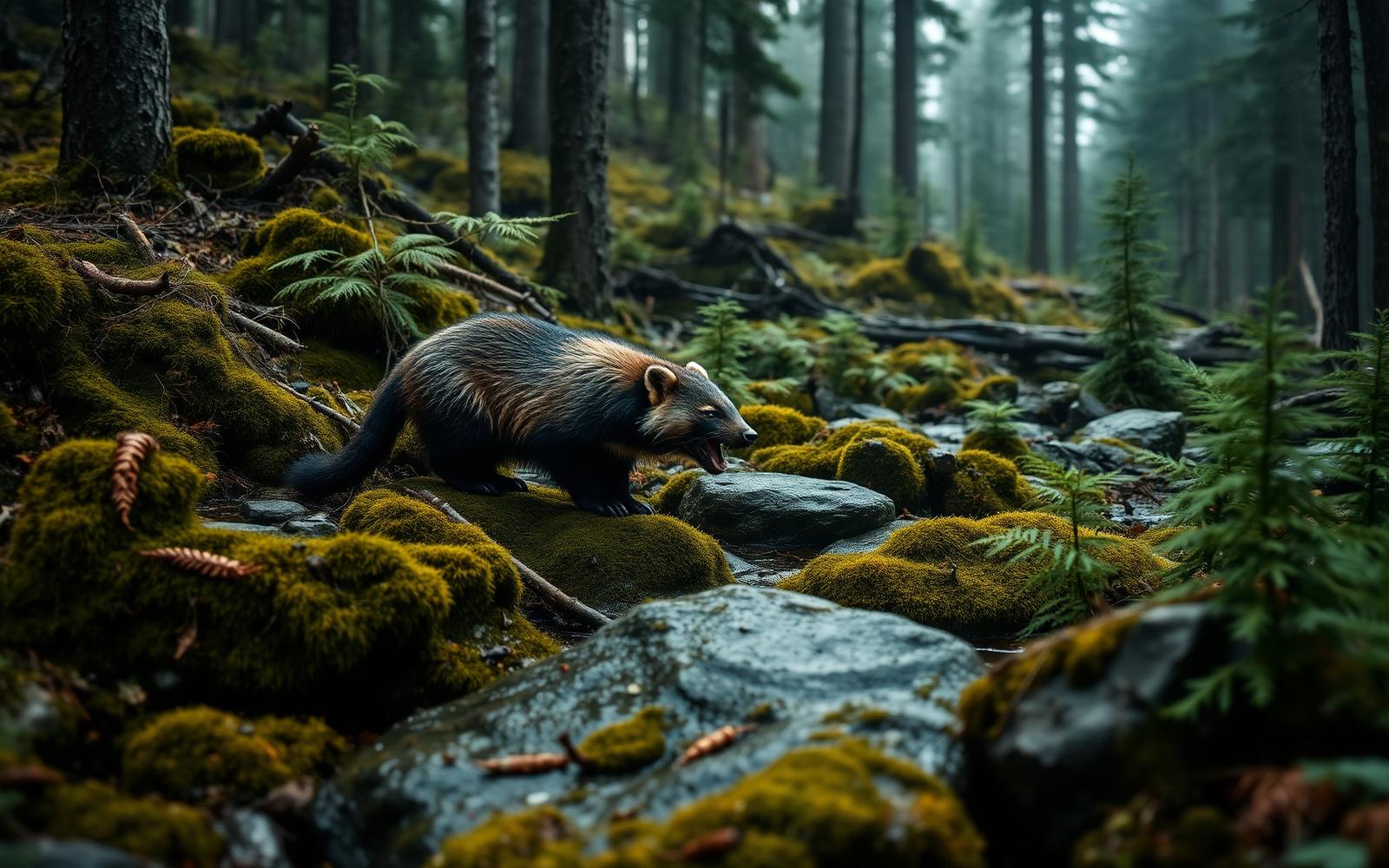
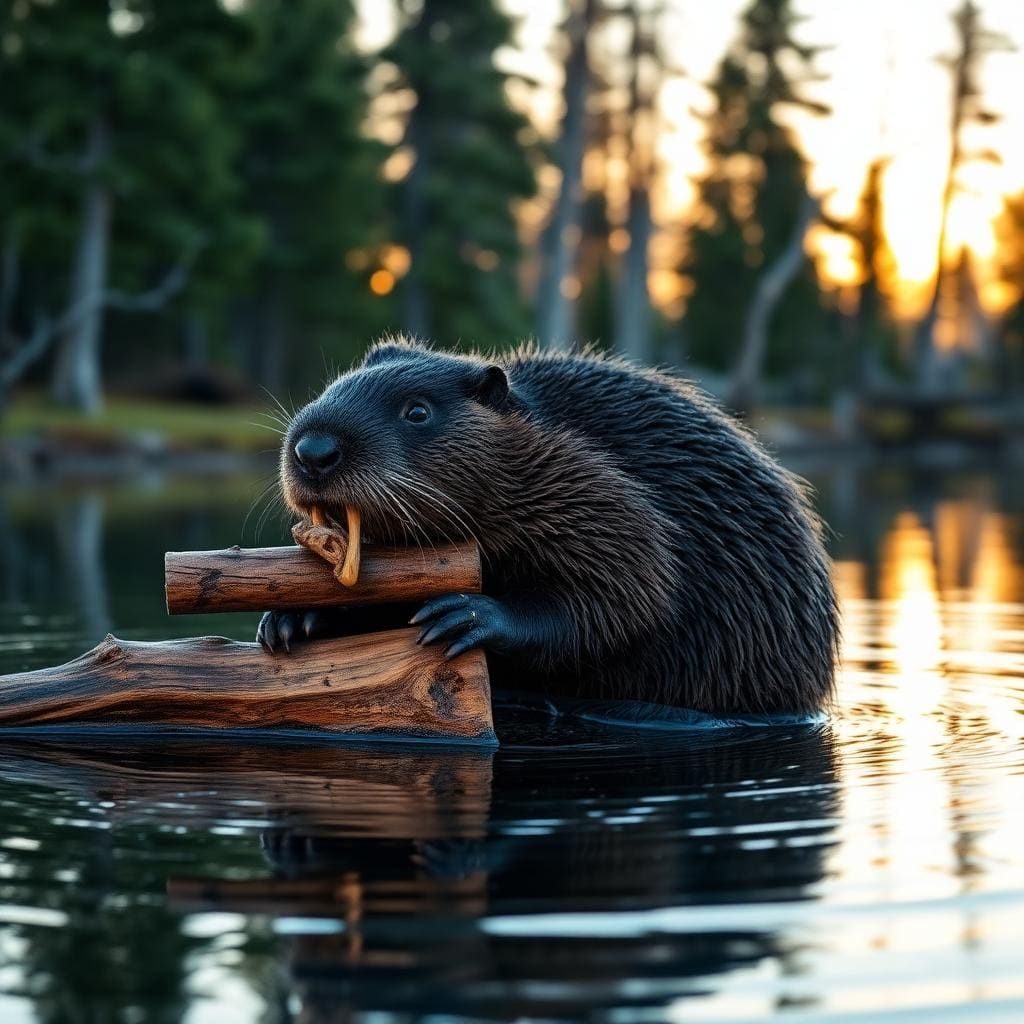
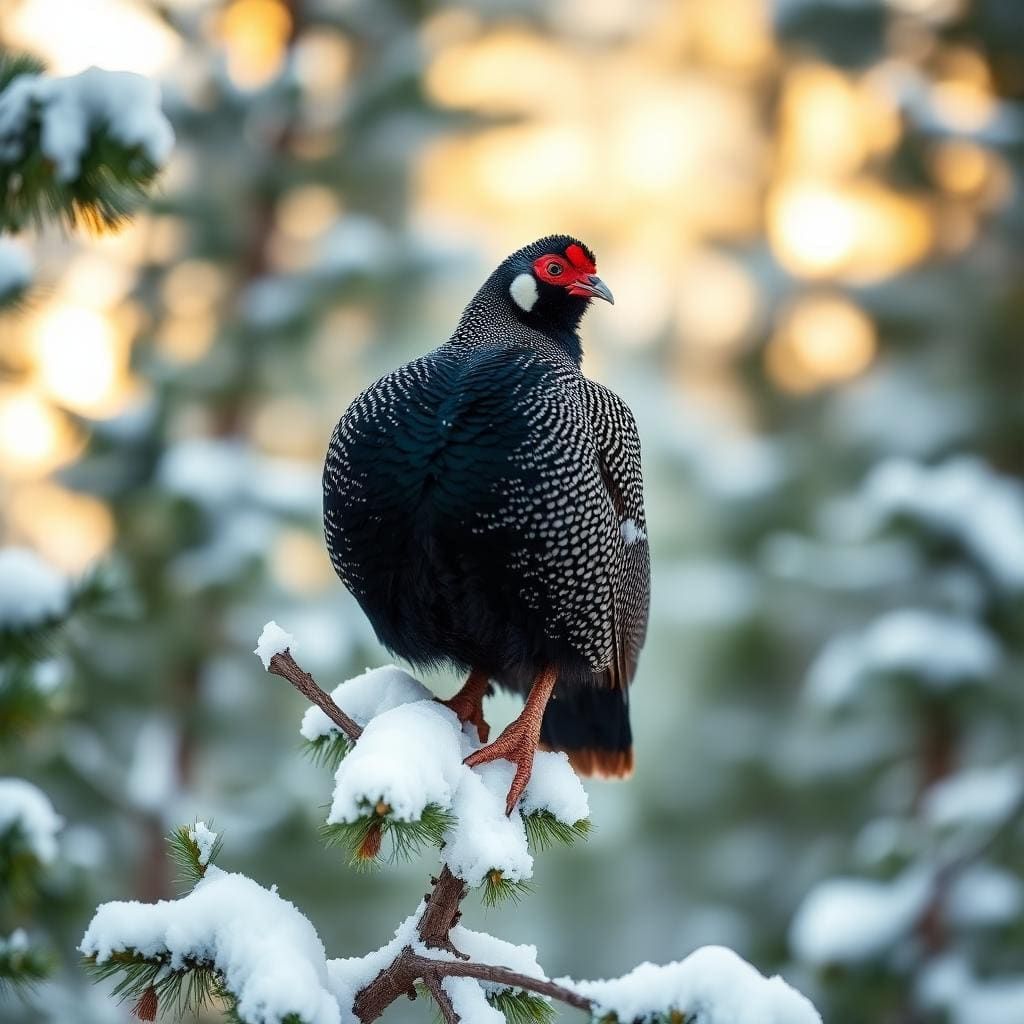
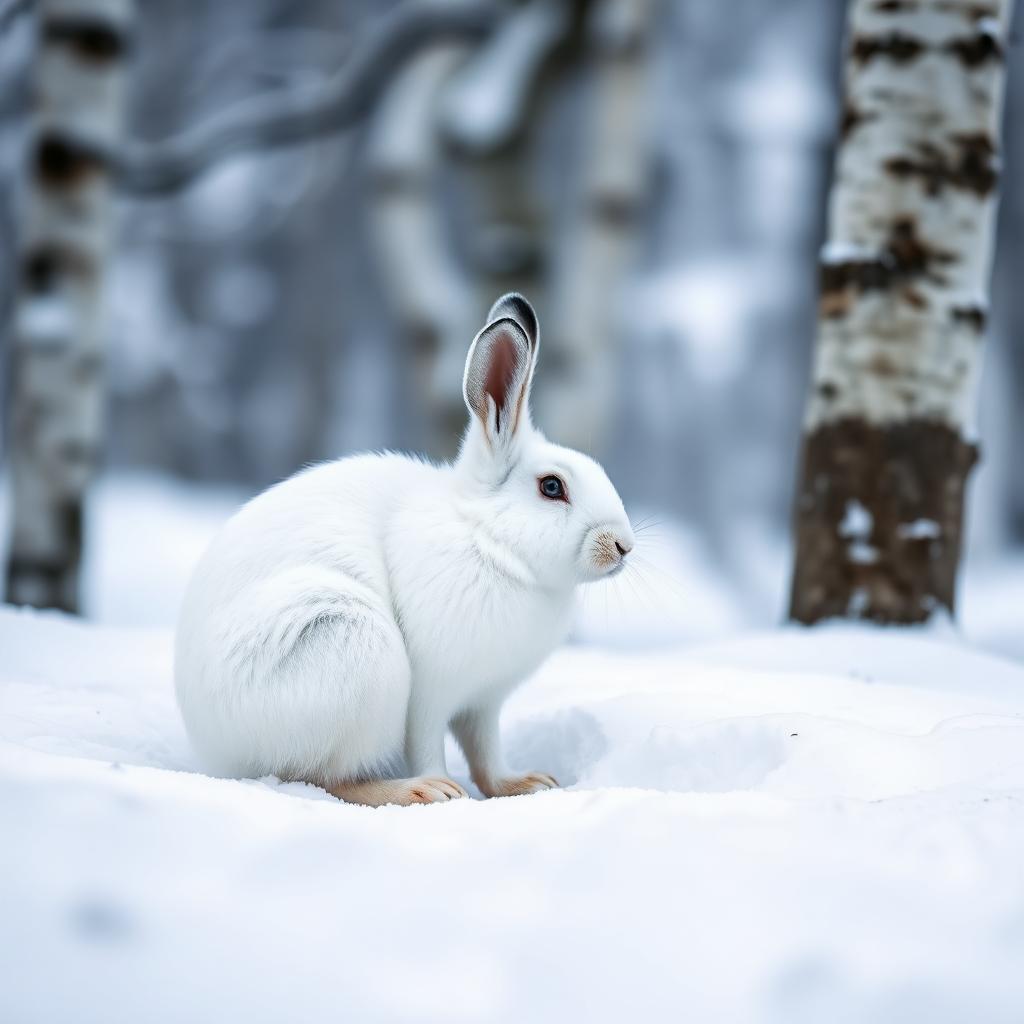
Wildlife found around Sauk River



Compare side by side
Put the Sauk River against any other pick on this list — specs, price, pros, cons and reader ratings.