



Reader rating
Rate it and you move it. Community ratings re-rank this product inside its Top 10 list.
Expert-picked, reader-ranked. Our editors choose the products and the launch order; member star ratings move picks up or down over time.
These rivers, fed by ancient glaciers and abundant rainforest precipitation, represent the pinnacle of wild winter steelhead fishing in the Pacific Northwest. The Hoh, Queets, and Sol Duc offer distinct, yet equally challenging, experiences within Olympic National Park and surrounding state lands. The Hoh is perhaps the most iconic, flowing through ancient old-growth forests, demanding deep swings and careful wading. The Queets, more remote and often requiring a boat for access, offers an even wilder feel. The Sol Duc, a smaller, more intimate river, can be technical but rewards those who decipher its intricate holding water. Access varies; the Hoh has several public access points and boat launches near Forks, while the Queets is largely accessed via wilderness permits or guided trips through the Quinault Nation. The Sol Duc is fishable near Forks and off Highway 101. Winter is the prime season, from late November through April, when large, ocean-bright fish push into these systems. Expect cold, wet weather and fluctuating water levels. This is not for beginners; strong casting skills, excellent wading ability, and a high tolerance for adverse conditions are essential. Permits are required for fishing in Olympic National Park (NPS fishing permit) in addition to a Washington State fishing license. The solitude and immense beauty of these rivers, combined with the chance at a truly magnificent wild fish, make them unparalleled, but be prepared for genuine wilderness conditions and the very real possibility of slow fishing. **Highlights** * Wild winter steelhead, often exceeding 15 pounds. * Ancient old-growth rainforest scenery, unparalleled in the Lower 48. * Opportunities for boat-based and wade fishing. * Multiple river options (Hoh, Queets, Sol Duc) within close proximity. * Strong conservation efforts focused on wild fish populations. **Watch-outs** * Extremely variable and often harsh winter weather conditions (rain, cold, snow). * Remote access, especially for the Queets, requiring careful planning. * Technical fishing; not ideal for novice anglers. * Limited public access points on some rivers, leading to pressure in popular spots. * Permit requirements for Olympic National Park fishing.
Pros
- Opportunity for truly wild, large winter steelhead
- Unparalleled old-growth rainforest scenery
- Diverse fishing experiences across multiple rivers
- Strong conservation ethic for wild fish populations
- Genuine wilderness immersion
Cons
- Highly variable and often harsh weather conditions
- Access can be remote and complex, especially for Queets
- Technical fishing, not suited for beginners
- Potential for crowded spots on accessible rivers
- Permit requirements add complexity
Best uses
- Wild Steelhead Fishing
- Remote Wilderness Experience
- Fly Fishing Adventures
- Nature Photography
Specifications
- Location
- Olympic National Park, Washington, USA
- Primary Rivers
- Hoh, Queets, Sol Duc
- Target Species
- Wild Winter Steelhead
- Prime Season
- Late November - April
- Terrain
- Temperate Rainforest, Glacial Rivers
- Access
- Varies: Road, Boat, Wilderness Permit
Best for
Wild Steelhead Fishing, Remote Wilderness Experience, Fly Fishing Adventures, Nature Photography
The rivers flowing through and around Olympic National Park, specifically the Hoh, Queets, and Sol Duc, represent the pinnacle of wild winter steelhead fishing in the Pacific Northwest. Fed by ancient glaciers and the abundant precipitation of the temperate rainforest, these waterways offer distinct yet equally challenging experiences. The Hoh, perhaps the most renowned, carves its path through magnificent old-growth forests, demanding precise casting and careful wading for its elusive inhabitants. Further south, the Queets River offers a more remote and untamed feel, often requiring boat access due to its wilderness setting. Its isolation appeals to those seeking a truly wild encounter. The Sol Duc, a smaller and more intimate river, presents its own set of technical challenges, rewarding anglers who can decipher its intricate currents and holding water. These rivers are not for the faint of heart; winter, from late November through April, is the prime season when large, ocean-bright steelhead migrate upstream. Anglers must be prepared for consistently cold, wet weather and fluctuating water levels. This is a destination for experienced anglers with strong casting skills, excellent wading ability, and a high tolerance for adverse conditions. The immense beauty of the ancient rainforest and the potential to hook a truly magnificent wild fish make these rivers unparalleled. However, be prepared for genuine wilderness conditions and the very real possibility of slow fishing days. Success here is often measured as much by the experience and the wild setting as it is by the fish brought to hand.
Geography & Terrain
These rivers are embedded in the heart of the Olympic Peninsula's temperate rainforest, characterized by dense old-growth forests of Sitka spruce, western hemlock, and Douglas fir. The terrain is rugged, with riverbeds composed of gravel, cobble, and large boulders. Water levels are highly dependent on precipitation and glacial melt, leading to dynamic river conditions. The lower sections flow through relatively flat valley bottoms, while upper reaches become more constrained by steep canyon walls. The Queets, in particular, flows through designated wilderness, offering an untouched landscape.
Best Season & Weather
The optimal time for targeting wild winter steelhead is from late November through April. During this period, large, ocean-bright fish enter the systems. Expect consistently cold, wet, and often harsh weather conditions. Persistent rain is common, leading to rapid rises and drops in water levels. Snow is possible, especially at higher elevations. Daytime temperatures typically range from 30-50°F (0-10°C), while nights can dip below freezing. Anglers must be fully prepared with waterproof and insulated gear, as weather can change quickly.
Key Routes & Attractions
The Hoh River offers several public access points and boat launches near the town of Forks, including the popular Hoh Rain Forest Visitor Center road. The Queets River is largely accessed via wilderness permits through the Quinault Nation or via guided trips, requiring careful planning and often boat access. The Sol Duc River is fishable near Forks and off Highway 101, with various pull-offs and forest service roads providing entry. Beyond fishing, the Hoh Rain Forest is a major attraction, showcasing the park's iconic ecosystem. Olympic National Park also offers extensive hiking trails and scenic drives.
Permits & Access
Fishing within Olympic National Park boundaries, which includes significant portions of the Hoh and Queets, requires an Olympic National Park fishing permit in addition to a valid Washington State fishing license. Specific regulations, including gear restrictions (fly-fishing or artificial lures with single barbless hooks often required), vary by river and zone, so consulting current WDFW regulations and NPS guidelines is crucial. Some tribal lands, particularly around the Queets, may require additional permits or guides. Access to the Queets is notably more restricted, demanding more advanced planning.
Wildlife Encounters
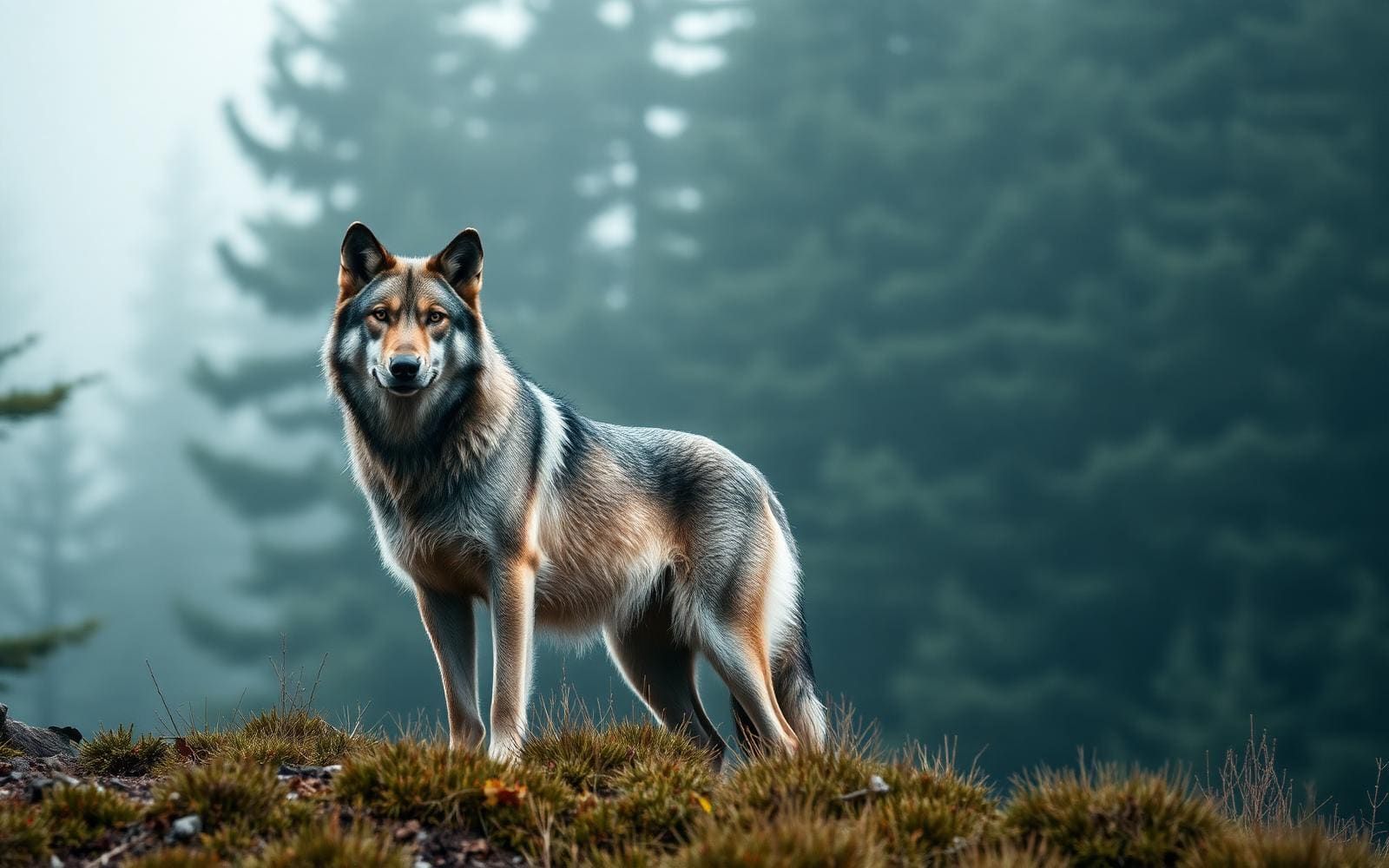
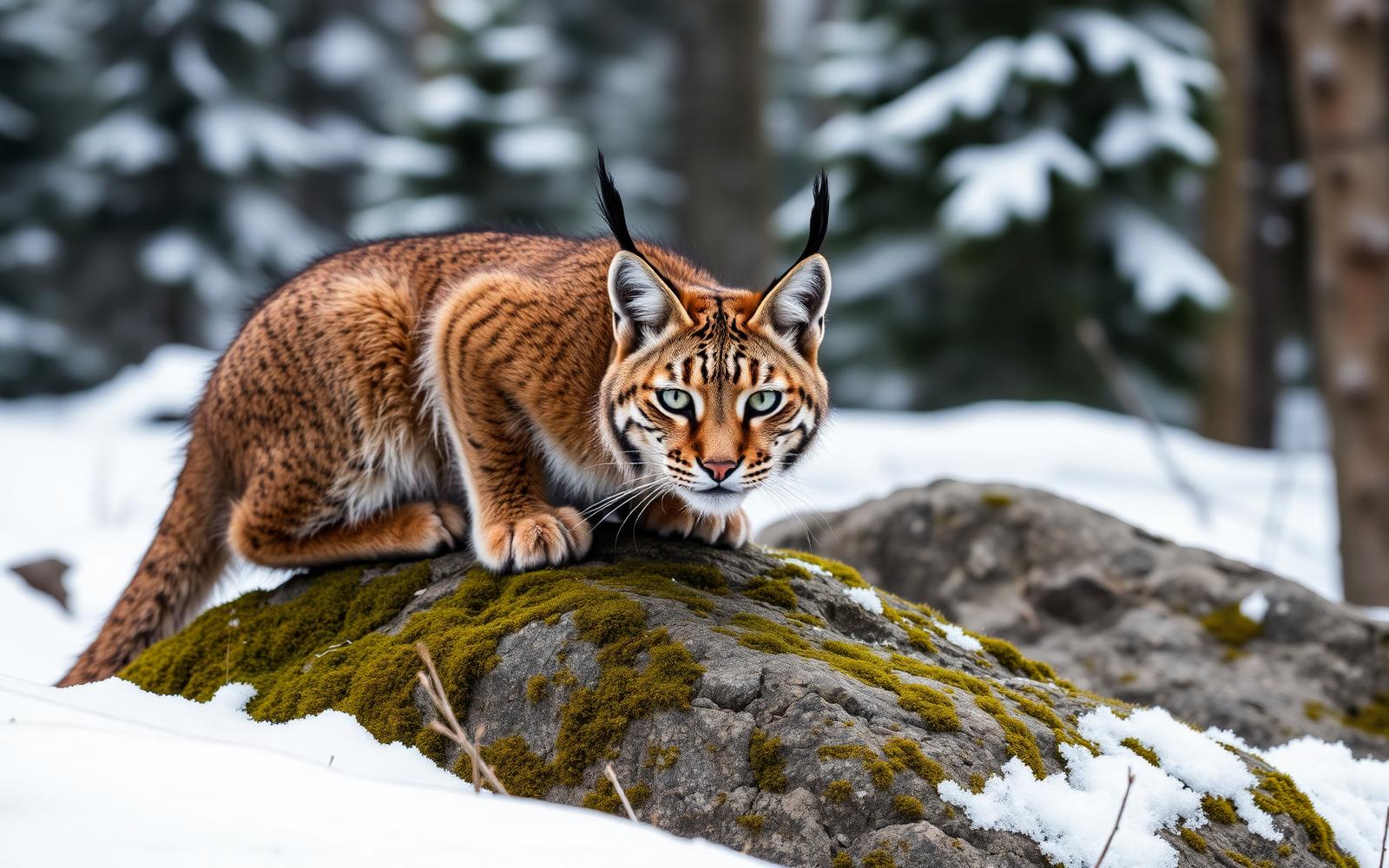
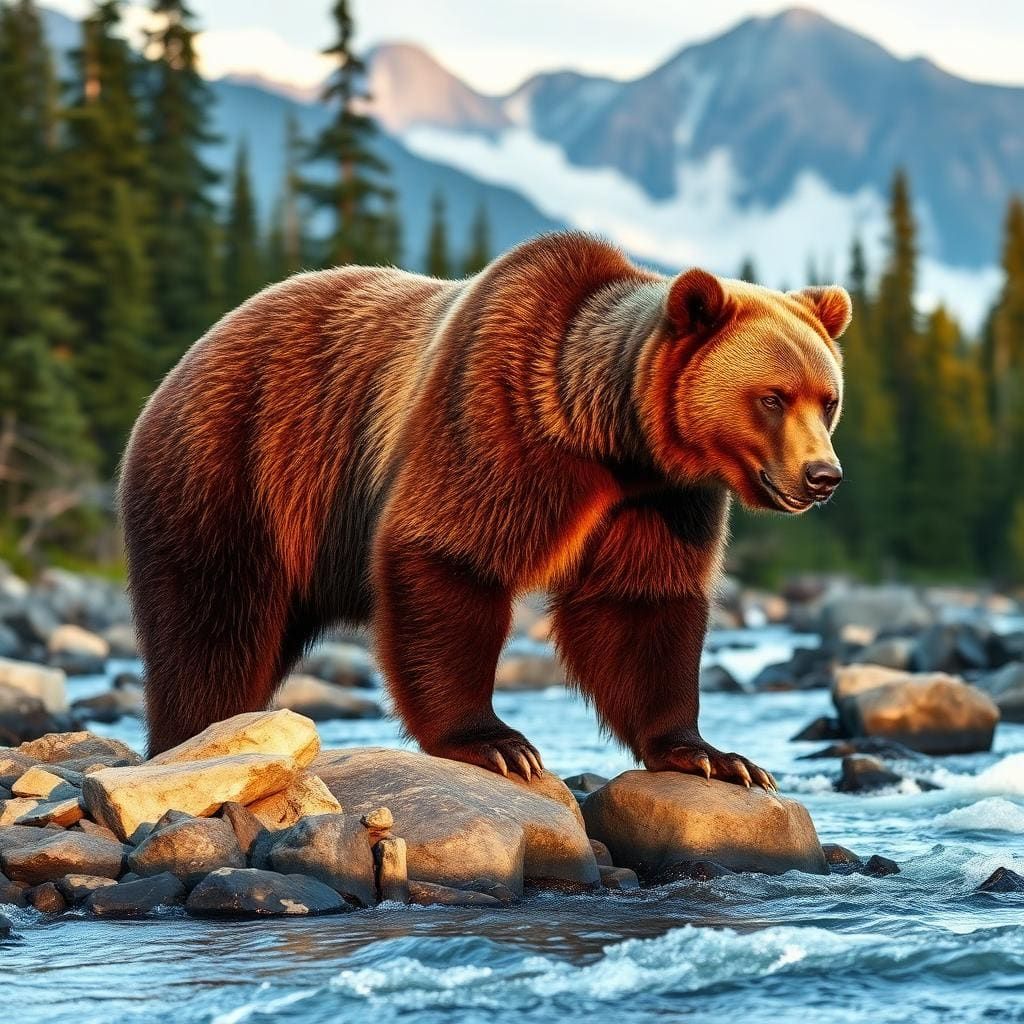
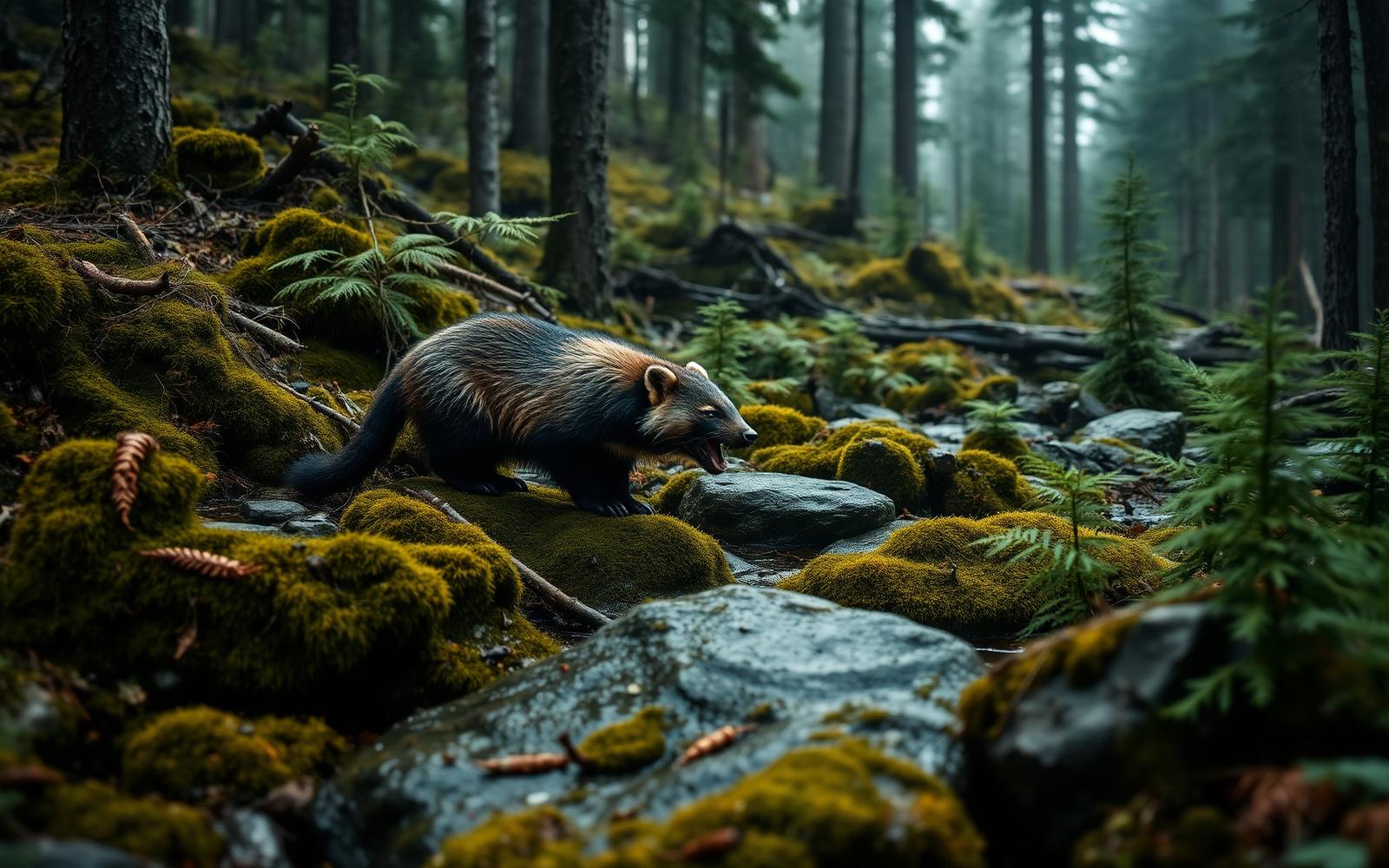
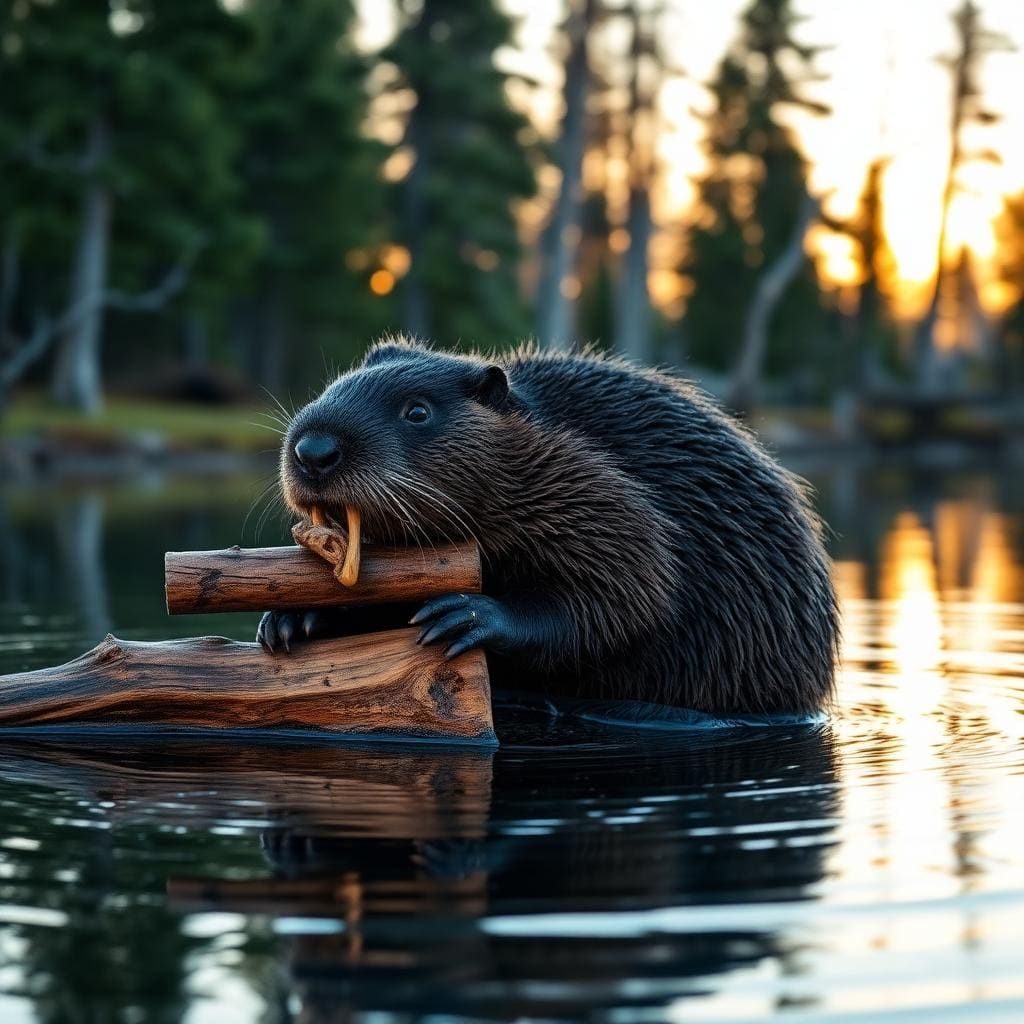
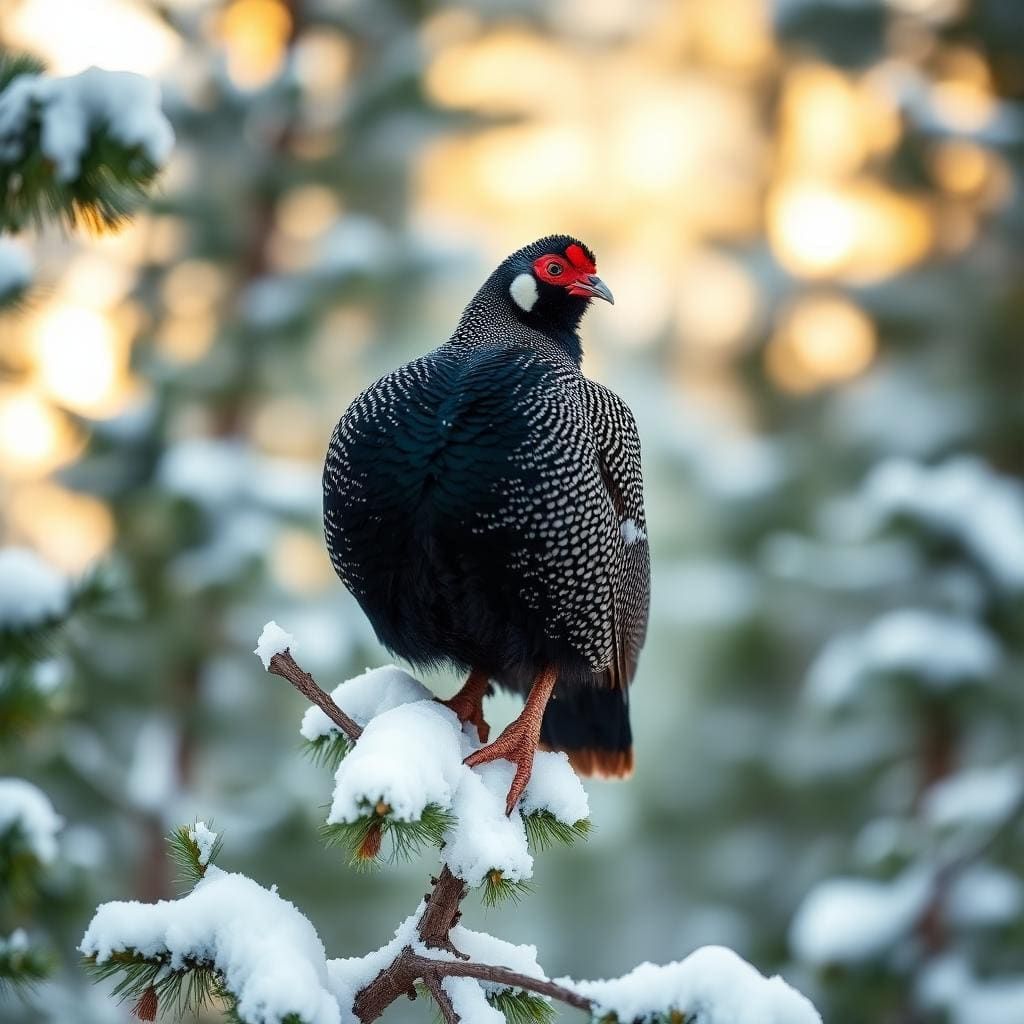
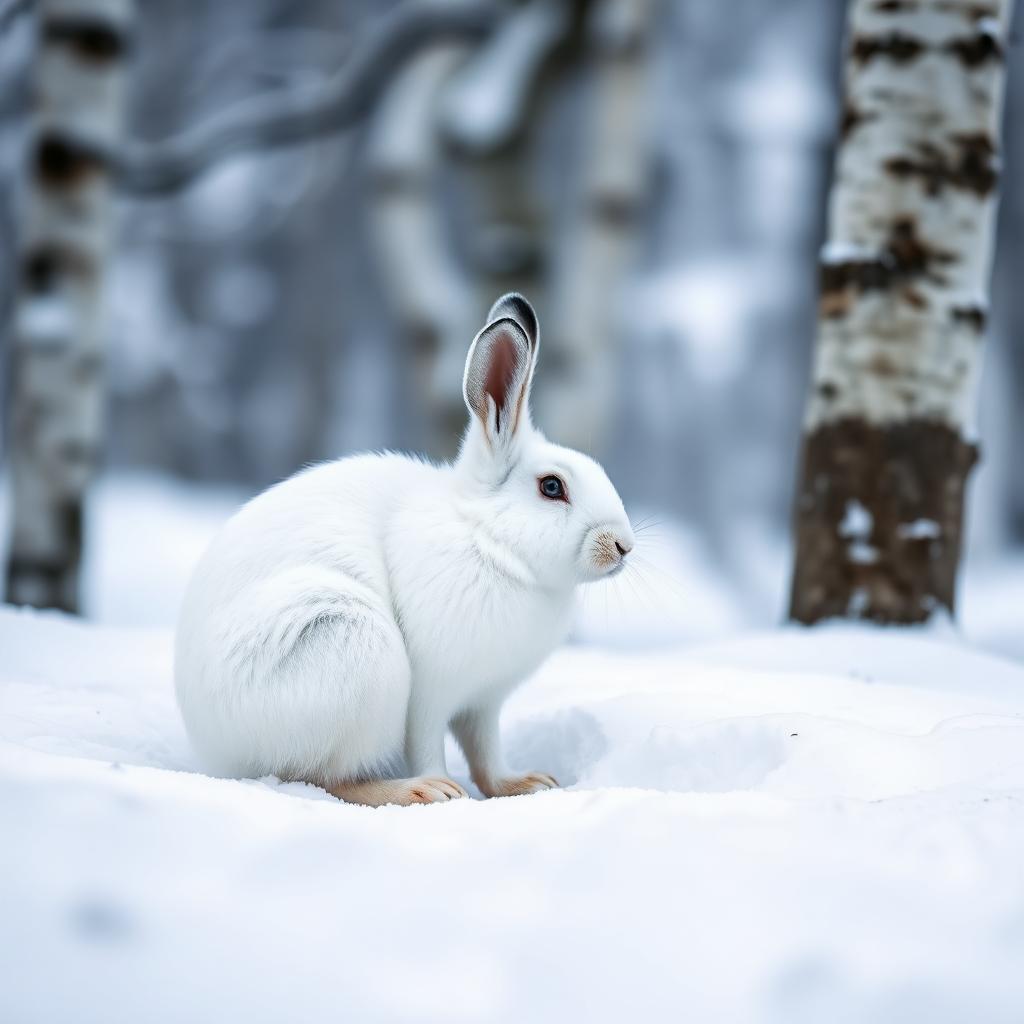
Beyond the target steelhead, the park's ecosystems are rich with diverse wildlife. Roosevelt elk are commonly seen along river valleys, particularly in the Hoh Rain Forest. Black bears are present throughout the park, and proper food storage is essential. Other mammals include black-tailed deer, river otters, and various small carnivores. Birdlife is abundant, with raptors like bald eagles and ospreys frequently observed hunting over the rivers. Anglers should maintain situational awareness and practice leave-no-trace principles to preserve these pristine habitats.
How we picked
We built this ranking from trip reports, agency data, permit records, and our editors' own time on the ground. 10 places made the final cut out of a much longer working list, and each one had to clear the same set of criteria before it earned a spot.
- Quality of the terrain
- Landscape, route variety, and whether the place rewards multiple days rather than one overlook.
- Season and weather windows
- How long the reliable window is, and how badly the shoulder seasons punish a bad forecast.
- Access and permits
- Trailhead logistics, permit odds, quotas, and how much lead time a trip realistically takes.
- Solitude vs. crowding
- How far you have to walk before the place feels like wilderness instead of a queue.
- Wildlife and ecology
- What you can reasonably expect to see, and what you have to plan around.
- Risk and skill required
- Navigation, water crossings, exposure, and rescue distance — stated plainly.
Olympic National Park Rivers (Hoh, Queets, Sol Duc) — frequently asked questions
- Is Olympic National Park Rivers (Hoh, Queets, Sol Duc) worth the trip?
- We rank it #1 in PNW Steelhead Rivers. These rivers, fed by ancient glaciers and abundant rainforest precipitation, represent the pinnacle of wild winter steelhead fishing in the Pacific Northwest. The Hoh, Queets, and Sol Duc offer distinct, yet equally challenging, experiences within Olympic National Park and surrounding state lands.
- Who is Olympic National Park Rivers (Hoh, Queets, Sol Duc) best for?
- Best for wild steelhead fishing, remote wilderness experience, fly fishing adventures and nature photography. Standouts: opportunity for truly wild, large winter steelhead and unparalleled old-growth rainforest scenery.
- What are the drawbacks of Olympic National Park Rivers (Hoh, Queets, Sol Duc)?
- Highly variable and often harsh weather conditions, Access can be remote and complex, especially for Queets and Technical fishing, not suited for beginners.
- What are the key details for Olympic National Park Rivers (Hoh, Queets, Sol Duc)?
- Location: Olympic National Park, Washington, USA · Primary Rivers: Hoh, Queets, Sol Duc · Target Species: Wild Winter Steelhead · Prime Season: Late November - April · Terrain: Temperate Rainforest, Glacial Rivers
- Geography & Terrain — what should I know about the Olympic National Park Rivers (Hoh, Queets, Sol Duc)?
- These rivers are embedded in the heart of the Olympic Peninsula's temperate rainforest, characterized by dense old-growth forests of Sitka spruce, western hemlock, and Douglas fir. The terrain is rugged, with riverbeds composed of gravel, cobble, and large boulders.
- Best Season & Weather — what should I know about the Olympic National Park Rivers (Hoh, Queets, Sol Duc)?
- The optimal time for targeting wild winter steelhead is from late November through April. During this period, large, ocean-bright fish enter the systems.
Where on earth
Satellite imagery flying in from a world view to Olympic National Park Rivers (Hoh, Queets, Sol Duc), Washington, United States. Use the + / − buttons, or click the map to zoom with your scroll wheel; drag to pan and pinch to zoom on touch.
Sol Duc River, Washington 98363, USA · 47.940, -123.770
Wildlife found around Olympic National Park Rivers (Hoh, Queets, Sol Duc)

Compare side by side
Put the Olympic National Park Rivers (Hoh, Queets, Sol Duc) against any other pick on this list — specs, price, pros, cons and reader ratings.