



Reader rating
Rate it and you move it. Community ratings re-rank this product inside its Top 10 list.
Expert-picked, reader-ranked. Our editors choose the products and the launch order; member star ratings move picks up or down over time.
The Klickitat River, a major tributary to the Columbia, is a gem for both summer and winter steelhead, with its summer run being particularly famous. Flowing out of the Cascade Mountains, it carves a steep canyon before emptying into the Columbia near Lyle. The river's distinctive glacial tint, due to its source near Mt. Adams, can make for challenging visibility but is also part of its charm. The prime summer steelhead season runs from August through October, offering consistent opportunities for anglers to swing flies. Winter steelhead arrive later, typically from December through March. Access is generally good, with numerous public access points, campgrounds, and boat launches along Highway 142. Much of the river is floatable, though wading opportunities exist. The Klickitat caters to a range of skill levels, from those just starting with two-handed rods to seasoned veterans. While not as remote as the Grande Ronde, it still offers a rugged feel. Expect some angler pressure in popular spots, especially on weekends. A Washington State fishing license with a steelhead endorsement is required. The Klickitat provides a reliable and scenic option for pursuing both runs of steelhead, often offering a more accessible wilderness feel than some other canyon rivers. **Highlights** * Reliable runs of both summer and winter steelhead. * Scenic canyon environment with views of Mt. Adams. * Good public access and floating opportunities. * Strong, acrobatic wild steelhead. * Consistent fishing from late summer through fall. **Watch-outs** * Glacial tint can affect water clarity, especially after rain or warm weather. * Can experience significant angler pressure in popular sections. * Road access can be steep and winding in parts. * Potential for high water conditions during winter and spring runoff. * Limited services along the upper river.
Pros
- Reliable summer and winter steelhead runs
- Wild, acrobatic steelhead
- Good public access along much of the river
- Scenic canyon environment
- Opportunities for float fishing
Cons
- Glacial tint reduces water clarity
- Can experience high angler pressure in peak season
- Wading is often challenging due to strong currents and rocky bottom
- Limited services along the upper river
Best uses
- Steelhead fly fishing (Spey)
- Scenic drives
- Canyon hiking
- Wilderness immersion (accessible)
Specifications
- Location
- South-central Washington State
- Primary Fish
- Steelhead (Summer & Winter)
- Source
- Mount Adams glaciers
- Glacial Tint
- Yes, distinctive milky color
- Access Road
- WA State Route 142
- Flows Into
- Columbia River
Best for
Steelhead fly fishing (Spey), Scenic drives, Canyon hiking, Wilderness immersion (accessible)
The Klickitat River, a significant tributary to the mighty Columbia, carves its way through a rugged canyon landscape in south-central Washington. Originating from the glaciers of Mount Adams, this river is defined by its distinctive, often milky, glacial tint – a characteristic that both challenges and captivates anglers. It’s widely recognized as a premier destination for Pacific Northwest steelhead, boasting robust summer and winter runs that draw enthusiasts from across the region. Unlike some more remote wilderness rivers, the Klickitat offers a compelling balance of accessibility and wildness, allowing for relatively straightforward entry while still immersing visitors in a dramatic, untamed environment. This makes it a popular choice for those looking to experience serious steelhead fishing without embarking on a multi-day backcountry expedition. The river's journey from alpine slopes to its confluence with the Columbia showcases a diverse set of conditions, from faster, boulder-strewn upper sections to more meandering lower stretches. The consistent flow, fed by snowmelt and rain, maintains crucial habitat for anadromous fish. While its fame primarily rests on its summer steelhead fishery, which peaks from August through October, the river also sustains a respectable winter run, generally active from December to March. This dual season appeal ensures that the Klickitat remains a relevant and productive fishery for a significant portion of the year, offering varied challenges depending on the run and prevailing conditions. Its wild nature, coupled with relatively good public access, secures its position as a go-to spot for dedicated anglers. The Klickitat's geology and hydrology create a unique fishing experience. The glacial flour suspended in its waters means visibility is rarely crystal clear, demanding adjusted fishing tactics and a keen understanding of fish behavior in off-color conditions. This adds a layer of complexity and reward for those who learn to read its currents and seams. Despite its popularity, particularly during prime windows, the river retains a rugged, untamed feel, providing a genuine sense of connection to the wild Pacific Northwest landscape. It's a place where patience and persistence are often rewarded with powerful, acrobatic steelhead, set against a backdrop of steep canyon walls and distant volcanic peaks.
Geography & Terrain
The Klickitat River originates high on the slopes of Mount Adams, descending through a basalt canyon before joining the Columbia River. Its character transitions from a swift, high-gradient mountain stream in its upper reaches to a broader, more meandering river as it approaches the Columbia. The canyon walls are often steep and densely forested with Ponderosa pine and Douglas fir, giving way to oak woodlands and open grasslands closer to the Columbia. Boulders and bedrock characterize much of the riverbed, creating varied holding water and challenging currents. The defining feature is the pervasive glacial tint, which imparts a milky-green hue to the water, especially after warm spells or rain. This unique water color necessitates thoughtful gear choices and fishing strategies, distinguishing it from clearer rivers in the region.
Weather & Season
The Klickitat offers two primary fishing seasons. Summer steelhead fishing is best from August through October, when the weather is generally warm and dry, with daytime temperatures ranging from the 60s to 80s Fahrenheit. This period offers stable flows and generally clear skies, though late season rains can increase glacial tint. Winter steelhead typically arrive from December through March. During this time, temperatures can drop below freezing, with snow and rain common. Conditions are often cold and wet, requiring proper layering and waterproof gear. River levels are more volatile in winter, subject to snowmelt and heavy precipitation, which can affect clarity and access. Spring runoff in April and May often makes fishing difficult due to high, turbid water.
Wildlife & Habitat
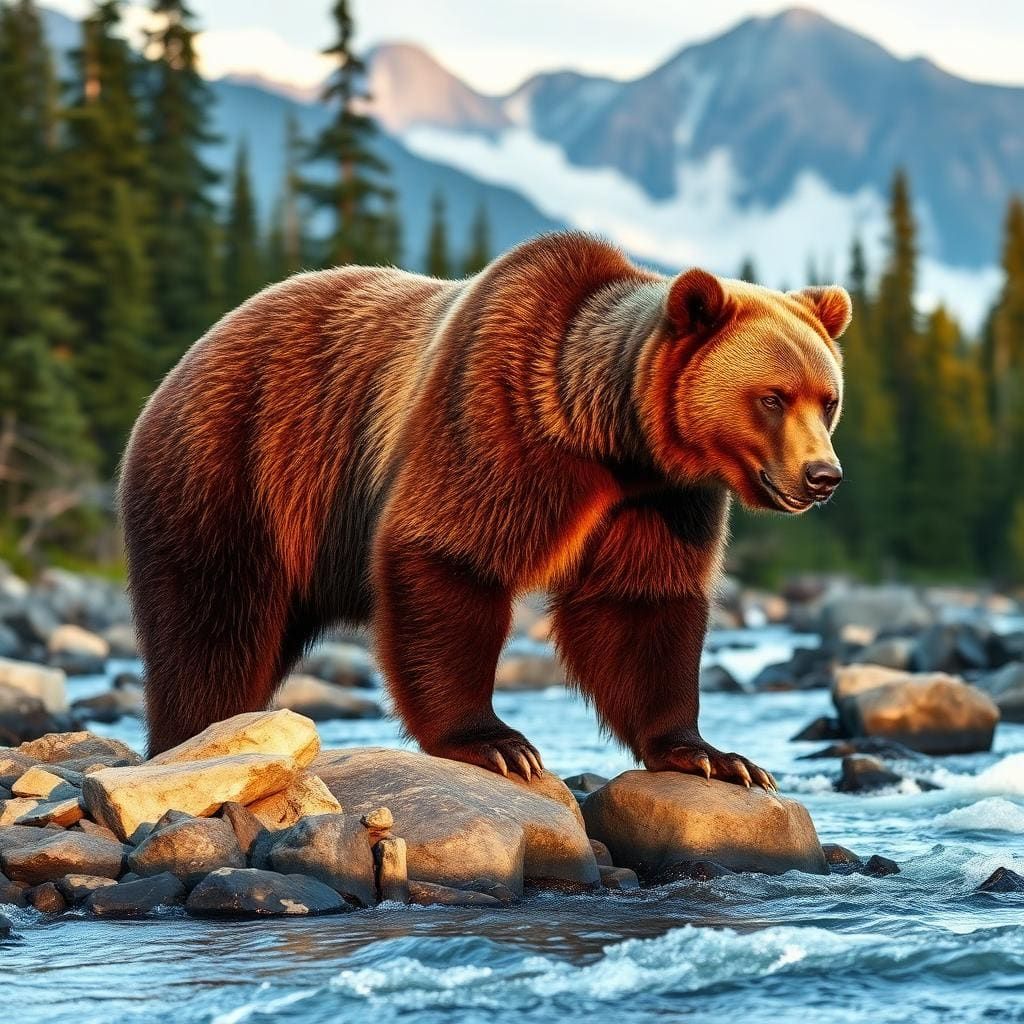
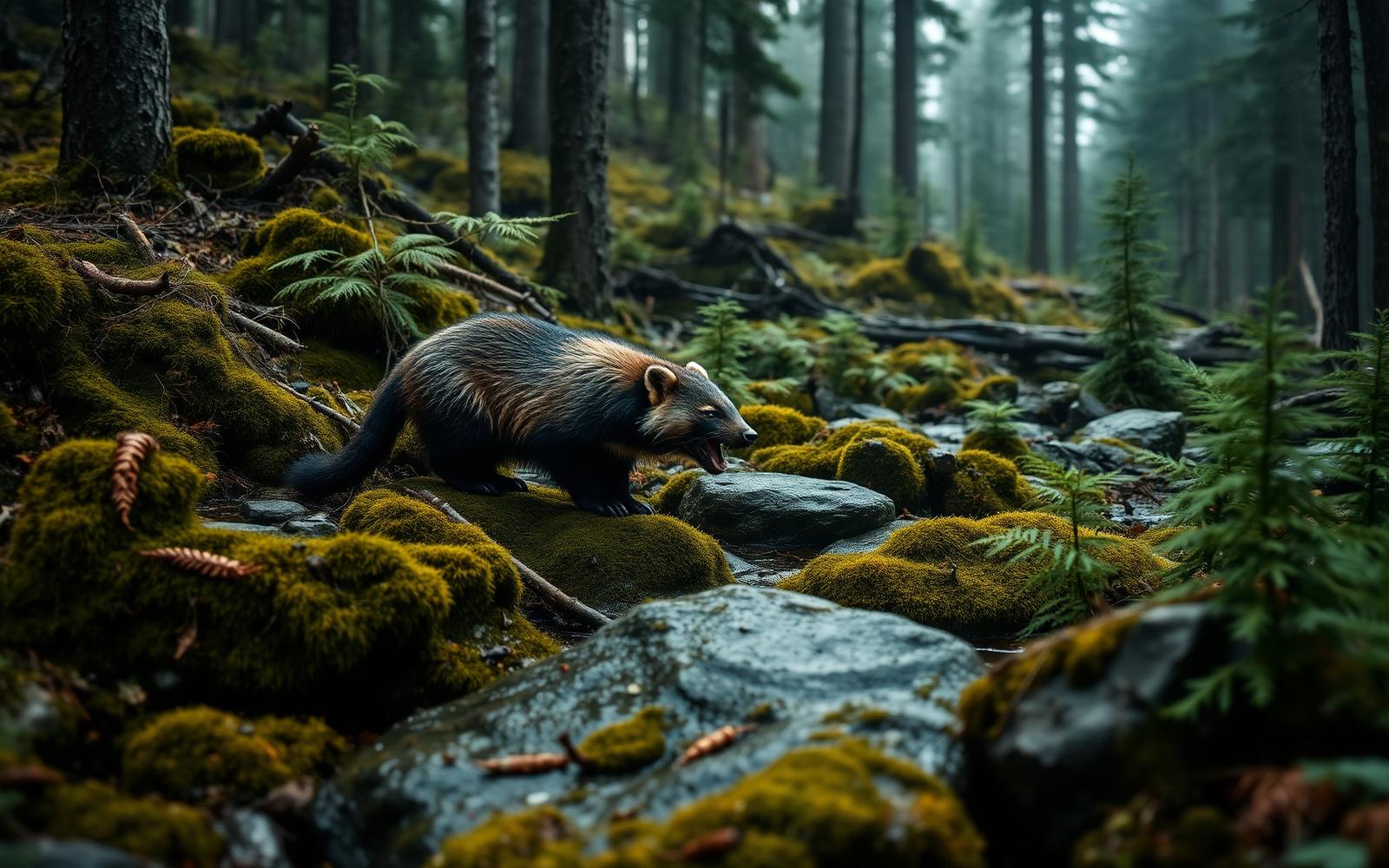
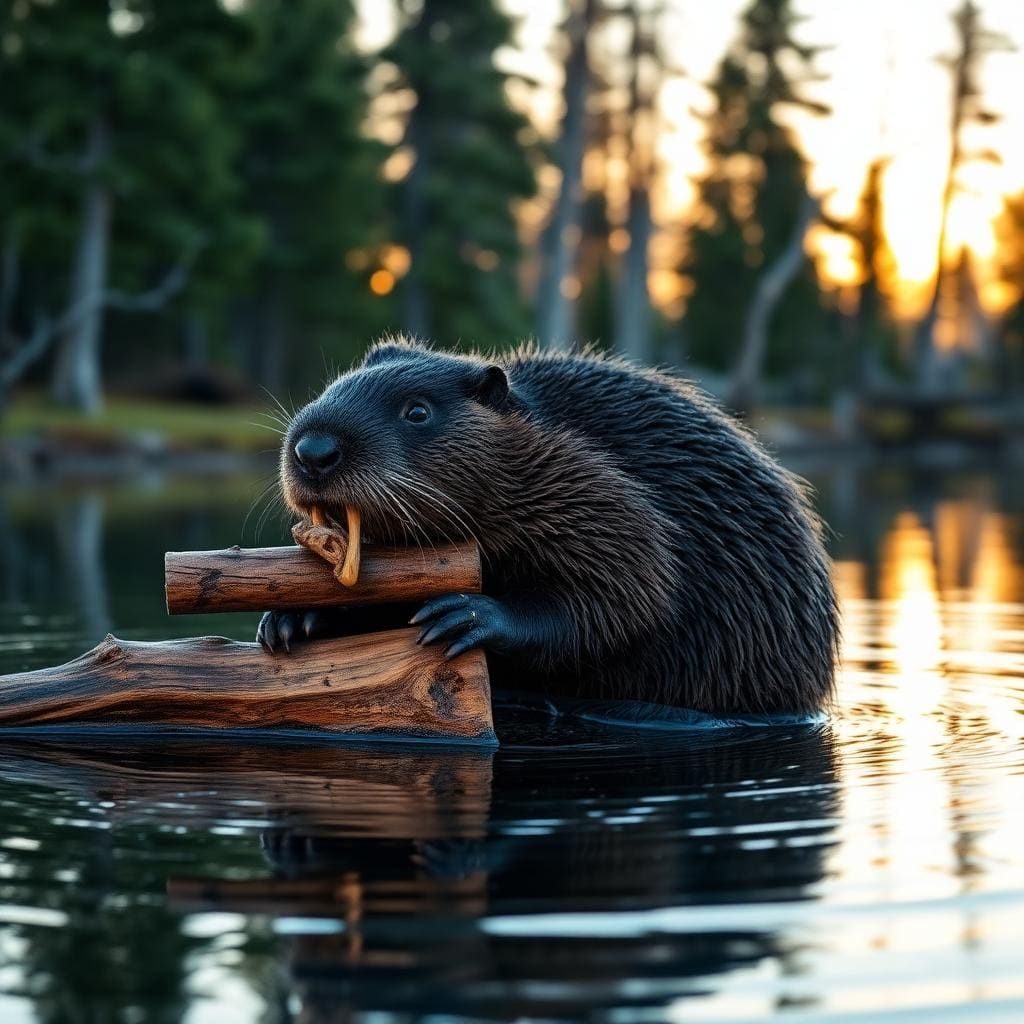
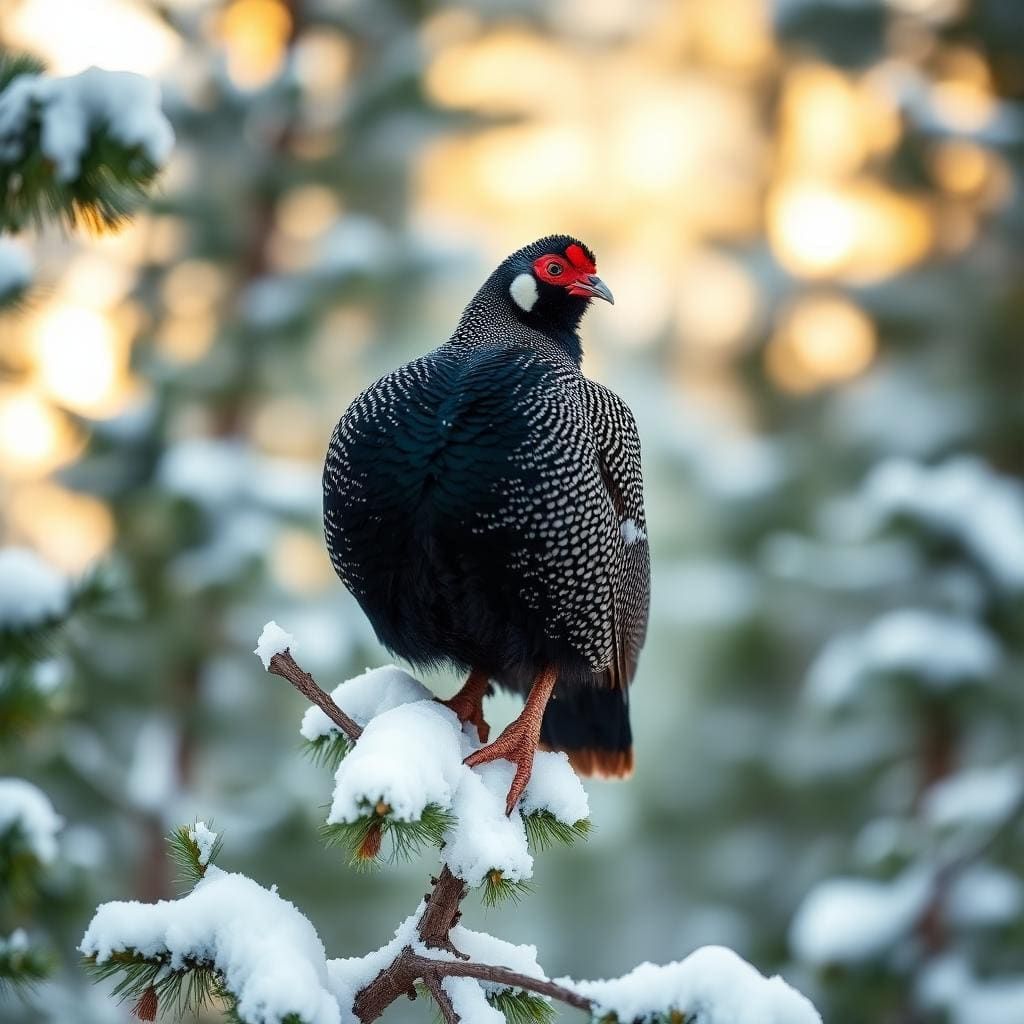
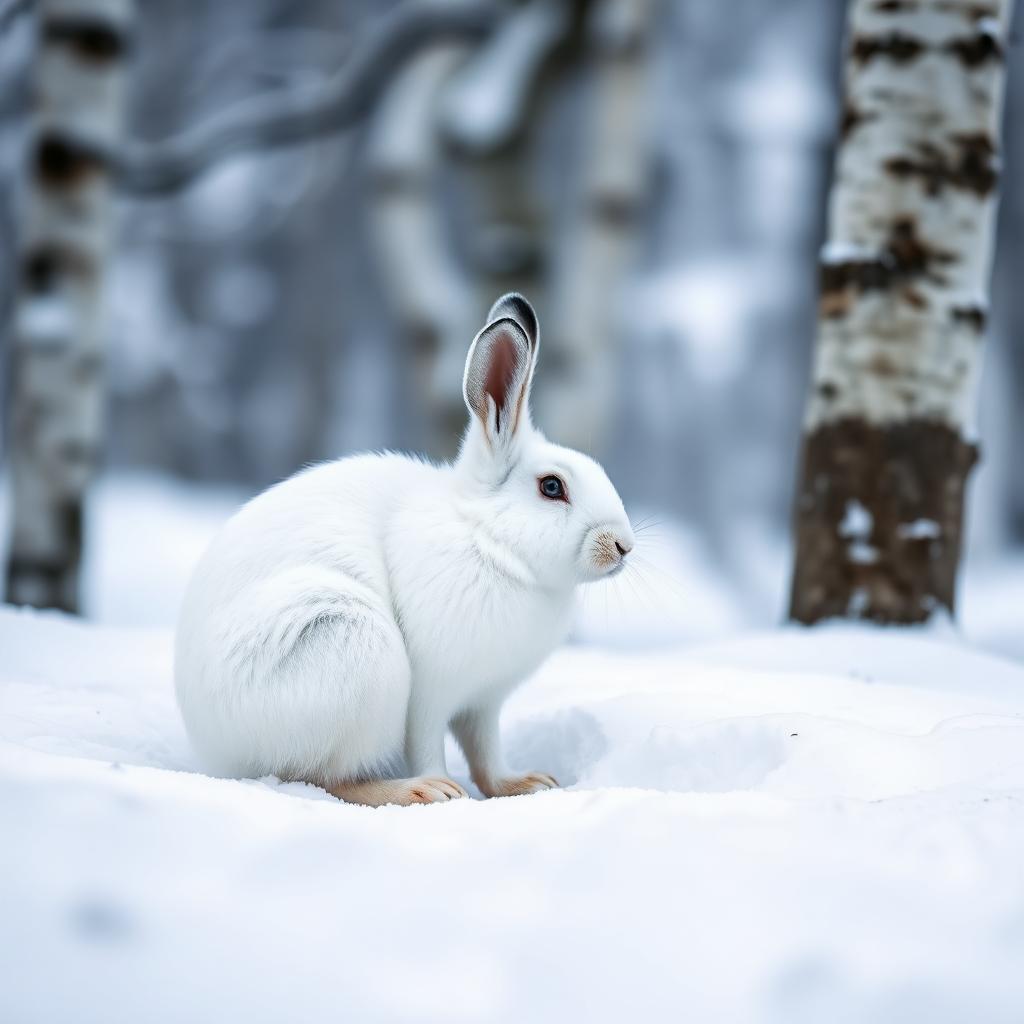
Beyond its renowned steelhead runs, the Klickitat drainage supports diverse wildlife. Anglers regularly encounter deer, elk, and various bird species, including osprey, bald eagles, and numerous waterfowl along the river. Bears and cougars inhabit the surrounding forests, though sightings are less common. The river itself is critical habitat for various salmonids, including Chinook, Coho, and cutthroat trout, alongside the primary target of steelhead. Healthy riparian zones provide cover and food sources, while the river's dynamic flow patterns create essential spawning and rearing grounds. This vibrant ecosystem underscores the Klickitat’s ecological significance within the Pacific Northwest.
Access & Permits
Public access along the Klickitat River is generally good, primarily via Washington State Route 142, which parallels much of the lower and middle river. Numerous designated public access points, boat launches, and primitive campgrounds are available. Popular access sites include Leidl Park, the Lyle falls area, and various pull-offs along the highway. Floating is a popular method to cover water, with several established put-in and take-out points. Wading opportunities exist but can be limited by current strength, depth, and the rocky bottom. A valid Washington State fishing license with a steelhead endorsement is required for all anglers. Check current regulations for specific bait restrictions, catch limits, and seasonal closures, as these can change annually.
Key Attractions & Routes
The main attraction is, undoubtedly, the opportunity to target wild steelhead with a fly rod, often using two-handed Spey rods. The river's varying character offers different fishing experiences; the faster, more confined sections upstream of Pitt Bridge are popular for swinging flies, while the broader, more open water closer to the Columbia offers varied techniques. The Lyle Falls fish ladder is a key landmark, serving as a bottleneck for migrating fish. Beyond fishing, the Klickitat Trail offers hiking and biking along an old railway grade, providing scenic views of the canyon and river. Kayaking and rafting are also popular in some sections, especially during higher flows. The scenic drive along Highway 142 itself is a draw, offering panoramic views of the river and surrounding landscape.
Hazards & Difficulty
The Klickitat presents several challenges. The glacial tint, while distinctive, can significantly reduce visibility for both fish and anglers, demanding adjustments in fly patterns and fishing techniques. River currents can be powerful and swift, making wading hazardous in many areas. The rocky, uneven riverbed can be treacherous underfoot. During winter, rapidly changing weather conditions can bring sudden cold snaps, snow, or heavy rain, leading to hypothermia risks and potential road closures. Angler pressure, especially during peak summer steelhead season on weekends, can be significant at popular spots, requiring patience and consideration for other users. Road access can be steep and winding in parts, particularly in winter, demanding careful driving.
How we picked
We built this ranking from trip reports, agency data, permit records, and our editors' own time on the ground. 10 places made the final cut out of a much longer working list, and each one had to clear the same set of criteria before it earned a spot.
- Quality of the terrain
- Landscape, route variety, and whether the place rewards multiple days rather than one overlook.
- Season and weather windows
- How long the reliable window is, and how badly the shoulder seasons punish a bad forecast.
- Access and permits
- Trailhead logistics, permit odds, quotas, and how much lead time a trip realistically takes.
- Solitude vs. crowding
- How far you have to walk before the place feels like wilderness instead of a queue.
- Wildlife and ecology
- What you can reasonably expect to see, and what you have to plan around.
- Risk and skill required
- Navigation, water crossings, exposure, and rescue distance — stated plainly.
Klickitat River — frequently asked questions
- Is Klickitat River worth the trip?
- We rank it #4 in PNW Steelhead Rivers. The Klickitat River, a major tributary to the Columbia, is a gem for both summer and winter steelhead, with its summer run being particularly famous. Flowing out of the Cascade Mountains, it carves a steep canyon before emptying into the Columbia near Lyle.
- Who is Klickitat River best for?
- Best for steelhead fly fishing (spey), scenic drives, canyon hiking and wilderness immersion (accessible). Standouts: reliable summer and winter steelhead runs and wild, acrobatic steelhead.
- What are the drawbacks of Klickitat River?
- Glacial tint reduces water clarity, Can experience high angler pressure in peak season and Wading is often challenging due to strong currents and rocky bottom.
- What are the key details for Klickitat River?
- Location: South-central Washington State · Primary Fish: Steelhead (Summer & Winter) · Source: Mount Adams glaciers · Glacial Tint: Yes, distinctive milky color · Access Road: WA State Route 142
- Geography & Terrain — what should I know about the Klickitat River?
- The Klickitat River originates high on the slopes of Mount Adams, descending through a basalt canyon before joining the Columbia River. Its character transitions from a swift, high-gradient mountain stream in its upper reaches to a broader, more meandering river as it approaches the Columbia.
- Weather & Season — what should I know about the Klickitat River?
- The Klickitat offers two primary fishing seasons. Summer steelhead fishing is best from August through October, when the weather is generally warm and dry, with daytime temperatures ranging from the 60s to 80s Fahrenheit.
Where on earth
Satellite imagery flying in from a world view to Klickitat River, Washington, United States. Use the + / − buttons, or click the map to zoom with your scroll wheel; drag to pan and pinch to zoom on touch.
Klickitat River, Washington, USA · 46.082, -121.245
Wildlife found around Klickitat River



Compare side by side
Put the Klickitat River against any other pick on this list — specs, price, pros, cons and reader ratings.