



Updated October 2026 · 10 picks re-checked for availability and current spec, reader ratings refreshed live.
A great pair of snow goggles does far more than cut glare. On the mountain, your eyewear dictates how accurately you read changing terrain, how quickly you react to flat light, and whether you spend your day clearing fog or carving turns. Modern optical tech has raised the bar across the board, with high-contrast lens filtering, rapid magnetic interchange systems, and photochromic tints that adapt dynamically between bright ridgelines and stormy treelines. To find the standouts, we evaluated consensus across trusted independent testing outlets—including OutdoorGearLab, Switchback Travel, GearJunkie, and Treeline Review—alongside real-world durability and optical performance. We analyzed field results across spherical, cylindrical, and toric designs, balancing premium features against true value to highlight options that genuinely justify their cost on snow. Our rankings favor goggles that nail the fundamentals: fog management, peripheral vision, face foam comfort, and reliable helmet integration. Whether you need a top-tier magnetic system for storm days or a dependable budget pair for casual resort laps, this list highlights the strongest choices across every price tier.
The short answer

The Smith 4D Mag sits at the pinnacle of premium optical design, engineered specifically for skiers and riders who prioritize uninterrupted…
Why it wins
The Smith I/O Mag ChromaPop has earned a reputation as the benchmark against which other modern resort goggles are measured.
Why it wins
The Goodr Snow G proves that you do not need to drop several hundred dollars to get reliable optical protection on the slopes.
Why it winsDeep-dive product reviews
We've published full field-test reports and technical deep-dives for 10 of the picks in this list.
Compare all 10 picks at a glance
Editorial ranking, what each pick is best at, and how we assessed it. Tap a name to jump to the full write-up.
| # | Pick | Best for | Key spec | Evidence |
|---|---|---|---|---|
| 1 | 4D Mag Smith | All-mountain resort skiing | Lens Profile: Spherical BirdsEye Vision with downward curve | Research only |
| 2 | I/O Mag ChromaPop Smith | All-mountain resort skiing | Frame Profile: Medium fit | Research only |
| 3 | Snow G Goodr | Casual resort skiing | MSRP: Around $75 | Research only |
| 4 | Adapt 2 Glade | Variable resort skiing | Lens Type: Photochromic toric dual-lens | Research only |
| 5 | Flight Deck Oakley | All-mountain resort skiing | Lens Shape: Spherical rimless | Research only |
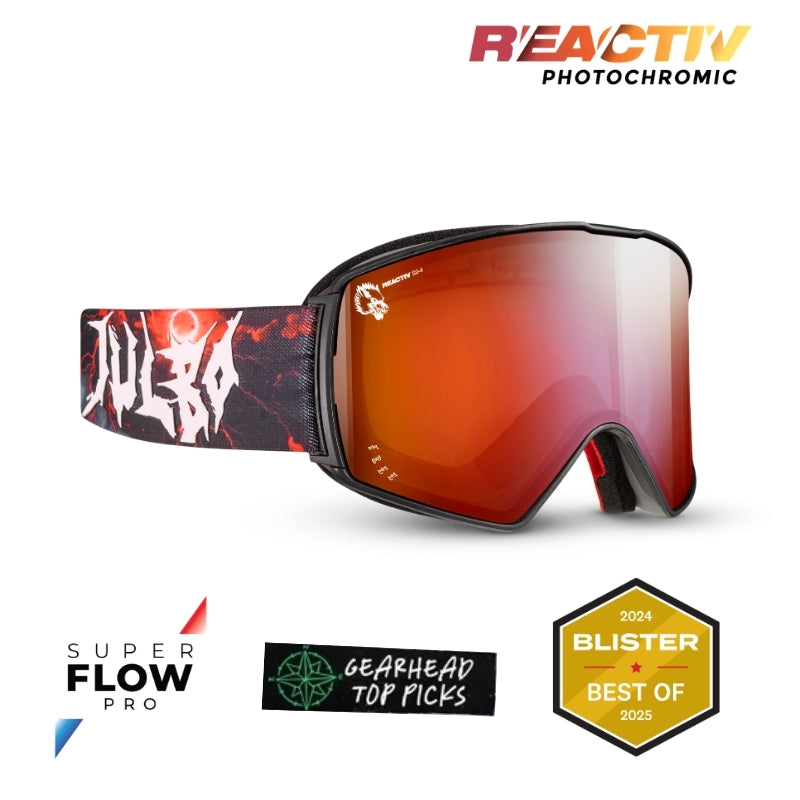
| 6 | Launcher Julbo | Backcountry Ski Touring | Lens Technology: Reactiv photochromic optical polymer | Research only |
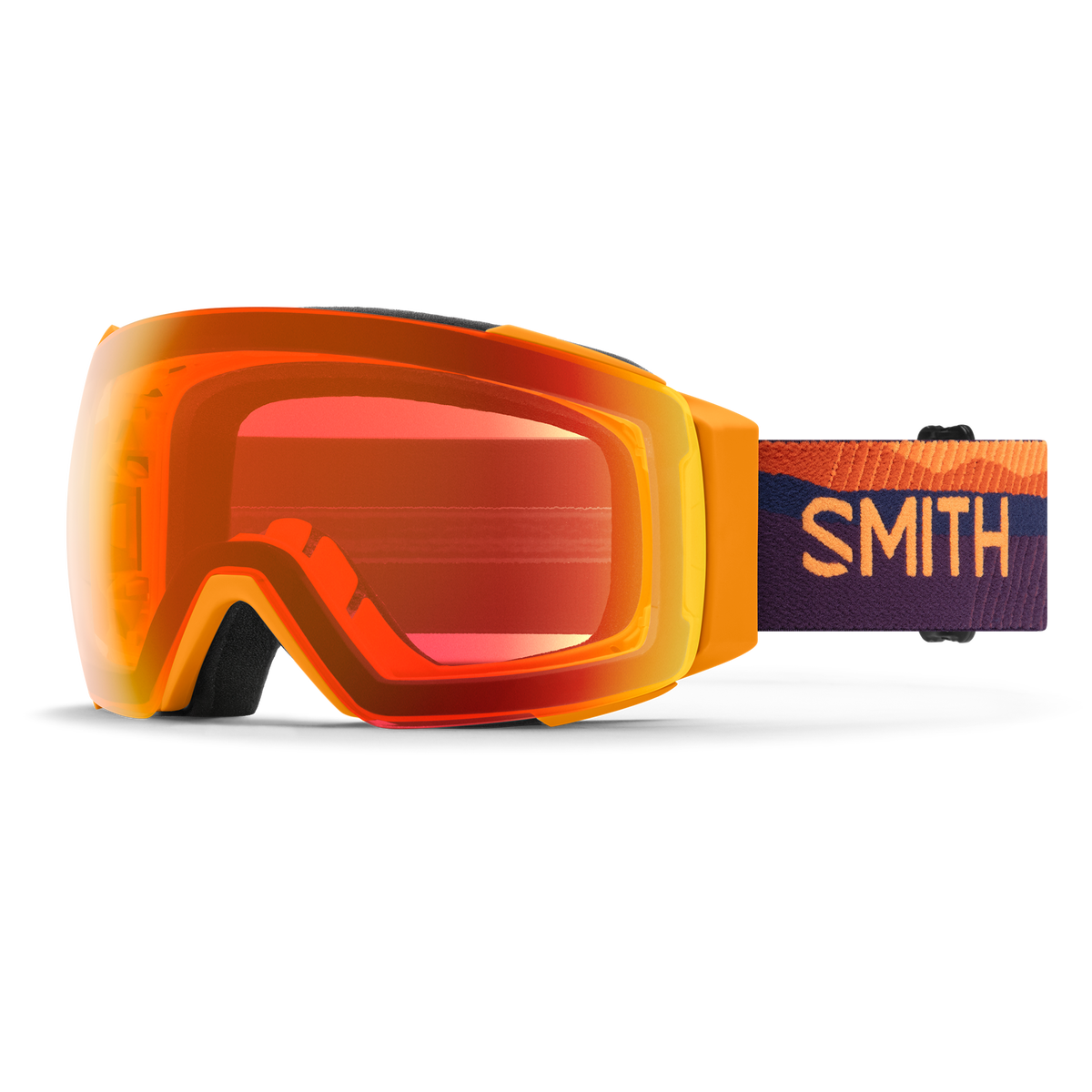
| 7 | I/O Mag with Chromapop Lens Smith | All-mountain resort skiing | Frame Size: Medium fit | Research only |
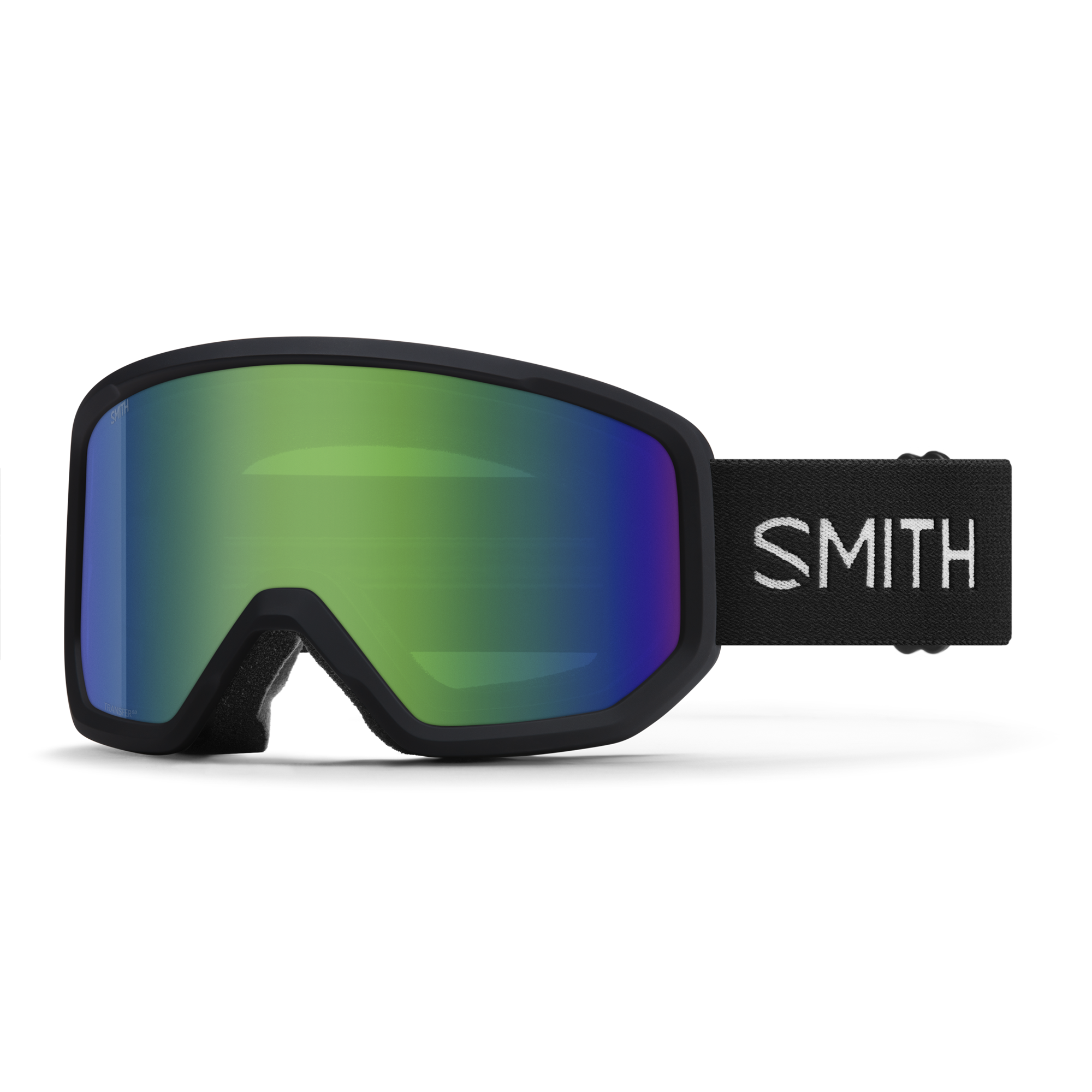
| 8 | Transfer Goggle Smith | Casual resort skiing | Lens Shape: Cylindrical | Research only |
| 9 | Peak G Goodr | Casual resort skiing | Lens Shape: Cylindrical | Research only |
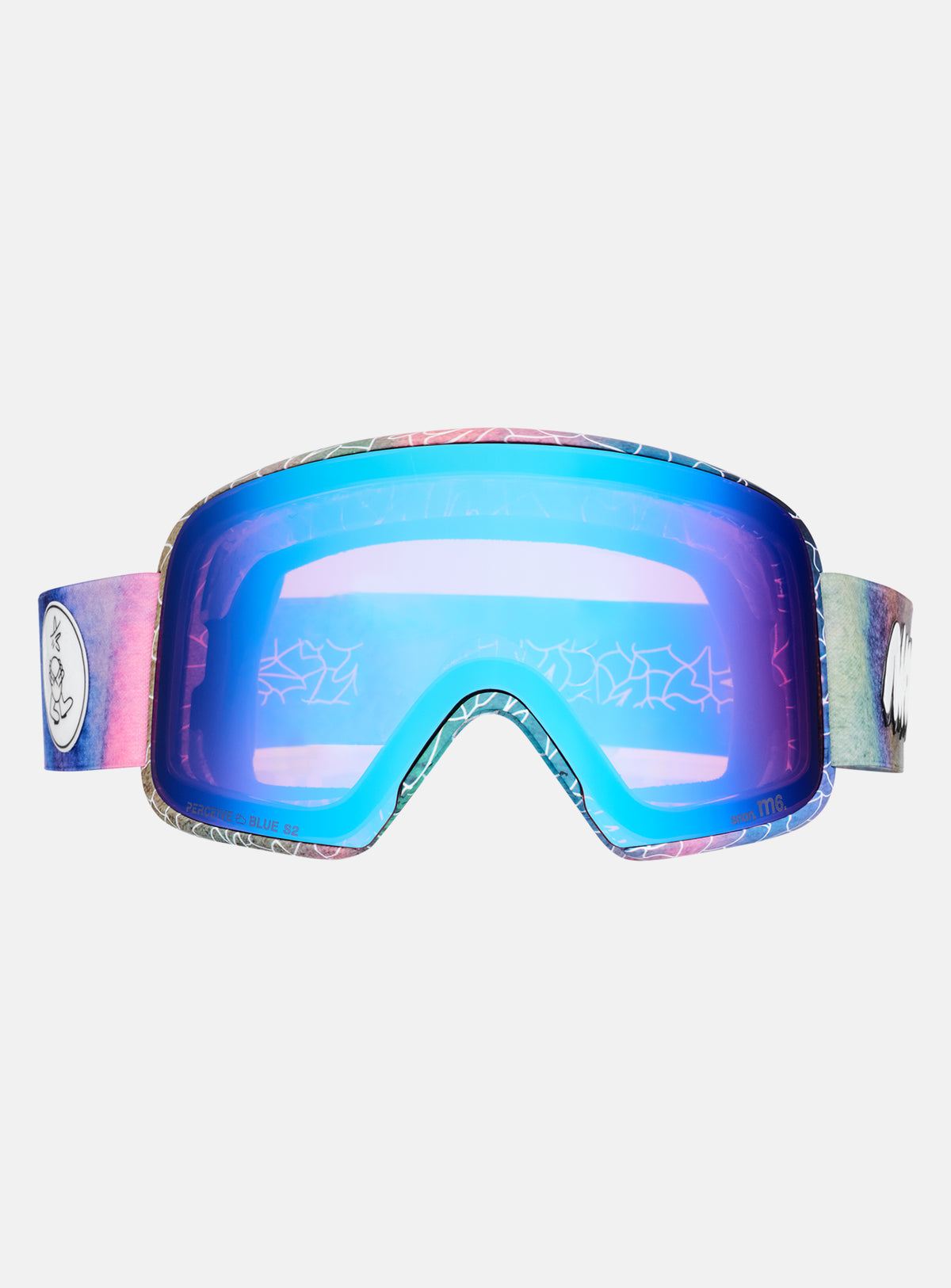
| 10 | M6 MFI Anon | Storm day resort skiing | Lens Interchange: Magna-Tech magnetic system | Research only |
How we picked
Ranked by Adele Marchetti, Destinations Editor
We started with a long list of snow goggles that people actually buy, cut anything that could not clear our baseline for durability and field performance, then ranked the 10 that were left against the same criteria. Rankings are editorial. No brand pays for placement, and affiliate links never move a pick up or down.
- Real-world durability
- How the material, stitching, or steel holds up after a season of hard use — not how it looks new.
- Performance in bad conditions
- Wind, rain, cold, and grit are the test. Anything that only works on a nice day gets marked down.
- Weight and packability
- Every ounce has to earn its place in the pack, but not at the cost of something that fails in the field.
- Ease of use
- Setup, adjustment, and maintenance with cold hands, in the dark, without the manual.
- Value at its price point
- Compared against the closest competitors in the same tier, not against cheaper gear in a different class.
- Repairability and support
- Field-fixable design, available parts, and a warranty the maker actually honors.
How often we recheck this: Reviewed on a rolling basis and rechecked at least once a year, or sooner if a pick is discontinued, revised, or beaten by something new.
Best of the Best · Head to Head
4D Mag vs I/O Mag ChromaPop
#1 vs #2 — side-by-side specs, pros & cons, and the final verdict.
Compare any two picks
Build your own side-by-side
Choose any two of these 10 picks and compare specs, price, pros, cons and reader ratings.
Topic summary
We synthesized top independent tests and field reviews to rank the best snow goggles for optical clarity, ventilation, field of view, and all-weather reliability.
Key takeaways
- #1 4D Mag — Smith
- #2 I/O Mag ChromaPop — Smith
- #3 Snow G — Goodr
- #4 Adapt 2 — Glade
- #5 Flight Deck — Oakley
- #6 Launcher — Julbo
Intended uses
Gear
Verification notes
Editorial ranked list, 10 entries. Evidence mix — 10 research only. Buy links open the maker or a retailer search. Last reviewed October 2026.
Best snow goggles for a specific job
Skip the ranking — jump to the pick that matches how you actually use it.
- Best for all-mountain resort skiing
- #1 4D Mag — SmithThe Smith 4D Mag sits at the pinnacle of premium optical design, engineered specifically for skiers and riders who prioritize uninterrupted peripheral vision and rapid lens swaps. Its defining feature is BirdsEye Vision, a curved lower lens section that wraps underneath the frame to expand downward visibility. Independent testers consistently highlight this design for eliminating the blind spot where typical goggle frames sit, allowing you to see your zipper, boot buckles, and variable snow texture directly beneath your tips without tilting your head down. The optical package pairs this unique curvature with Smith's ChromaPop lens technology, which separates overlapping color wavelengths to dramatically improve contrast in low and flat light. Frame construction is sturdy, backed by triple-layer DriWix face foam that seals effectively against varying facial structures while pulling moisture away from the skin. Switching lenses is managed via dual mechanical locking levers combined with strong magnets, providing an exceptionally secure anchor that will not pop loose in a hard fall. The main barrier is cost, sitting at the top of the price scale. Additionally, the curved lower lens edge produces a subtle optical distortion along the very bottom perimeter that can take a run or two to get used to. Because of the exposed lens design, riders must also be cautious when setting the goggles face-down on lunch tables or resting them on helmets. **Highlights** - BirdsEye Vision lens extends downward peripheral view significantly - ChromaPop optical technology enhances contrast in flat light - Mag dual-locking mechanism pairs magnetic alignment with mechanical latches - AirEvac ventilation integrates cleanly with Smith helmets to clear vapor - Includes two ChromaPop performance lenses for bright and storm conditions **Watch-outs** - Sits at the highest end of the market price tier - Downward lens curvature can create mild optical distortion at the very bottom edge - Curved lower lens lip is vulnerable to scratches if handled carelesslyRead the full profile
- Best for casual resort skiing
- #3 Snow G — GoodrThe Goodr Snow G proves that you do not need to drop several hundred dollars to get reliable optical protection on the slopes. Aimed square at casual resort skiers, beginners, and riders who want a dependable backup pair without the financial sting, this goggle strips away complex interchange tech in favor of straightforward utility. Testing outlets consistently single out the Snow G as an unmatched value proposition that performs well above its double-digit price tag. The cylindrical lens provides adequate clarity, treated with an anti-fog coating and standard UV400 protection. The frame is lightweight and flexible, lined with dual-layer face foam that provides a snug, irritation-free seal against cold wind. While it lacks the high-definition color-filtering coatings found in top-tier glass, the stock lens delivers solid glare reduction on sunny to partly cloudy days without noticeable distortion across the central field of view. Trade-offs show up primarily in flat-light definition and lens swapping. The Snow G uses a standard snap-in frame system rather than magnets, meaning changing lenses in the cold is stiff and cumbersome. The anti-fog coating is also more prone to saturating during heavy exertion or warm, damp storm cycles, making it better suited for straightforward resort laps than strenuous backcountry ascents. **Highlights** - Exceptional entry-level price point for resort skiing and riding - Cylindrical lens profile with clean, understated styling - Full UV400 sun protection with functional anti-glare tinting - Flexible frame with dual-layer foam fits comfortably against the face - Silicone-backed strap stays anchored to standard helmet shells **Watch-outs** - Snap-in lens changes are clumsy and slow on the mountain - Lacks the high-contrast color filtering of premium optics in flat light - Foam and anti-fog coatings show moisture buildup faster under heavy exertionRead the full profile
- Best for variable resort skiing
- #4 Adapt 2 — GladeThe Glade Adapt 2 is built for skiers who hate swapping lenses mid-day and want one versatile setup for varying conditions. At its core is a photochromic lens that darkens automatically in intense alpine sunlight and clears up when clouds roll in or the trail ducks into dense trees. Reviewers celebrate the Adapt 2 as a standout midrange performer, delivering premium optical versatility at roughly half the price of high-end magnetic systems. In field assessments, the photochromic tint transition is smooth and responsive, spanning a wide visible light transmission range that covers everything from bright mornings to overcast afternoons. The toric lens geometry combines the broad peripheral view of a spherical lens with the lower-profile look of a cylindrical frame, minimizing distortion across the visual field. Frame construction is solid, backed by breathable multi-layer foam and an effective venting channel that clears moist air efficiently on humid storm days. The trade-off of a single-lens photochromic approach is that it cannot match a dedicated low-light yellow or clear lens during deep, foggy whiteouts. Because photochromic dyes react to ambient UV light rather than pure brightness, the lens may occasionally stay slightly darker than desired under bright overcast conditions. Still, for resort riders wanting simplicity, it eliminates the hassle of carrying a second lens. **Highlights** - Responsive photochromic lens adapts automatically to changing light - Toric lens shape broadens peripheral vision while keeping bulk low - Premium anti-fog coating and vented frame architecture - Strong direct-to-consumer value compared to legacy flagship goggles - Wide, silicone-ribbed strap provides secure helmet retention **Watch-outs** - Does not get quite clear enough for true whiteouts or night skiing - Photochromic transition can react to UV light during bright overcast conditions - No magnetic quick-change system for riders who prefer swapping lenses manuallyRead the full profile
- Best for backcountry ski touring
- #6 Launcher — JulboThe Julbo Launcher is engineered specifically for backcountry skiers, ski mountaineers, and active resort riders who struggle with fogging during high-output climbs. Julbo addresses humidity build-up using their SuperFlow Pro ventilation system, a mechanical hinge that allows you to pop the entire lens forward away from the frame by a few millimeters. This creates immediate, high-volume chimney airflow that vents heat on uphill skin tracks without requiring you to remove your eyewear in cold conditions. The optical engine is Julbo's benchmark Reactiv photochromic lens, which adjusts across a remarkably wide tint spectrum. Unlike many standard photochromic lenses that stiffen in freezing air, Reactiv dyes retain rapid transition speeds across severe temperature shifts. The frame is lightweight and low-profile, making it an excellent companion for touring helmets or minimalist alpine setups, and the interior lens is backed by a permanent anti-fog treatment that withstands damp sweat. Because the mechanical SuperFlow system introduces moving parts, it requires gentle handling around heavy pack gear. In heavy, driving blizzard conditions with high sideways wind, riders must ensure the lens is locked completely flush into its downhill position to prevent blowing spindrift from creeping into the frame cavity. It commands a premium price tag, but its active venting solves a major problem for uphill travelers. **Highlights** - SuperFlow Pro system pops the lens forward for maximum uphill ventilation - Reactiv photochromic optics adjust quickly across wide light ranges - Temperature-independent photochromic transition functions reliably in sub-zero cold - Minimalist frame design keeps weight low for backcountry touring - Robust anti-fog treatment built directly into the inner lens surface **Watch-outs** - Premium pricing geared toward specialized backcountry use - Mechanical lens hinges add points of care compared to fixed frames - Must be fully clicked shut to seal out sideways spindrift on storm descentsRead the full profile
- Best for storm day resort skiing
- #10 M6 MFI — AnonThe Anon M6 MFI represents an advanced optical system for riders who demand top-tier magnetic integration across both lenses and face protection. Built by Burton's protective equipment division, the M6 combines Anon's Magna-Tech lens interchange with their proprietary Magnetic Facemask Integration (MFI). This system allows you to snap an MFI-compatible neck gaiter or balaclava directly to the lower rim of the goggle frame, eliminating cold air gaps without redirecting exhaled breath upward into the lens cavity. The Magna-Tech system remains widely regarded as one of the fastest and smoothest magnetic lens designs on the market, using rare-earth magnets that pull the lens firmly into position with minimal force. Optically, the M6 uses Perceive lens technology, which enhances terrain definition and depth perception in difficult mountain light while carrying an oleophobic and hydrophobic outer coating to shed water, oil, and slush. Full-perimeter frame venting ensures steady air circulation on damp storm laps. As with most top-tier magnetic setups, the primary drawback is the significant financial investment. The magnetic array and MFI components also make the overall goggle frame slightly heavier than minimalist traditional frames. Finally, to fully benefit from the MFI anti-fog ecosystem, riders must commit to using Anon's specific magnetic facemasks, though the goggle still functions completely normally with conventional neck gaiters. **Highlights** - Magna-Tech magnetic system offers exceptionally quick and precise lens swaps - MFI (Magnetic Facemask Integration) anchors facemasks without fogging the lens - Perceive optics provide high-contrast terrain recognition in flat light - Full-perimeter channel venting continuously pulls heat and vapor away - Hydrophobic and oleophobic outer coatings shed moisture, snow, and fingerprints **Watch-outs** - Commands a premium price tag on par with flagship competitors - Magnetic integration adds slight weight compared to barebones frames - Fully realizing the integrated anti-fog design requires matching MFI facemasksRead the full profile
- Best for flat-light storm riding
- #1 4D Mag — SmithThe Smith 4D Mag sits at the pinnacle of premium optical design, engineered specifically for skiers and riders who prioritize uninterrupted peripheral vision and rapid lens swaps. Its defining feature is BirdsEye Vision, a curved lower lens section that wraps underneath the frame to expand downward visibility. Independent testers consistently highlight this design for eliminating the blind spot where typical goggle frames sit, allowing you to see your zipper, boot buckles, and variable snow texture directly beneath your tips without tilting your head down. The optical package pairs this unique curvature with Smith's ChromaPop lens technology, which separates overlapping color wavelengths to dramatically improve contrast in low and flat light. Frame construction is sturdy, backed by triple-layer DriWix face foam that seals effectively against varying facial structures while pulling moisture away from the skin. Switching lenses is managed via dual mechanical locking levers combined with strong magnets, providing an exceptionally secure anchor that will not pop loose in a hard fall. The main barrier is cost, sitting at the top of the price scale. Additionally, the curved lower lens edge produces a subtle optical distortion along the very bottom perimeter that can take a run or two to get used to. Because of the exposed lens design, riders must also be cautious when setting the goggles face-down on lunch tables or resting them on helmets. **Highlights** - BirdsEye Vision lens extends downward peripheral view significantly - ChromaPop optical technology enhances contrast in flat light - Mag dual-locking mechanism pairs magnetic alignment with mechanical latches - AirEvac ventilation integrates cleanly with Smith helmets to clear vapor - Includes two ChromaPop performance lenses for bright and storm conditions **Watch-outs** - Sits at the highest end of the market price tier - Downward lens curvature can create mild optical distortion at the very bottom edge - Curved lower lens lip is vulnerable to scratches if handled carelesslyRead the full profile
- Best for variable condition snowboarding
- #2 I/O Mag ChromaPop — SmithThe Smith I/O Mag ChromaPop has earned a reputation as the benchmark against which other modern resort goggles are measured. Designed for dedicated all-mountain skiers and snowboarders, it balances medium-profile frame dimensions with an expansive, clear spherical lens. Reviewers across the industry regularly cite the I/O Mag as the ideal sweet spot between premium optical clarity, proven fog prevention, and reasonable everyday bulk. Optically, ChromaPop delivers crisp definition across choppy snow, making subtle bumps and icy patches visible well before you hit them. The interchange system uses magnetic guides paired with two subtle clip latches at the frame sides. This setup allows for quick changes on a chairlift while ensuring the lens stays firmly seated during high-speed impacts. Ventilation is managed by Smith's porous 5X anti-fog inner lens, which absorbs humidity without requiring heavy airflow that could dry out your eyes at speed. While the frame shape fits an exceptionally wide range of adult faces, skiers with exceptionally large facial profiles may find the medium footprint slightly compact, favoring larger oversized frames instead. The included dual lenses cover bluebird and storm days, but buying replacement ChromaPop lenses separately remains an expensive proposition. **Highlights** - Proven spherical ChromaPop lens enhances natural depth perception - Magnetic alignment combined with secure mechanical side clips - Highly effective 5X anti-fog inner lens treatment - Triple-layer DriWix foam cushions the face and wicks sweat - Seamless integration with virtually all standard snow helmets **Watch-outs** - Medium frame sizing may feel slightly narrow for very large faces - Replacement ChromaPop lenses carry a steep individual price tag - Mechanical side latches require two hands and a bit of practice with glovesRead the full profile
- Best for sunny and partly cloudy days
- #3 Snow G — GoodrThe Goodr Snow G proves that you do not need to drop several hundred dollars to get reliable optical protection on the slopes. Aimed square at casual resort skiers, beginners, and riders who want a dependable backup pair without the financial sting, this goggle strips away complex interchange tech in favor of straightforward utility. Testing outlets consistently single out the Snow G as an unmatched value proposition that performs well above its double-digit price tag. The cylindrical lens provides adequate clarity, treated with an anti-fog coating and standard UV400 protection. The frame is lightweight and flexible, lined with dual-layer face foam that provides a snug, irritation-free seal against cold wind. While it lacks the high-definition color-filtering coatings found in top-tier glass, the stock lens delivers solid glare reduction on sunny to partly cloudy days without noticeable distortion across the central field of view. Trade-offs show up primarily in flat-light definition and lens swapping. The Snow G uses a standard snap-in frame system rather than magnets, meaning changing lenses in the cold is stiff and cumbersome. The anti-fog coating is also more prone to saturating during heavy exertion or warm, damp storm cycles, making it better suited for straightforward resort laps than strenuous backcountry ascents. **Highlights** - Exceptional entry-level price point for resort skiing and riding - Cylindrical lens profile with clean, understated styling - Full UV400 sun protection with functional anti-glare tinting - Flexible frame with dual-layer foam fits comfortably against the face - Silicone-backed strap stays anchored to standard helmet shells **Watch-outs** - Snap-in lens changes are clumsy and slow on the mountain - Lacks the high-contrast color filtering of premium optics in flat light - Foam and anti-fog coatings show moisture buildup faster under heavy exertionRead the full profile
Size it yourself
Free Wild10 calculators for this kit — no signup, formulas published.
Our editors test the gear, pick the ten, and set the order the day a list publishes. After that, the ranking is live: every member star rating feeds the community order, so picks climb or slide as real owners report back. Editorial judgment decides what earns a spot — you help decide where it sits.
- Editors set the field
Hands-on testing and spec research choose the ten and the published order.
- Readers re-rank it
Your 1–5 star ratings drive the community order on every list.
- Rankings keep moving
Picks rise or fall over time — nothing is frozen at launch day.
Rank this list
Loading community ratings… Ratings re-order the picks — they never change which products make the list.
Sign in to add your own ratings — it's free.
- Pros
- BirdsEye Vision design delivers exceptional downward and peripheral sightlines
- Dual mechanical latches prevent accidental lens release during hard falls
- Ships with two high-contrast ChromaPop lenses for sunny and flat light
- Triple-layer DriWix foam provides comfortable, moisture-wicking face contact
Cons- Sits at the top tier of retail pricing across all major goggle brands
- Downward curved lens edge is prone to scratching if placed face down
- Subtle optical distortion is perceptible at the extreme bottom edge
Key features- Frame Size
- Medium fit
- Lens Profile
- Spherical BirdsEye Vision with downward curve
- Change System
- Magnetic alignment with dual mechanical locking levers
- Lenses Included
- Two ChromaPop performance lenses (bright sun and low light)
- Face Foam
- Triple-layer DriWix moisture-wicking foam
- Ventilation
- AirEvac anti-fog integration
Best forAll-mountain resort skiing, Flat-light storm riding, Steep technical freeride, Cat and heli skiing
Pros- BirdsEye Vision design delivers exceptional downward and peripheral sightlines
- Dual mechanical latches prevent accidental lens release during hard falls
- Ships with two high-contrast ChromaPop lenses for sunny and flat light
- Triple-layer DriWix foam provides comfortable, moisture-wicking face contact
Cons- Sits at the top tier of retail pricing across all major goggle brands
- Downward curved lens edge is prone to scratching if placed face down
- Subtle optical distortion is perceptible at the extreme bottom edge
Assessed by Adele Marchetti against our ranking criteria.No ratings yet - Pros
- ChromaPop spherical lens delivers exceptional contrast and terrain definition
- Hybrid magnetic and mechanical latch system prevents accidental lens ejection
- Includes two premium ChromaPop lenses for sunny and low-light days
- Highly reliable 5X anti-fog inner lens resists internal moisture buildup
Cons- Mechanical side latches can be awkward to release while wearing thick mittens
- Replacement and spare ChromaPop lenses carry a steep individual price tag
- Medium frame profile may feel slightly restrictive on very wide facial structures
Key features- Frame Profile
- Medium fit
- Lens Geometry
- Spherical Carbonic-x
- Interchange Tech
- Smith Mag magnetic guides with dual mechanical locks
- Anti-Fog Coating
- 5X hydrophilic inner lens
- Face Padding
- Three-layer DriWix open-cell foam
- Lenses Included
- Two ChromaPop shields (sun and storm)
Best forAll-mountain resort skiing, Variable condition snowboarding, Storm day tree riding, High-speed groomer carving
Pros- ChromaPop spherical lens delivers exceptional contrast and terrain definition
- Hybrid magnetic and mechanical latch system prevents accidental lens ejection
- Includes two premium ChromaPop lenses for sunny and low-light days
- Highly reliable 5X anti-fog inner lens resists internal moisture buildup
Cons- Mechanical side latches can be awkward to release while wearing thick mittens
- Replacement and spare ChromaPop lenses carry a steep individual price tag
- Medium frame profile may feel slightly restrictive on very wide facial structures
Assessed by Adele Marchetti against our ranking criteria.No ratings yet - Pros
- Accessible price point backed by solid build quality
- Pliable frame and dual-layer foam create a comfortable seal
- Clean central optical clarity with 100% UV400 sun protection
- Silicone-backed strap stays anchored securely to ski helmets
Cons- Lacks specialized contrast filtering for low, flat-light terrain
- Manual snap-in lens swapping is cumbersome in cold weather
- Ventilation can saturate during high-output activity
Key features- MSRP
- Around $75
- Lens Type
- Cylindrical double lens
- UV Protection
- 100% UV400
- Face Foam
- Dual-layer breathable foam
- Strap
- Adjustable with silicone grip backing
- Interchange System
- Manual snap-in perimeter notches
Best forCasual resort skiing, Sunny and partly cloudy days, Beginner and intermediate riders, Budget backup winter eyewear
Pros- Accessible price point backed by solid build quality
- Pliable frame and dual-layer foam create a comfortable seal
- Clean central optical clarity with 100% UV400 sun protection
- Silicone-backed strap stays anchored securely to ski helmets
Cons- Lacks specialized contrast filtering for low, flat-light terrain
- Manual snap-in lens swapping is cumbersome in cold weather
- Ventilation can saturate during high-output activity
Assessed by Adele Marchetti against our ranking criteria.No ratings yet - Pros
- Photochromic lens automatically balances tint between sunshine and shade
- Toric lens geometry delivers broad peripheral vision with minimal distortion
- Strong price-to-performance value compared to legacy flagship goggles
- Comfortable multi-layer foam and dependable anti-fog ventilation
Cons- Base tint does not get clear enough for night riding or heavy whiteouts
- Can darken slightly too much during bright overcast days due to ambient UV
- Fixed-lens frame lacks the instant swap capability of magnetic systems
Key features- Price
- Around $149
- Lens Type
- Photochromic toric dual-lens
- Fit Profile
- Medium-large frame architecture
- Strap Setup
- Adjustable woven strap with silicone backing
- Key Recognition
- Top value and photochromic awards in independent testing
Best forVariable resort skiing, Tree skiing and mixed light, One-goggle gear setups, Budget-conscious mountain riding
Pros- Photochromic lens automatically balances tint between sunshine and shade
- Toric lens geometry delivers broad peripheral vision with minimal distortion
- Strong price-to-performance value compared to legacy flagship goggles
- Comfortable multi-layer foam and dependable anti-fog ventilation
Cons- Base tint does not get clear enough for night riding or heavy whiteouts
- Can darken slightly too much during bright overcast days due to ambient UV
- Fixed-lens frame lacks the instant swap capability of magnetic systems
Assessed by Adele Marchetti against our ranking criteria.No ratings yet - Pros
- Expansive downward and peripheral vision via frameless spherical design
- Prizm optics deliver exceptional terrain and surface contrast in variable snow
- Large internal air volume minimizes fog formation across temperature swings
- Comfortable triple-layer face foam seals evenly without pinching pressure
Cons- Ridgelock lens replacement is stiff, slow, and difficult while wearing gloves
- Oversized frame can push downward on the nose with low-profile helmets
- Individual replacement lenses are relatively expensive
Key features- Frame Size
- Large (Flight Deck L)
- Lens Shape
- Spherical rimless
- Optics System
- Oakley Prizm Technology
- Lens Interchange
- Ridgelock channel system
- Face Foam
- Triple-layer with moisture-wicking polar fleece
- Eyeglass Fit
- OTG compatible with discrete frame notches
Best forAll-mountain resort skiing, Freeride snowboarding, Variable light terrain reading, Over-the-glasses prescription wearers
Pros- Expansive downward and peripheral vision via frameless spherical design
- Prizm optics deliver exceptional terrain and surface contrast in variable snow
- Large internal air volume minimizes fog formation across temperature swings
- Comfortable triple-layer face foam seals evenly without pinching pressure
Cons- Ridgelock lens replacement is stiff, slow, and difficult while wearing gloves
- Oversized frame can push downward on the nose with low-profile helmets
- Individual replacement lenses are relatively expensive
Assessed by Adele Marchetti against our ranking criteria.No ratings yet - Pros
- SuperFlow Pro hinge provides active ventilation that prevents fogging on ascents
- Reactiv photochromic lens transitions reliably in sub-zero freezing temperatures
- Single-lens versatility eliminates the need to carry multiple interchangeable lenses
- Streamlined frame profile integrates cleanly with lightweight climbing and ski helmets
Cons- Mechanical lens hinges require careful handling inside crowded equipment packs
- Must be snapped completely shut to stop fine spindrift from entering on descents
- High retail price represents an investment geared primarily toward touring athletes
Key features- Price Point
- Approximately $300
- Lens Technology
- Reactiv photochromic optical polymer
- Ventilation
- SuperFlow Pro mechanical outward-hinging lens
- Frame Style
- Minimalist low-profile alpine design
- Anti-Fog Coating
- Integrated permanent inner lens treatment
- Strap
- Wide elastic with non-slip silicone grip
Best forBackcountry Ski Touring, Ski Mountaineering Ascents, High-Output Resort Riding, Variable Mountain Weather Tours
Pros- SuperFlow Pro hinge provides active ventilation that prevents fogging on ascents
- Reactiv photochromic lens transitions reliably in sub-zero freezing temperatures
- Single-lens versatility eliminates the need to carry multiple interchangeable lenses
- Streamlined frame profile integrates cleanly with lightweight climbing and ski helmets
Cons- Mechanical lens hinges require careful handling inside crowded equipment packs
- Must be snapped completely shut to stop fine spindrift from entering on descents
- High retail price represents an investment geared primarily toward touring athletes
Assessed by Adele Marchetti against our ranking criteria.No ratings yet - Pros
- ChromaPop filters overlapping light to highlight subtle snow surface relief
- Dual mechanical latches ensure the magnetic lens cannot detach in heavy falls
- Comes standard with two purpose-built lenses for sun and flat-light storm days
- AirEvac system works seamlessly with most helmets to manage moist airflow
Cons- Price point near $280 is a substantial investment for infrequent resort skiers
- Downward peripheral visibility is standard compared to newer drop-lens designs
- Medium frame volume can pinch slightly across wider cheekbones and temples
Key features- Frame Size
- Medium fit
- Lens Style
- Spherical Carbonic-x with ChromaPop
- Swap System
- Magnetic alignment with mechanical locks
- Included Lenses
- Two ChromaPop lenses (everyday and storm)
- Face Foam
- Three-layer DriWix moisture-wicking foam
- Strap
- Silicone-backed ultra-wide strap
Best forAll-mountain resort skiing, Variable light winter riding, Storm day tree skiing, Standard medium helmet pairing
Pros- ChromaPop filters overlapping light to highlight subtle snow surface relief
- Dual mechanical latches ensure the magnetic lens cannot detach in heavy falls
- Comes standard with two purpose-built lenses for sun and flat-light storm days
- AirEvac system works seamlessly with most helmets to manage moist airflow
Cons- Price point near $280 is a substantial investment for infrequent resort skiers
- Downward peripheral visibility is standard compared to newer drop-lens designs
- Medium frame volume can pinch slightly across wider cheekbones and temples
Assessed by Adele Marchetti against our ranking criteria.No ratings yet - Pros
- Accessible price point backed by Smith manufacturing consistency
- Fog-X hydrophilic inner lens treatment resists fogging without wiping off
- Low-profile cylindrical design integrates cleanly with standard helmets
- Flexible polyurethane frame conforms smoothly across various face shapes
Cons- Standard optical tint lacks contrast enhancement for flat-light conditions
- Manual snap-in lens swapping is stiff and inconvenient in the cold
- Dual-layer foam is less plush and absorbs less sweat than triple-layer foam
Key features- Frame Material
- Flexible molded polyurethane
- Lens Shape
- Cylindrical
- Face Foam
- Dual-layer compression foam
- Anti-Fog Tech
- Fog-X hydrophilic inner lens
- Strap Design
- Silicone-backed adjustable strap
- Helmet Fit
- Medium universal fit
Best forCasual resort skiing, Occasional weekend snowboarding, Clear-weather slope cruising, Backup gear bag optic
Pros- Accessible price point backed by Smith manufacturing consistency
- Fog-X hydrophilic inner lens treatment resists fogging without wiping off
- Low-profile cylindrical design integrates cleanly with standard helmets
- Flexible polyurethane frame conforms smoothly across various face shapes
Cons- Standard optical tint lacks contrast enhancement for flat-light conditions
- Manual snap-in lens swapping is stiff and inconvenient in the cold
- Dual-layer foam is less plush and absorbs less sweat than triple-layer foam
Assessed by Adele Marchetti against our ranking criteria.No ratings yet - Pros
- Magnetic quick-change system offered at an accessible price point
- Comes standard with two lenses for sunny and low-light conditions
- Wide, silicone-backed strap seats firmly against helmet shells
- Oversized cylindrical lens provides wide horizontal sightlines
Cons- Lacks mechanical backup clips to secure lenses during hard falls
- Flat-light contrast lags behind premium proprietary optics
- Perimeter vent foam can saturate during heavy aerobic exertion
Key features- Standard Price
- Around $100
- Lens Shape
- Cylindrical
- Retention System
- Perimeter magnetic quick-swap
- Included Lenses
- Two (sun and low-light options)
- Frame Profile
- Oversized unisex fit
- Primary Focus
- Budget resort riding
Best forCasual resort skiing, Weekend resort snowboarding, Budget-friendly winter travel, Sunny to overcast resort days
Pros- Magnetic quick-change system offered at an accessible price point
- Comes standard with two lenses for sunny and low-light conditions
- Wide, silicone-backed strap seats firmly against helmet shells
- Oversized cylindrical lens provides wide horizontal sightlines
Cons- Lacks mechanical backup clips to secure lenses during hard falls
- Flat-light contrast lags behind premium proprietary optics
- Perimeter vent foam can saturate during heavy aerobic exertion
Assessed by Adele Marchetti against our ranking criteria.No ratings yet - Pros
- Rapid, intuitive lens swaps using dependable rare-earth magnetic arrays
- MFI technology securely seals out cold without venting breath into the lens
- Perceive optics offer distinct surface contrast in flat and variable lighting
- Outer hydrophobic coatings shed wet mountain precipitation effectively
Cons- High retail price sits near the top of the snow goggle market
- Full anti-fog facemask benefits require Anon-specific MFI accessories
- Embedded magnetic hardware adds minor weight over bare-bones frames
Key features- Lens Interchange
- Magna-Tech magnetic system
- Integrated Tech
- MFI (Magnetic Facemask Integration)
- Optics Platform
- Anon Perceive high-contrast lens
- Ventilation
- Full-perimeter channel airflow
- Frame Profile
- Medium to large unisex fit
- MSRP
- Approximately $295
Best forStorm day resort skiing, Cold-weather resort snowboarding, Variable light alpine terrain, Sub-zero winter freeriding
Pros- Rapid, intuitive lens swaps using dependable rare-earth magnetic arrays
- MFI technology securely seals out cold without venting breath into the lens
- Perceive optics offer distinct surface contrast in flat and variable lighting
- Outer hydrophobic coatings shed wet mountain precipitation effectively
Cons- High retail price sits near the top of the snow goggle market
- Full anti-fog facemask benefits require Anon-specific MFI accessories
- Embedded magnetic hardware adds minor weight over bare-bones frames
Assessed by Adele Marchetti against our ranking criteria.No ratings yet



Award picks
The ranking above is price-blind and judged on merit. These awards call out the pick we'd hand a specific person with a specific need.
Best Overall: 4D Mag — Smith
The Smith 4D Mag sits at the pinnacle of premium optical design, engineered specifically for skiers and riders who prioritize uninterrupted peripheral vision and rapid lens swaps.
Ranked #1Runner-Up: I/O Mag ChromaPop — Smith
The Smith I/O Mag ChromaPop has earned a reputation as the benchmark against which other modern resort goggles are measured.
Ranked #2Best Value: Snow G — Goodr
The Goodr Snow G proves that you do not need to drop several hundred dollars to get reliable optical protection on the slopes.
Ranked #3Best Ultralight Pick: Adapt 2 — Glade
The Glade Adapt 2 is built for skiers who hate swapping lenses mid-day and want one versatile setup for varying conditions.
Ranked #4Best for Rough Use: Peak G — Goodr
The Goodr Peak G expands on the brand's budget-friendly ethos by incorporating modern oversized styling and convenient magnetic lens technology at an accessible price point.
Ranked #9Best for Beginners: I/O Mag with Chromapop Lens — Smith
The Smith I/O Mag with Chromapop Lens represents one of the most reliable and universally recommended snow goggles on the market.
Ranked #7For the ultimate field of view and premium glass, the Smith 4D Mag sets the benchmark, while the Smith I/O Mag family offers the most balanced performance and fit for most skiers. Riders seeking photochromic simplicity will appreciate the Glade Adapt 2, and budget-focused resort cruisers have reliable, accessible options in Goodr's lineup.
How to choose snow goggles
Every pick on this page was judged against the same criteria. If you want the short answer, 4D Mag by Smith is the one we point most people at. If you want to decide for yourself, here is what actually separates a good snow goggle from an expensive one.
Real-world durability
How the material, stitching, or steel holds up after a season of hard use — not how it looks new.
Performance in bad conditions
Wind, rain, cold, and grit are the test. Anything that only works on a nice day gets marked down.
Weight and packability
Every ounce has to earn its place in the pack, but not at the cost of something that fails in the field.
Ease of use
Setup, adjustment, and maintenance with cold hands, in the dark, without the manual.
Value at its price point
Compared against the closest competitors in the same tier, not against cheaper gear in a different class.
Repairability and support
Field-fixable design, available parts, and a warranty the maker actually honors.
Match the pick to your use
The right snow goggles depends on what you are actually doing with it: All-mountain resort skiing; Flat-light storm riding; Steep technical freeride; Cat and heli skiing; Variable condition snowboarding; Storm day tree riding. Start from the use case, then work down the ranking until you hit the first pick that covers it.
Common mistakes
- Buying the lightest snow goggles you can find and discovering it cannot take a season of hard use.
- Paying for a specialist feature you will use once a year instead of the versatile option.
- Comparing headline specs across tiers instead of within the same class.
- Skipping fit, sizing, or adjustment checks that decide whether you actually carry it.
Frequently asked questions
- What is the best snow goggles in 2026?
- 4D Mag by Smith takes the top spot. The Smith 4D Mag sits at the pinnacle of premium optical design, engineered specifically for skiers and riders who prioritize uninterrupted peripheral vision and rapid lens swaps.
- How did The Wild10 choose and rank these snow goggles?
- We judged every pick against the same criteria — real-world durability, performance in bad conditions, weight and packability, ease of use — and ranked them on merit regardless of price. We synthesized top independent tests and field reviews to rank the best snow goggles for optical clarity, ventilation, field of view, and all-weather reliability.
- What is the best budget snow goggles?
- I/O Mag ChromaPop by Smith — The Smith I/O Mag ChromaPop has earned a reputation as the benchmark against which other modern resort goggles are measured.
- 4D Mag vs I/O Mag ChromaPop — which should I pick?
- 4D Mag ranks first: The Smith 4D Mag sits at the pinnacle of premium optical design, engineered specifically for skiers and riders who prioritize uninterrupted peripheral vision… I/O Mag ChromaPop is the close second: The Smith I/O Mag ChromaPop has earned a reputation as the benchmark against which other modern resort goggles are measured. Our full head-to-head compares them side by side.
- How often is this list updated?
- We review this ranking on a rolling basis and update it whenever a pick is discontinued, meaningfully revised, or beaten by something new. Rankings are editorial — brands do not see them before publication and affiliate links never change the order.
Get The Field List
One short, honest email a week: gear we actually trust, planning guides, and survival-TV coverage. Free, unsubscribe anytime.