



Reader rating
Rate it and you move it. Community ratings re-rank this product inside its Top 10 list.
Expert-picked, reader-ranked. Our editors choose the products and the launch order; member star ratings move picks up or down over time.
Prime season: sunny days, cold nights, occasional snow on the rocks.
Pros
- Optimum daytime friction on classic granite climbing routes
- Comfortable temperatures for exposed, shadeless desert hiking
- Exceptional night sky clarity with minimal humidity and atmospheric haze
- Easy roadside access to iconic rock formations and scrambling areas
Cons
- Overnight temperatures consistently drop below freezing
- Severe holiday crowding and long vehicle waits at main entrance gates
- Zero natural surface water sources, requiring full water packing
Best uses
- Winter granite bouldering trips
- Crisp desert day hiking
- Cold-weather base camp outings
- Low-light desert photography
Specifications
- Managing Agency
- National Park Service
- December Highs
- Upper 50s to low 60s °F
- December Lows
- Upper 20s to mid-30s °F
- Elevation Range
- 536 to 5,814 feet
- Total Area
- 792,623 acres
- Primary Entry
- West Entrance via Joshua Tree Village
Best for
Winter granite bouldering trips, Crisp desert day hiking, Cold-weather base camp outings, Low-light desert photography
Straddling the sharp transition zone between the low Colorado Desert and the elevated Mojave, Joshua Tree transforms completely by December. The suffocating triple-digit heat that locks down the park for half the year vanishes, replaced by crisp air, long shadows across the monzogranite boulder piles, and brilliant low-angle light. For rock climbers, trail runners, and campers, this is the prime operating window, offering near-perfect daytime friction on coarse stone and clear desert vistas stretching to the Salton Sea. Visiting in the winter requires respect for radical thermal swings. While midday temperatures routinely sit in the comfortable upper 50s or low 60s under blue skies, the arid ground bleeds radiant heat the second the sun dips behind the Little San Bernardino Mountains. Overnight lows regularly plummet well below freezing, and fierce winds sweeping across the high plateau can drop wind chills into the teens. A dusting of snow on the yucca crowns is a genuine possibility rather than an anomaly. The trade-off for ideal daytime conditions is heavy human traffic. December marks the height of the park's visitation calendar, filling established campgrounds months ahead and jamming popular trailheads along Park Boulevard. Approached with realistic expectations, early starts, and reliable four-season sleeping insulation, it remains an unmatched cold-weather desert destination.
Geology and Two Distinct Deserts
The park is split between two distinct ecosystems determined by elevation. The eastern half lies within the Colorado Desert, an arm of the Sonoran, characterized by low elevations, spiny ocotillo, and open creosote basins. The western half rises into the higher, cooler Mojave Desert, where the bizarre branching yuccas flourish among surreal piles of quartz monzonite. These massive boulder formations formed millions of years ago underground as molten magma cooled and fractured into rectangular joints. Groundwater later eroded the fracture margins into rounded corestones, eventually exposed by surface flash floods and wind. Wandering through areas like the Wonderland of Rocks feels like navigating a sprawling labyrinth of weathered granite slabs, narrow canyons, and hidden sandy washes.
Winter Weather Realities
December delivers the most stable weather of the year, dominated by dry high-pressure systems that keep precipitation low and skies clear. That arid atmosphere offers zero insulation once dark arrives. Campers who pack three-season gear often spend long nights shivering through sub-freezing lows that turn standard water jugs into solid blocks of ice. High-elevation passes, particularly around Ryan Campground and Keys View, act as funnels for stubborn westerly winds that test tent stakes in sandy soil. Occasional Pacific winter fronts can push through, dropping heavy rain or wet snow across the higher boulder fields. While snow transforms the desert into an ethereal landscape, it melts rapidly, leaving roads slick and unpaved backcountry routes treacherous with thick, clay-heavy mud.
Climbing, Scrambling, and Routes
December is the definitive season for friction climbing on the park's famously rough quartz monzonite. Summer heat turns climbing rubber slick and soft, but winter cold contracts the rubber, delivering bite on delicate crystals. Traditional climbers flock to classic routes in Hidden Valley and the Real Hidden Valley, while boulderers work problems throughout the Outback and Barker Dam areas. For hikers, summiting Ryan Mountain provides a steep, quad-burning workout with expansive views over Queen Valley without the dangerous heat stress of the shoulder months. The Boy Scout Trail offers an exceptional eight-mile cross-park trek through varied terrain. Footwear needs stiff soles and rugged outsoles, as the rough stone quickly shreds light trail runners and punishes thin-soled shoes.
Wildlife Encounters and Botany
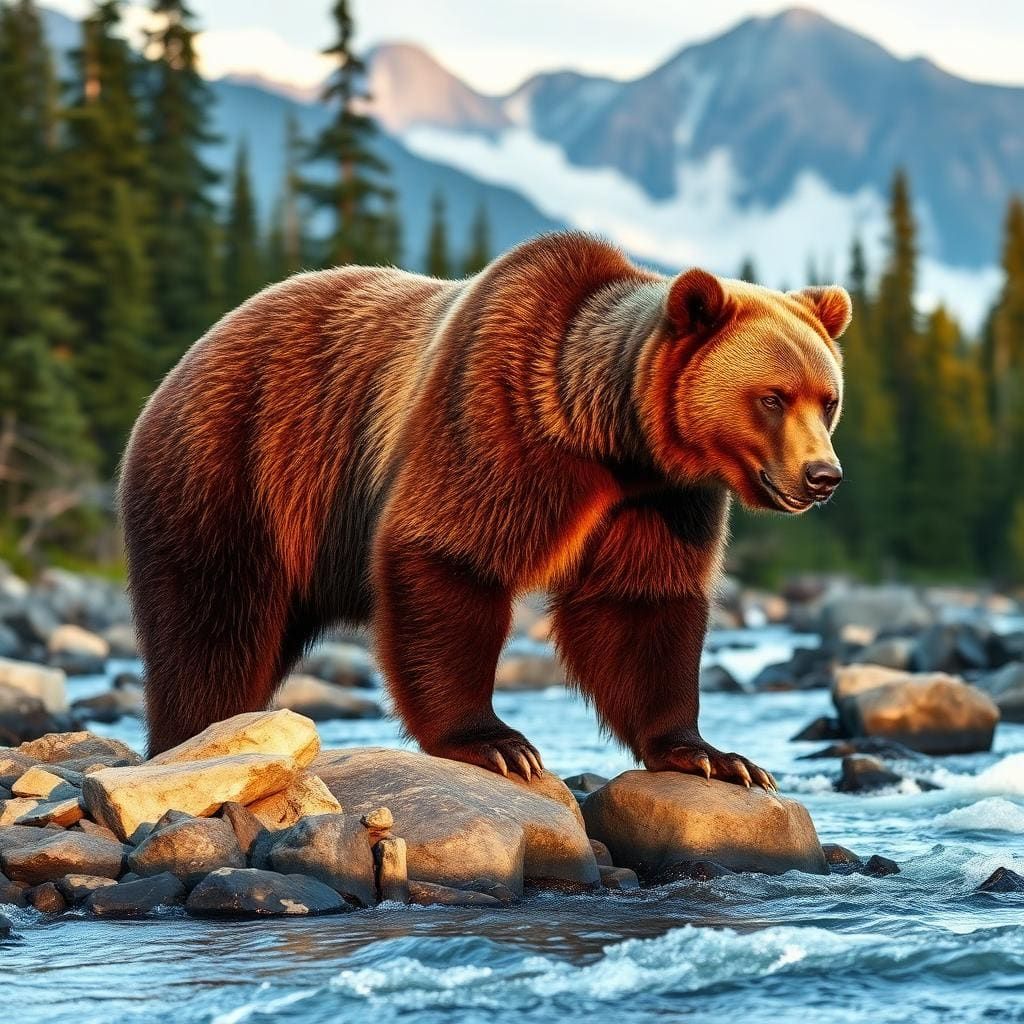
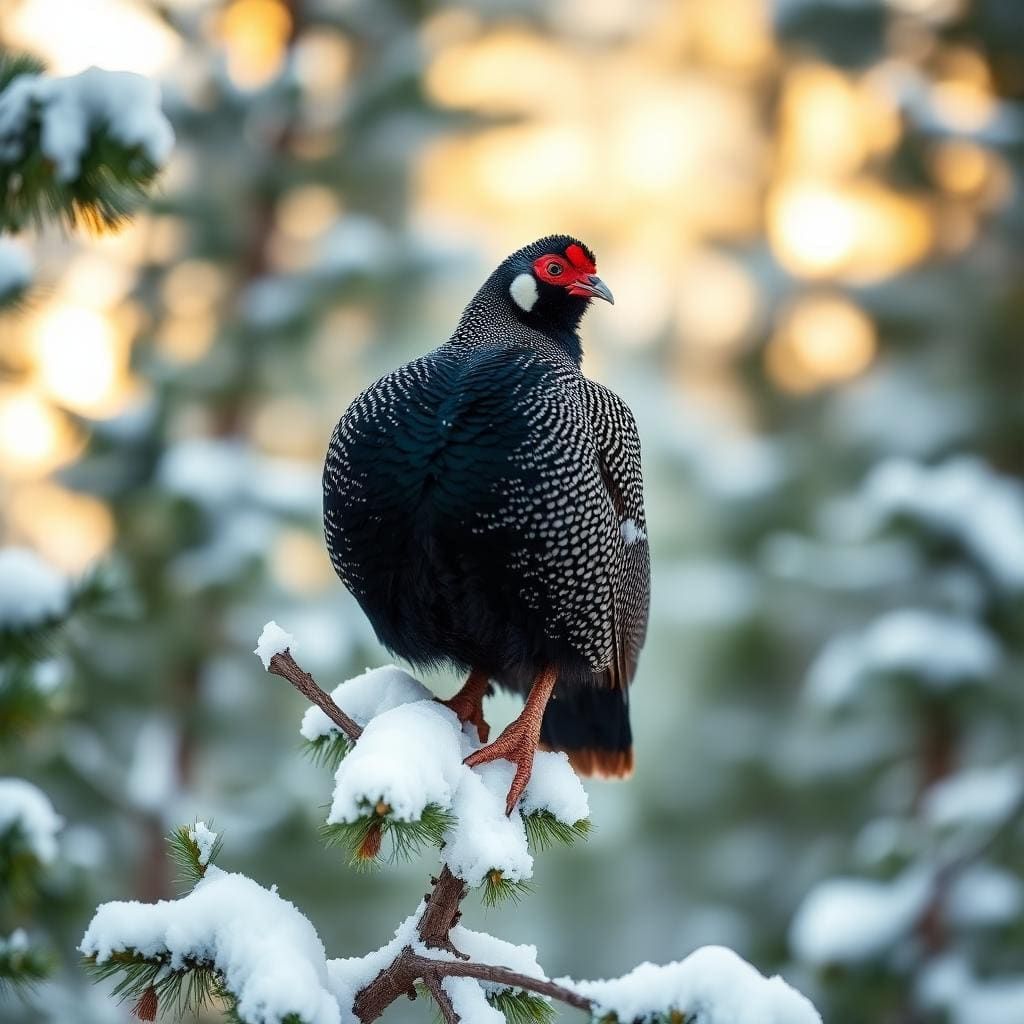
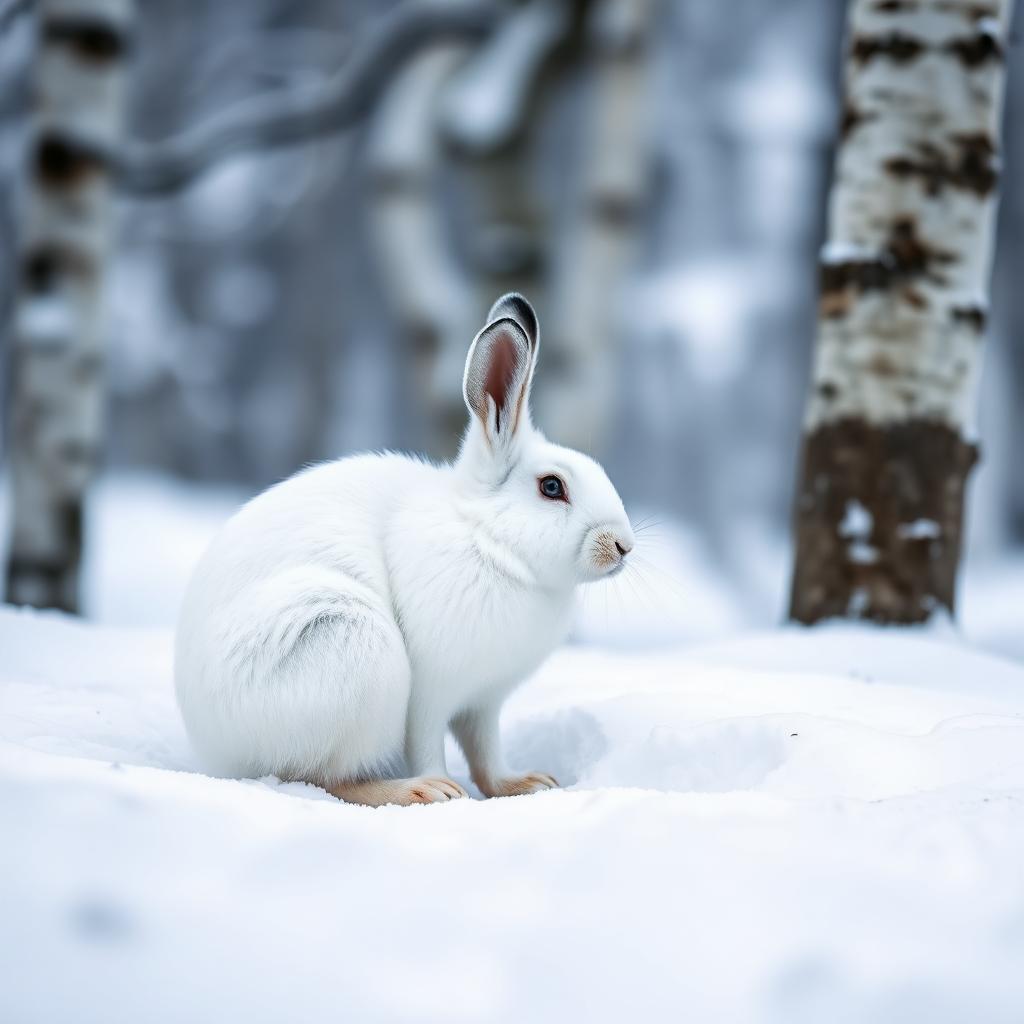
Desert wildlife adjusts its schedule in the winter. Desert bighorn sheep, often pushed toward high, inaccessible crags during the summer heat, occasionally descend toward lower rocky ridges and canyon washes in search of vegetation greened by early winter rains. Coyotes remain vocal throughout the long nights, frequently seen trotting through dry sandy washes at dawn. Birders catch sight of red-tailed hawks, loggerhead shrikes, and raven pairs riding thermals over rock towers. The iconic Joshua trees, not actually trees but massive monocot yuccas, stand dormant in the winter chill, their spiky evergreen rosettes protecting tight flower buds that will not open until early spring. The fragile biological soil crusts binding the sand together are vulnerable year-round, requiring strict adherence to durable surfaces.
Permit Regulations and Backcountry Water
Developed campgrounds like Jumbo Rocks, Belle, and Hidden Valley fill relentlessly. Most reservable sites open six months ahead on Recreation.gov and book out within seconds for December weekends, though a handful of first-come, first-served options exist if you arrive before dawn on a weekday. Backcountry backpackers must register for a permit online and camp in designated zones or beyond strict mileage thresholds from roads and trailheads. The most critical operational factor in the backcountry is water: there is virtually no potable natural water anywhere within the park boundaries. You must pack in every single liter required for hydration and cooking, calculating roughly a gallon per person per day, or stage authorized water caches along access boards before departing.
Crowd Bottlenecks and Field Trade-Offs
The park's proximity to the Los Angeles and San Diego metro areas makes it a default holiday road-trip destination, resulting in severe congestion during the last two weeks of the month. Traffic can back up two miles outside the West Entrance station in Joshua Tree Village by ten in the morning, making the North Entrance in Twentynine Palms or the South Entrance off Interstate 10 far wiser strategic choices. Parking areas at popular stops like Split Rock and Keys View turn into chaotic waiting games by midday. Cell service across the park interior is non-existent, so offline maps and physical paper topos are non-negotiable. Plan days around early starts, moving into the rocks before sunrise and retreating back to camp early.
How we picked
We built this ranking from trip reports, agency data, permit records, and our editors' own time on the ground. 10 places made the final cut out of a much longer working list, and each one had to clear the same set of criteria before it earned a spot.
- Quality of the terrain
- Landscape, route variety, and whether the place rewards multiple days rather than one overlook.
- Season and weather windows
- How long the reliable window is, and how badly the shoulder seasons punish a bad forecast.
- Access and permits
- Trailhead logistics, permit odds, quotas, and how much lead time a trip realistically takes.
- Solitude vs. crowding
- How far you have to walk before the place feels like wilderness instead of a queue.
- Wildlife and ecology
- What you can reasonably expect to see, and what you have to plan around.
- Risk and skill required
- Navigation, water crossings, exposure, and rescue distance — stated plainly.
Joshua Tree National Park — frequently asked questions
- Is Joshua Tree National Park worth the trip?
- We rank it #4 in US Destinations in December. Prime season: sunny days, cold nights, occasional snow on the rocks.
- Who is Joshua Tree National Park best for?
- Best for winter granite bouldering trips, crisp desert day hiking, cold-weather base camp outings and low-light desert photography. Standouts: optimum daytime friction on classic granite climbing routes and comfortable temperatures for exposed, shadeless desert hiking.
- What are the drawbacks of Joshua Tree National Park?
- Overnight temperatures consistently drop below freezing, Severe holiday crowding and long vehicle waits at main entrance gates and Zero natural surface water sources, requiring full water packing.
- What are the key details for Joshua Tree National Park?
- Managing Agency: National Park Service · December Highs: Upper 50s to low 60s °F · December Lows: Upper 20s to mid-30s °F · Elevation Range: 536 to 5,814 feet · Total Area: 792,623 acres
- Geology and Two Distinct Deserts — what should I know about the Joshua Tree National Park?
- The park is split between two distinct ecosystems determined by elevation. The eastern half lies within the Colorado Desert, an arm of the Sonoran, characterized by low elevations, spiny ocotillo, and open creosote basins.
- Winter Weather Realities — what should I know about the Joshua Tree National Park?
- December delivers the most stable weather of the year, dominated by dry high-pressure systems that keep precipitation low and skies clear. That arid atmosphere offers zero insulation once dark arrives.
Where on earth
Satellite imagery flying in from a world view to Joshua Tree National Park, California, United States. Use the + / − buttons, or click the map to zoom with your scroll wheel; drag to pan and pinch to zoom on touch.
Joshua Tree National Park, California, USA · 33.873, -115.901
Wildlife found around Joshua Tree National Park





Compare side by side
Put the Joshua Tree National Park against any other pick on this list — specs, price, pros, cons and reader ratings.