



Reader rating
Rate it and you move it. Community ratings re-rank this product inside its Top 10 list.
Expert-picked, reader-ranked. Our editors choose the products and the launch order; member star ratings move picks up or down over time.
Oversnow season opens mid-month — wolves, steam, and silence.
Pros
- Crowd levels drop to a tiny fraction of peak summer visitation
- Exceptional winter wolf and bison viewing in the Lamar Valley
- Geothermal steam and rime ice create striking winter photography
- North Entrance road allows low-cost, self-guided winter exploration
Cons
- Interior travel requires expensive snowcoach or snowmobile bookings
- Subzero temperatures and icy roads present genuine survival risks
- Interior access is entirely closed until mid-December road grooming
Best uses
- Winter wildlife photography
- Cross-country ski touring
- Guided snowcoach expeditions
- Solitary thermal basin viewing
Specifications
- Primary Location
- Northwestern Wyoming, southern Montana, eastern Idaho
- Winter Road Access
- North to Northeast Entrance plowed for passenger cars
- Oversnow Season
- Mid-December through early March via guided transport
- Average Temperatures
- Highs 20°F to 30°F, lows frequently dip below 0°F
- Key Wildlife
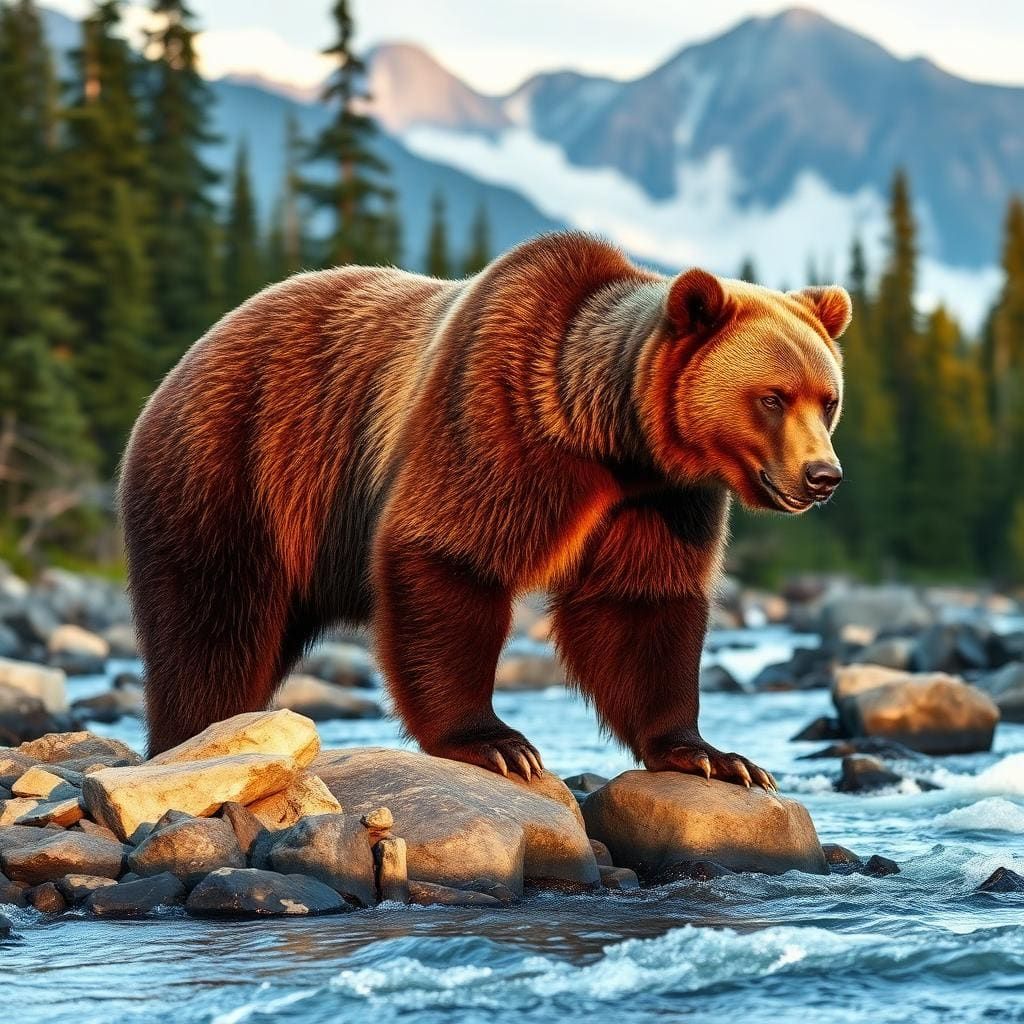
- Gray wolves, bison, elk, moose, bighorn sheep
- Winter Lodging
- Mammoth Hot Springs Hotel, Old Faithful Snow Lodge
Best for
Winter wildlife photography, Cross-country ski touring, Guided snowcoach expeditions, Solitary thermal basin viewing
December strips Yellowstone down to raw bone and vapor. Once the interior roads shut down to regular passenger vehicles in early November, the park enters a brief quiet spell before the winter oversnow season officially opens around mid-month. At that point, access into the heart of the caldera—places like Old Faithful and the Grand Canyon of the Yellowstone—requires commercial snowcoaches, permitted snowmobiles, or your own two feet on skis. The only stretch of pavement plowed year-round for standard vehicles runs between the North Entrance at Gardiner, Montana, and the Northeast Entrance near Cooke City. This corridor cuts straight across the Northern Range and the Lamar Valley. While summer turns this landscape into a bumper-to-bumper queue, December renders it quiet, stark, and bitterly cold. Steam pluming from geothermal basins freezes into rime on nearby lodgepole pines, and the soundscape shrinks to the crunch of snow under boots. Visiting now demands serious respect for extreme weather. Subzero temperatures, sudden blizzards, and isolated services mean you cannot treat a winter trip like an extended summer sightseeing loop. For travelers prepared to layer aggressively and plan months ahead, it offers an unmatched glimpse of North America's premier wildlife sanctuary functioning at its most primal.
Northern Range Road Logistics
The roughly 50-mile road between Gardiner and Cooke City is your primary self-drive corridor in December. Plowing crews keep this route clear through Mammoth Hot Springs, Tower Junction, and the Lamar Valley to maintain access for the isolated communities of Silver Gate and Cooke City. Snow tires or chains are legally required or strongly advised depending on storm conditions. Because services along this route are sparse—limited primarily to gas and basic lodging at Mammoth—you need to carry emergency winter gear in your vehicle. Pack high-calorie rations, extra sub-zero sleeping bags, a metal shovel, and a satellite messenger. Cell coverage vanishes rapidly east of Mammoth. If you run into a ditch or suffer a mechanical failure past Tower Junction during a whiteout, help can take hours to arrive.
Caldera Travel and Oversnow Access
Accessing the interior of the park past Mammoth requires booking a commercial snowcoach or an authorized snowmobile tour once the winter season begins in mid-December. Commercial operators depart from West Yellowstone, Gardiner, and the South Entrance. These tracked or oversized low-pressure-tire vehicles run groomed trails over feet of packed snow, carrying you to thermal hubs like the Lower Geyser Basin and Old Faithful. Traveling by snowcoach is inherently structured; you operate on your outfitter’s schedule rather than wandering at your own whim. The reward is experiencing iconic landmarks like Grand Prismatic Spring without the thrum of thousands of summer tourists. Steam columns hang dense and motionless in the frigid air, casting delicate ice crystals over surrounding boardwalks that turn treacherous without microspikes.
Wildlife in the Cold
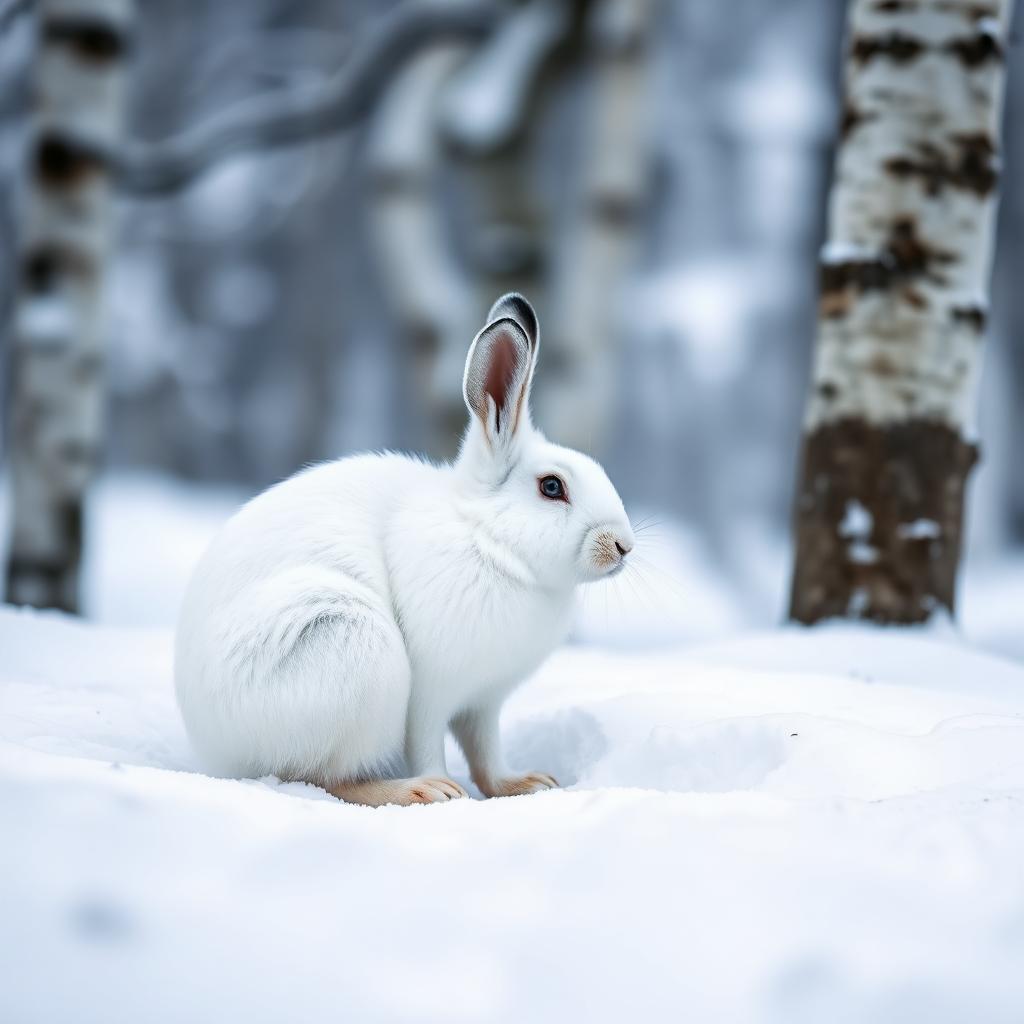
December is peak season for tracking wildlife, particularly gray wolves and ungulates. Heavy snow packs push bison, elk, and deer down from the high plateaus into valley bottoms and river corridors where forage is accessible. This concentrated biomass draws the Northern Range wolf packs into the Lamar Valley and Little America flats. Wolf watchers gather at dawn along plowed pullouts with spotting scopes, scanning open snowfields and ridgelines. Because the deciduous brush is bare and the ground is coated in brilliant white, spotting predators at distance becomes significantly easier than in summer. Bison use their massive heads to sweep aside snow drifts, often congregating directly in geothermal basins where warmed ground melts the snowpack. Keep strict distance; cold stress makes large animals especially volatile.
Severe Winter Hazards
Exposure is the prevailing threat across the park throughout December. Daytime highs hovering in the twenties can plummet twenty degrees below zero overnight, with wind chill values dropping even lower in open valleys. Hypothermia and frostbite can develop within minutes if clothing gets wet from sweat or thermal spray. Around thermal features, boardwalks often ice over entirely, requiring traction aids on your boots to prevent hard falls onto fragile crust. Stepping off established paths near thermal features is extraordinarily dangerous and illegal, as thin ground crust can break underfoot into boiling subterranean water. Furthermore, heavy snowfall frequently triggers avalanche warnings on steeper terrain flanking Cooke City and the Absaroka Range, requiring winter backcountry travelers to carry avalanche transceivers, probes, and shovels.
Planning Permits and Bookings
Visiting Yellowstone in December requires locking down logistics well ahead of departure. Lodging within the park during winter is restricted to Mammoth Hot Springs Hotel and Old Faithful Snow Lodge, both of which fill reservation rosters months prior. Non-commercial snowmobile access operates under a strict lottery system administered via Recreation.gov in the late summer, meaning casual travelers must rely on permitted concessionaires. Backcountry winter camping requires self-registration and a dedicated winter permit, which mandates a solid demonstration of cold-weather survival competence from the backcountry office. If you plan to rent snowshoes or cross-country skis, gear shops in Gardiner, West Yellowstone, and Bozeman provide rentals, but reserving ahead prevents getting stuck without essential touring bindings or correctly sized boots.
Skiing and Snowshoe Routes
Winter non-motorized trail systems open up once the base snowpack solidifies, usually by mid-December. The park grooms dedicated cross-country ski tracks around Mammoth, Tower, and the Old Faithful complex. Routes like the Blacktail Plateau Drive and the Tower Fall trail offer exceptional cross-country touring, skirting snow-covered rimrock and frozen waterfalls. Skiing along these paths is a rhythmic, meditative experience, broken only by the whistling wind and distant bird calls. However, route-finding becomes demanding after heavy storms cover trail markers on ungroomed backcountry paths. Skis with metal edges or wide, modern snowshoes with aggressive crampons are necessary for navigating hard crust and steep drifted cuts. Always confirm current trail grooming conditions at the nearest ranger station before clicking into your bindings.
How we picked
We built this ranking from trip reports, agency data, permit records, and our editors' own time on the ground. 10 places made the final cut out of a much longer working list, and each one had to clear the same set of criteria before it earned a spot.
- Quality of the terrain
- Landscape, route variety, and whether the place rewards multiple days rather than one overlook.
- Season and weather windows
- How long the reliable window is, and how badly the shoulder seasons punish a bad forecast.
- Access and permits
- Trailhead logistics, permit odds, quotas, and how much lead time a trip realistically takes.
- Solitude vs. crowding
- How far you have to walk before the place feels like wilderness instead of a queue.
- Wildlife and ecology
- What you can reasonably expect to see, and what you have to plan around.
- Risk and skill required
- Navigation, water crossings, exposure, and rescue distance — stated plainly.
Yellowstone National Park — frequently asked questions
- Is Yellowstone National Park worth the trip?
- We rank it #5 in US Destinations in December. Oversnow season opens mid-month — wolves, steam, and silence.
- Who is Yellowstone National Park best for?
- Best for winter wildlife photography, cross-country ski touring, guided snowcoach expeditions and solitary thermal basin viewing. Standouts: crowd levels drop to a tiny fraction of peak summer visitation and exceptional winter wolf and bison viewing in the lamar valley.
- What are the drawbacks of Yellowstone National Park?
- Interior travel requires expensive snowcoach or snowmobile bookings, Subzero temperatures and icy roads present genuine survival risks and Interior access is entirely closed until mid-December road grooming.
- What are the key details for Yellowstone National Park?
- Primary Location: Northwestern Wyoming, southern Montana, eastern Idaho · Winter Road Access: North to Northeast Entrance plowed for passenger cars · Oversnow Season: Mid-December through early March via guided transport · Average Temperatures: Highs 20°F to 30°F, lows frequently dip below 0°F · Key Wildlife: Gray wolves, bison, elk, moose, bighorn sheep
- Northern Range Road Logistics — what should I know about the Yellowstone National Park?
- The roughly 50-mile road between Gardiner and Cooke City is your primary self-drive corridor in December. Plowing crews keep this route clear through Mammoth Hot Springs, Tower Junction, and the Lamar Valley to maintain access for the isolated communities of Silver Gate and Cooke City.
- Caldera Travel and Oversnow Access — what should I know about the Yellowstone National Park?
- Accessing the interior of the park past Mammoth requires booking a commercial snowcoach or an authorized snowmobile tour once the winter season begins in mid-December. Commercial operators depart from West Yellowstone, Gardiner, and the South Entrance.
Where on earth
Satellite imagery flying in from a world view to Yellowstone National Park, United States. Use the + / − buttons, or click the map to zoom with your scroll wheel; drag to pan and pinch to zoom on touch.
Yellowstone National Park, United States · 44.598, -110.561
Wildlife found around Yellowstone National Park



Compare side by side
Put the Yellowstone National Park against any other pick on this list — specs, price, pros, cons and reader ratings.