



Reader rating
Rate it and you move it. Community ratings re-rank this product inside its Top 10 list.
Expert-picked, reader-ranked. Our editors choose the products and the launch order; member star ratings move picks up or down over time.
Winter wolves, bison in snow, and steaming geyser basins; oversnow travel only.
Pros
- Zero summer crowds across major geyser basins and canyon overlooks
- World-class wolf and bison viewing against pristine snow backgrounds
- Dramatic contrast of boiling geothermal features in sub-zero air
- Plowed northern road allows budget-friendly independent wildlife viewing
Cons
- Expensive commercial oversnow transport required for interior access
- Extreme sub-zero cold demands heavy specialized winter expedition gear
- Severely limited open lodging and dining facilities within park boundaries
Best uses
- Winter wildlife photography
- Cross-country ski touring
- Guided oversnow geyser expeditions
- Solitary park exploration
Specifications
- Primary Access
- North Entrance (Gardiner) or commercial oversnow
- Average Jan Temp
- 0°F to 20°F high, sub-zero nights common
- Interior Travel
- Guided snowcoach or snowmobile permit only
- Key Wildlife
- Gray wolves, bison, elk, river otters
- Required Permits
- National park pass; guided concessions for interior
- Total Area
- 2.2 million acres across WY, MT, ID
Best for
Winter wildlife photography, Cross-country ski touring, Guided oversnow geyser expeditions, Solitary park exploration
In January, the world’s first national park sheds its gridlocked summer skin and reverts to something prehistoric. Steam billows from caldera vents against skies so cold the air crystals sting exposed skin. The interior roads close to regular vehicle traffic in early November, leaving vast swaths of high-altitude plateau accessible only by tracked snowcoaches, snowmobiles, or your own two feet on skis. What draws winter travelers here is not casual sightseeing; it is wildlife tracking and thermal contrast. Bison clump around boiling thermal runoffs, their coats crusted in heavy rime ice, while the Lamar Valley becomes the undisputed apex predator theater of North America. Winter strips away the heavy tree cover and pushes ungulates down to the valley bottoms, pulling wolf packs into direct line of sight for spotters willing to stand on frozen road shoulders before dawn. Navigating the park this time of year requires deliberate planning and technical cold-weather gear. Sub-zero temperatures can freeze camera shutters and drain battery life in minutes, but the reward is seeing North America's most iconic geothermal landscape completely devoid of crowds.
The Winter Landscape
Yellowstone sits on an elevated volcanic plateau, averaging around 8,000 feet above sea level, ringed by rugged mountain ranges. In deep winter, this geology creates an extraordinary microclimate where sub-surface magma meets deep snowpack. Basins like Norris and the Upper Geyser Basin churn out massive columns of steam that condense instantly on nearby lodgepole pines, coating them in ghost-trees of thick rime ice. Frozen rivers like the Madison stay open in patches thanks to thermal runoff, creating lifeline corridors for wildlife. Moving through this terrain requires respect for the geothermal crust; stepping off designated boardwalks or packed snow trails is lethal, as thin ground frequently hides boiling water beneath snow bridges.
Lamar Valley Wolf Watching
While the park interior requires tracked transport, the road from the North Entrance through Mammoth Hot Springs to Cooke City remains plowed year-round. This corridor cuts straight through the Lamar Valley, widely regarded as the best place on the continent to view wild wolves. January offers optimal viewing conditions: absence of leaves, crisp contrast of dark pelts against white snow, and mating season dynamics that ramp up pack territoriality. Hardcore spotters set up spotting scopes along roadside pullouts at first light, enduring temperatures that routinely sit at twenty below zero. Elk and bison wintering in the river bottoms draw multiple packs, frequently offering rare glimpses of natural hunting sequences and pack interactions without the vehicle congestion of summer.
Interior Oversnow Access
Accessing Old Faithful or the Grand Canyon of the Yellowstone in January requires booking commercial snowcoaches or authorized snowmobile tours. The National Park Service strictly manages oversnow travel via the non-commercial snowmobile lottery or commercial operators based out of West Yellowstone, Gardiner, or Jackson. Snowcoaches—ranging from converted 15-passenger vans on rubber tracks to vintage Mattrack vehicles—provide heated transit over hundreds of miles of groomed snow roads. The journey is slow and deliberate, turning a standard 30-mile summer sprint into a multi-hour expedition through silent, snow-draped forests. This logistical hurdle keeps interior visitor numbers to a tiny fraction of peak season, allowing you to watch legendary geysers erupt without jostling elbows along the boardwalks.
Winter Weather Realities
Winter in the park is uncompromising. January is historically the coldest month, where high temperatures struggle to crack twenty degrees Fahrenheit and overnight lows can easily drop to minus thirty or worse. Inversion layers often trap dense fog in the geyser basins, cutting visibility to a few dozen feet before clearing into crystalline, bluebird skies by midday. You need a dedicated four-layer clothing system, vapor-barrier or deeply insulated winter pac boots, and reliable wind protection. Frostbite and hypothermia are genuine operational hazards, not theoretical warnings. Electronic equipment fails rapidly in these conditions; lithium batteries must be kept close to the body, and camera bodies should be allowed to warm slowly inside sealed zip bags to prevent internal condensation.
Permits and Planning Logistics
Because services are extremely limited during the winter season, forward planning must begin six to twelve months in advance. Only two park hotels remain open during deep winter: Mammoth Hot Springs Hotel and Old Faithful Snow Lodge. If you intend to stay at Old Faithful, your lodging and snowcoach transportation must be booked concurrently through the concessioner. Independent travelers focusing solely on wildlife in the northern range can base themselves outside the park in Gardiner or Silver Gate, avoiding interior transport costs entirely. Backcountry cross-country skiing and snowshoeing require self-registration or backcountry permits, and winter travelers must carry avalanche rescue gear if venturing onto steep slopes outside established thermal corridors.
The Winter Trade-Offs
Experiencing Yellowstone in January requires accepting heavy financial and operational compromises. Snowcoach excursions are expensive, often costing hundreds of dollars per seat per day, which can turn a multi-day family trip into a major capital expenditure. Daylight is limited to roughly nine hours, cutting your field window short and forcing early departures to reach lodging before nightfall. Additionally, the extreme cold means you spend substantial time managing your thermal comfort rather than casually strolling. Mechanical failures on oversnow vehicles do happen, and winter storm closures along US-191 or through the Gardiner canyon can temporarily strand travelers. If you cannot tolerate bone-chilling cold or the rigid schedules of guided travel, the summer or shoulder seasons remain vastly more forgiving.
How we picked
We built this ranking from trip reports, agency data, permit records, and our editors' own time on the ground. 10 places made the final cut out of a much longer working list, and each one had to clear the same set of criteria before it earned a spot.
- Quality of the terrain
- Landscape, route variety, and whether the place rewards multiple days rather than one overlook.
- Season and weather windows
- How long the reliable window is, and how badly the shoulder seasons punish a bad forecast.
- Access and permits
- Trailhead logistics, permit odds, quotas, and how much lead time a trip realistically takes.
- Solitude vs. crowding
- How far you have to walk before the place feels like wilderness instead of a queue.
- Wildlife and ecology
- What you can reasonably expect to see, and what you have to plan around.
- Risk and skill required
- Navigation, water crossings, exposure, and rescue distance — stated plainly.
Yellowstone National Park — frequently asked questions
- Is Yellowstone National Park worth the trip?
- We rank it #7 in US Destinations in January. Winter wolves, bison in snow, and steaming geyser basins; oversnow travel only.
- Who is Yellowstone National Park best for?
- Best for winter wildlife photography, cross-country ski touring, guided oversnow geyser expeditions and solitary park exploration. Standouts: zero summer crowds across major geyser basins and canyon overlooks and world-class wolf and bison viewing against pristine snow backgrounds.
- What are the drawbacks of Yellowstone National Park?
- Expensive commercial oversnow transport required for interior access, Extreme sub-zero cold demands heavy specialized winter expedition gear and Severely limited open lodging and dining facilities within park boundaries.
- What are the key details for Yellowstone National Park?
- Primary Access: North Entrance (Gardiner) or commercial oversnow · Average Jan Temp: 0°F to 20°F high, sub-zero nights common · Interior Travel: Guided snowcoach or snowmobile permit only · Key Wildlife: Gray wolves, bison, elk, river otters · Required Permits: National park pass; guided concessions for interior
- The Winter Landscape — what should I know about the Yellowstone National Park?
- Yellowstone sits on an elevated volcanic plateau, averaging around 8,000 feet above sea level, ringed by rugged mountain ranges. In deep winter, this geology creates an extraordinary microclimate where sub-surface magma meets deep snowpack.
- Lamar Valley Wolf Watching — what should I know about the Yellowstone National Park?
- While the park interior requires tracked transport, the road from the North Entrance through Mammoth Hot Springs to Cooke City remains plowed year-round. This corridor cuts straight through the Lamar Valley, widely regarded as the best place on the continent to view wild wolves.
Where on earth
Satellite imagery flying in from a world view to Yellowstone National Park, United States. Use the + / − buttons, or click the map to zoom with your scroll wheel; drag to pan and pinch to zoom on touch.
Yellowstone National Park, United States · 44.598, -110.561
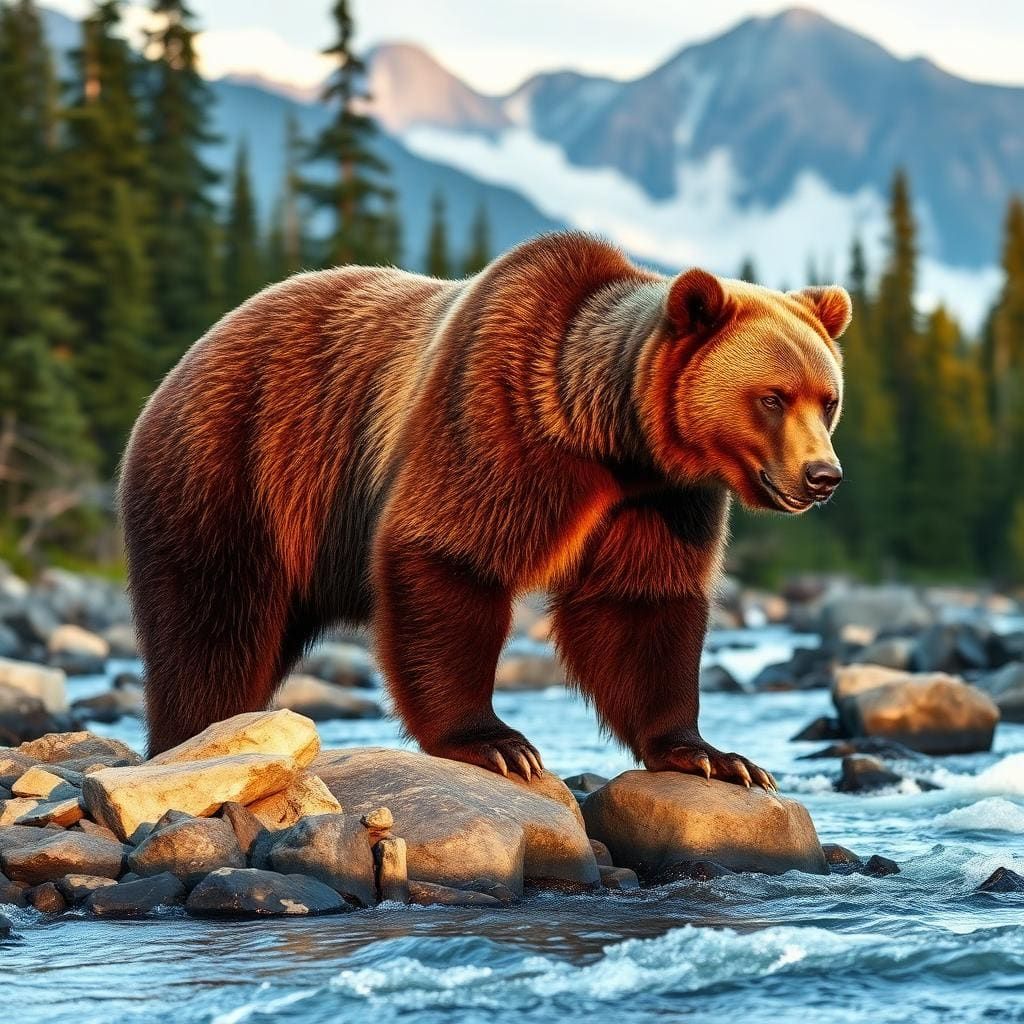
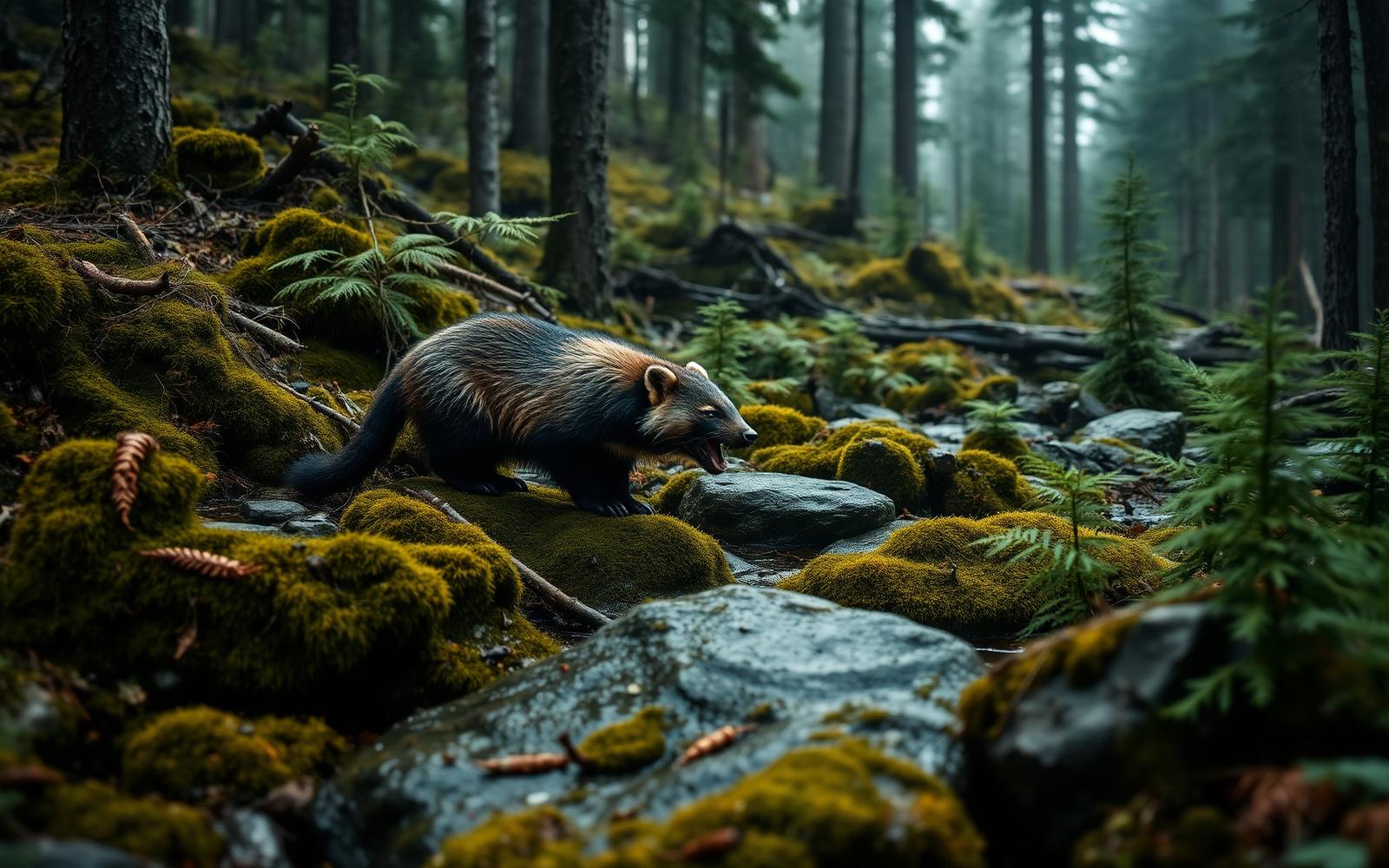
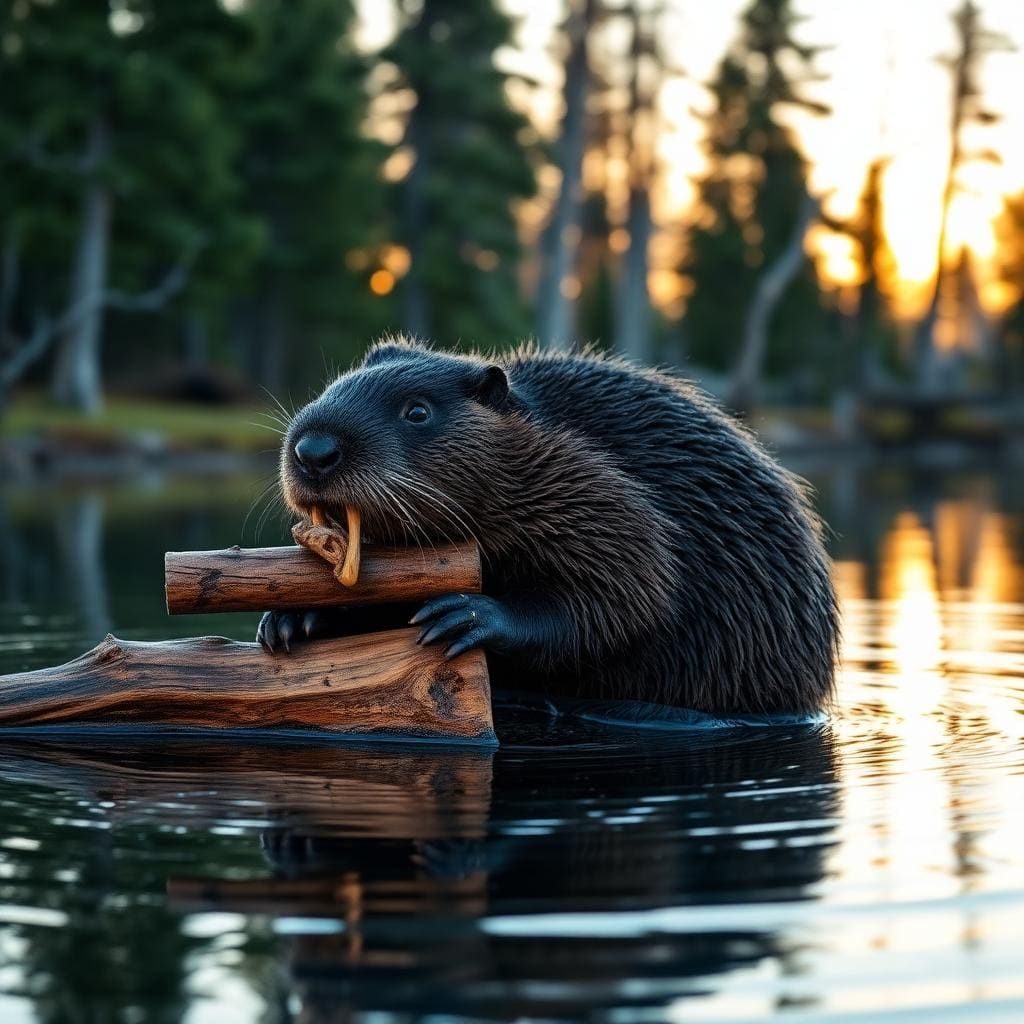
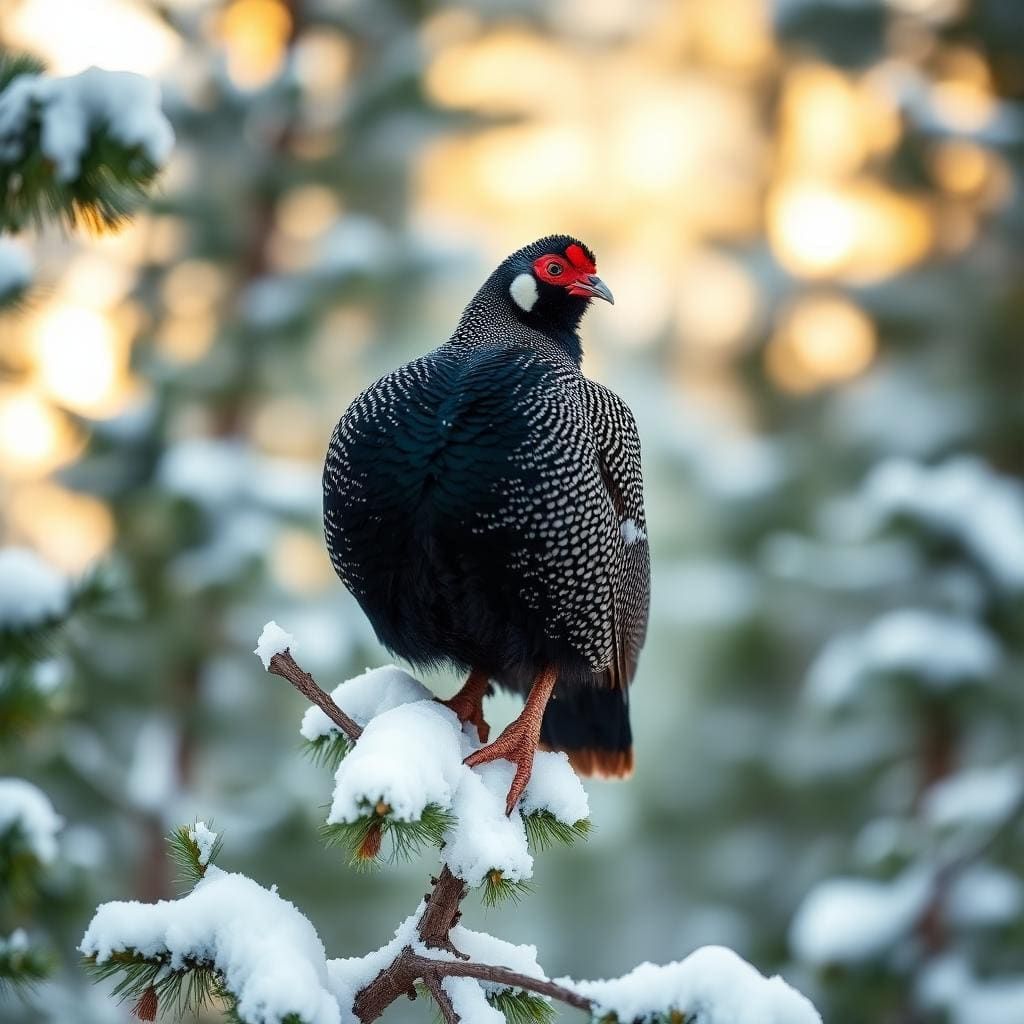
Wildlife found around Yellowstone National Park



Compare side by side
Put the Yellowstone National Park against any other pick on this list — specs, price, pros, cons and reader ratings.