



Reader rating
Rate it and you move it. Community ratings re-rank this product inside its Top 10 list.
Expert-picked, reader-ranked. Our editors choose the products and the launch order; member star ratings move picks up or down over time.
Quiet trails and snow-dusted red rock; shuttles paused, drive the canyon.
Pros
- Personal vehicles permitted on Zion Canyon Scenic Drive while shuttles are dormant
- Vastly reduced crowd sizes compared to peak summer and autumn seasons
- Dramatic visual contrast of fresh snow dusting vertical Navajo sandstone cliffs
- Lower, crystal-clear river flows provide excellent cold-water slot canyon hiking
Cons
- Severe ice hazards on exposed cliffside trails require traction cleats
- Deep canyon walls block sunlight early, prompting swift temperature drops
- High-elevation roads like Kolob Terrace face sudden snowstorm closures
Best uses
- Winter Landscape Photography
- Solitary Canyon Hiking
- Self-Guided Scenic Driving
- Drysuit Slot Canyon Trekking
Specifications
- Location
- Southwestern Utah, Washington and Kane Counties
- January Weather
- Highs around 52°F, lows around 29°F
- Scenic Drive Access
- Private vehicles permitted during shuttle hiatus
- Primary Terrain
- Deep sandstone canyons, slickrock, desert riparian
- Elevation Range
- 3,666 to 8,726 feet across park boundaries
- Key Waterway
- North Fork Virgin River
Best for
Winter Landscape Photography, Solitary Canyon Hiking, Self-Guided Scenic Driving, Drysuit Slot Canyon Trekking
January completely strips away the chaotic circus that dominates Zion during the warmer months. With the mandatory shuttle system parked for its annual winter hiatus, you can steer your personal vehicle straight down the floor of Zion Canyon Scenic Drive—an experience strictly prohibited for the vast majority of the year. The towering walls of Navajo sandstone, capped with fresh dustings of high-desert snow, loom over an eerily quiet river corridor devoid of tour groups and diesel exhaust. The trade-off comes down to temperature, reduced daylight, and unpredictable footing. Daytime temperatures on the canyon floor hover in the low 50s under direct sun, but plummet below freezing the instant shadows engulf the rock walls. Shaded cliff paths turn into slick sheets of hardpack ice, while the Virgin River cools to bone-chilling thresholds that demand full drysuit setups. High plateaus like Kolob can disappear under impassable drifts, concentrating exploration within the lower canyon. For self-sufficient hikers who carry traction cleats and know how to dress for cold-weather desert conditions, winter in the canyon is unmatched. You trade blistering canyon heat for crisp stillness, open parking stalls, and unobstructed views of red rock cathedrals standing silent under the winter sky.
Canyon Floor Driving Access
For most of the year, accessing the main canyon means queuing for packed park shuttles. In January, the shuttle fleet shuts down outside of specific holiday weekends, allowing private vehicles to travel the length of Zion Canyon Scenic Drive to the Temple of Sinawava. Parking stalls at trailheads still fill up by mid-morning, but navigating the canyon in your own rig restores an intimacy lost during peak seasons. You can pull over to photograph weeping walls draped in heavy icicles, linger at the Big Bend without watching the clock, and run the vehicle heater between short roadside hikes. It turns a rigid public transit schedule into a flexible, self-paced mountain tour.
Navigating Ice on Exposed Trails
Iconic trails like the Walter's Wiggles switchbacks up to Scout Lookout and the West Rim take on a serious edge once winter sets in. The shaded cliffs of the canyon bowl block winter sunlight, preserving slick sheets of hardpack snow and black ice across narrow ledges. Hiking boots alone will not cut it; packing microspikes or traction cleats is essential survival gear, not an optional convenience. Angels Landing permits remain required year-round, and the final chained knife-edge ridge can turn downright lethal under ice or heavy gusts. Rangers frequently warn hikers to turn back at Scout Lookout when conditions deteriorate, which happens often after overnight freezes.
Wading the Winter Narrows
Hiking the Virgin River through The Narrows is still feasible in January, but it demands technical cold-water preparation. River temperatures routinely drop into the upper 30s, meaning standard summer wading gear will quickly trigger hypothermia. Local outfitters in Springdale rent drysuits, neoprene booties, thick neoprene socks, and heavy wooden walking sticks built specifically for winter river hiking. Flow rates are generally lower and clearer in midwinter compared to the raging spring snowmelt, creating striking turquoise pools between monolithic stone walls. However, shorter daylight hours compress your turnaround window, and you must check flash flood outlooks and ice dams before dropping into the slot.
High Desert Winter Wildlife
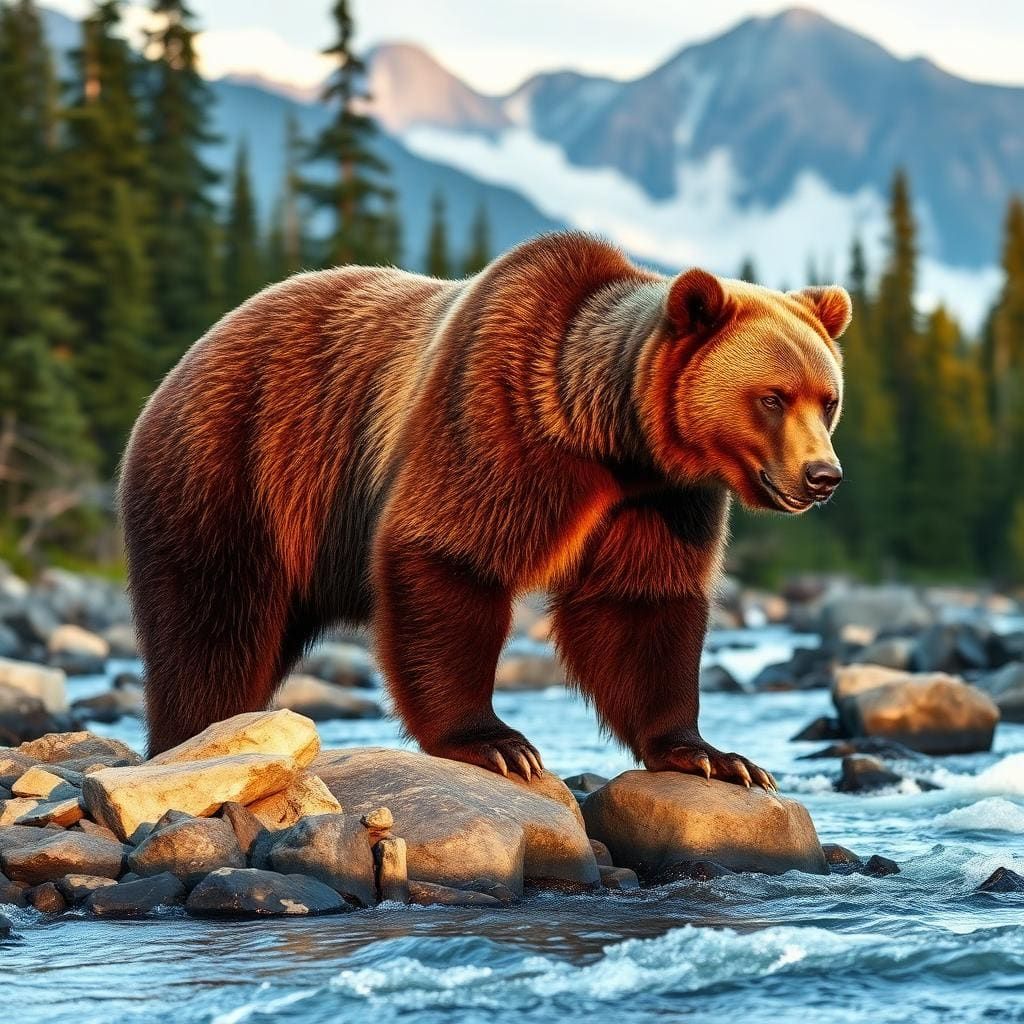
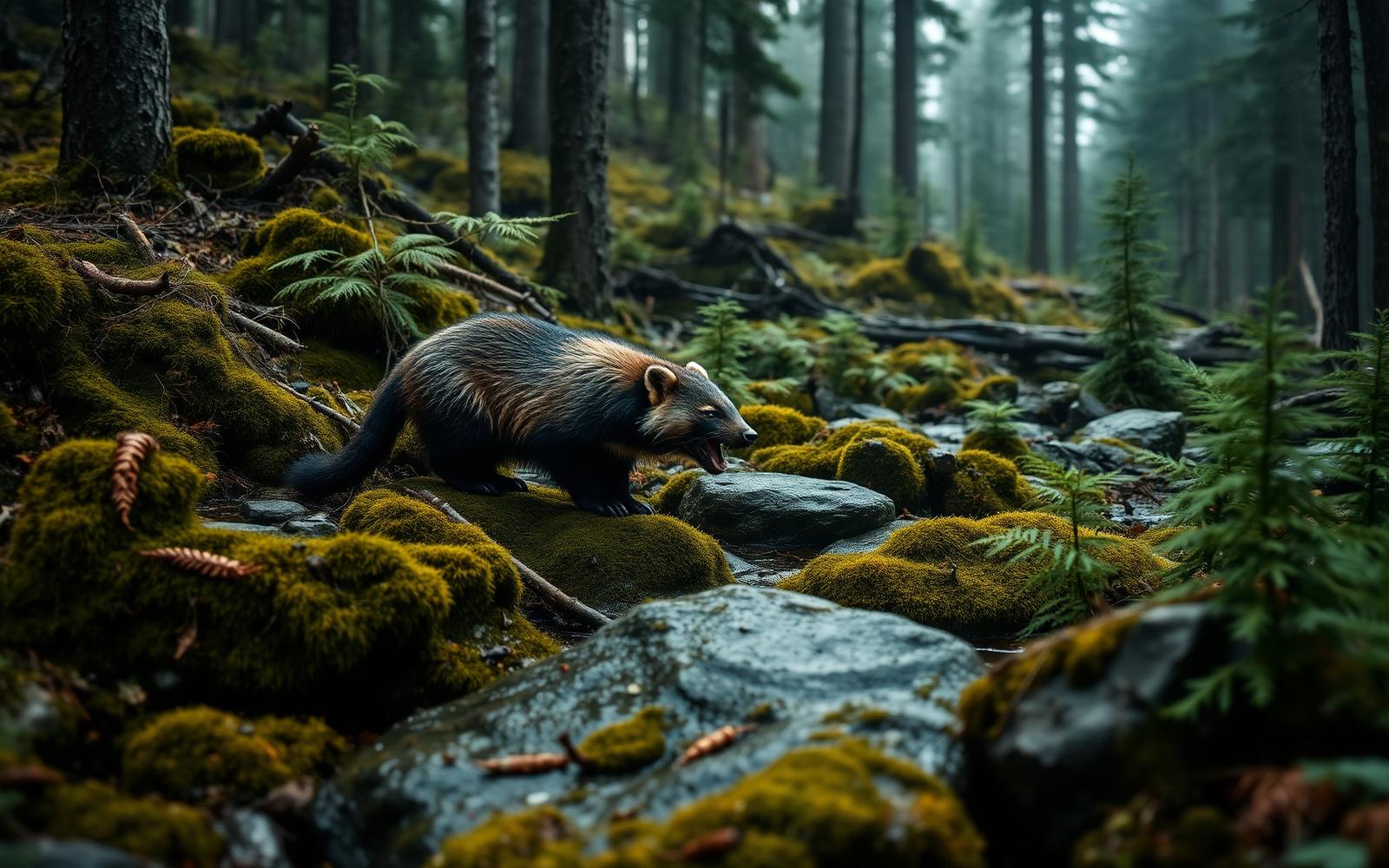
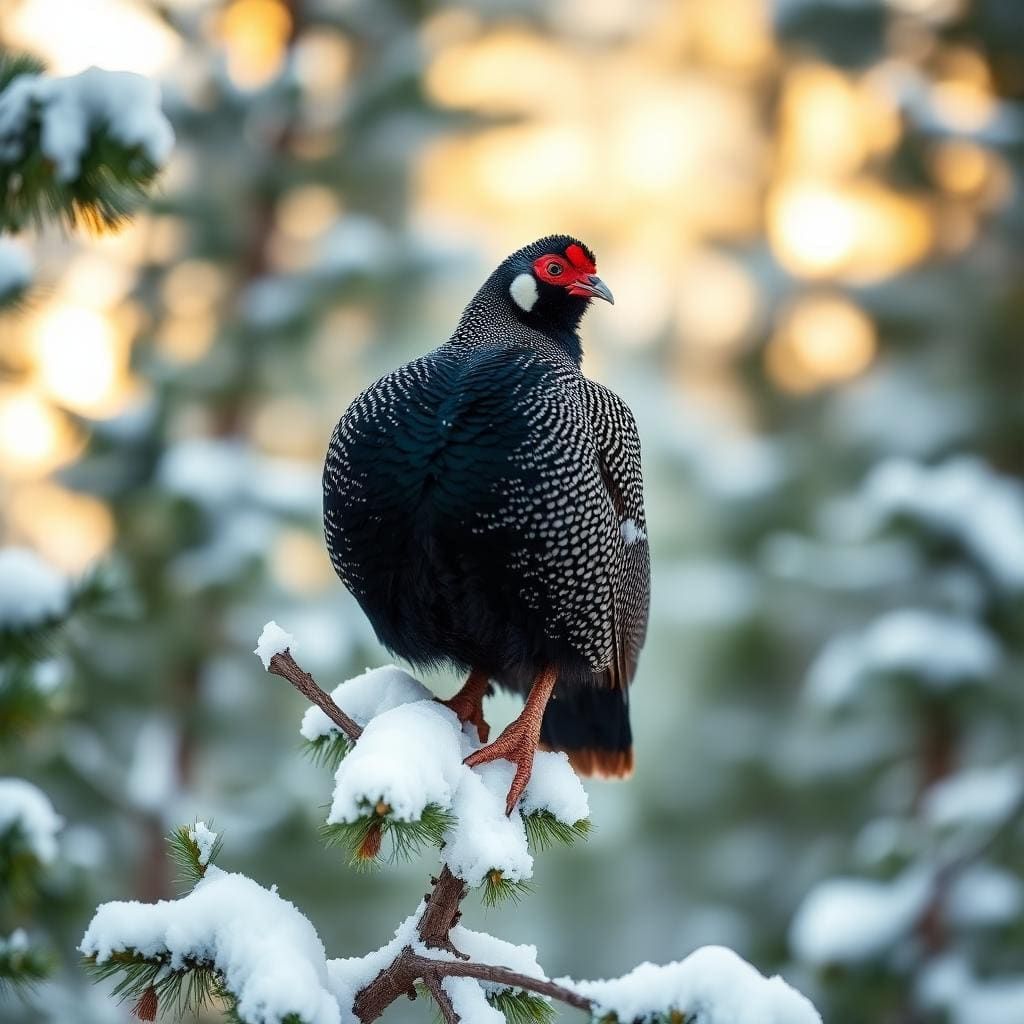
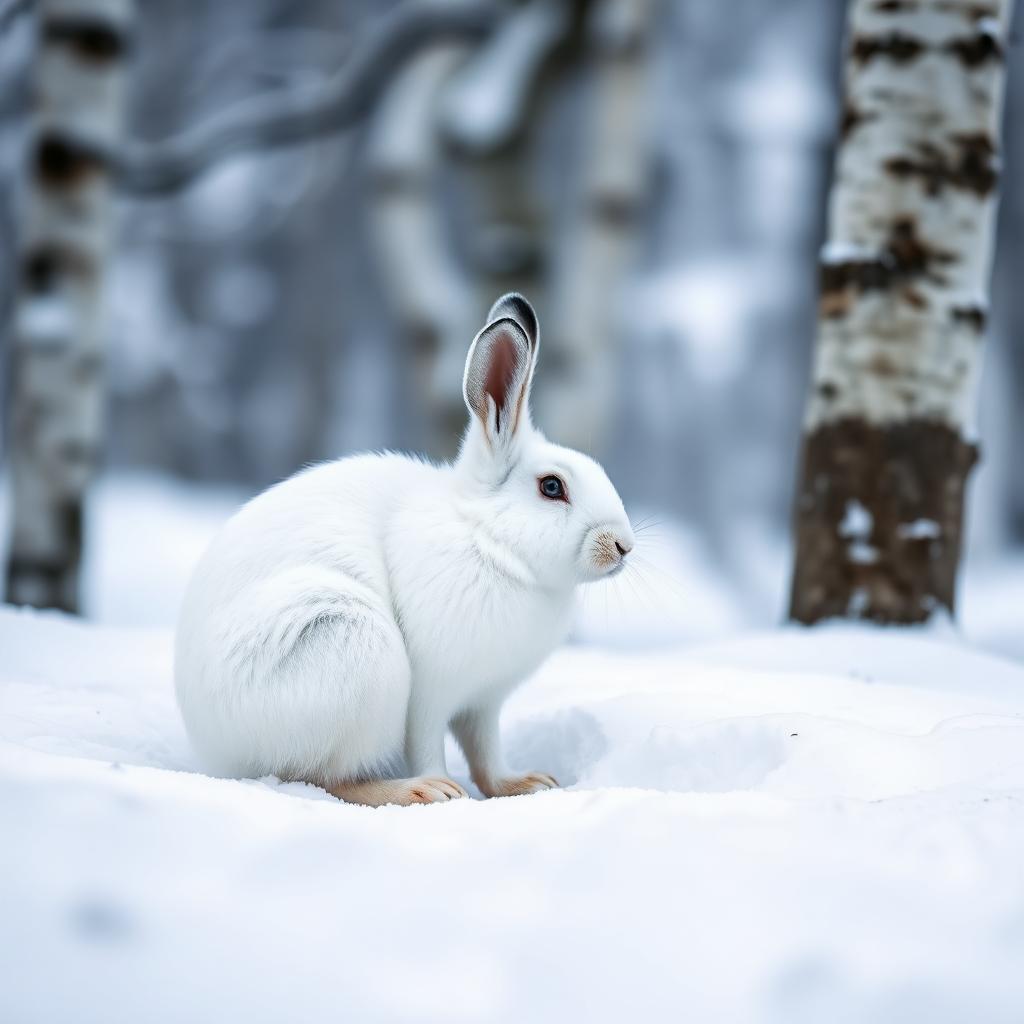
Winter pushes Zion's resident wildlife down from the snowbound high plateaus into the sheltered canyon floor. Mule deer herds graze openly along the banks of the Virgin River and through the open flats around Zion Lodge, barely bothered by the sparse winter foot traffic. Desert bighorn sheep are routinely spotted picking their way across the steep slickrock ledges along the Zion-Mount Carmel Highway on the east side of the park. Overhead, look for ravens riding thermal winds against sheer stone faces and the occasional bald eagle wintering along the riparian corridor. The lack of engine noise makes tracking wildlife far more natural than in summer.
Permits Closures and Logistics
Winter operations mean trimmed ranger services and specific seasonal road closures. The Kolob Terrace Road and Kolob Canyons scenic drive can close unexpectedly following heavy winter storms until snowplows clear the higher elevations. The Angels Landing permit lottery operates on its winter schedule, requiring online entry the day prior if you intend to cross the chained fin. Springdale sits immediately outside the southern gate with lodging and gear shops open, though several restaurants operate on reduced seasonal hours. Planning fuel, food, and layers in advance prevents unnecessary friction, especially since the sun dips below the canyon rim well before 4:00 PM.
Weather Windows and Hazards
Midwinter weather in southern Utah swings dramatically between crisp, cloudless bluebird afternoons and fast-moving storm fronts that blanket red slickrock in heavy wet snow. While sunny days feel pleasantly brisk on exposed south-facing slickrock, the freeze-thaw cycle introduces a silent, severe danger: rockfall and falling ice. Massive icicles and frozen conglomerate peel away from the towering canyon rims as the weak January sun warms the upper cliff bands, dropping debris directly onto footpaths below. Trail segments along Weeping Rock, the Emerald Pools, and Riverside Walk frequently face temporary closures due to overhead icefall hazards. Check conditions at the visitor center every morning before heading out.
How we picked
We built this ranking from trip reports, agency data, permit records, and our editors' own time on the ground. 10 places made the final cut out of a much longer working list, and each one had to clear the same set of criteria before it earned a spot.
- Quality of the terrain
- Landscape, route variety, and whether the place rewards multiple days rather than one overlook.
- Season and weather windows
- How long the reliable window is, and how badly the shoulder seasons punish a bad forecast.
- Access and permits
- Trailhead logistics, permit odds, quotas, and how much lead time a trip realistically takes.
- Solitude vs. crowding
- How far you have to walk before the place feels like wilderness instead of a queue.
- Wildlife and ecology
- What you can reasonably expect to see, and what you have to plan around.
- Risk and skill required
- Navigation, water crossings, exposure, and rescue distance — stated plainly.
Zion National Park — frequently asked questions
- Is Zion National Park worth the trip?
- We rank it #8 in US Destinations in January. Quiet trails and snow-dusted red rock; shuttles paused, drive the canyon.
- Who is Zion National Park best for?
- Best for winter landscape photography, solitary canyon hiking, self-guided scenic driving and drysuit slot canyon trekking. Standouts: personal vehicles permitted on zion canyon scenic drive while shuttles are dormant and vastly reduced crowd sizes compared to peak summer and autumn seasons.
- What are the drawbacks of Zion National Park?
- Severe ice hazards on exposed cliffside trails require traction cleats, Deep canyon walls block sunlight early, prompting swift temperature drops and High-elevation roads like Kolob Terrace face sudden snowstorm closures.
- What are the key details for Zion National Park?
- Location: Southwestern Utah, Washington and Kane Counties · January Weather: Highs around 52°F, lows around 29°F · Scenic Drive Access: Private vehicles permitted during shuttle hiatus · Primary Terrain: Deep sandstone canyons, slickrock, desert riparian · Elevation Range: 3,666 to 8,726 feet across park boundaries
- Canyon Floor Driving Access — what should I know about the Zion National Park?
- For most of the year, accessing the main canyon means queuing for packed park shuttles. In January, the shuttle fleet shuts down outside of specific holiday weekends, allowing private vehicles to travel the length of Zion Canyon Scenic Drive to the Temple of Sinawava.
- Navigating Ice on Exposed Trails — what should I know about the Zion National Park?
- Iconic trails like the Walter's Wiggles switchbacks up to Scout Lookout and the West Rim take on a serious edge once winter sets in. The shaded cliffs of the canyon bowl block winter sunlight, preserving slick sheets of hardpack snow and black ice across narrow ledges.
Where on earth
Satellite imagery flying in from a world view to Zion National Park, Utah, United States. Use the + / − buttons, or click the map to zoom with your scroll wheel; drag to pan and pinch to zoom on touch.
Zion National Park, Utah, USA · 37.298, -113.026
Wildlife found around Zion National Park




Compare side by side
Put the Zion National Park against any other pick on this list — specs, price, pros, cons and reader ratings.