



Reader rating
Rate it and you move it. Community ratings re-rank this product inside its Top 10 list.
Expert-picked, reader-ranked. Our editors choose the products and the launch order; member star ratings move picks up or down over time.
Glacier cruises, whales, and puffins in long daylight.
Pros
- Direct boat access to actively calving tidewater glaciers
- High-density sightings of marine mammals and seabird colonies
- Demanding day hike delivering unobstructed views of the Harding Icefield
- Long daylight hours maximize time on the water and trail
Cons
- Heavy coastal rainfall and maritime fog frequently cancel boat runs
- Road access is restricted to a single glacier terminus
- Commercial charter and water taxi costs run exceptionally high
Best uses
- Marine wildlife boat charters
- Multi-day wilderness sea kayaking
- Strenuous subalpine day hiking
- Glacial photography expeditions
Specifications
- Gateway Town
- Seward, Alaska
- Road Access
- Exit Glacier Road only
- Landscape Core
- Harding Icefield and marine fjords
- Prime Window
- Late June through early August
- Entrance Fee
- Free
- Primary Travel
- Commercial boat charter or sea kayak
Best for
Marine wildlife boat charters, Multi-day wilderness sea kayaking, Strenuous subalpine day hiking, Glacial photography expeditions
Most of Kenai Fjords is water and ice, pinned between the massive Harding Icefield and the open Gulf of Alaska. Unlike interior parks where you log miles on foot across vast trail networks, this landscape dictates travel by hull. The only road-accessible slice sits just outside Seward at Exit Glacier, serving as the terrestrial trailhead for the climb to the icefield rim. July represents the narrow annual window when the park operates at full capacity. Sea surface conditions stabilize relative to the violent shoulder seasons, migratory humpback whales settle into the feeding grounds of Aialik and Northwestern Fjords, and pelagic bird colonies crowd coastal cliffs. The weather remains volatile—driving rain and low ceilings can roll in on an hour's notice—but daytime temperatures hover in the manageable mid-50s to low-60s. Coming here requires understanding the logistical divide. You either pay the charter or tour boat premium to penetrate the tidewater glaciers where calving ice dominates the soundscape, or you content yourself with the steep, muddy, crowd-heavy hike up from the road corridor. It delivers true marine wilderness, provided you can stomach maritime cold, damp gear, and rough swells.
The Harding Icefield Ascent
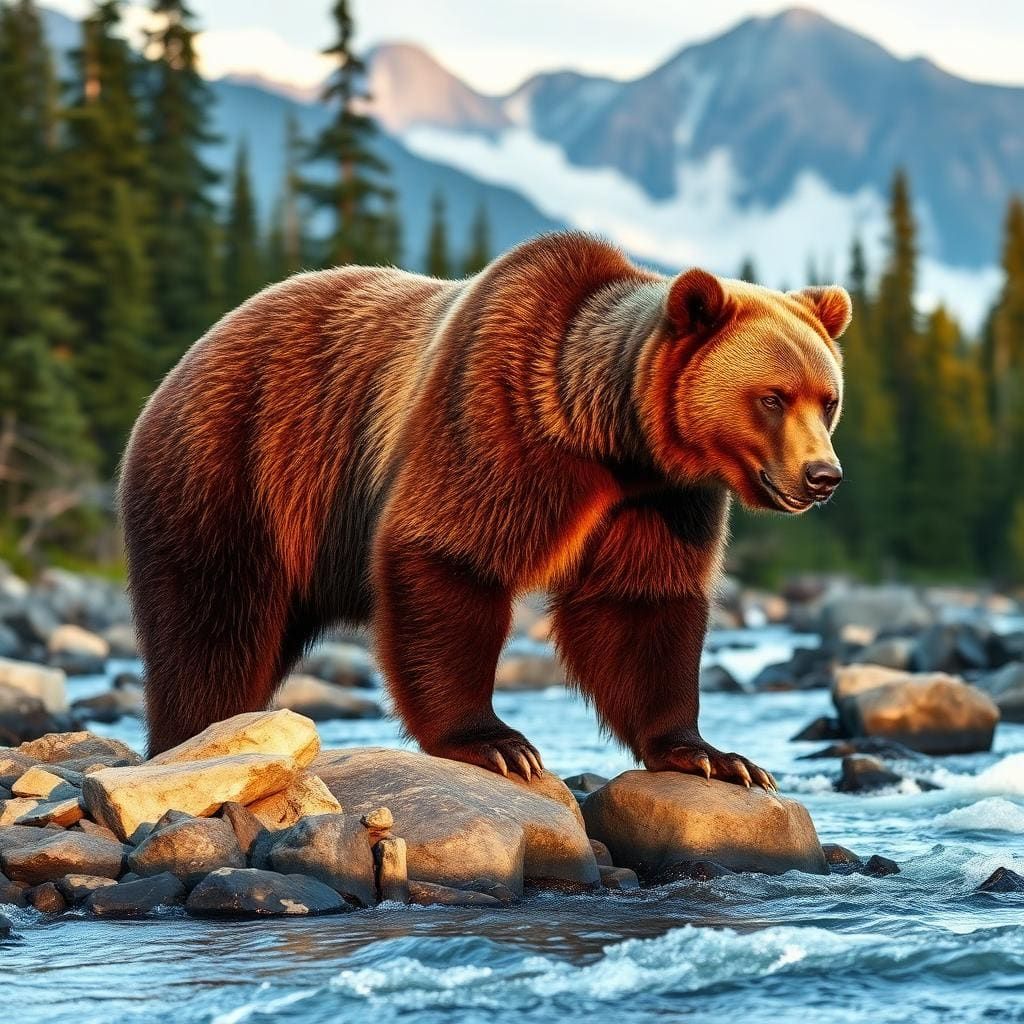
The 8.2-mile round-trip Harding Icefield Trail is the park's lone premier day hike, gaining over 3,000 feet of vertical relief from the valley floor. Starting in dense cottonwood and alder, the trail breaks into alpine tundra before topping out at an overlook of ice stretching thirty miles to the horizon. In early July, expect significant snowpack on the upper third of the route; gaiters, trekking poles, and traction devices often make the difference between a controlled traverse and an uncontrolled glissade. Black bears graze subalpine slopes alongside the trail with routine indifference to hikers, demanding disciplined food storage and situational awareness. Weather shifts violently at the rim, where katabatic winds spilling off the ice cap drop air temperatures twenty degrees within minutes.
Navigating the Marine Fjords
The true heart of the park lies beyond the road system in the glacially carved waters of Resurrection Bay, Aialik Bay, and Northwestern Fjord. Reaching these tidewater faces requires either a commercial tour vessel, private water taxi, or multi-day sea kayaking expedition. July offers the calmest seas of the summer, yet outer-coast swells regularly test sea legs. Glaciers like Aialik and Holgate thunder continuously as house-sized blocks of ice calve into saltwater, generating localized surge waves that dictate extreme standoff distances for paddlers. Kayakers need wet or dry suits, cold-water rescue skills, and bear barrels for beach camps, as escape routes are nonexistent once dropped onto isolated cobble shores.
July Wildlife Dynamics
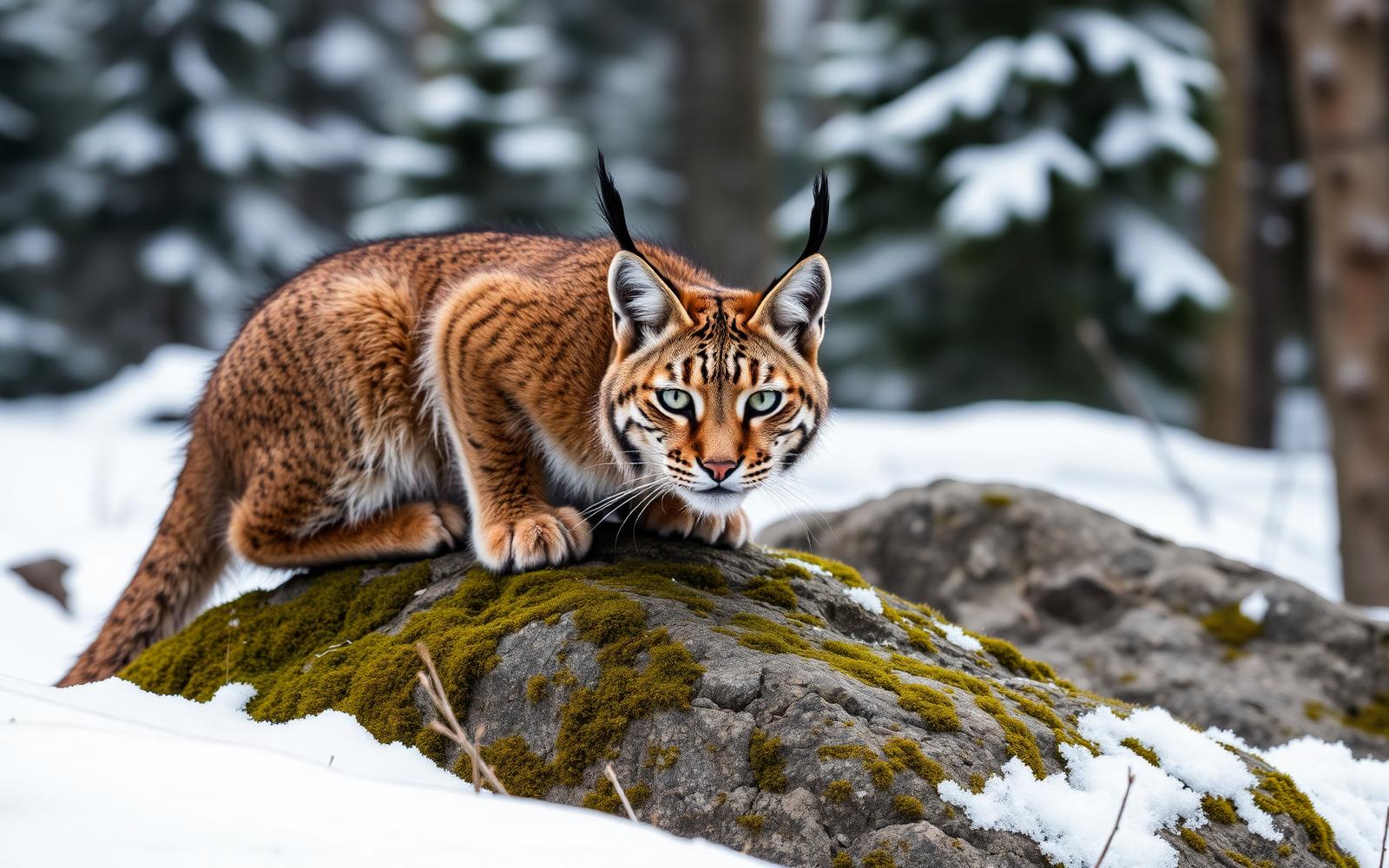
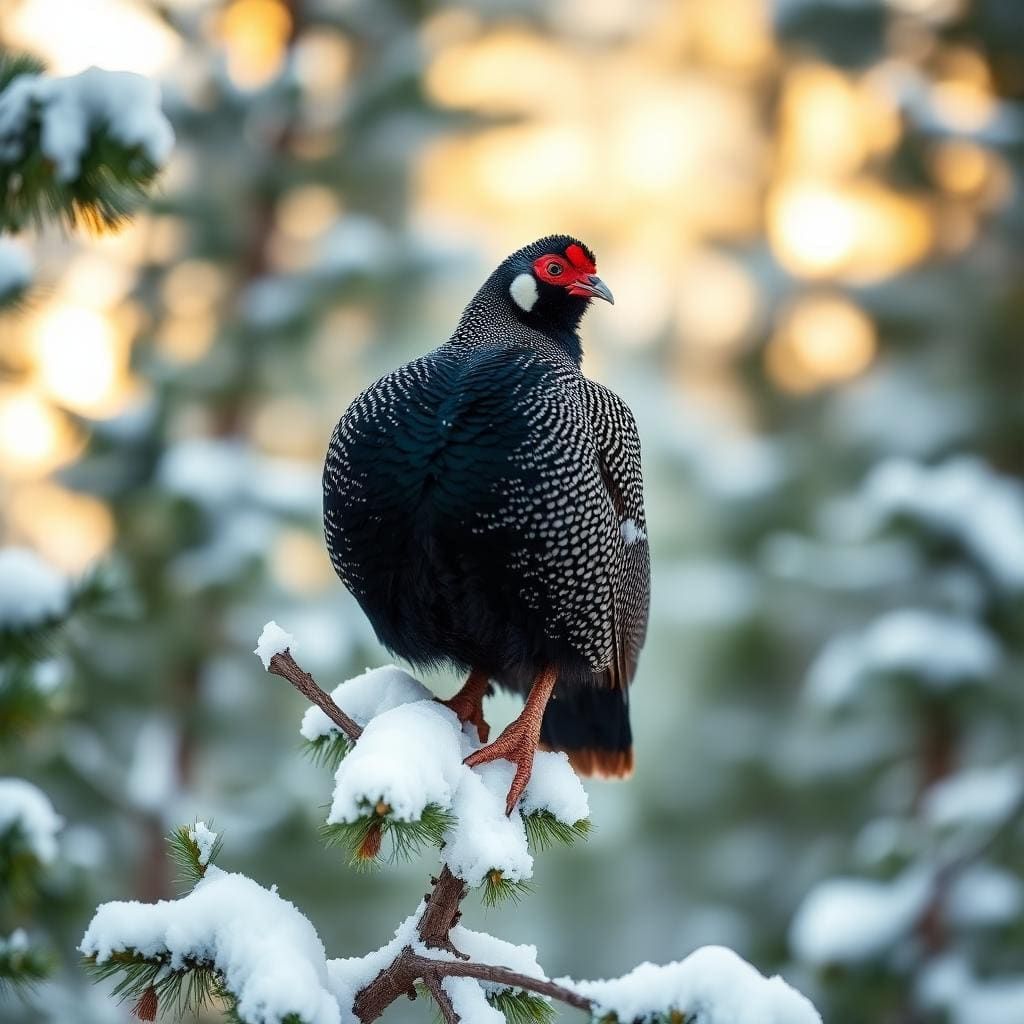
Wildlife density peaks in midsummer across both marine and terrestrial zones. Coastal boat transits pass sheer rock islands swarming with thousands of horned and tufted puffins, common murres, and black-legged kittiwakes nesting above sea level. Humpback whales and resident orcas patrol the deep fjord channels, feeding on schooling herring and salmon runs heading toward glacial rivers. Along rocky shorelines and floating ice floes, harbor seals pup and haul out alongside rafts of sea otters. On land, mountain goats cling to sheer cliffs above tidewater, while black bears forage coastal sedge meadows. Spotting animals requires quality marine binoculars and waterproof glass, as salt spray and persistent mist challenge optics daily.
Logistics and Camp Planning
Seward operates as the operational staging ground for almost every trip into the park, connected to Anchorage via the Seward Highway and Alaska Railroad. July brings maximum tourist density to the harbor, meaning charters, lodging, and rental vehicles must be secured months ahead. Within the park, designated terrestrial camping is limited to a small walk-in tent area near Exit Glacier; all other camping is backcountry wilderness. Marine campers must coordinate water taxi drop-offs and pick-ups with rigid tide awareness, as extreme tidal swings can swallow gravel bars or trap landing craft. Self-reliance is non-negotiable: satellite communication devices are mandatory gear, as cell coverage vanishes the moment your boat clears the harbor breakwater.
Weather Realities and Gear Demands
Do not let July high temperatures lull you into packing light. Coastal maritime weather here is defined by sudden low-pressure systems tracking out of the North Pacific, dumping inches of rain and driving wind against the coastal ranges. Waterproof-breathable outerwear must be bombproof three-layer shell construction, as continuous drizzle will saturate budget membranes within hours. Hypothermia remains a tangible summer risk when temperatures sit around fifty degrees Fahrenheit in driving rain on open boat decks. Pack wool or synthetic midlayers, neoprene gloves for paddling, and heavy-duty dry bags for every scrap of gear inside your pack. Expect gray skies; when the sun does break, the light reflecting off tidewater ice is intensely blinding.
How we picked
We built this ranking from trip reports, agency data, permit records, and our editors' own time on the ground. 10 places made the final cut out of a much longer working list, and each one had to clear the same set of criteria before it earned a spot.
- Quality of the terrain
- Landscape, route variety, and whether the place rewards multiple days rather than one overlook.
- Season and weather windows
- How long the reliable window is, and how badly the shoulder seasons punish a bad forecast.
- Access and permits
- Trailhead logistics, permit odds, quotas, and how much lead time a trip realistically takes.
- Solitude vs. crowding
- How far you have to walk before the place feels like wilderness instead of a queue.
- Wildlife and ecology
- What you can reasonably expect to see, and what you have to plan around.
- Risk and skill required
- Navigation, water crossings, exposure, and rescue distance — stated plainly.
Kenai Fjords National Park — frequently asked questions
- Is Kenai Fjords National Park worth the trip?
- We rank it #7 in US Destinations in July. Glacier cruises, whales, and puffins in long daylight.
- Who is Kenai Fjords National Park best for?
- Best for marine wildlife boat charters, multi-day wilderness sea kayaking, strenuous subalpine day hiking and glacial photography expeditions. Standouts: direct boat access to actively calving tidewater glaciers and high-density sightings of marine mammals and seabird colonies.
- What are the drawbacks of Kenai Fjords National Park?
- Heavy coastal rainfall and maritime fog frequently cancel boat runs, Road access is restricted to a single glacier terminus and Commercial charter and water taxi costs run exceptionally high.
- What are the key details for Kenai Fjords National Park?
- Gateway Town: Seward, Alaska · Road Access: Exit Glacier Road only · Landscape Core: Harding Icefield and marine fjords · Prime Window: Late June through early August · Entrance Fee: Free
- The Harding Icefield Ascent — what should I know about the Kenai Fjords National Park?
- 2-mile round-trip Harding Icefield Trail is the park's lone premier day hike, gaining over 3,000 feet of vertical relief from the valley floor. Starting in dense cottonwood and alder, the trail breaks into alpine tundra before topping out at an overlook of ice stretching thirty miles to the horizon.
- Navigating the Marine Fjords — what should I know about the Kenai Fjords National Park?
- The true heart of the park lies beyond the road system in the glacially carved waters of Resurrection Bay, Aialik Bay, and Northwestern Fjord. Reaching these tidewater faces requires either a commercial tour vessel, private water taxi, or multi-day sea kayaking expedition.
Where on earth
Satellite imagery flying in from a world view to Kenai Fjords National Park, Alaska, United States. Use the + / − buttons, or click the map to zoom with your scroll wheel; drag to pan and pinch to zoom on touch.
Kenai Fjords National Park, Seward, AK 99664, USA · 59.849, -150.188
Wildlife found around Kenai Fjords National Park


Compare side by side
Put the Kenai Fjords National Park against any other pick on this list — specs, price, pros, cons and reader ratings.