



Reader rating
Rate it and you move it. Community ratings re-rank this product inside its Top 10 list.
Expert-picked, reader-ranked. Our editors choose the products and the launch order; member star ratings move picks up or down over time.
Warmest month on the island; backpacking the Greenstone Ridge.
Pros
- Pristine wilderness isolation with minimal crowd density
- Comfortable July daytime temperatures avoiding mainland heat waves
- High probability of close moose encounters along trails and bays
- Well-designed network of lakeside backcountry shelters
Cons
- Intense black fly and mosquito pressure throughout mid-summer
- Costly and weather-dependent ferry or floatplane transportation
- Zero resupply options or cell coverage across the interior
Best uses
- Multi-day ridgeline backpacking
- Remote wilderness canoe portaging
- Moose and loon photography
- Unplugged wilderness self-reliance
Specifications
- Location
- Lake Superior, Michigan
- Access
- Passenger ferry or seaplane only
- Trail Network
- 165 miles of maintained backcountry trails
- July Temperatures
- Highs 70°F to 75°F, lows around 50°F
- Permit System
- Free backcountry permit issued on arrival
- Campground Style
- First-come, first-served tent pads and shelters
Best for
Multi-day ridgeline backpacking, Remote wilderness canoe portaging, Moose and loon photography, Unplugged wilderness self-reliance
Isolated in the northwest corner of Lake Superior, Isle Royale is an anomaly among American national parks. Accessible only by passenger ferry, charter boat, or seaplane, it receives fewer visitors in an entire season than Yellowstone sees on a single July morning. The island runs 45 miles long by 9 miles wide, carved into parallel volcanic ridges and long fjord-like bays by ancient glaciation. July is the island's warmest month and the premier window to visit, though mainland-style heat never touches this latitude. Lake Superior's cold expanse keeps daytime temperatures hovering comfortably in the low 70s on interior ridges, dipping into the brisk 50s after dark. Dense boreal spruce, fir, and birch forests are vibrant, while sheltered inland lakes finally warm enough for a quick swim after strenuous trail days. The logistical commitment to get here filters out casual tourists. Backpackers and canoeists find a rare degree of pure self-reliance across its interior, navigating exposed bedrock slabs, beaver-flooded swamps, and primitive backcountry camps where all water must be filtered, wildlife respected, and every mistake carried out on your back.
Terrain and Wilderness Character
The island topography is defined by parallel bedrock ridges running northeast to southwest, shaped by ancient basalt flows and polished smooth by continental glaciers. Hiking the spine means navigating the Greenstone Ridge Trail, which delivers sweeping views across Lake Superior punctuated by sudden drops into boggy lowlands and cedar swamps. Footing is notoriously technical. Lichen-crusted basalt slabs become slick when wet, and dense networks of exposed tree roots across the forest floor punish tired joints. Inland lakes like Siskiwit and Richie offer calm paddling conduits, but trail mileage feels noticeably harder than standard Midwestern topography suggests. Backpackers climb and drop several hundred feet across successive rock ribs each day, carrying a full load of food and backcountry gear with zero resupply opportunities.
July Conditions and Insects
July offers the most reliable weather window on Lake Superior, but that generosity is accompanied by fierce biting insects. Daytime temperatures hover in the low 70s on interior ridges, while shoreline campsites catch cool lake breezes that can drop readings into the 40s after dark. Dense fog banks frequently roll off the open water with little warning, dropping visibility and soaking gear without an actual rain shower. Black flies and mosquitoes reach their seasonal peak in early to mid-July, particularly around swampy inland crossings and low-lying trail junctions. A head net, permethrin-treated layers, and reliable repellent are mandatory survival tools rather than optional accessories. By late July, bug pressure gradually abates, making the final two weeks of the month the premier window for long traverses.
Wolves, Moose, and Wildlife
The dynamic between wolves and moose on Isle Royale is one of the most thoroughly studied predator-prey relationships on earth. With roughly two dozen wolves and over a thousand moose inhabiting the roadless island, encounters with moose are virtually guaranteed. Hikers regularly encounter them feeding on aquatic vegetation in shallow bays or standing placidly on narrow singletrack through birch thickets. Cow moose with summer calves require wide berths and deliberate detours into the brush to avoid defensive charges. Wolf sightings remain exceptionally rare due to their skittish nature, but nightfall frequently brings spine-chilling howls echoing across inland waters like Lake Ojibway and Lake Desor. Smaller residents, notably bold red squirrels and foxes that scavenge poorly secured gear at shelters, demand meticulous camp hygiene.
The Greenstone Ridge Route
The 40-mile Greenstone Ridge Trail is the crown jewel backpacking traverse, bisecting the island from Windigo on the southwest harbor to Rock Harbor on the northeast tip. Hikers generally tackle the route over four to five days, staying at designated backcountry campgrounds situated roughly eight to ten miles apart. The high point at Mount Desor offers expansive views across the inland canopy out toward Canada's Ontario shoreline, while side spurs drop to sheltered inland lakes. Because the trail sticks to the dry, exposed volcanic spine for long stretches, carrying adequate water between camps is paramount; ridgeline water sources are practically nonexistent. Descending into valley gaps yields welcome relief, pristine lakeside lean-tos, and solitary loon calls echoing in the dusk.
Access, Logistics, and Shelters
Logistics require meticulous planning months ahead. Transportation to the island is limited to passenger ferries operating out of Houghton and Copper Harbor, Michigan, or Grand Portage, Minnesota, alongside Isle Royale Seaplanes flights from Houghton and Grand Marais. Backcountry camping permits are free and issued upon arrival, operating on a first-come, first-served basis rather than reservations. Campsites feature designated tent pads, wilderness outhouses, and occasional historic three-sided wooden shelters screen-fronted against insects. Because shelters cannot be reserved and must be shared if space allows, carrying a freestanding tent or tarptent is non-negotiable. There is zero trash service on the island; every scrap of packaging, hygiene waste, and broken gear must ride back across Lake Superior in your pack.
Inland Canoeing and Sea Kayaking
Isle Royale is exceptional on foot, but experienced paddlers experience an entirely different park along its convoluted coastlines and inland portage routes. Long, finger-like barrier islands around Rock Harbor protect sea kayakers from Lake Superior's notorious open-water swell, offering secluded camping on outer spits. Inland canoe routes stitch together chains of deep, clear lakes via historic portage paths maintained by park crews. Carrying a canoe over rocky ridges between lakes like McCargoe Cove, Chickenbone, and Richie tests shoulders, but rewards you with water access to prime moose territory closed to powerboats. Lake Superior’s open water remains lethally cold year-round, making drysuits, marine radios, and conservative route decisions essential for anyone paddling outside protected harbors.
How we picked
We built this ranking from trip reports, agency data, permit records, and our editors' own time on the ground. 10 places made the final cut out of a much longer working list, and each one had to clear the same set of criteria before it earned a spot.
- Quality of the terrain
- Landscape, route variety, and whether the place rewards multiple days rather than one overlook.
- Season and weather windows
- How long the reliable window is, and how badly the shoulder seasons punish a bad forecast.
- Access and permits
- Trailhead logistics, permit odds, quotas, and how much lead time a trip realistically takes.
- Solitude vs. crowding
- How far you have to walk before the place feels like wilderness instead of a queue.
- Wildlife and ecology
- What you can reasonably expect to see, and what you have to plan around.
- Risk and skill required
- Navigation, water crossings, exposure, and rescue distance — stated plainly.
Isle Royale National Park — frequently asked questions
- Is Isle Royale National Park worth the trip?
- We rank it #8 in US Destinations in July. Warmest month on the island; backpacking the Greenstone Ridge.
- Who is Isle Royale National Park best for?
- Best for multi-day ridgeline backpacking, remote wilderness canoe portaging, moose and loon photography and unplugged wilderness self-reliance. Standouts: pristine wilderness isolation with minimal crowd density and comfortable july daytime temperatures avoiding mainland heat waves.
- What are the drawbacks of Isle Royale National Park?
- Intense black fly and mosquito pressure throughout mid-summer, Costly and weather-dependent ferry or floatplane transportation and Zero resupply options or cell coverage across the interior.
- What are the key details for Isle Royale National Park?
- Location: Lake Superior, Michigan · Access: Passenger ferry or seaplane only · Trail Network: 165 miles of maintained backcountry trails · July Temperatures: Highs 70°F to 75°F, lows around 50°F · Permit System: Free backcountry permit issued on arrival
- Terrain and Wilderness Character — what should I know about the Isle Royale National Park?
- The island topography is defined by parallel bedrock ridges running northeast to southwest, shaped by ancient basalt flows and polished smooth by continental glaciers. Hiking the spine means navigating the Greenstone Ridge Trail, which delivers sweeping views across Lake Superior punctuated by sudden drops into boggy…
- July Conditions and Insects — what should I know about the Isle Royale National Park?
- July offers the most reliable weather window on Lake Superior, but that generosity is accompanied by fierce biting insects. Daytime temperatures hover in the low 70s on interior ridges, while shoreline campsites catch cool lake breezes that can drop readings into the 40s after dark.
Where on earth
Satellite imagery flying in from a world view to Isle Royale National Park, Michigan, United States. Use the + / − buttons, or click the map to zoom with your scroll wheel; drag to pan and pinch to zoom on touch.
Isle Royale National Park, Michigan, USA · 47.996, -88.909
Wildlife found around Isle Royale National Park


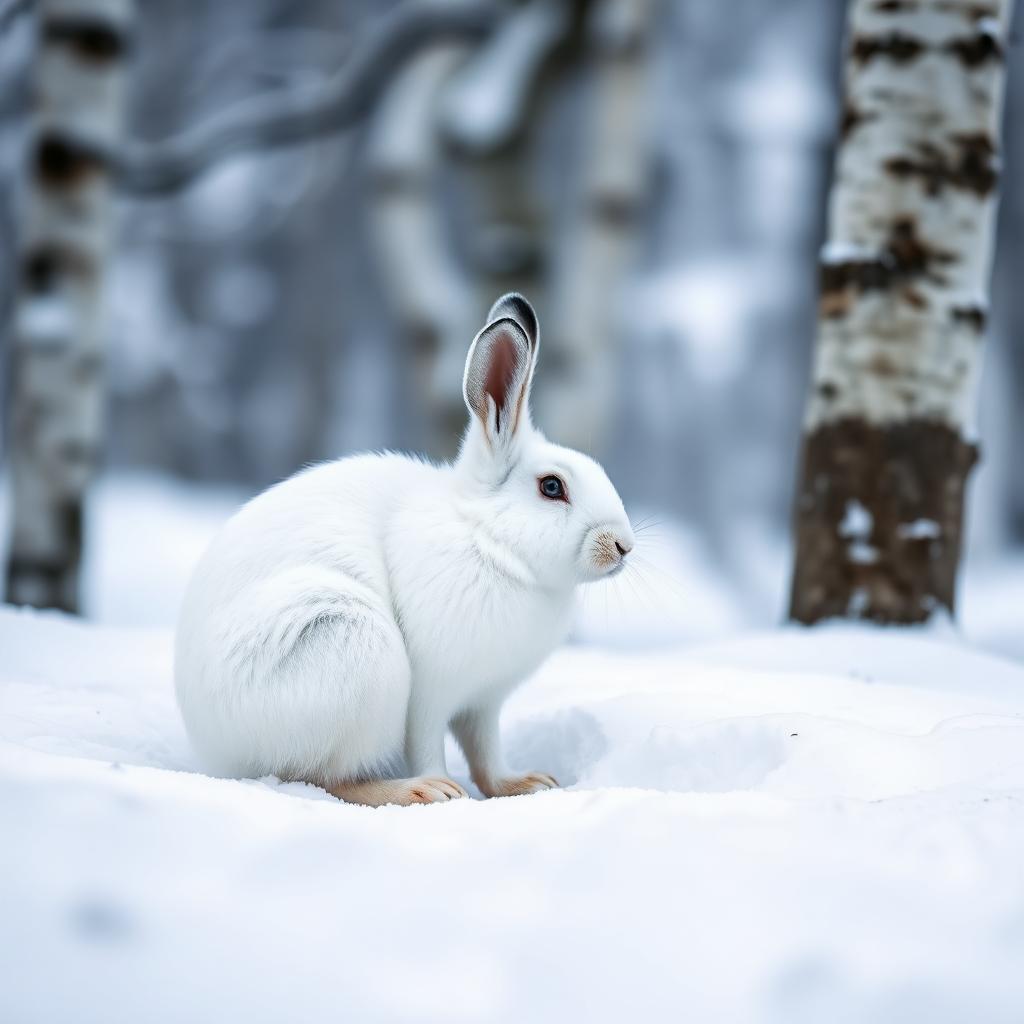
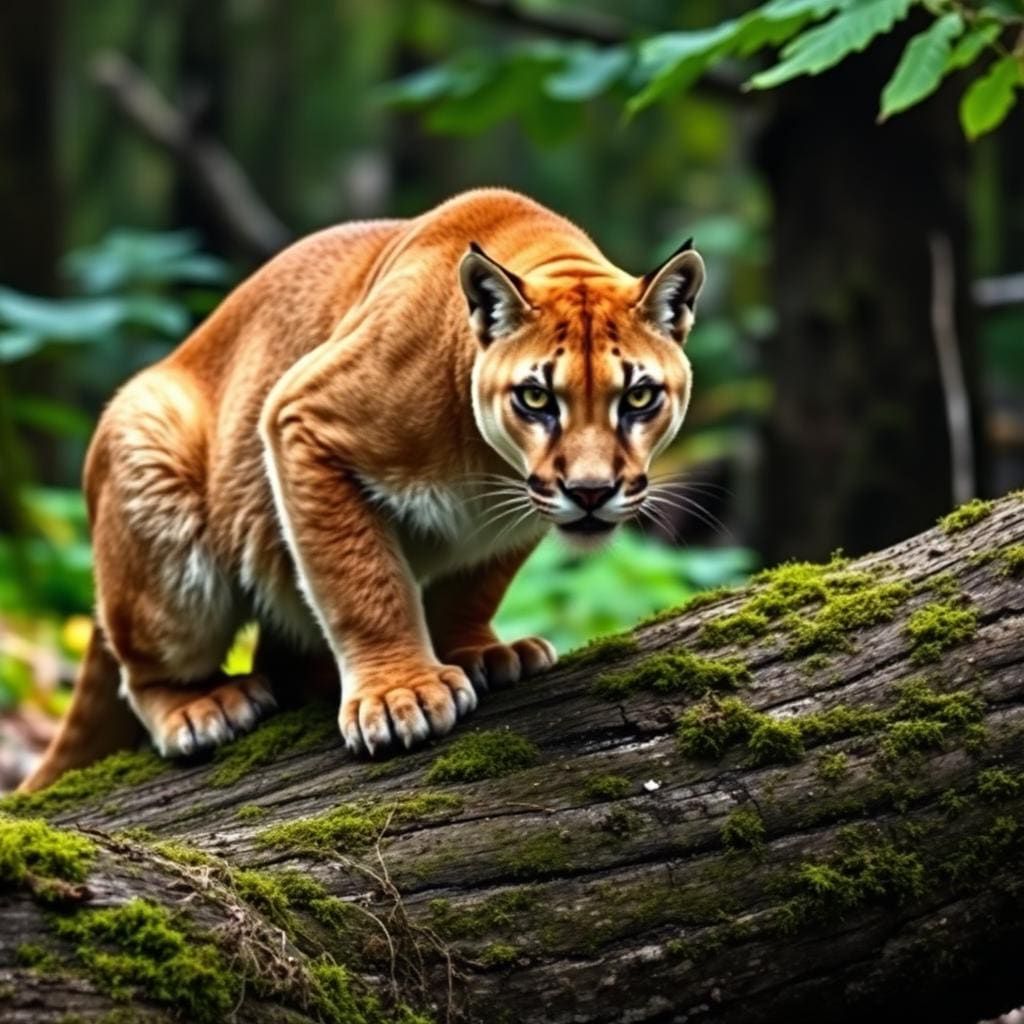
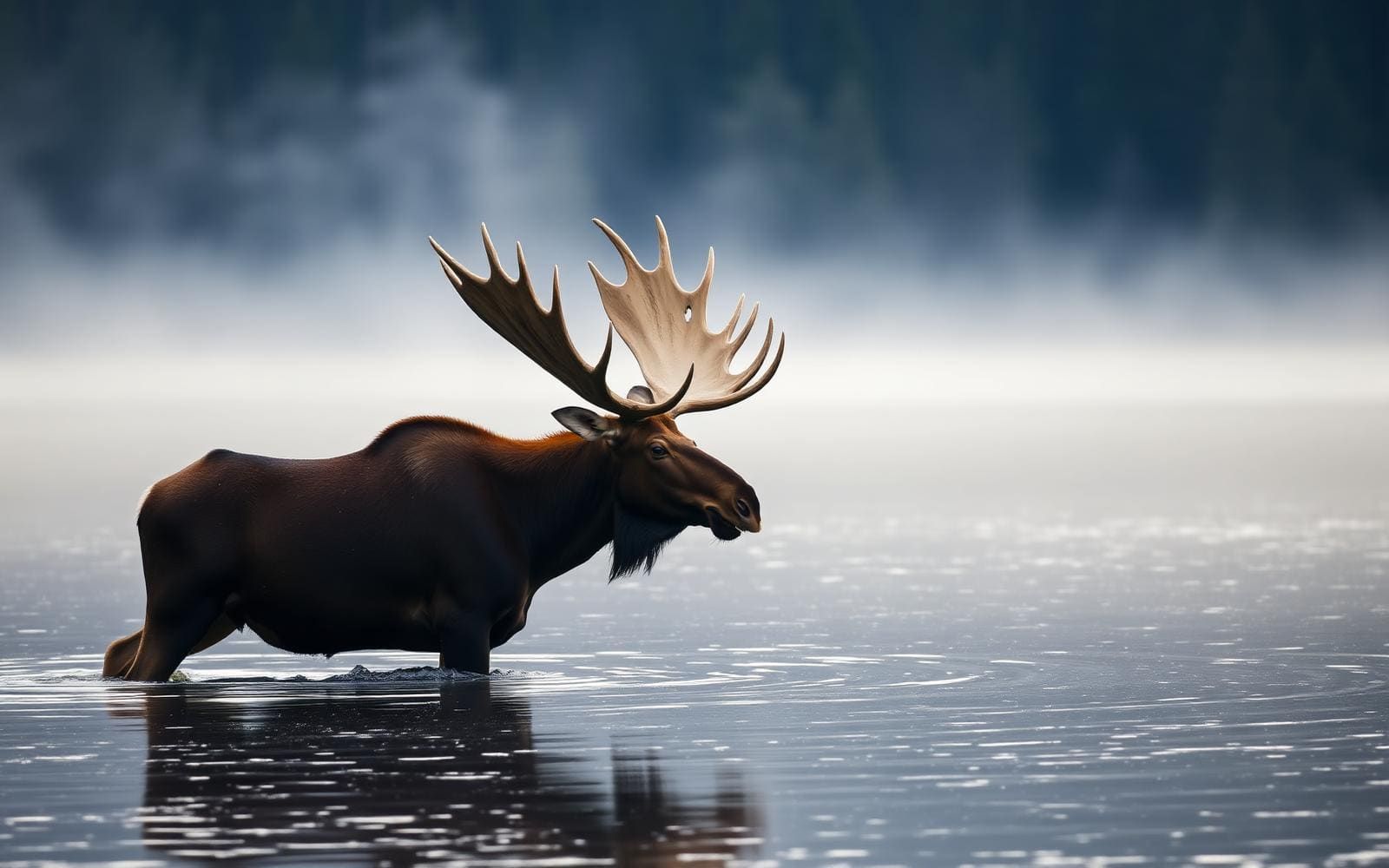
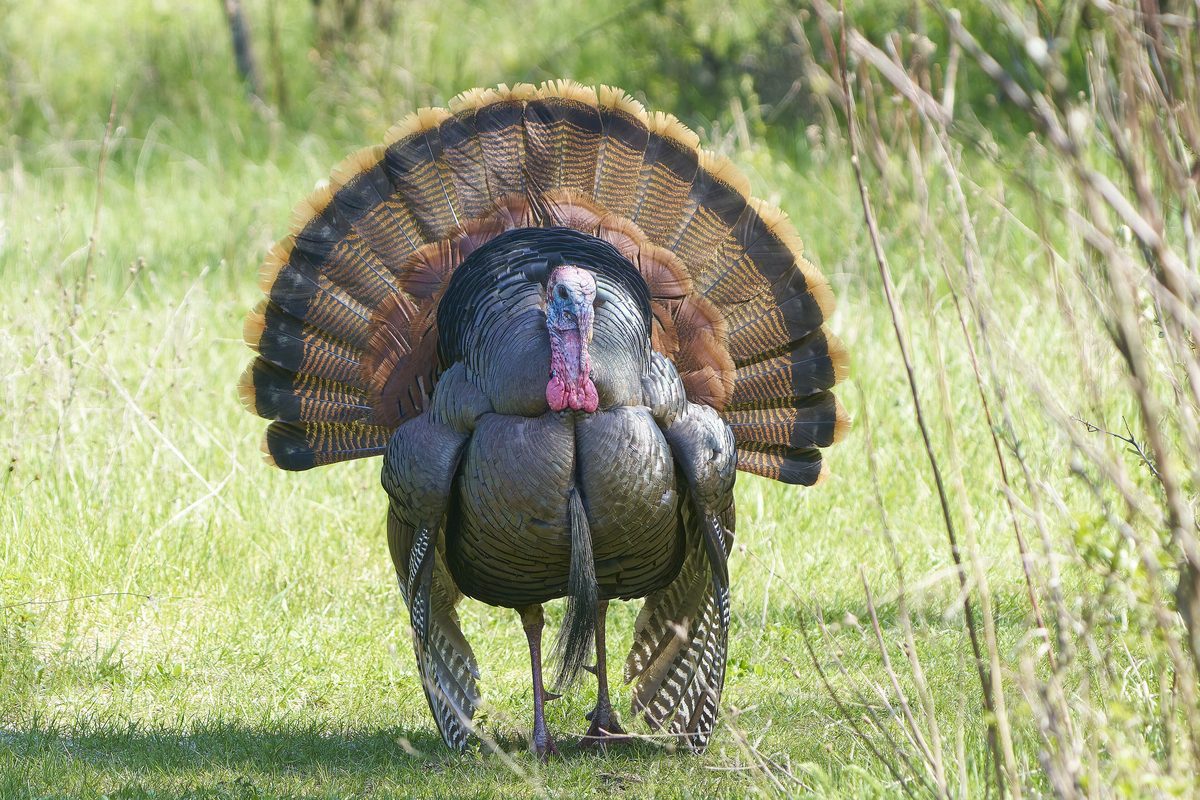
Compare side by side
Put the Isle Royale National Park against any other pick on this list — specs, price, pros, cons and reader ratings.