



Reader rating
Rate it and you move it. Community ratings re-rank this product inside its Top 10 list.
Expert-picked, reader-ranked. Our editors choose the products and the launch order; member star ratings move picks up or down over time.
Wildflower blooms in wet years; final cool climbing weeks.
Pros
- Peak friction and optimal ambient temperatures for climbing and bouldering
- Widespread spring wildflower blooms across lower elevations in wet years
- Comfortable daytime temperatures for strenuous cross-country day hikes
- Clear, exceptionally dark night skies ideal for stargazing before summer dust
Cons
- Extreme campground competition and heavy traffic along main park corridors
- Zero natural water availability requires hauling every liter from outside
- Substantial temperature swings from afternoon warmth to near-freezing nights
Best uses
- Traditional climbing and bouldering
- Spring wildflower photography
- Strenuous shoulder-season day hikes
- Self-contained backcountry trekking
Specifications
- Location
- Southern California
- March Highs
- 65°F to 75°F
- March Lows
- 38°F to 45°F
- Park Size
- 792,623 acres
- Primary Terrain
- Monzogranite rock formations and arid desert scrub
- Entry Fee
- $30 per vehicle or valid Interagency Pass
Best for
Traditional climbing and bouldering, Spring wildflower photography, Strenuous shoulder-season day hikes, Self-contained backcountry trekking
Sitting at the ecological collision zone between the high Mojave and low Colorado deserts, Joshua Tree encompasses nearly 800,000 acres of weathered quartz monzonite and spiky yucca forests. March represents the park at its absolute peak operating capacity. Winter's biting gale begins to settle into daytime temperatures hovering in the comfortable mid-60s to low-70s, making it the premier window for technical rock climbing, bouldering, and cross-country desert treks before triple-digit heat locks down the basin by late May. The trade-off for this pristine climate is human density. March coincides with peak climbing season, southern California spring break travelers, and potential desert wildflower displays along the southern washes if winter rains delivered adequate moisture. Campgrounds book out months in advance, and trailheads along Park Boulevard routinely bottleneck by mid-morning. You do not visit the park in early spring expecting absolute solitude at the roadside attractions. Out in the backcountry, however, the landscape still commands full self-sufficiency. Water sources are nonexistent, and the granitic sands swallow footprints fast. Approached with realistic expectations regarding campground availability and traffic, March offers the ideal balance of friction on the rock, tolerable sun exposure, and crisp, star-filled night skies.
Geological Convergence and Terrain
Joshua Tree straddles two distinct desert ecosystems defined primarily by elevation. The eastern and southern sectors fall within the low Colorado Desert, an arid expanse below 3,000 feet dominated by creosote bush, ocotillo, and the dense stands of the Cholla Cactus Garden. Moving west and climbing past 3,000 feet brings you into the cooler, wetter Mojave Desert, where the park's namesake yucca trees thrive amidst monolithic piles of monzogranite. These surreal rock stacks formed underground over a hundred million years ago through molten magma intrusions, later shaped into smooth, fractured boulders by groundwater erosion and subsequent surface weathering. Navigating this terrain requires steady footwork; the coarse granite crystals shred gear and skin, while washes provide deceptive navigation corridors that look identical under the midday sun.
March Weather and Blooms
March is arguably the most dynamic meteorological window of the year in the Mojave. After months of sub-freezing winter gusts, daytime ambient temperatures stabilize into an ideal range between 65 and 75 degrees Fahrenheit, though winds can still lash exposed ridges with little warning. If fall and winter brought sustained precipitation, late February into March triggers an explosive bloom of desert gold, lupine, and Canterbury bells that starts in the lower elevations near Cottonwood and slowly creeps up into the high plateau. Even without a historic superbloom, the Joshua trees themselves often begin pushing out heavy, creamy-white blossoms from their branch tips. Despite daytime warmth, radiant heat loss drops overnight temperatures into the 30s rapidly once the sun slips behind the Little San Bernardino Mountains.
Routes and Granite Classics
For climbers and scramblers, March is prime friction season. The gritty surface of Hidden Valley, Real Hidden Valley, and the Wonderland of Rocks offers legendary grip before rock surfaces become scorching to the touch in April. Bouldering circuits around Barker Dam and Cap Rock see continuous daytime action, but hikers have plenty of non-technical objectives. Ryan Mountain delivers a punishing 1,000-foot vertical stair-climb across 1.5 miles, rewarding hikers with panoramic vistas across the Lost Horse and Queen valleys. For extended miles, the Boy Scout Trail traverses eight miles of rugged terrain between the Indian Cove backcountry and the high desert interior, winding through boulder mazes, pinyon pines, and vast alluvial fans without the dense roadside vehicular congestion.
Desert Wildlife Activity
As ambient temperatures climb, the park shakes off its winter dormancy. Reptiles begin emerging to bask on sun-warmed rocks; side-blotched lizards and western whiptails are ubiquitous, while Southern Pacific and Mojave rattlesnakes start moving during the warm afternoons. The federally threatened desert tortoise emerges from its underground burrows during March to feed on tender annual wildflowers and greens, making deliberate driving essential on all paved access roads. Higher up along the rocky crags of the Wonderland or near 49 Palms Oasis, desert bighorn sheep occasionally descend to drink from residual seeps. Birders also find prime conditions as migratory species navigate the Pacific Flyway, mingling with permanent desert residents like cactus wrens, loggerhead shrikes, and greater roadrunners stalking insects along the scrub fringes.
Permits Logistics and Crowds
Managing crowds is the single greatest hurdle of visiting in March. Developed campgrounds such as Hidden Valley and Ryan operate on first-come, first-served footings and usually fill by Wednesday morning, while reservable sites across Jumbo Rocks and Black Rock book up six months out. If you lack reservations, prepare to utilize private campgrounds along Highway 62 or dispersed BLM land north and south of the park boundaries. Backcountry camping requires self-registration at designated backcountry boards; while no quotas currently restrict dispersed camping, you must pitch tents at least one mile from any road and five hundred feet from trails. Every drop of water must be carried in, as natural springs are scarce, fragile wildlife lifelines, and strictly off-limits for human consumption.
Navigation and Safety Realities
The Mojave Desert presents deceptive hazards that catch casual tourists off-guard every spring. Cell phone reception drops out entirely across most of the interior road corridors and backcountry zones, making paper topographical maps and dedicated satellite communicators necessary tools rather than optional backups. Even in moderate March temperatures, the dry air rapidly dehydrates the body; the park guideline of carrying at least one gallon of water per person per day remains fully active. Footwear demands thick soles and protective uppers to ward off stray cactus spines, particularly jumping cholla segments that easily spear through lightweight trail runners. Flash storms can also convert dry washes into impassable torrents within minutes, requiring campers to avoid setting shelters in low-lying depressions.
How we picked
We built this ranking from trip reports, agency data, permit records, and our editors' own time on the ground. 10 places made the final cut out of a much longer working list, and each one had to clear the same set of criteria before it earned a spot.
- Quality of the terrain
- Landscape, route variety, and whether the place rewards multiple days rather than one overlook.
- Season and weather windows
- How long the reliable window is, and how badly the shoulder seasons punish a bad forecast.
- Access and permits
- Trailhead logistics, permit odds, quotas, and how much lead time a trip realistically takes.
- Solitude vs. crowding
- How far you have to walk before the place feels like wilderness instead of a queue.
- Wildlife and ecology
- What you can reasonably expect to see, and what you have to plan around.
- Risk and skill required
- Navigation, water crossings, exposure, and rescue distance — stated plainly.
Joshua Tree National Park — frequently asked questions
- Is Joshua Tree National Park worth the trip?
- We rank it #10 in US Destinations in March. Wildflower blooms in wet years; final cool climbing weeks.
- Who is Joshua Tree National Park best for?
- Best for traditional climbing and bouldering, spring wildflower photography, strenuous shoulder-season day hikes and self-contained backcountry trekking. Standouts: peak friction and optimal ambient temperatures for climbing and bouldering and widespread spring wildflower blooms across lower elevations in wet years.
- What are the drawbacks of Joshua Tree National Park?
- Extreme campground competition and heavy traffic along main park corridors, Zero natural water availability requires hauling every liter from outside and Substantial temperature swings from afternoon warmth to near-freezing nights.
- What are the key details for Joshua Tree National Park?
- Location: Southern California · March Highs: 65°F to 75°F · March Lows: 38°F to 45°F · Park Size: 792,623 acres · Primary Terrain: Monzogranite rock formations and arid desert scrub
- Geological Convergence and Terrain — what should I know about the Joshua Tree National Park?
- Joshua Tree straddles two distinct desert ecosystems defined primarily by elevation. The eastern and southern sectors fall within the low Colorado Desert, an arid expanse below 3,000 feet dominated by creosote bush, ocotillo, and the dense stands of the Cholla Cactus Garden.
- March Weather and Blooms — what should I know about the Joshua Tree National Park?
- March is arguably the most dynamic meteorological window of the year in the Mojave. After months of sub-freezing winter gusts, daytime ambient temperatures stabilize into an ideal range between 65 and 75 degrees Fahrenheit, though winds can still lash exposed ridges with little warning.
Where on earth
Satellite imagery flying in from a world view to Joshua Tree National Park, California, United States. Use the + / − buttons, or click the map to zoom with your scroll wheel; drag to pan and pinch to zoom on touch.
Joshua Tree National Park, California, USA · 33.873, -115.901
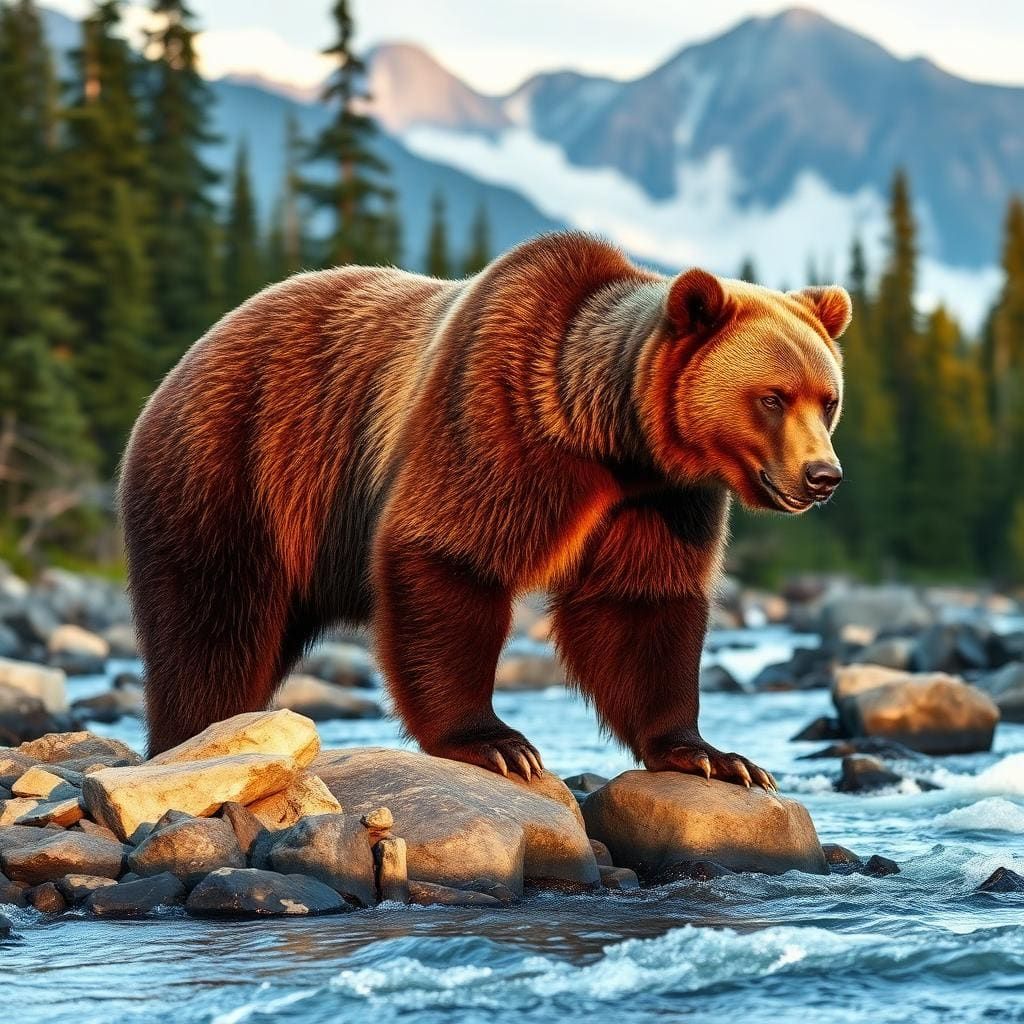
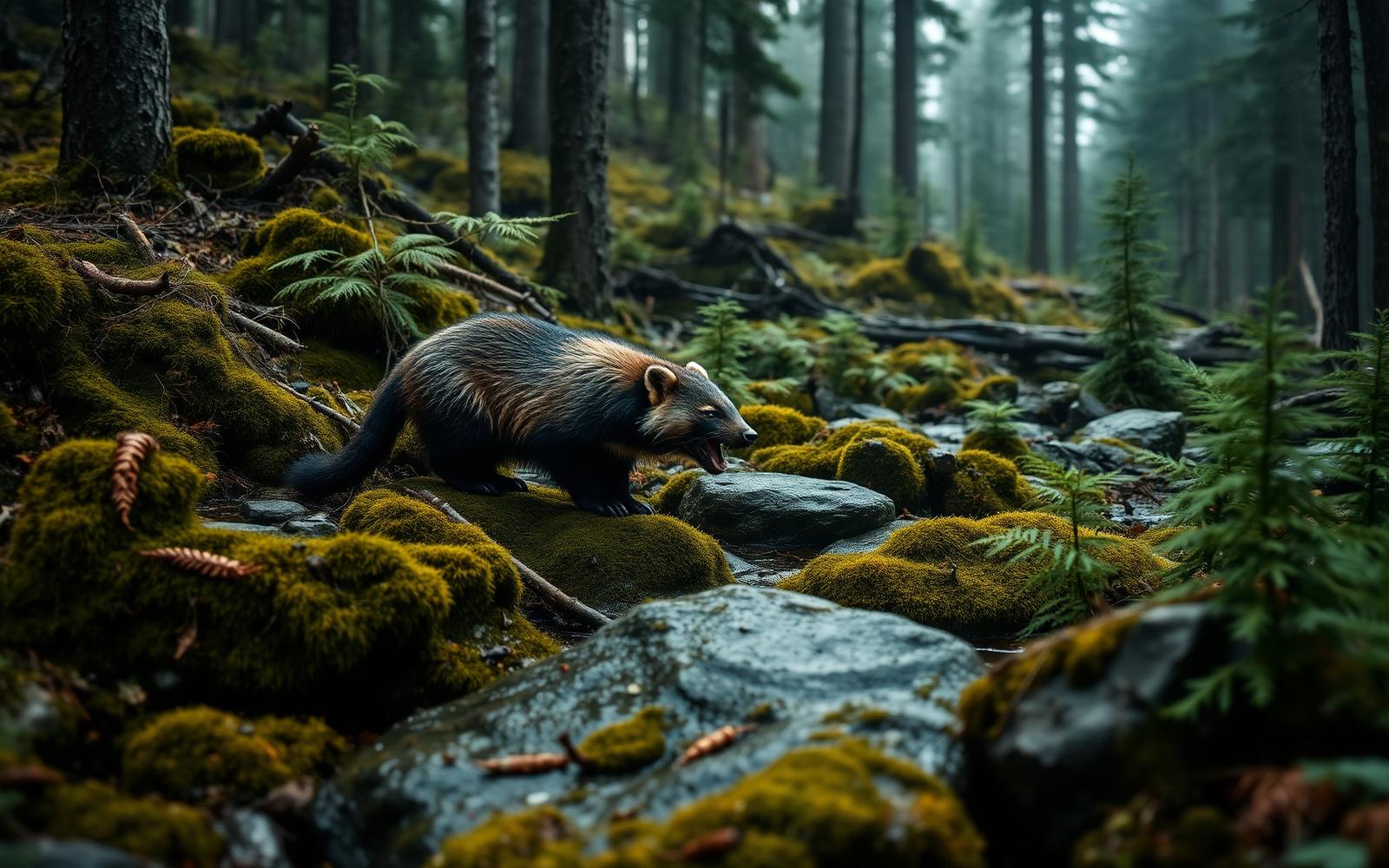
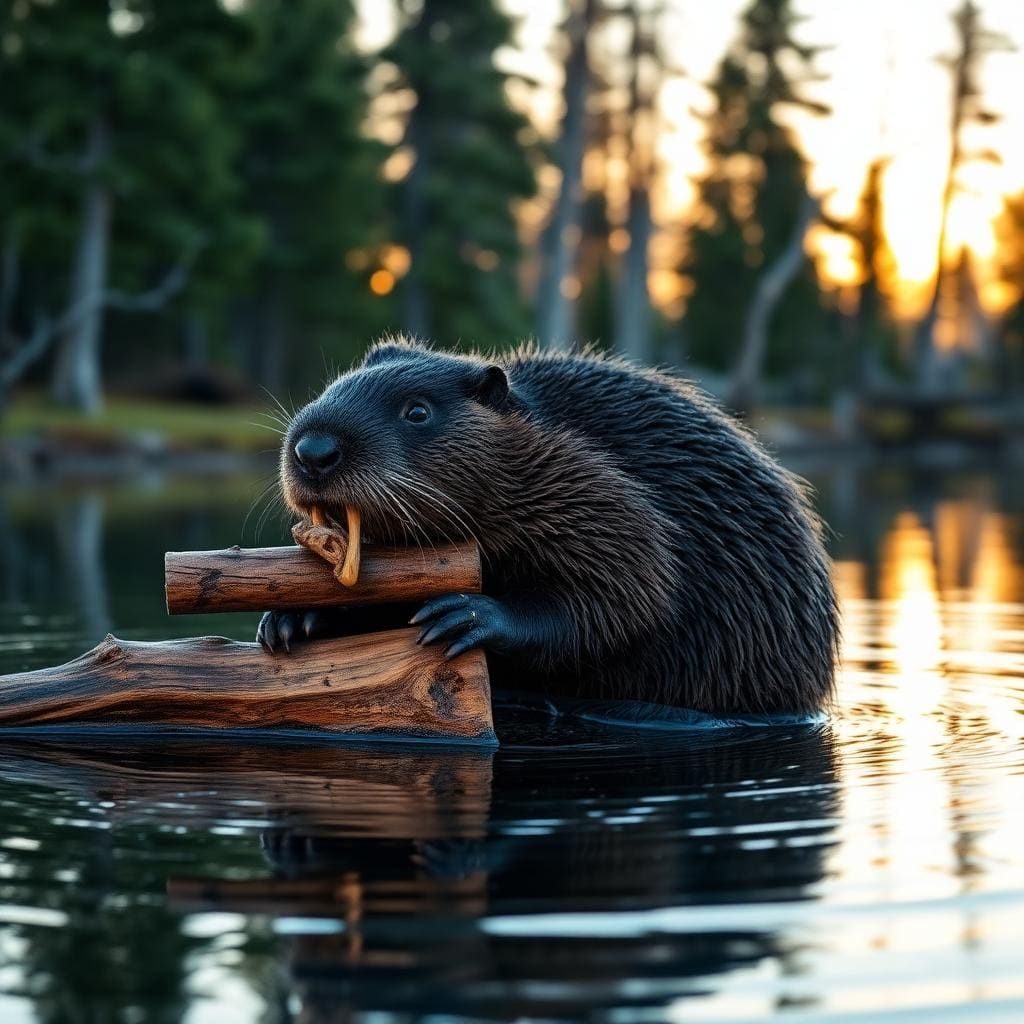
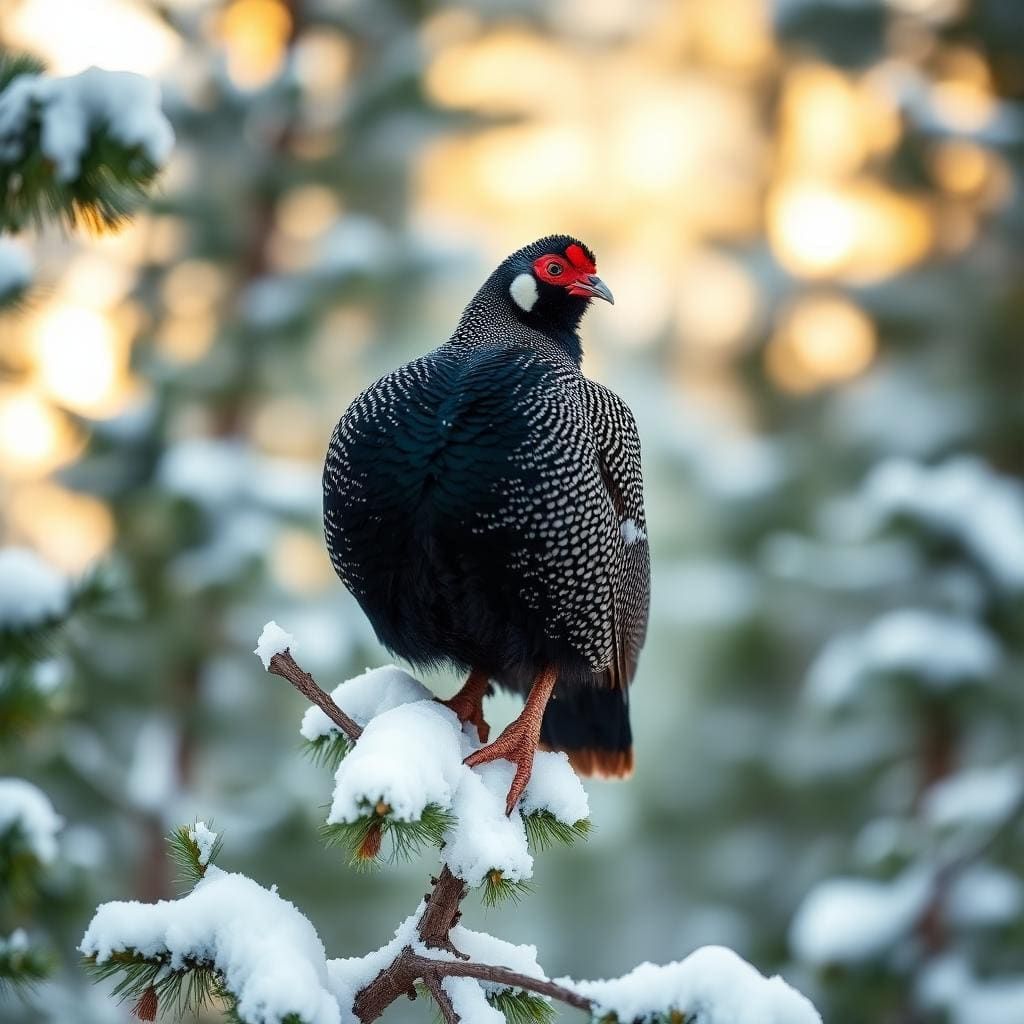
Wildlife found around Joshua Tree National Park



Compare side by side
Put the Joshua Tree National Park against any other pick on this list — specs, price, pros, cons and reader ratings.