



Reader rating
Rate it and you move it. Community ratings re-rank this product inside its Top 10 list.
Expert-picked, reader-ranked. Our editors choose the products and the launch order; member star ratings move picks up or down over time.
Alligators active, bugs still light, blackwater paddling at its best.
Pros
- Minimal biting insects before the late-spring hatch begins
- Peak alligator basking activity along open canal banks
- Exceptional solitude with strict wilderness campsite limits
- World-class dark skies at Stephen C. Foster State Park
Cons
- Backcountry chickee permits sell out months ahead for March
- Open water prairies present brutal headwinds during spring fronts
- Water levels can fluctuate and cause grounded boats in dry years
Best uses
- Multi-day wilderness canoe packing
- Early season bird photography
- Remote platform chickee camping
- Quiet flatwater kayak exploration
Specifications
- Location
- Southeastern Georgia
- Primary Gateways
- Folkston (East) and Fargo (West)
- Terrain
- Blackwater marsh, peat beds, and cypress swamp
- March Temperatures
- Highs 70-75°F, Lows 45-52°F
- Camping Style
- Chickee platforms and upland hammock islands
- Permit Requirement
- Required for all backcountry overnight stays
Best for
Multi-day wilderness canoe packing, Early season bird photography, Remote platform chickee camping, Quiet flatwater kayak exploration
Spanning over 400,000 acres across the Georgia-Florida border, Okefenokee is a vast peat-filled wetland that ranks among North America's most intact primitive wildernesses. It is an evocative labyrinth of tannic blackwater trails, cypress stands draped in Spanish moss, and wide expanses of open water known locally as prairies. In March, this ecosystem hits its brief annual prime, offering visitors optimal conditions before summer's suffocating humidity and torrential afternoon storms close in. March brings crisp mornings followed by daytime highs in the low 70s, making all-day paddling across exposed water both comfortable and safe. The swamp's alligators emerge from their winter torpor to bask on sunlit mudflats and floating peat batteries, while returning neotropical songbirds and nesting sandhill cranes fill the cypress canopies with constant movement. Critically, the suffocating clouds of biting yellow flies and mosquitoes that plague the swamp from May through October have yet to emerge. Paddling here demands focus and methodical planning. Overnight wilderness travelers sleep on roofed wooden platforms anchored directly into the swamp bed, miles from dry terra firma. Between navigating narrow boat runs marked only by weathered PVC pipes and tracking unpredictable spring frontal winds, Okefenokee delivers a backcountry paddling experience that feels utterly detached from the modern world.
Navigating Blackwater Trails
Paddling the interior of Okefenokee requires sharp orientation skills and an eye for changing water levels. The refuge features roughly 120 miles of marked water trails carving through dense shrub thickets and vast, lily-choked prairies like Chesser and Grand Prairie. The water is clean but intensely tannic, taking on the color of steeped black tea over white sand and deep peat layers. While the trail system is designated by color codes and numbered posts, shifting peat masses known as batteries can detach from the bottom and temporarily block established runs. A low-profile touring kayak or solo canoe handles the tight turns through cypress knees far better than a tandem loaded down with gear. Staying upright is essential, as the shorelines are soft, saturated muck that cannot support human weight.
The Early Spring Window
March represents the narrow shoulder season where Okefenokee is at its most forgiving. Average daily highs hover around 72 degrees Fahrenheit, with overnight lows dipping into the mid-to-upper 40s. These temperatures keep insect activity remarkably low; you will encounter occasional gnats, but the biting deerflies, yellow flies, and heavy mosquito hatches of summer remain dormant. However, spring weather across southern Georgia is dynamic. Passing cold fronts can push sustained 15-to-20-knot winds across the wide-open prairies, turning placid water into choppy headwinds that slow canoe progress to a crawl. Pack dependable wind layers and secure all gear in waterproof dry bags, as paddling into a stiff northerly blow across Chase Prairie will tax even seasoned paddlers over an eight-mile stretch.
Wildlife and Alligator Encounters
Wildlife observation in late winter and early spring is exceptional. As cold nights yield to afternoon sun, the American alligator population becomes intensely visible along every canal and prairie margin. It is routine to pass dozens of mature gators sprawled on logs and mudbanks, soaking up radiant heat. Refuge regulations require maintaining a minimum distance of fifteen feet, and unprovoked aggression is rare if you keep moving steadily and avoid sudden paddle slaps. Overhead, the birding is equally compelling. Barred owls call back and forth across the mossy cypress tops through midday, while greater sandhill cranes execute courtship displays in the shallow marsh flats. Watch the waterline for river otters, white ibis probing the shallows, and the occasional Florida black bear foraging on upland islands.
The Chickee Platform Experience
Overnight wilderness trips in the swamp offer a unique logistical setup: elevated wooden platforms, known locally as chickees. Because true dry land is scarce outside of a few isolated islands like Floyds Island, paddlers sleep on covered timber platforms built on pilings above the water. Each chickee platform accommodates only one permit party per night, guaranteeing complete isolation once the sun sets. The structures feature a roofed wooden deck and an adjacent chemical toilet, but zero running water. You must pack in every drop of drinking water for the duration of the trip, calculating at least one gallon per person per day. Setting up free-standing tents requires clever use of cordage or specialized deck anchors, as hammering stakes into the wooden decking is strictly prohibited.
Access Points and Permitting
Two main hubs serve as the gateway to the backcountry: the Suwannee Canal Recreation Area on the east side near Folkston, and Stephen C. Foster State Park on the west side near Fargo. The eastern entrance offers direct access to the sweeping prairies and historic canal cuts, while the western side leads quickly into the flooded cypress forests along Billys Lake and the headwaters of the Suwannee River. Backcountry overnight permits must be booked through Recreation.gov and can be fiercely competitive for peak March weekends. Permits are issued for specific directional itineraries to keep groups moving in single-file progression through the interior. Day paddlers face fewer bureaucratic hurdles and can easily rent canoes or launch private watercraft directly from the boat ramps at either gateway.
How we picked
We built this ranking from trip reports, agency data, permit records, and our editors' own time on the ground. 10 places made the final cut out of a much longer working list, and each one had to clear the same set of criteria before it earned a spot.
- Quality of the terrain
- Landscape, route variety, and whether the place rewards multiple days rather than one overlook.
- Season and weather windows
- How long the reliable window is, and how badly the shoulder seasons punish a bad forecast.
- Access and permits
- Trailhead logistics, permit odds, quotas, and how much lead time a trip realistically takes.
- Solitude vs. crowding
- How far you have to walk before the place feels like wilderness instead of a queue.
- Wildlife and ecology
- What you can reasonably expect to see, and what you have to plan around.
- Risk and skill required
- Navigation, water crossings, exposure, and rescue distance — stated plainly.
Okefenokee Swamp — frequently asked questions
- Is Okefenokee Swamp worth the trip?
- We rank it #9 in US Destinations in March. Alligators active, bugs still light, blackwater paddling at its best.
- Who is Okefenokee Swamp best for?
- Best for multi-day wilderness canoe packing, early season bird photography, remote platform chickee camping and quiet flatwater kayak exploration. Standouts: minimal biting insects before the late-spring hatch begins and peak alligator basking activity along open canal banks.
- What are the drawbacks of Okefenokee Swamp?
- Backcountry chickee permits sell out months ahead for March, Open water prairies present brutal headwinds during spring fronts and Water levels can fluctuate and cause grounded boats in dry years.
- What are the key details for Okefenokee Swamp?
- Location: Southeastern Georgia · Primary Gateways: Folkston (East) and Fargo (West) · Terrain: Blackwater marsh, peat beds, and cypress swamp · March Temperatures: Highs 70-75°F, Lows 45-52°F · Camping Style: Chickee platforms and upland hammock islands
- Navigating Blackwater Trails — what should I know about the Okefenokee Swamp?
- Paddling the interior of Okefenokee requires sharp orientation skills and an eye for changing water levels. The refuge features roughly 120 miles of marked water trails carving through dense shrub thickets and vast, lily-choked prairies like Chesser and Grand Prairie.
- The Early Spring Window — what should I know about the Okefenokee Swamp?
- March represents the narrow shoulder season where Okefenokee is at its most forgiving. Average daily highs hover around 72 degrees Fahrenheit, with overnight lows dipping into the mid-to-upper 40s.
Where on earth
Satellite imagery flying in from a world view to Okefenokee Swamp, Georgia, United States. Use the + / − buttons, or click the map to zoom with your scroll wheel; drag to pan and pinch to zoom on touch.
Okefenokee Swamp, Georgia, USA · 30.667, -82.333
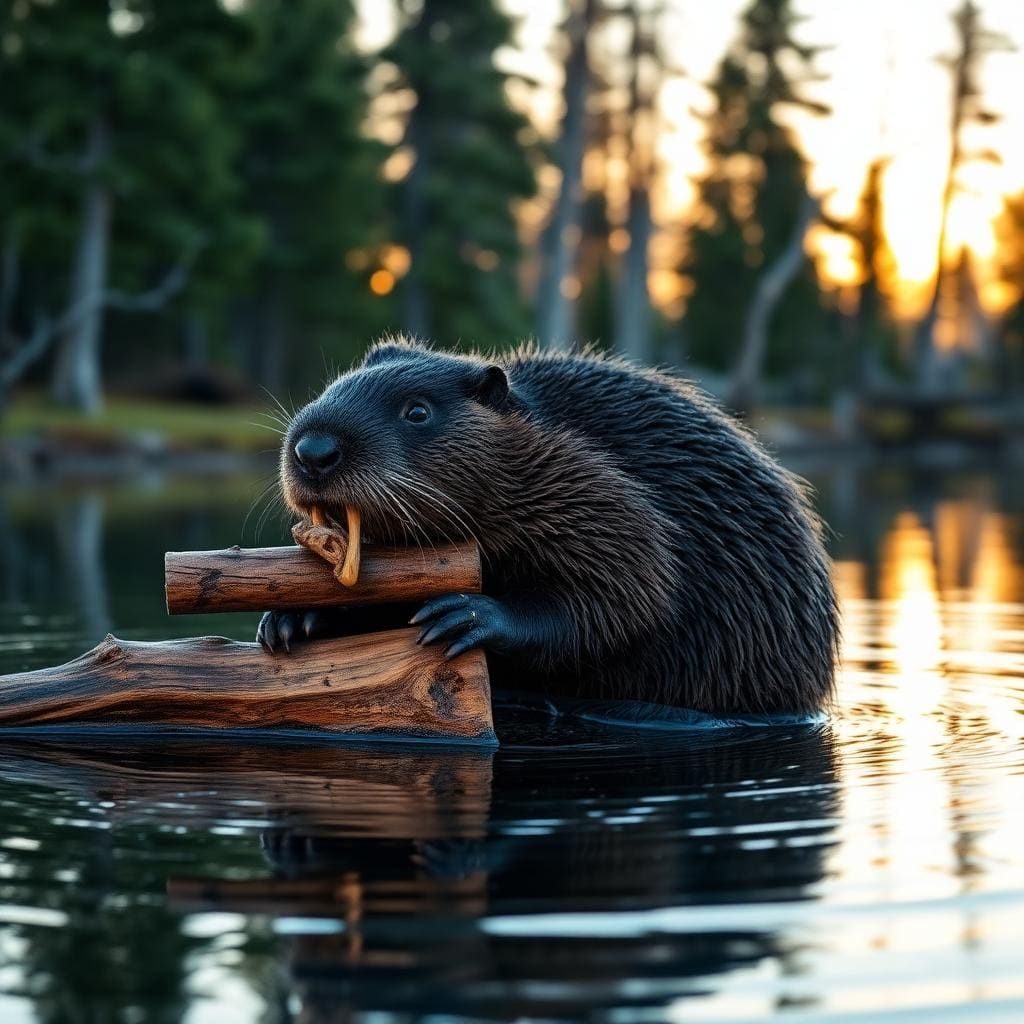
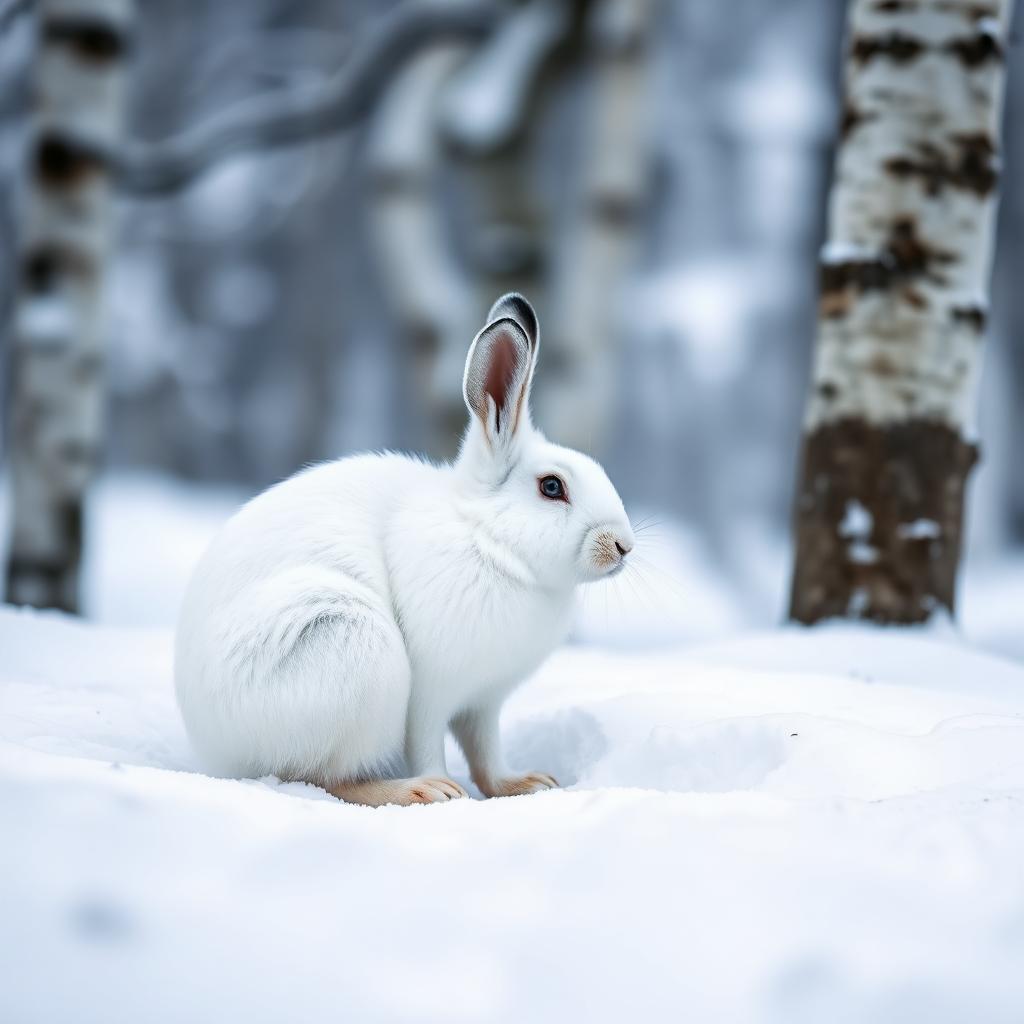
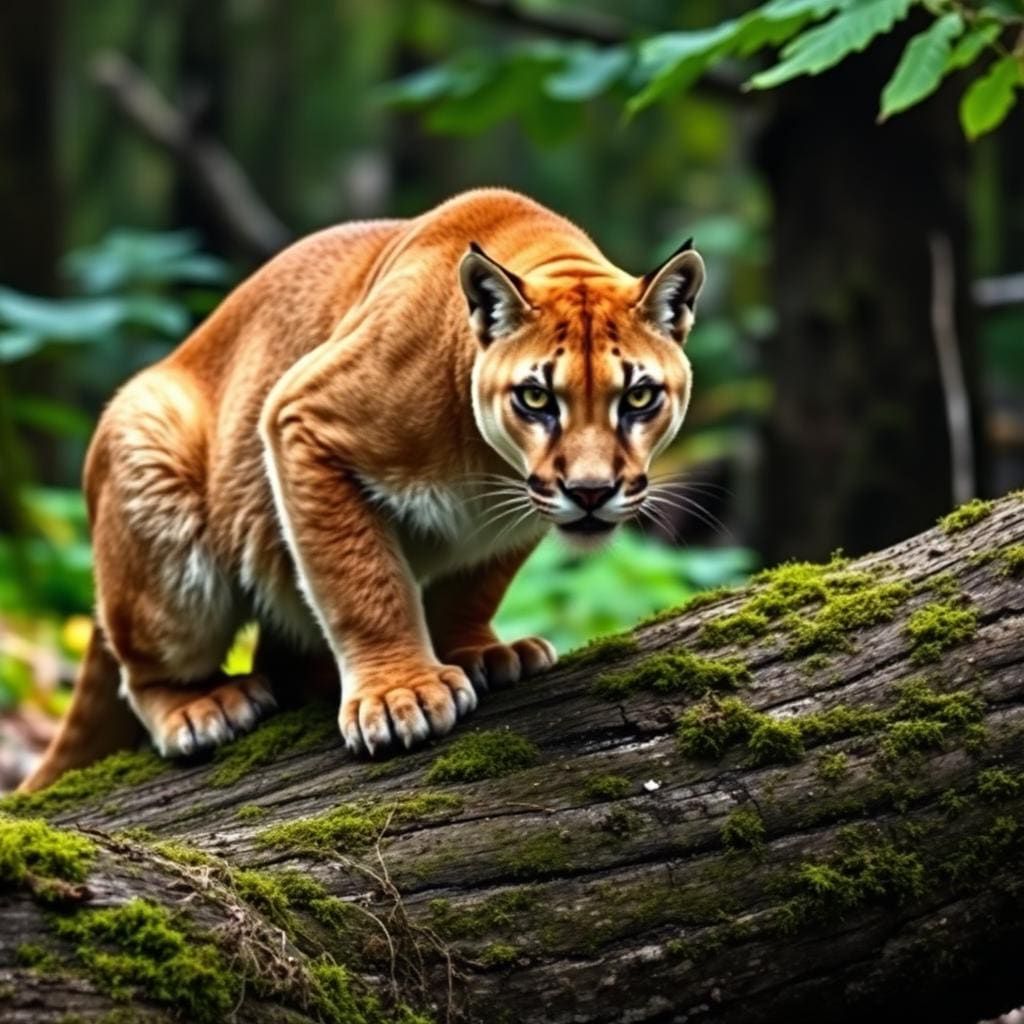
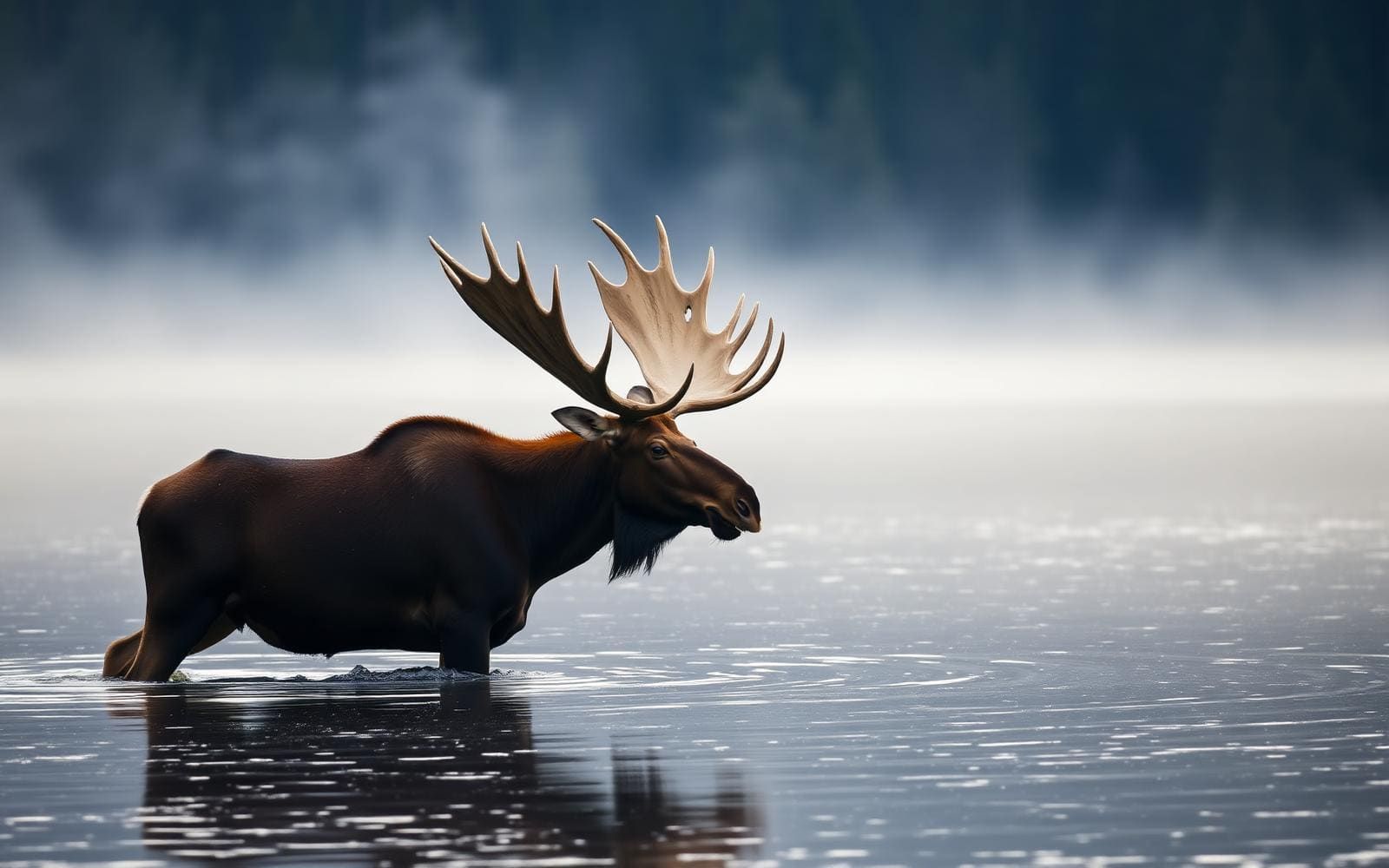
Wildlife found around Okefenokee Swamp

Compare side by side
Put the Okefenokee Swamp against any other pick on this list — specs, price, pros, cons and reader ratings.