



Reader rating
Rate it and you move it. Community ratings re-rank this product inside its Top 10 list.
Expert-picked, reader-ranked. Our editors choose the products and the launch order; member star ratings move picks up or down over time.
Wild horses, empty beaches, and maritime forest before the heat.
Pros
- Seventeen miles of pristine, uncrowded Atlantic beaches with zero commercial development
- Strict ferry passenger caps prevent the crowding typical of southern coastal parks
- Lush maritime oak forests offer shade and dramatic scenery for hiking and biking
- May weather brings warm ocean swims before peak summer heat and afternoon storms arrive
Cons
- Heavy tick, chigger, and biting gnat populations require vigilant chemical protection
- Strict pack-it-in, pack-it-out rules with no island trash disposal or resupply options
- Backcountry well water has a strong sulfur taste and requires mechanical filtration
Best uses
- Off-grid coastal backpacking
- Shoulder-season bikepacking trips
- Wildlife and bird photography
- Self-supported historical hiking
Specifications
- Location
- Camden County, Georgia
- Designation
- National Seashore and Wilderness Area
- Access
- Passenger ferry from St. Marys or private boat
- May Temperatures
- Highs around 82°F, lows around 65°F
- Daily Visitor Cap
- Approximately 300 visitors per day
- Campground Types
- Frontcountry developed and backcountry wilderness
Best for
Off-grid coastal backpacking, Shoulder-season bikepacking trips, Wildlife and bird photography, Self-supported historical hiking
Cumberland Island sits at the southern edge of Georgia's coastline, preserved as an expansive, windswept national seashore dominated by maritime oak forests and seventeen miles of desolate Atlantic beach. May is the decisive shoulder window here. The maritime canopy of live oaks draped in Spanish moss provides dense shade against rising southern temperatures, while reliable ocean breezes keep the coast bearable before the suffocating humidity and relentless insect swarms of deep summer take over. The island offers an austere blend of untamed coastal nature and fading human history. Feral horses roam freely between dunes and the scorched brick skeleton of the Carnegie family's Dungeness mansion, while alligators cruise the interior freshwater sloughs and armadillos rustle through the saw palmetto understory. Because private vehicles are prohibited and access is strictly metered by a passenger ferry from St. Marys, the shoreline remains virtually devoid of human clutter. Visiting requires genuine self-sufficiency. Even in early May, ticks, chiggers, and biting midges are active, potable water is sparse past the frontcountry spigots, and every scrap of trash must ride the boat back to the mainland. For backpackers and off-grid day hikers willing to haul their own kit, it delivers one of the East Coast's most striking wilderness experiences.
Terrain and Coastal Ecology
The island encompasses nearly 36,000 acres of barrier ecosystems running along the Atlantic. Dense maritime forest dominates the interior, anchored by sprawling live oaks, southern magnolias, and an understory thick with saw palmetto. On the western flank, broad salt marshes fed by the Cumberland River pulse with tidal fluctuations, while the eastern edge gives way to primary and secondary dune fields fronting seventeen miles of hard-packed beach. Walking north from the ferry docks reveals rapid transitions from shaded oak canopies to harsh, sun-baked sand flats. Elevation rarely exceeds twenty feet above sea level, but moving heavy loads across soft coastal sand and rutted dirt tracks demands steady footing and reliable trail shoes. The wilderness sector in the northern two-thirds of the island feels profoundly remote, lacking boardwalks, trail markers, or manicured paths, requiring hikers to navigate by landmark and compass through overgrown interior corridors.
The May Weather Window
Visiting in May strikes a fragile balance between comfortable coastal backpacking and the oppressive subtropical climate that dominates the South from June through September. Daytime highs generally hover in the low 80s, moderated on the eastern shoreline by steady Atlantic trade winds. Nighttime temperatures drop into the mid-60s, offering ideal sleeping conditions under canvas without requiring heavy cold-weather sleep systems. Critically, May sits just ahead of peak hurricane season and avoids the near-daily afternoon cloudbursts characteristic of midsummer Georgia. However, the window is closing fast. Humidity creeps higher with each passing week, and black biting flies, salt marsh mosquitoes, and no-see-ums begin multiplying in earnest around low-lying sloughs and marsh borders. Packing high-concentration DEET or picaridin, lightweight long-sleeve sun layers, and a properly ventilated tent with ultra-fine noseeum mesh is non-negotiable for anyone pitching camp during this transitional month.
Wildlife Encounters and Hazards
Cumberland is renowned for its population of feral horses, whose lineage stretches back through Carnegie estate holdings to early Spanish explorers. While these animals appear habituated to human presence around Sea Camp and the Dungeness grounds, they remain completely wild, unpredictable, and capable of severe defensive kicks; park regulations mandate maintaining a fifty-foot perimeter at all times. Interior freshwater ponds harbor robust populations of American alligators, demanding caution near murky banks and vegetated slough edges. Less dramatic but far more intrusive are the raccoons, which have learned to unravel pack zippers and chew through nylon to access food caches, making hard-sided bear canisters or hanging food bags on designated cables essential. Furthermore, the sandy leaf litter is prime habitat for lone star ticks and chiggers. Treat clothing with permethrin prior to departure and conduct meticulous evening tick checks, especially after brushing past low-hanging saw palmetto.
Key Routes and Sights
Most day visitors concentrate along the southern loop, exploring the crumbling masonry and rusted ironwork of Dungeness Ruins before crossing the boardwalk over the primary dunes to reach the beach. Backpackers pushing beyond the day-tripper radius should take the Parallel Trail, an interior footway running beneath cathedral-like live oak canopies that bypasses the loose sand and maintenance vehicles of Main Road. Heading north leads toward Plum Orchard Mansion, a restored 1898 Georgian Revival estate open on designated tour dates, and onward to the Brickhill Bluff campsite along the western riverbank. Brickhill offers deep seclusion and sunset views over the salt marsh where dolphins frequently hunt along the mud banks at changing tides. Continuing toward the northern tip reveals the historic First African Baptist Church at The Settlement, an austere one-room wooden chapel that marks the quiet northern boundary of the national seashore.
Logistics, Permits, and Water
Access to the island requires booking the Cumberland Island Ferry departing from downtown St. Marys. Daily passenger quotas keep human impact low, meaning ferry seats and backcountry camping permits through Recreation.gov regularly sell out months in advance for prime spring dates. There are no grocery stores, outfitters, or trash cans on the island; every item packed in must be carried out, including all waste and food scraps. Water logistics demand careful planning. Frontcountry camps at Sea Camp and Stafford Beach feature treated municipal water spigots, but northern wilderness sites like Yankee Paradise and Brickhill Bluff rely on untreated groundwater well pumps. This water carries a notorious sulfur smell and tea-brown tannic hue; while safe to drink once filtered or treated, packing electrolyte tabs helps mask the mineral taste. Carry reliable mechanical filters rather than chemical tablets alone to handle particulate matter.
Critical Gear Considerations
Gearing up for Cumberland Island demands balancing moisture management with sun and insect protection. Footwear should favor quick-drying trail runners with open mesh over heavy waterproof leather boots, which trap ocean moisture and hold fine quartz sand against wet socks. Bicycles provide an efficient way to cover mileage along the dirt spine of Main Road, though fat tires are mandatory to handle deep sections of loose beach sand; rentals are available at the ferry dock, or you can pay an extra fee to transport your own rig. For camping, freestanding tents that don't rely entirely on standard stakes are preferable in loose sandy soil, where wire pegs slip out under moderate wind gusts. Carry a wide-brimmed sun hat, polarized sunglasses for navigating the stark white glare of the coastal strand, and dedicated dry bags for electronics during damp salt-fog mornings.
How we picked
We built this ranking from trip reports, agency data, permit records, and our editors' own time on the ground. 10 places made the final cut out of a much longer working list, and each one had to clear the same set of criteria before it earned a spot.
- Quality of the terrain
- Landscape, route variety, and whether the place rewards multiple days rather than one overlook.
- Season and weather windows
- How long the reliable window is, and how badly the shoulder seasons punish a bad forecast.
- Access and permits
- Trailhead logistics, permit odds, quotas, and how much lead time a trip realistically takes.
- Solitude vs. crowding
- How far you have to walk before the place feels like wilderness instead of a queue.
- Wildlife and ecology
- What you can reasonably expect to see, and what you have to plan around.
- Risk and skill required
- Navigation, water crossings, exposure, and rescue distance — stated plainly.
Cumberland Island — frequently asked questions
- Is Cumberland Island worth the trip?
- We rank it #9 in US Destinations in May. Wild horses, empty beaches, and maritime forest before the heat.
- Who is Cumberland Island best for?
- Best for off-grid coastal backpacking, shoulder-season bikepacking trips, wildlife and bird photography and self-supported historical hiking. Standouts: seventeen miles of pristine, uncrowded atlantic beaches with zero commercial development and strict ferry passenger caps prevent the crowding typical of southern coastal parks.
- What are the drawbacks of Cumberland Island?
- Heavy tick, chigger, and biting gnat populations require vigilant chemical protection, Strict pack-it-in, pack-it-out rules with no island trash disposal or resupply options and Backcountry well water has a strong sulfur taste and requires mechanical filtration.
- What are the key details for Cumberland Island?
- Location: Camden County, Georgia · Designation: National Seashore and Wilderness Area · Access: Passenger ferry from St. Marys or private boat · May Temperatures: Highs around 82°F, lows around 65°F · Daily Visitor Cap: Approximately 300 visitors per day
- Terrain and Coastal Ecology — what should I know about the Cumberland Island?
- The island encompasses nearly 36,000 acres of barrier ecosystems running along the Atlantic. Dense maritime forest dominates the interior, anchored by sprawling live oaks, southern magnolias, and an understory thick with saw palmetto.
- The May Weather Window — what should I know about the Cumberland Island?
- Visiting in May strikes a fragile balance between comfortable coastal backpacking and the oppressive subtropical climate that dominates the South from June through September. Daytime highs generally hover in the low 80s, moderated on the eastern shoreline by steady Atlantic trade winds.
Where on earth
Satellite imagery flying in from a world view to Cumberland Island, Georgia, United States. Use the + / − buttons, or click the map to zoom with your scroll wheel; drag to pan and pinch to zoom on touch.
Cumberland Island, Georgia, USA · 30.853, -81.439
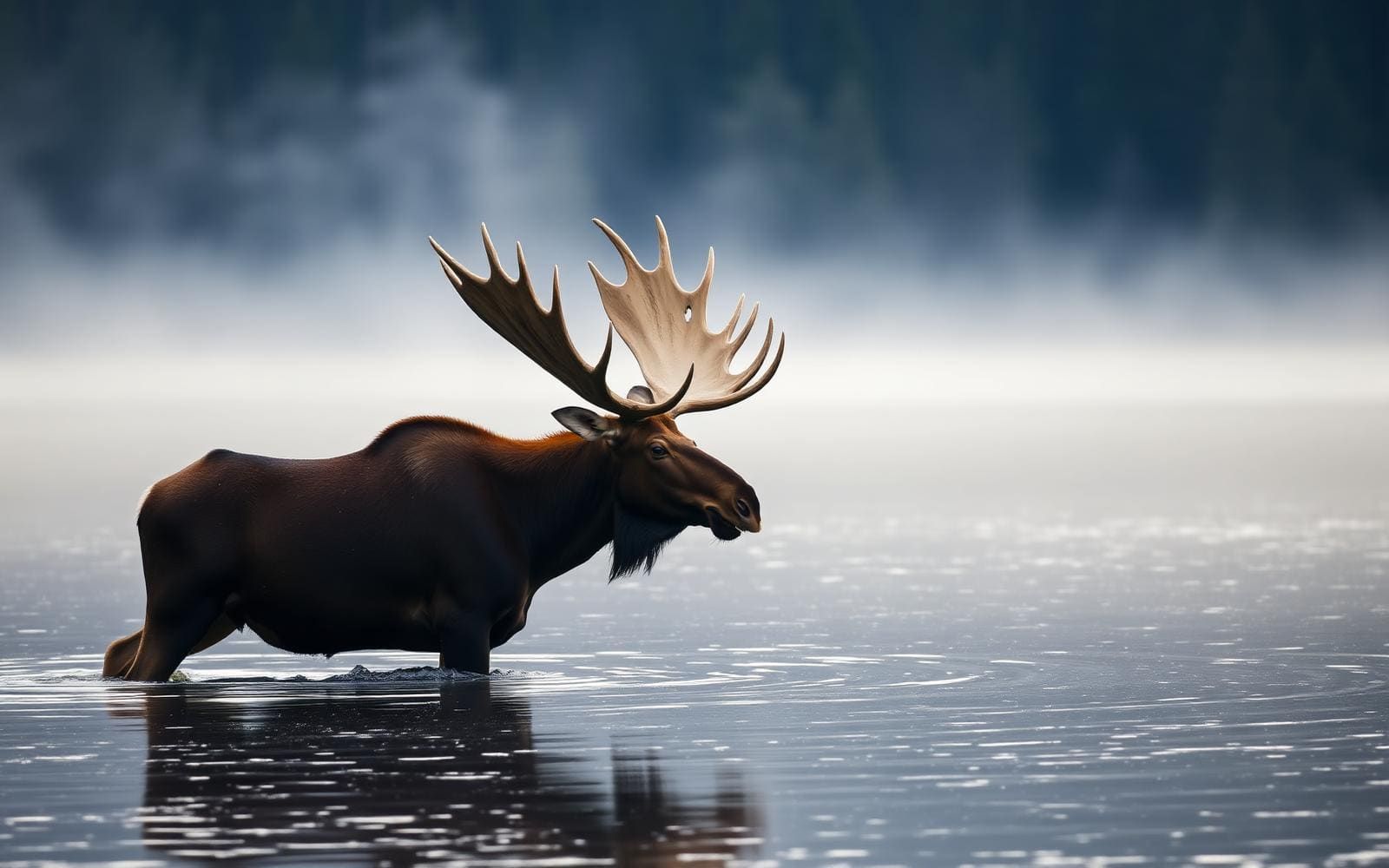
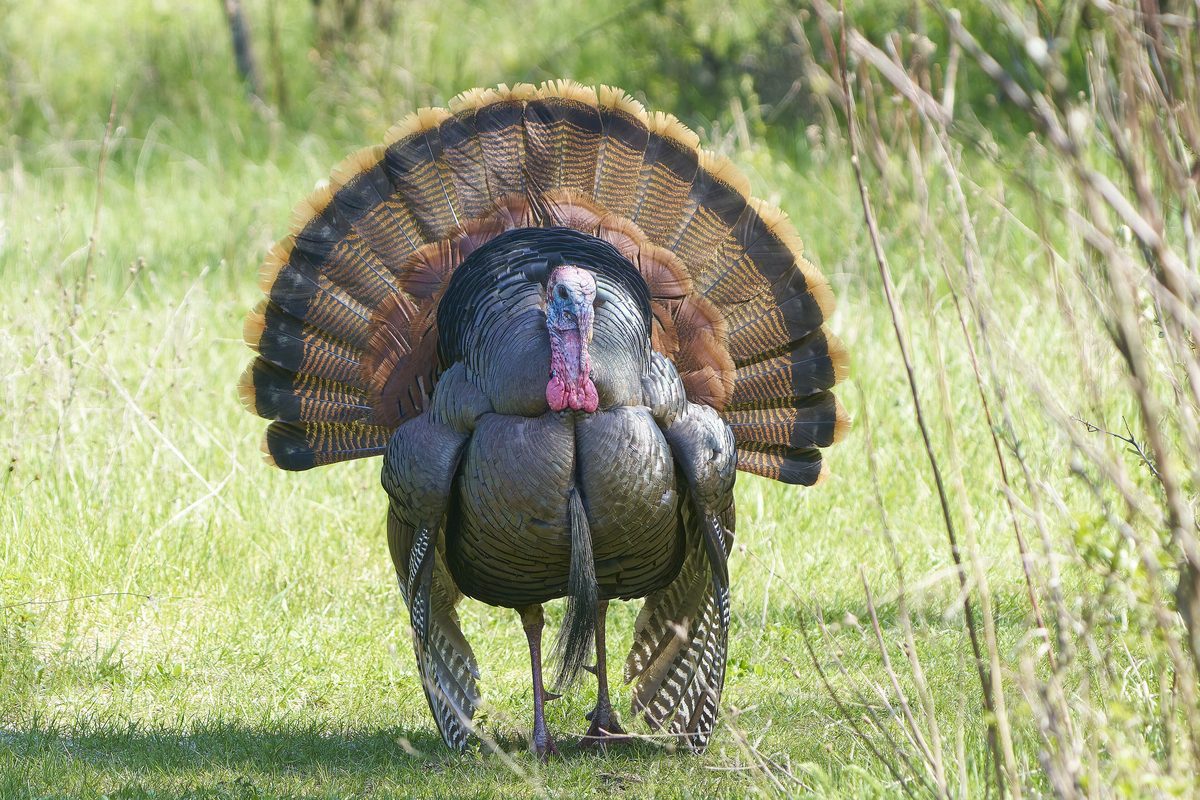
Wildlife found around Cumberland Island




Compare side by side
Put the Cumberland Island against any other pick on this list — specs, price, pros, cons and reader ratings.