



Reader rating
Rate it and you move it. Community ratings re-rank this product inside its Top 10 list.
Expert-picked, reader-ranked. Our editors choose the products and the launch order; member star ratings move picks up or down over time.
Dry season begins; mosquitoes fade and wildlife concentrates.
Pros
- Mosquito numbers drop substantially as summer rains taper off
- Receding water levels concentrate apex predators and wading birds
- Open-water chickee platforms offer uniquely remote paddle-in camping
- Milder daytime temperatures make extended flatwater touring practical
Cons
- Requires carrying every drop of drinking water into the backcountry
- Inattentive paddlers can be stranded on mudflats by receding tides
- Windless evenings can still produce high concentrations of biting midges
Best uses
- Multi-day coastal sea kayaking
- Remote platform chickee camping
- Late-fall bird photography
- Flatwater canoe expedition touring
Specifications
- Location
- Southern Florida
- Total Area
- 1.5 million acres
- Prime Season
- November to April
- Backcountry Permits
- Required via Recreation.gov
- November Temperatures
- Highs around 80°F, lows around 65°F
- Water Type
- Freshwater slough to marine estuary
Best for
Multi-day coastal sea kayaking, Remote platform chickee camping, Late-fall bird photography, Flatwater canoe expedition touring
November marks a defining shift across South Florida. The oppressive summer monsoon breaks, relative humidity falls, and the vast sheet flow creeping south toward Florida Bay begins to shallow out. For paddlers, anglers, and backcountry travelers, this transition opens a viable window into a subtropical wilderness that spends half the year guarded by brutal heat and dense clouds of mosquitoes. Spanning 1.5 million acres across the southern tip of the peninsula, the terrain is dictated by elevation changes measured in mere inches. Coastal red mangrove labyrinths give way inland to dwarf cypress forests, pine rocklands, and endless expanses of sawgrass river. As water levels recede throughout the month, fish and amphibians crowd into deeper sloughs, drawing out dense concentrations of apex predators and thousands of wintering wading birds. It remains an uncompromising environment where navigation errors carry real weight. Saltwater tidal flows demand precise timing to prevent grounding on exposed mudflats, and fresh water must be hauled entirely from the road end. Yet during the early dry season, before midwinter crowds arrive at the trailheads, the park offers an open, watery wilderness experience unmatched in North America.
The Hydrological Shift
The arrival of November halts the torrential summer storms that feed the River of Grass. As ambient daily temperatures drop into the low 80s, the shallow water covering the limestone bedrock begins to draw down into deeper canals, borrow pits, and alligator holes. This seasonal drainage triggers a noticeable decrease in insect activity, particularly in interior pine rocklands and along windward shorelines. While a late-season cold front can bring choppy coastal waters, conditions generally stabilize into crisp, clear mornings and low humidity. Travelers should still monitor rainfall totals from late October; a wet autumn can delay the dry-down by a week or two, temporarily sustaining stubborn pockets of salt marsh mosquitoes in shaded mangrove tunnels.
Backcountry Chickee Camping
Camping in the interior backcountry often means sleeping directly over open water on chickees—raised wooden platforms fitted with metal roofs and self-contained chemical toilets. These structures are scattered along marked paddle trails across both fresh and saltwater zones. Pitching a tent on a chickee requires free-standing shelters and specialized hardware, such as cam straps or rope cleats, to secure guylines to boardwalk timbers without driving stakes. Camping here demands strict self-reliance: raccoons and crows will actively raid unsecured dry bags, and you must haul all drinking water at a minimum rate of one gallon per person per day. The payoff is waking up completely suspended above the tide, isolated from terrestrial noise.
Navigating Coastal Labyrinths
The Wilderness Waterway spans 99 marked miles from Flamingo to Everglades City, winding through the remote mangrove coast and the Ten Thousand Islands. November provides optimal conditions to tackle all or part of this classic route, but the labyrinthine creeks demand disciplined chart and compass work alongside GPS navigation. Tidal ranges along the Gulf coast can easily strand loaded canoes and sea kayaks on slick marl mud for hours if passages are misjudged. Paddlers must carefully balance hull clearance against current direction, especially in shallow bottlenecks like the nightmare stretch of the Broad River. Strong tidal rips around outside passes also require seaworthy spray skirts and steady bracing skills.
Wildlife Congregations
As surface water thins out across the marl prairies, wildlife viewing reaches world-class status without requiring deep bushwhacking. American alligators and rare American crocodiles share the brackish fringe around the Flamingo basin, often hauled out together along low canal banks to absorb morning sun. In the freshwater marshes near Royal Palm, the Anhinga Trail provides an intimate view of gar, largemouth bass, and softshell turtles packed tightly into Taylor Slough. Roseate spoonbills, wood storks, white ibis, and great blue herons feed heavily in the shallows throughout November, staging an aggressive predatory display as their food supply concentrates into ever-smaller pools.
Access Hubs and Frontcountry Routes
The park operates from distinct access points separated by substantial driving distances. The main eastern entrance in Homestead leads through the heart of the park down the 38-mile Main Park Road to Flamingo, providing direct entry to major hiking boardwalks, canoe launches, and coastal boat tours. Shark Valley, located off the Tamiami Trail farther north, offers a flat 15-mile paved loop ideal for cycling deep into the sawgrass prairie to an observation tower overlooking the slough. On the western edge, Everglades City serves as the staging ground for maritime expeditions through the marine wilderness of the Ten Thousand Islands, where tidal flats give way to offshore barrier sandbars.
Hazards and Field Realities
Despite cooler seasonal averages, the subtropical sun remains intense throughout November. Broad-brimmed hats, high-UPF sun shirts, and ample electrolyte replacement are mandatory gear for open-water paddling. While mosquito populations drop substantially, sand gnats and biting blackflies can still prove fierce on windless nights near mangrove shorelines, easily penetrating standard mesh screens. Sturdy footwear is critical along coastal beaches due to submerged oyster bars that slice through soft rubber soles. Paddlers must also give wide berths to coastal alligators and crocodiles basking near canoe launches; these reptiles are wild and habituated to tight spaces, requiring calm, calculated maneuvers around blind mangrove corners.
How we picked
We built this ranking from trip reports, agency data, permit records, and our editors' own time on the ground. 10 places made the final cut out of a much longer working list, and each one had to clear the same set of criteria before it earned a spot.
- Quality of the terrain
- Landscape, route variety, and whether the place rewards multiple days rather than one overlook.
- Season and weather windows
- How long the reliable window is, and how badly the shoulder seasons punish a bad forecast.
- Access and permits
- Trailhead logistics, permit odds, quotas, and how much lead time a trip realistically takes.
- Solitude vs. crowding
- How far you have to walk before the place feels like wilderness instead of a queue.
- Wildlife and ecology
- What you can reasonably expect to see, and what you have to plan around.
- Risk and skill required
- Navigation, water crossings, exposure, and rescue distance — stated plainly.
Everglades National Park — frequently asked questions
- Is Everglades National Park worth the trip?
- We rank it #4 in US Destinations in November. Dry season begins; mosquitoes fade and wildlife concentrates.
- Who is Everglades National Park best for?
- Best for multi-day coastal sea kayaking, remote platform chickee camping, late-fall bird photography and flatwater canoe expedition touring. Standouts: mosquito numbers drop substantially as summer rains taper off and receding water levels concentrate apex predators and wading birds.
- What are the drawbacks of Everglades National Park?
- Requires carrying every drop of drinking water into the backcountry, Inattentive paddlers can be stranded on mudflats by receding tides and Windless evenings can still produce high concentrations of biting midges.
- What are the key details for Everglades National Park?
- Location: Southern Florida · Total Area: 1.5 million acres · Prime Season: November to April · Backcountry Permits: Required via Recreation.gov · November Temperatures: Highs around 80°F, lows around 65°F
- The Hydrological Shift — what should I know about the Everglades National Park?
- The arrival of November halts the torrential summer storms that feed the River of Grass. As ambient daily temperatures drop into the low 80s, the shallow water covering the limestone bedrock begins to draw down into deeper canals, borrow pits, and alligator holes.
- Backcountry Chickee Camping — what should I know about the Everglades National Park?
- Camping in the interior backcountry often means sleeping directly over open water on chickees—raised wooden platforms fitted with metal roofs and self-contained chemical toilets. These structures are scattered along marked paddle trails across both fresh and saltwater zones.
Where on earth
Satellite imagery flying in from a world view to Everglades National Park, Florida, United States. Use the + / − buttons, or click the map to zoom with your scroll wheel; drag to pan and pinch to zoom on touch.
Everglades National Park, Florida, USA · 25.287, -80.899
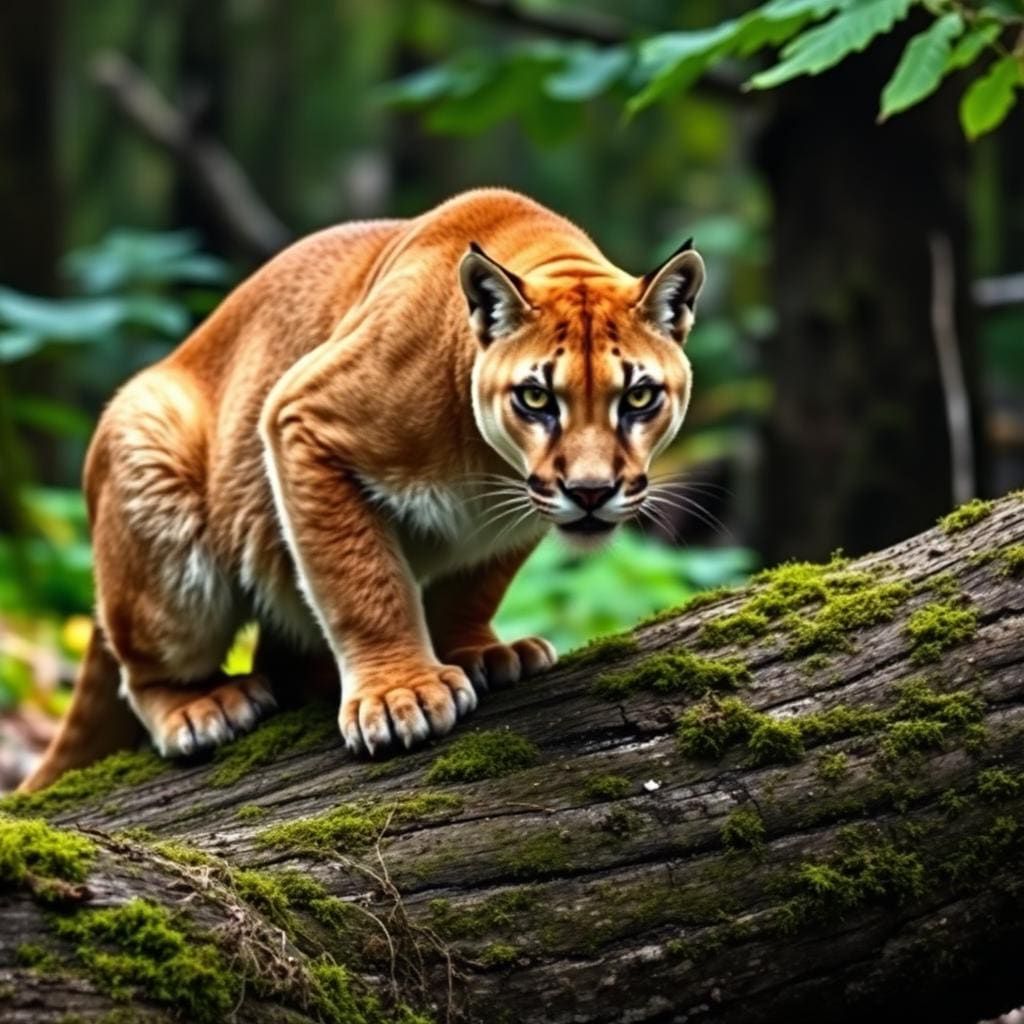
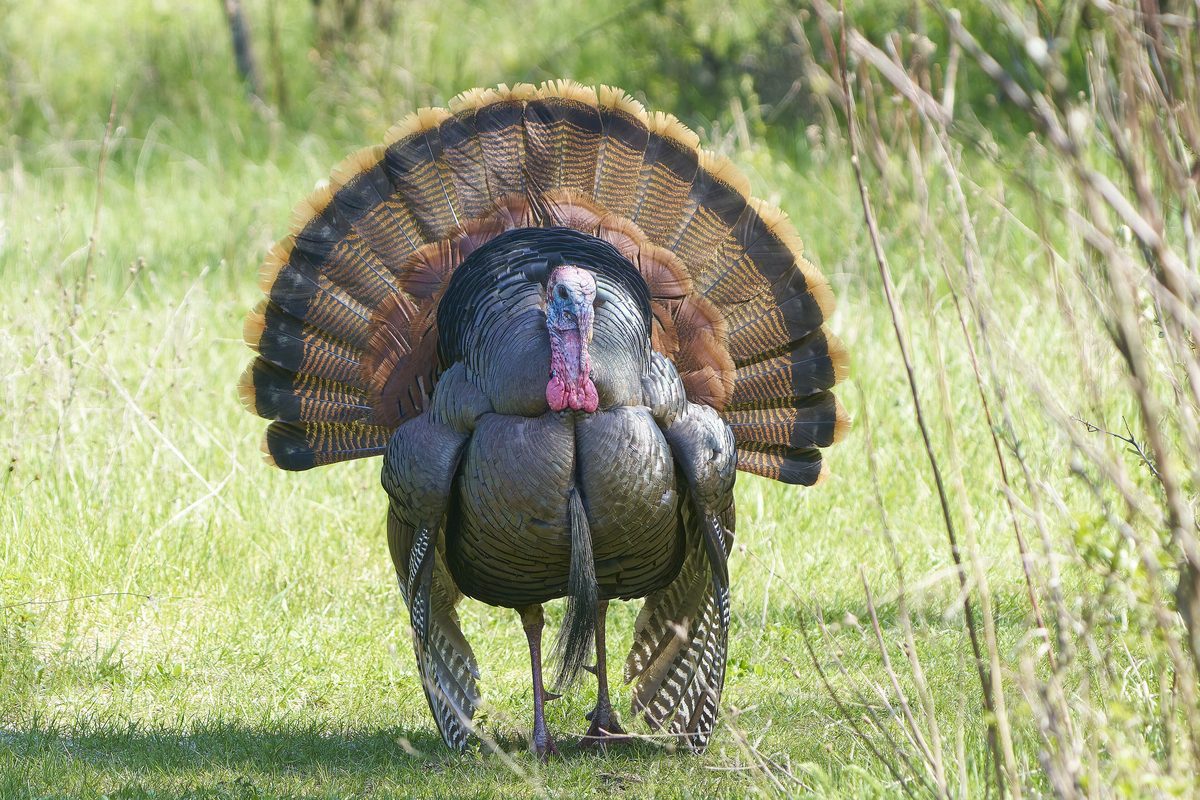
Wildlife found around Everglades National Park

Compare side by side
Put the Everglades National Park against any other pick on this list — specs, price, pros, cons and reader ratings.