



Reader rating
Rate it and you move it. Community ratings re-rank this product inside its Top 10 list.
Expert-picked, reader-ranked. Our editors choose the products and the launch order; member star ratings move picks up or down over time.
Climbing and hiking season in full swing by month's end.
Pros
- Crisp daytime temperatures ideal for climbing and ridge hiking
- World-class friction on thousands of traditional climbing routes
- Exceptional dark-sky stargazing during clear late-fall nights
- Vast off-trail navigation opportunities across open terrain
Cons
- Campgrounds book out months ahead on November weekends
- Zero natural surface water requires carrying full trip volume
- Harsh post-sunset temperature drops down near freezing
Best uses
- Late fall trad climbing
- Self-supported desert backpacking
- Dark sky astrophotography
- Shoulder-season day hiking
Specifications
- Managing Agency
- National Park Service
- November Highs
- Mid-60s to low 70s Fahrenheit
- November Lows
- High 30s to mid-40s Fahrenheit
- Surface Water
- None; pack in all drinking water
- Backcountry Permits
- Required; self-register or via Recreation.gov
- Elevation Range
- 536 to 5,814 feet above sea level
Best for
Late fall trad climbing, Self-supported desert backpacking, Dark sky astrophotography, Shoulder-season day hiking
Sprawling across nearly 800,000 acres of southern California, this desert park sits at the convergence of two distinct ecosystems: the higher, cooler Mojave Desert and the low, arid Colorado Desert. November marks the true opening of the backcountry season. The unrelenting triple-digit heat of late summer breaks entirely, replaced by crisp air, deep blue skies, and daytime temperatures that make moving across exposed granite slabs and sandy washes comfortable. For rock climbers, hikers, and off-trail navigators, November offers optimal conditions. Coarse monzogranite boulder piles lose their searing surface heat, providing the friction necessary for technical slab routes and bouldering problems. Backpackers can cover long desert traverses without losing unsustainable volumes of water to mid-day solar radiation. Yet the shift into late autumn demands respect. Days shorten abruptly behind the Little San Bernardino Mountains, and temperatures plummet into the thirties once the sun dips below the horizon. The park offers almost no natural surface water, meaning self-sufficiency remains an absolute baseline requirement regardless of the milder weather.
Two Deserts Colliding
The park owes its striking visual and physical variety to the collision of the Mojave and Colorado deserts. In the western and northern sections, higher elevations support dense stands of twisted Joshua trees interspersed with massive piles of weathered monzogranite boulders, such as those found around Wonderland of Rocks and Hidden Valley. Drop down into the eastern half, and the Joshua trees abruptly vanish, replaced by the creosote scrub, ocotillo, and cholla cacti of the low Colorado Desert. Traveling between the two environments highlights subtle shifts in elevation, soil composition, and microclimates. The high-desert zones feel decidedly brisk by mid-November, while lower-elevation basins like Pinto Basin retain slightly more warmth through late afternoon, offering varied trail conditions within an hour's drive.
Prime November Friction
Climbers revere November in the high desert for good reason: cold rock means firm rubber and reliable friction. During warmer months, the coarse, quartz-heavy stone softens climbing shoe rubber and creates slick foot placements, but November mornings bring ideal conditions to classic crags like Intersection Rock and the Hall of Horrors. Highs hovering between 65 and 72 degrees keep physical output comfortable even on exposed, south-facing routes with zero canopy. However, wind can quickly alter the comfort equation. Strong gusts pouring through desert passes can introduce substantial windchill, forcing belayers and hikers to pull on heavy midlayers the moment movement ceases. Packing versatile wind layers and a packable down jacket is mandatory for any full day out.
Essential Routes and Sights
Hikers seeking sweeping vistas should target the steady climb up Ryan Mountain, which rises more than a thousand vertical feet to deliver panoramic views across the central boulder basins. For a longer, flatter backcountry haul, the 37-mile Boy Scout Trail skirts along the edge of the Wonderland of Rocks, tracing sandy washes and open plains that showcase undisturbed yucca woodlands. Barker Dam offers an interpretive loop highlighting historic water containment efforts and Native American petroglyphs, though the reservoir bed is frequently dry by autumn. Drivers and photographers typically congregate around the Cholla Cactus Garden along the transition zone between ecosystems, where backlit teddybear cholla spines glow vivid gold in low morning light.
Water, Logistics, and Camping
The park contains virtually no potable surface water, and all springs or historic wells are strictly reserved for wildlife survival. Backcountry hikers must budget and carry a minimum of one gallon per person per day, adjusting upward for strenuous routes. Frontcountry developed campgrounds like Hidden Valley, Jumbo Rocks, and Ryan operate largely on advance reservations through Recreation.gov and routinely book solid months ahead for November weekends, especially Thanksgiving week. Backcountry camping requires registering your vehicle at designated backcountry boards and pitching camp at least one mile from any road and five hundred feet from any trail. Open ground fires are strictly prohibited park-wide; only contained fuel canister stoves are permitted in the backcountry.
Desert Hazards and Reality
November's gentle temperatures often lull visitors into complacency regarding basic desert survival. Cross-country navigation through washes and boulder fields is deceptive; GPS devices can bounce signals off sheer rock walls, and landscape features look disorientingly uniform beneath harsh midday lighting. Sharp terrain exacts a toll on gear and skin. Granite crystals tear through lightweight pack fabrics, while cholla cactus segments detach at the slightest brush and embed deeply into boots and lower legs. Dense crowds clog park entrances on peak November weekends, with vehicle lines at the West and North Entrances stretching past an hour by mid-morning. Starting before sunrise avoids gate congestion and secures scarce trailhead parking spots.
How we picked
We built this ranking from trip reports, agency data, permit records, and our editors' own time on the ground. 10 places made the final cut out of a much longer working list, and each one had to clear the same set of criteria before it earned a spot.
- Quality of the terrain
- Landscape, route variety, and whether the place rewards multiple days rather than one overlook.
- Season and weather windows
- How long the reliable window is, and how badly the shoulder seasons punish a bad forecast.
- Access and permits
- Trailhead logistics, permit odds, quotas, and how much lead time a trip realistically takes.
- Solitude vs. crowding
- How far you have to walk before the place feels like wilderness instead of a queue.
- Wildlife and ecology
- What you can reasonably expect to see, and what you have to plan around.
- Risk and skill required
- Navigation, water crossings, exposure, and rescue distance — stated plainly.
Joshua Tree National Park — frequently asked questions
- Is Joshua Tree National Park worth the trip?
- We rank it #3 in US Destinations in November. Climbing and hiking season in full swing by month's end.
- Who is Joshua Tree National Park best for?
- Best for late fall trad climbing, self-supported desert backpacking, dark sky astrophotography and shoulder-season day hiking. Standouts: crisp daytime temperatures ideal for climbing and ridge hiking and world-class friction on thousands of traditional climbing routes.
- What are the drawbacks of Joshua Tree National Park?
- Campgrounds book out months ahead on November weekends, Zero natural surface water requires carrying full trip volume and Harsh post-sunset temperature drops down near freezing.
- What are the key details for Joshua Tree National Park?
- Managing Agency: National Park Service · November Highs: Mid-60s to low 70s Fahrenheit · November Lows: High 30s to mid-40s Fahrenheit · Surface Water: None; pack in all drinking water · Backcountry Permits: Required; self-register or via Recreation.gov
- Two Deserts Colliding — what should I know about the Joshua Tree National Park?
- The park owes its striking visual and physical variety to the collision of the Mojave and Colorado deserts. In the western and northern sections, higher elevations support dense stands of twisted Joshua trees interspersed with massive piles of weathered monzogranite boulders, such as those found around Wonderland of…
- Prime November Friction — what should I know about the Joshua Tree National Park?
- Climbers revere November in the high desert for good reason: cold rock means firm rubber and reliable friction. During warmer months, the coarse, quartz-heavy stone softens climbing shoe rubber and creates slick foot placements, but November mornings bring ideal conditions to classic crags like Intersection Rock and…
Where on earth
Satellite imagery flying in from a world view to Joshua Tree National Park, California, United States. Use the + / − buttons, or click the map to zoom with your scroll wheel; drag to pan and pinch to zoom on touch.
Joshua Tree National Park, California, USA · 33.873, -115.901
Wildlife found around Joshua Tree National Park



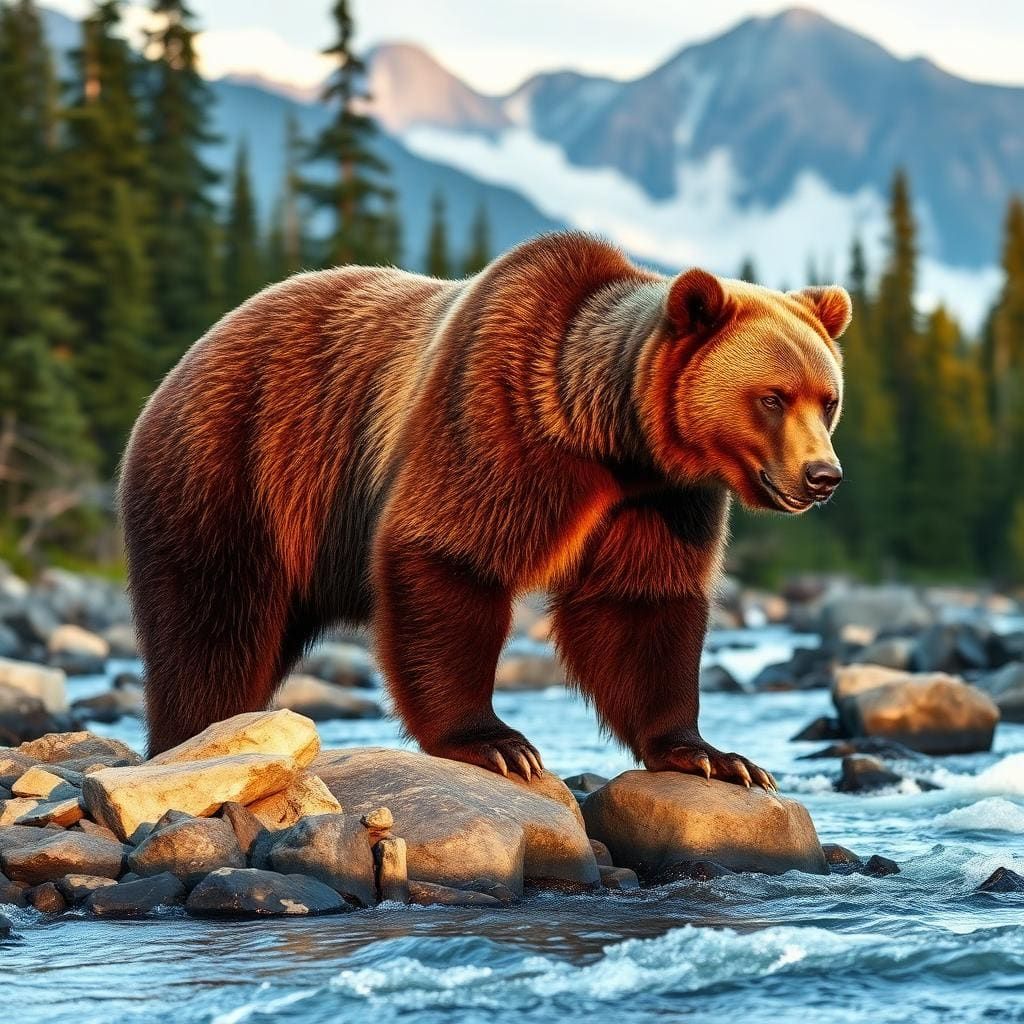
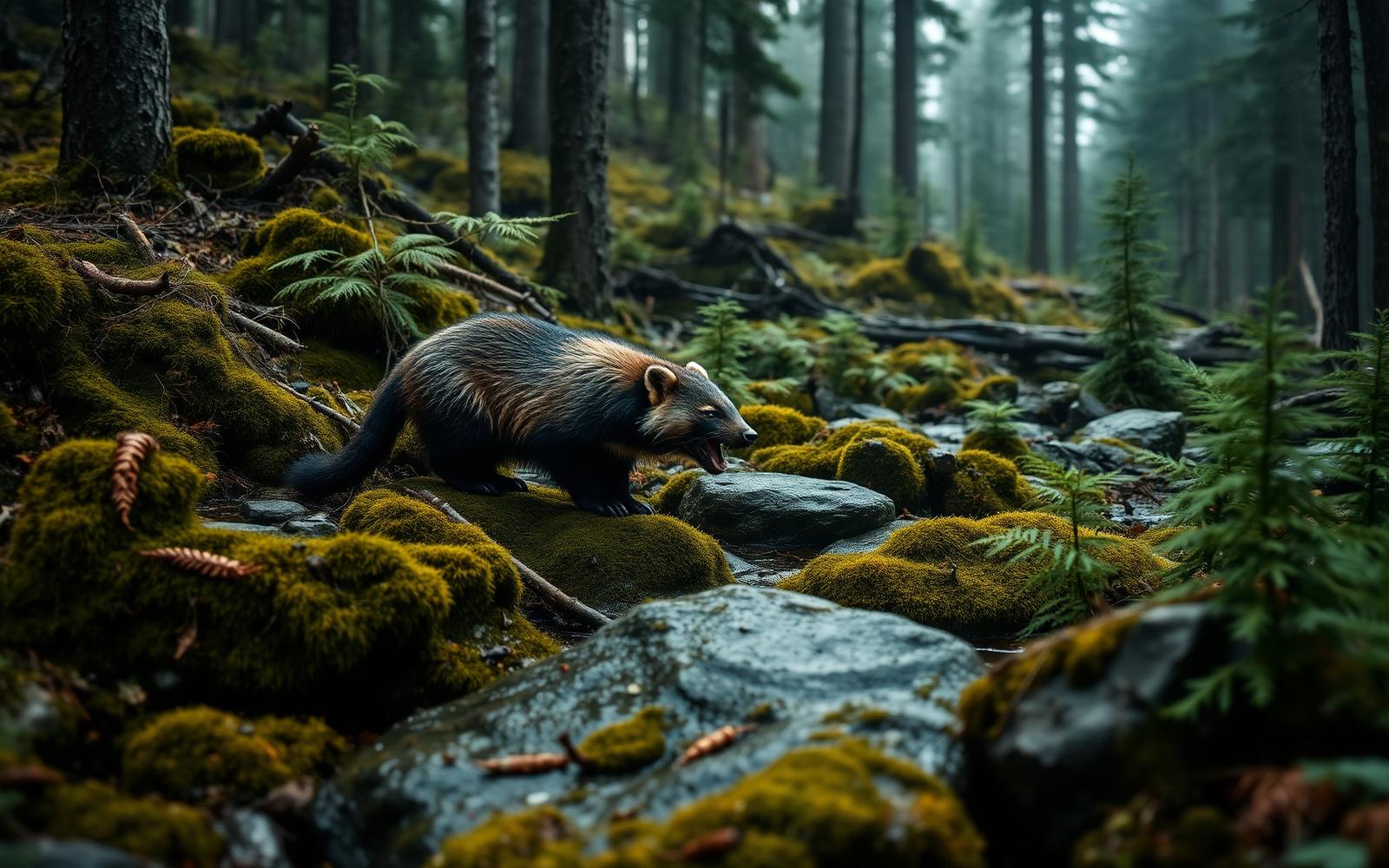
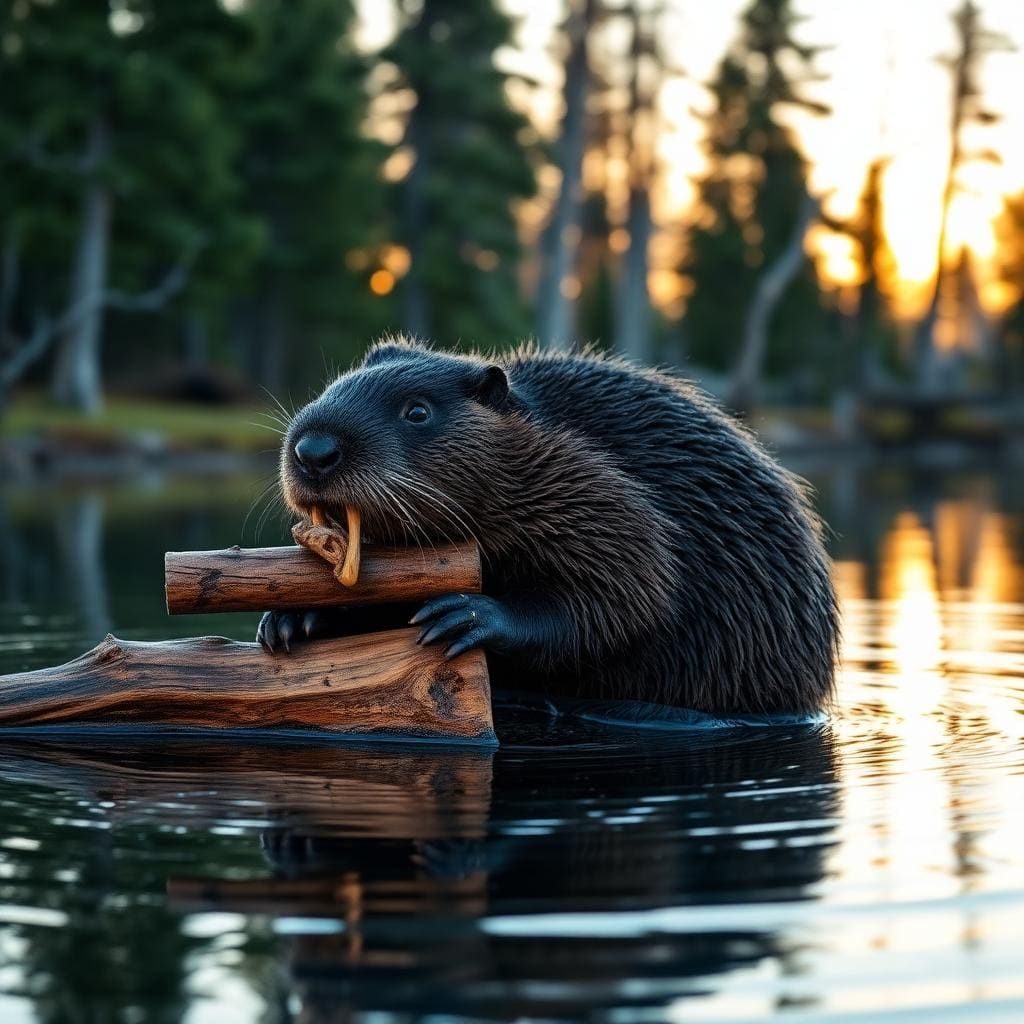
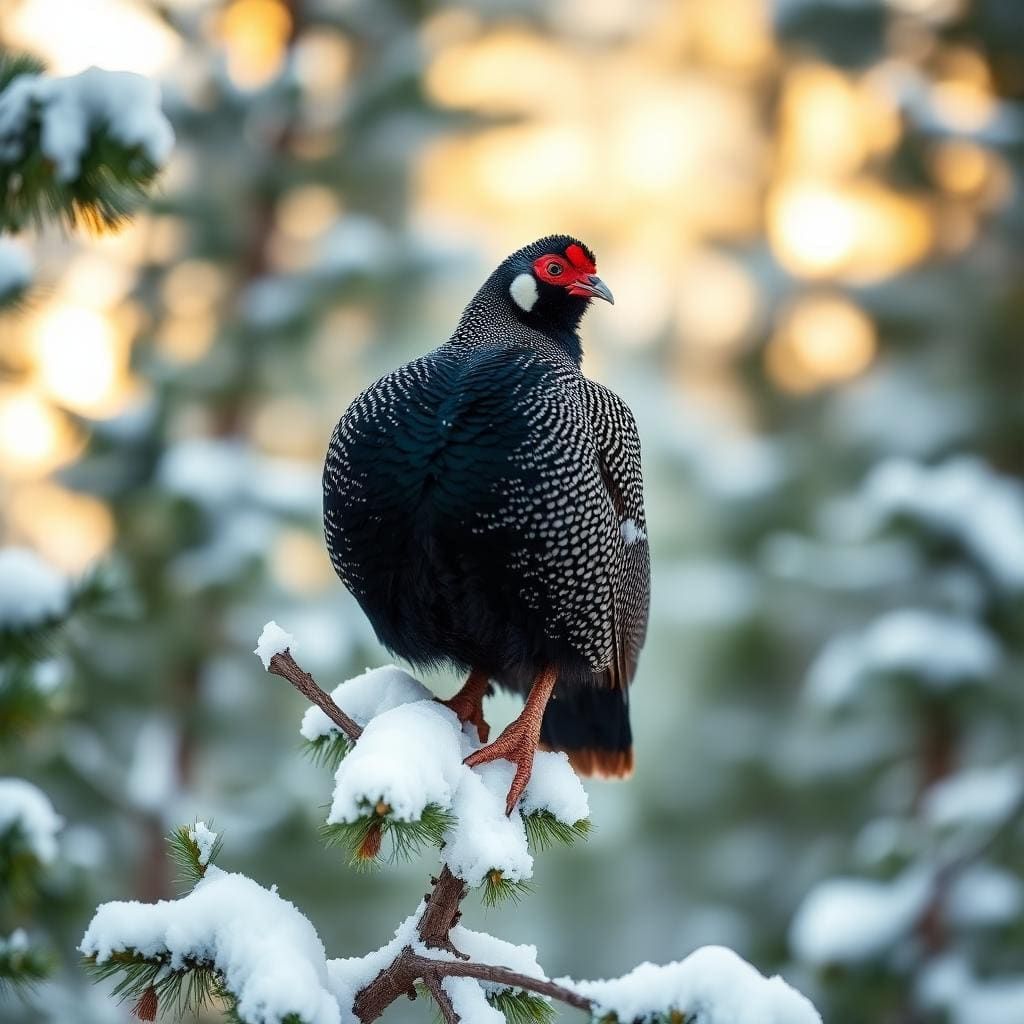
Compare side by side
Put the Joshua Tree National Park against any other pick on this list — specs, price, pros, cons and reader ratings.