



Reader rating
Rate it and you move it. Community ratings re-rank this product inside its Top 10 list.
Expert-picked, reader-ranked. Our editors choose the products and the launch order; member star ratings move picks up or down over time.
South Rim stays open; cold, clear air and near-empty overlooks.
Pros
- Inner canyon conditions are prime for strenuous high-mileage trekking
- Rim overlook crowds and vehicle congestion drop dramatically
- Low autumn sun angles create exceptional definition across rock strata
- Eliminates the dangerous, extreme summer heat of the lower gorge
Cons
- Upper trail switchbacks routinely freeze into hazardous sheets of ice
- Vehicle access to the North Rim is closed for the winter season
- Compressed daylight hours require strict, pre-dawn departure times
Best uses
- Strenuous inner canyon day hiking
- Shoulder-season corridor backpacking
- Low-light landscape photography
- Solitary rim trail walking
Specifications
- Elevation
- South Rim 7,000 ft; Colorado River 2,400 ft
- South Rim Weather
- Highs near 52°F, nighttime lows near 24°F
- Inner Canyon Weather
- Highs in the mid-60s°F, nighttime lows near 45°F
- Backcountry Permits
- Required for all overnight camping below rim
- North Rim Access
- Closed to vehicle traffic for winter
- Primary Gateway
- Tusayan, Arizona via Highway 64
Best for
Strenuous inner canyon day hiking, Shoulder-season corridor backpacking, Low-light landscape photography, Solitary rim trail walking
November strips away the suffocating heat and tour bus gridlock that plague the South Rim for most of the year. Sitting at roughly 7,000 feet above sea level, the rim transitions into winter mode, greeting visitors with biting dawn temperatures, razor-sharp visibility, and silence that feels almost foreign to one of the world's most visited natural wonders. The low-angled late-autumn sunlight cuts across two billion years of exposed stone, pulling deep crimson and ochre tones out of the abyss. Descending below the rim during this shoulder month is where the season truly pays off. While summer hikers routinely face life-threatening heat exhaustion in the furnace of the inner gorge, November turns classic corridors like the South Kaibab and Bright Angel trails into premier, high-output trekking routes. You move from freezing ponderosa pine forests down into pleasant, temperate desert ecosystems along the Colorado River in a matter of hours. The trade-off is winter readiness. Ice forms consistently on shaded upper switchbacks, daylight vanishes swiftly by five in the afternoon, and the remote North Rim is effectively shuttered to vehicle traffic. If you pack traction spikes and respect the truncated daylight, November offers the canyon at its most contemplative and raw.
Terrain and Vertical Microclimates
The Grand Canyon is not a single landscape but a stacked sequence of starkly divergent ecosystems. Dropping from the South Rim into the inner canyon means losing over 4,500 vertical feet across roughly seven miles of descent. At the top, cold high-desert pinyon-juniper woodlands dominate the limestone cap. Halfway down, past the red Supai formation, the environment warms significantly into arid scrub. By the time you cross the suspension bridges over the Colorado River at Bright Angel Creek, the climate mimics the low Sonoran desert. Hikers must pack for a thirty-degree swing between the freezing rim trailheads and the temperate canyon floor, layering meticulously to shed sweat during climbs and retain core warmth during exposed ridgeline pauses.
November Weather Realities
Weather along the South Rim in November is defined by extremes and abrupt shifts. Daytime rim highs hover in the low 50s, but once the sun dips behind the cliffs, temperatures rapidly plummet well below freezing. Frost coats every exposed surface by midnight, and the first significant snowstorms of the season frequently dust the Kaibab Plateau. While these flurries create striking visual contrast against the canyon's red walls, they turn shaded north-facing trail segments into treacherous sheets of hard-packed ice. In contrast, the inner gorge avoids hard freezes, delivering stable, prime hiking conditions that eliminate the dehydration hazards of summer. Staying comfortable demands wind-blocking shells, thermal base layers, and an active awareness of shifting barometric pressure.
Navigating Inner Canyon Corridors
Corridor routes offer the most reliable footing and infrastructure for late-autumn descents. South Kaibab provides aggressive, ridgeline views bathed in early morning sun, though it offers zero natural water sources and absolute exposure to howling rim winds. Bright Angel Trail hugs a sheltered fault line, offering dependable shade, seasonal water stations (though several shut off for winterization by November), and a slightly gentler gradient. Regardless of the route chosen, upper switchbacks like those through the Coconino Sandstone inevitably harbor black ice throughout the morning. Carrying slip-on microspikes or crampons is non-negotiable for the first mile and a half below the rim. Going down without traction is an easy way to end your season with an orthopedic fracture.
Wildlife Encounters in Autumn
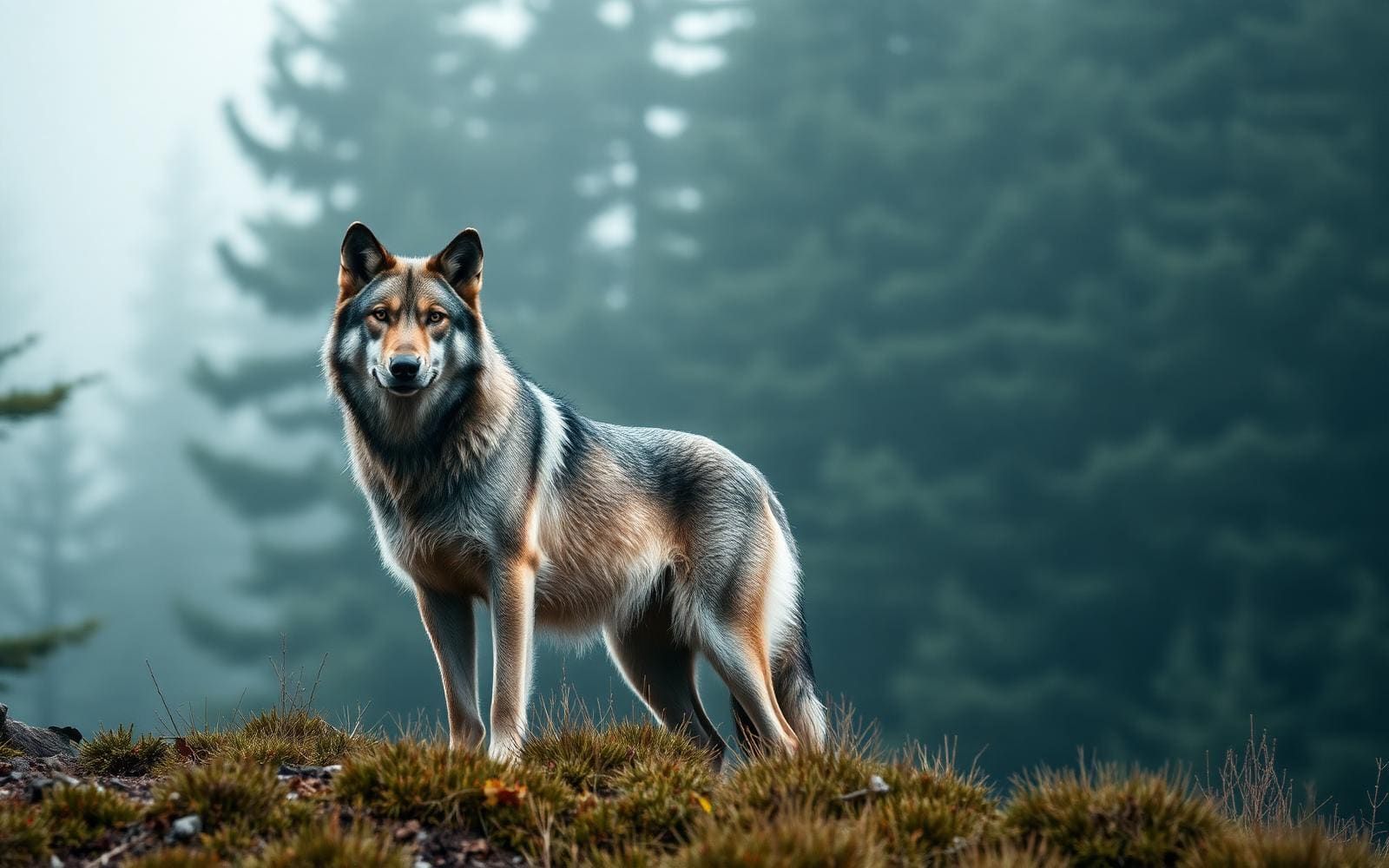
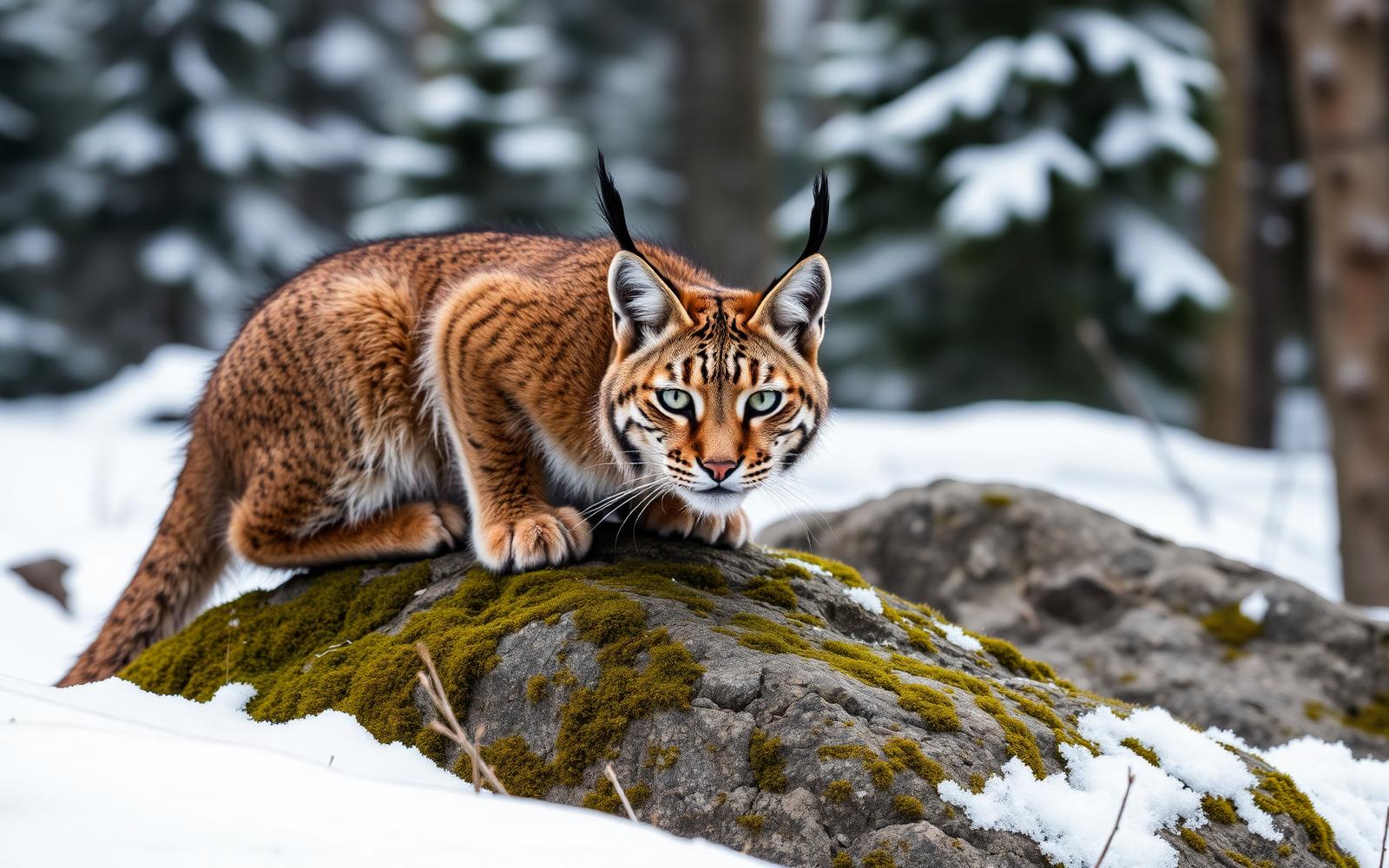
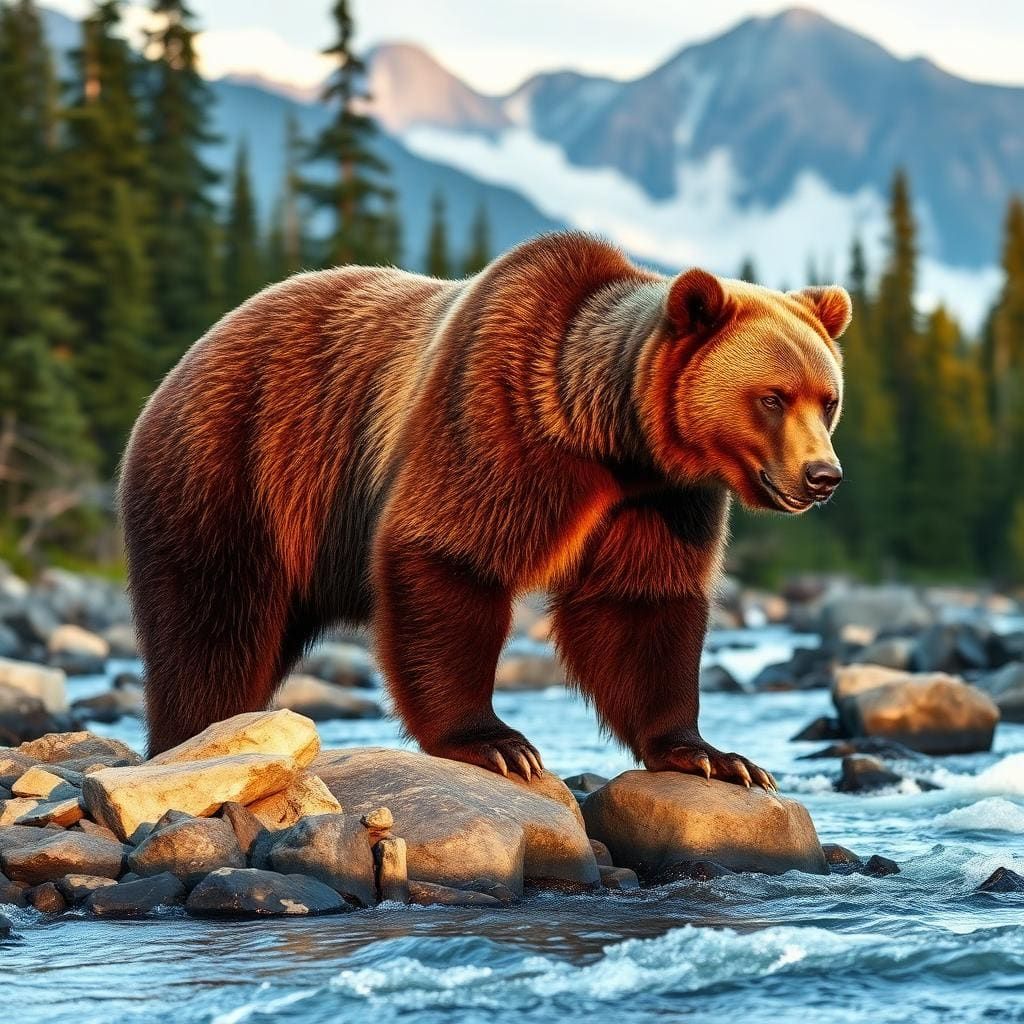
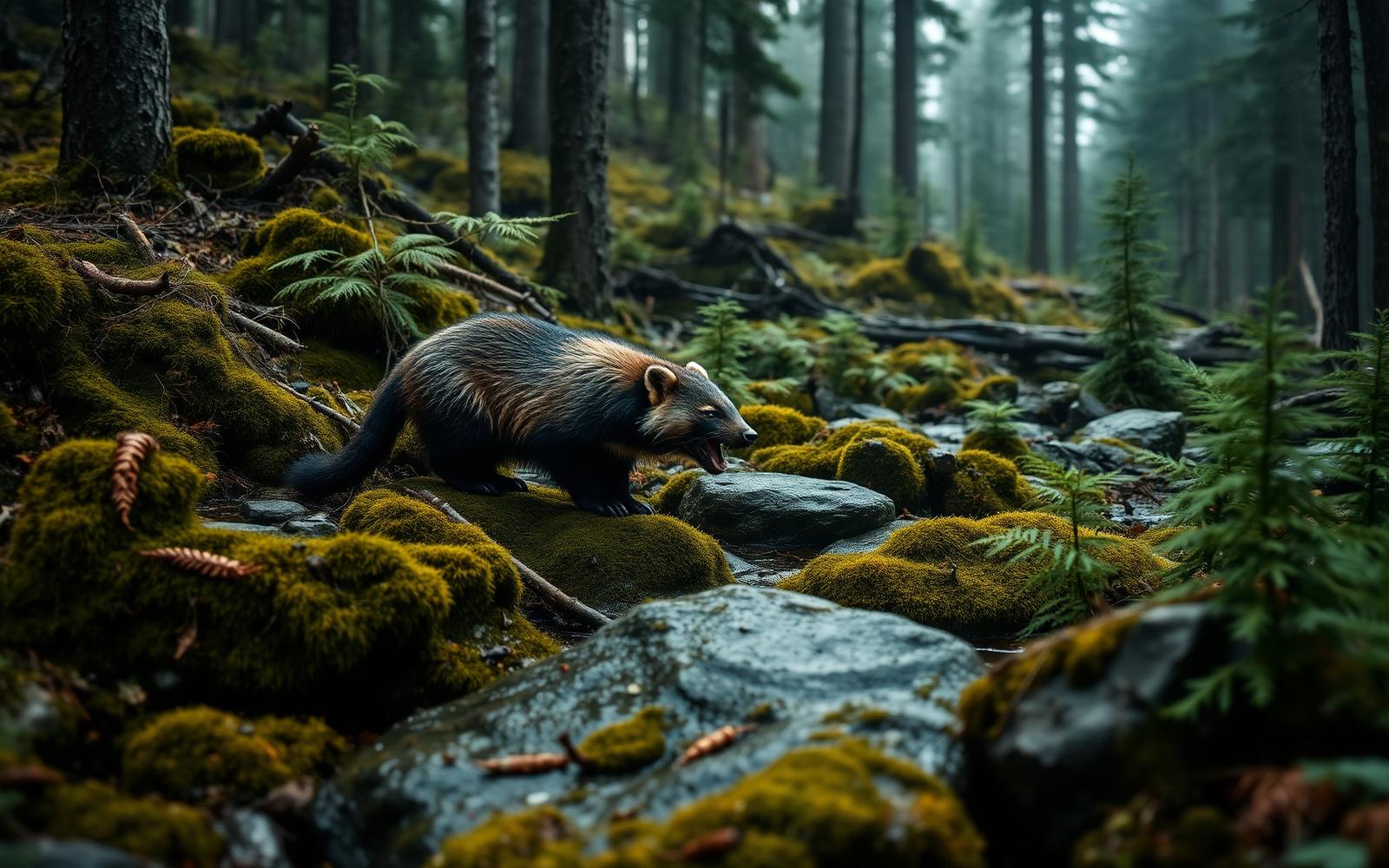
November triggers distinct behavioral shifts among the canyon's resident wildlife. On the South Rim, mule deer bucks enter the active rut, frequently sparring across forested clearings near Grand Canyon Village and paying little mind to parked vehicles. Massive Rocky Mountain elk gather along road margins, demanding wide clearance and cautious driving after twilight. Overhead, the critically endangered California condor rides thermal updrafts off O'Neill Butte and the Hermit Basin, distinguishable by its enormous ten-foot wingspan and numbered wing tags. Down along the inner cliff bands, desert bighorn sheep navigate sheer Tapeats Sandstone ledges with casual precision. Always keep food tightly sealed in odor-proof sacks; canyon ravens and rock squirrels are notoriously aggressive thieves around every established resthouse.
Permitting and Practical Logistics
Day hiking below the rim requires no permits, but overnighting anywhere below the lip demands an advance backcountry permit through the National Park Service via Recreation.gov. November corridor permits at Phantom Ranch, Bright Angel Campground, and Indian Garden are highly competitive because experienced backpackers target this exact cooler window. The free South Rim shuttle bus system operates on modified winter schedules, linking Grand Canyon Village to Hermits Rest and Yaki Point. Services in Tusayan and the historic village remain open, though dining options slim down compared to summer. Shorter daylight hours represent the primary operational hazard: with sunset arriving around 5:15 PM, starting pre-dawn is essential for any ambitious out-and-back trek.
Hazards and Realistic Limitations
The stark beauty of November comes packaged with genuine objective hazards that catch unprepared visitors off guard. The greatest psychological trap is the descent; dropping thousands of feet downhill on cold joints feels effortless, but the return ascent consumes twice the time and energy. Combined with early winter sunsets, hikers frequently find themselves stranded on steep, dark trails without adequate illumination. Water pipelines inside the canyon are prone to seasonal freezing and emergency breaks, so relying solely on trailside spigots is reckless; always carry purification tablets or an ultralight filter. Finally, emergency rescue response times slow down during cold-weather months, making self-reliance, physical conditioning, and conservative turn-around decisions mandatory across every mile.
How we picked
We built this ranking from trip reports, agency data, permit records, and our editors' own time on the ground. 10 places made the final cut out of a much longer working list, and each one had to clear the same set of criteria before it earned a spot.
- Quality of the terrain
- Landscape, route variety, and whether the place rewards multiple days rather than one overlook.
- Season and weather windows
- How long the reliable window is, and how badly the shoulder seasons punish a bad forecast.
- Access and permits
- Trailhead logistics, permit odds, quotas, and how much lead time a trip realistically takes.
- Solitude vs. crowding
- How far you have to walk before the place feels like wilderness instead of a queue.
- Wildlife and ecology
- What you can reasonably expect to see, and what you have to plan around.
- Risk and skill required
- Navigation, water crossings, exposure, and rescue distance — stated plainly.
Grand Canyon National Park — frequently asked questions
- Is Grand Canyon National Park worth the trip?
- We rank it #7 in US Destinations in November. South Rim stays open; cold, clear air and near-empty overlooks.
- Who is Grand Canyon National Park best for?
- Best for strenuous inner canyon day hiking, shoulder-season corridor backpacking, low-light landscape photography and solitary rim trail walking. Standouts: inner canyon conditions are prime for strenuous high-mileage trekking and rim overlook crowds and vehicle congestion drop dramatically.
- What are the drawbacks of Grand Canyon National Park?
- Upper trail switchbacks routinely freeze into hazardous sheets of ice, Vehicle access to the North Rim is closed for the winter season and Compressed daylight hours require strict, pre-dawn departure times.
- What are the key details for Grand Canyon National Park?
- Elevation: South Rim 7,000 ft; Colorado River 2,400 ft · South Rim Weather: Highs near 52°F, nighttime lows near 24°F · Inner Canyon Weather: Highs in the mid-60s°F, nighttime lows near 45°F · Backcountry Permits: Required for all overnight camping below rim · North Rim Access: Closed to vehicle traffic for winter
- Terrain and Vertical Microclimates — what should I know about the Grand Canyon National Park?
- The Grand Canyon is not a single landscape but a stacked sequence of starkly divergent ecosystems. Dropping from the South Rim into the inner canyon means losing over 4,500 vertical feet across roughly seven miles of descent.
- November Weather Realities — what should I know about the Grand Canyon National Park?
- Weather along the South Rim in November is defined by extremes and abrupt shifts. Daytime rim highs hover in the low 50s, but once the sun dips behind the cliffs, temperatures rapidly plummet well below freezing.
Where on earth
Satellite imagery flying in from a world view to Grand Canyon National Park, Arizona, United States. Use the + / − buttons, or click the map to zoom with your scroll wheel; drag to pan and pinch to zoom on touch.
Grand Canyon National Park, Arizona, USA · 36.268, -112.354
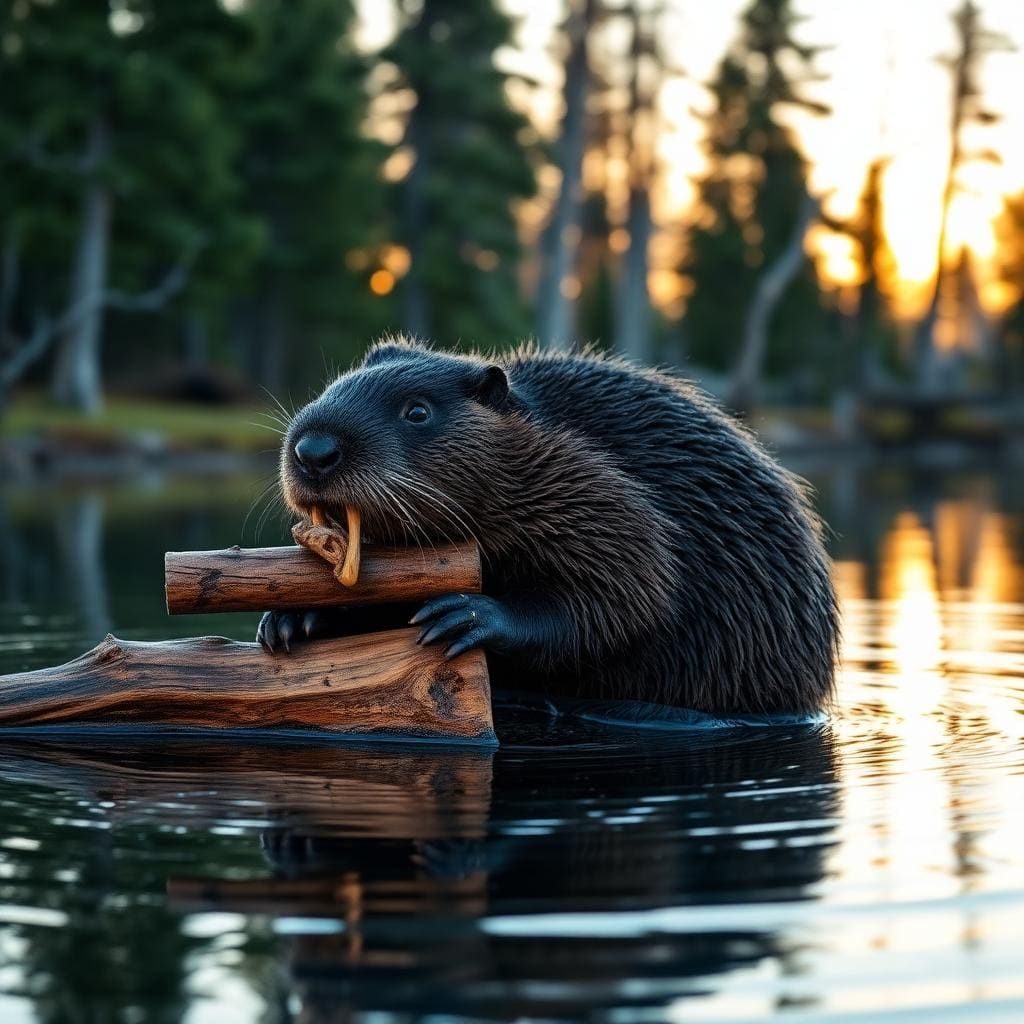
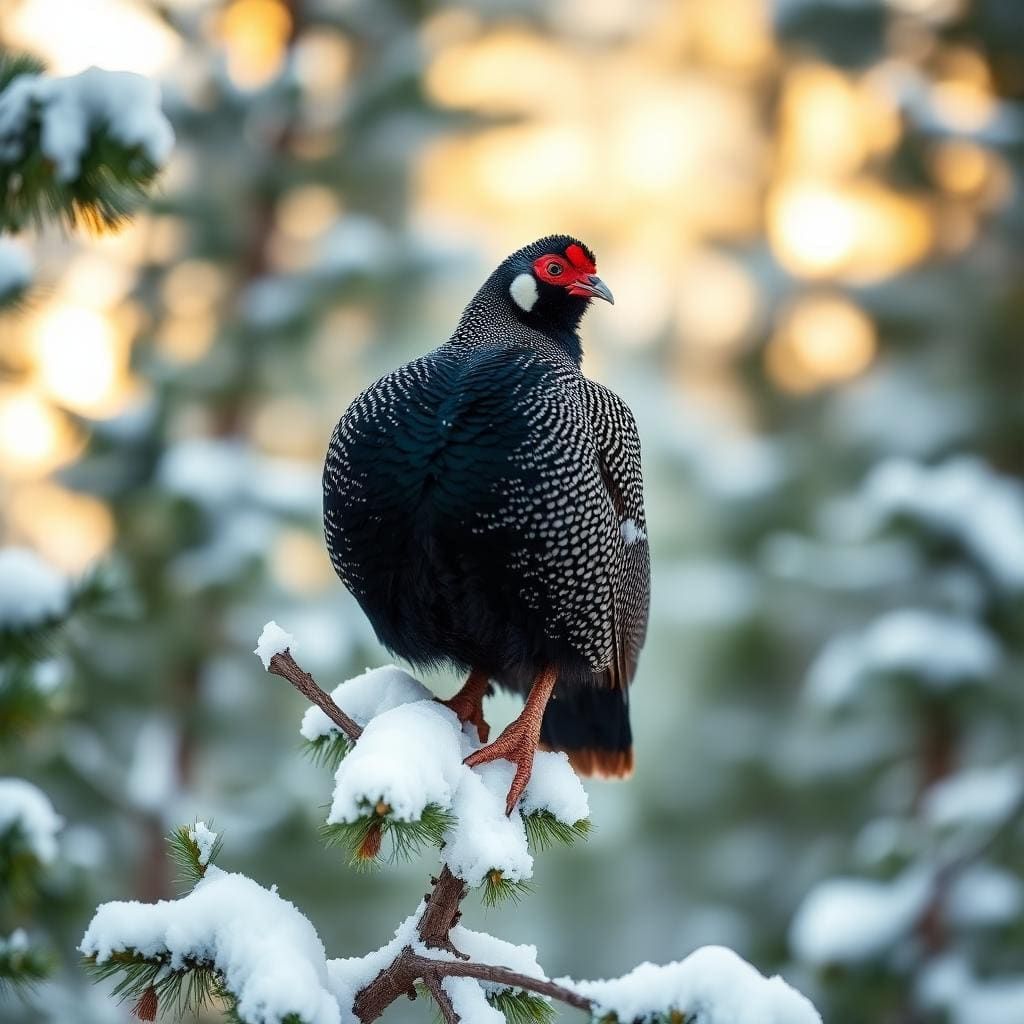
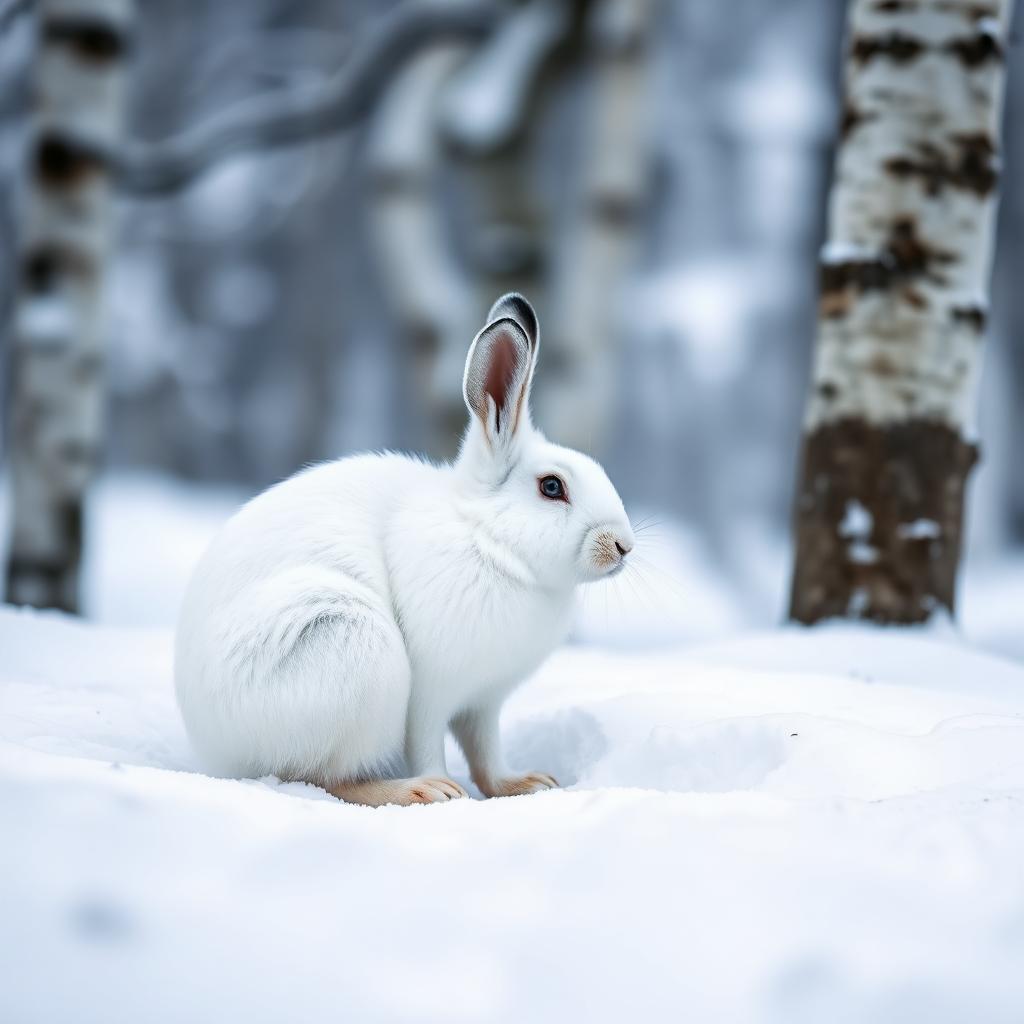
Wildlife found around Grand Canyon National Park

Compare side by side
Put the Grand Canyon National Park against any other pick on this list — specs, price, pros, cons and reader ratings.