



Reader rating
Rate it and you move it. Community ratings re-rank this product inside its Top 10 list.
Expert-picked, reader-ranked. Our editors choose the products and the launch order; member star ratings move picks up or down over time.
Aspens turn gold; elk bugle in the valley.
Pros
- Dramatically reduced insect activity compared to summer
- Prime elk rutting displays and active wildlife viewing
- Stable autumn weather patterns with minimal lightning risk
- Vibrant yellow aspens contrasting against raw granite peaks
Cons
- Sub-freezing overnight temperatures demand heavier sleep systems
- Congested trailheads and pullouts during peak foliage weeks
- Park facilities and shuttles begin seasonal closures mid-month
Best uses
- Fall alpine backpacking
- Big-wall day hiking
- Wildlife photography
- Strenuous ridge running
Specifications
- State
- Wyoming
- Elevation Range
- 6,320 to 13,775 feet
- Peak Month
- Mid to late September
- Primary Hub
- Moose and Jenny Lake
- Permits
- Required for all backcountry camping
- Bear Habitat
- Grizzly and black bear country
Best for
Fall alpine backpacking, Big-wall day hiking, Wildlife photography, Strenuous ridge running
September strips away the suffocating summer pressure from Jackson Hole, leaving behind sharp mornings, clear light, and an alpine landscape operating at its absolute peak. Rising abruptly from the sagebrush flats of the valley floor without foothills, the Teton Range presents an unbroken wall of jagged granite that catches early dustings of autumn snow while the valley floor remains entirely accessible. The change in season brings a dramatic shift in energy, marked by the resonant bugling of rutting bull elk echoing across the meadows at dawn. Deciduous trees along the Snake River corridor turn brilliant shades of gold, framing classic high-elevation objectives that become far more manageable once July's relentless mosquitoes and August's afternoon lightning cycles dissipate. Daytime temperatures hover in the low 60s, creating near-ideal conditions for pushing big mileage on foot or paddling across chilly glacial lakes before winter storms shut down the high passes. While September delivers the finest weather window of the year, it demands real mountain discipline. Freezing overnight temperatures are guaranteed at elevation, services begin winding down mid-month, and active grizzly bears are aggressively feeding ahead of winter, requiring constant vigilance across every trail system.
Terrain and Alpine Geography
The park is defined by violent, fault-block geology. The eastern scarp of the Tetons rises sharply more than 7,000 feet directly above Jackson Hole, creating deep U-shaped canyons carved out by glacial movement. The lower elevations feature gravel flats, sagebrush steppe, and cottonwood-lined riverbeds, but ascending just a few miles puts you squarely on technical granite benches, talus fields, and hanging cirques. Water moves rapidly through these corridors, feeding cold, crystalline tarns like Lake Solitude and Amphitheater Lake. Because the relief is so vertical, moving off the valley floor means committing immediately to sustained, quad-burning elevation gain across rocky, unyielding trailbeds.
Fall Weather Windows
Early autumn offers the most stable atmospheric window in the northern Rockies. The monsoon pattern that triggers daily midday thunderstorms throughout July and August largely collapses by September, opening up long, predictable days for summit pushes and ridgeline traverses. Afternoon highs in the valleys routinely sit between 55 and 65 degrees Fahrenheit, while high camps frequently drop well below freezing once the sun dips behind the Cathedral Group. Early winter storms are a genuine hazard; a sudden cold front can drop six inches of wet snow at high elevations without warning, turning straightforward rock scrambles into treacherous descents.
Wildlife and Rut Activity
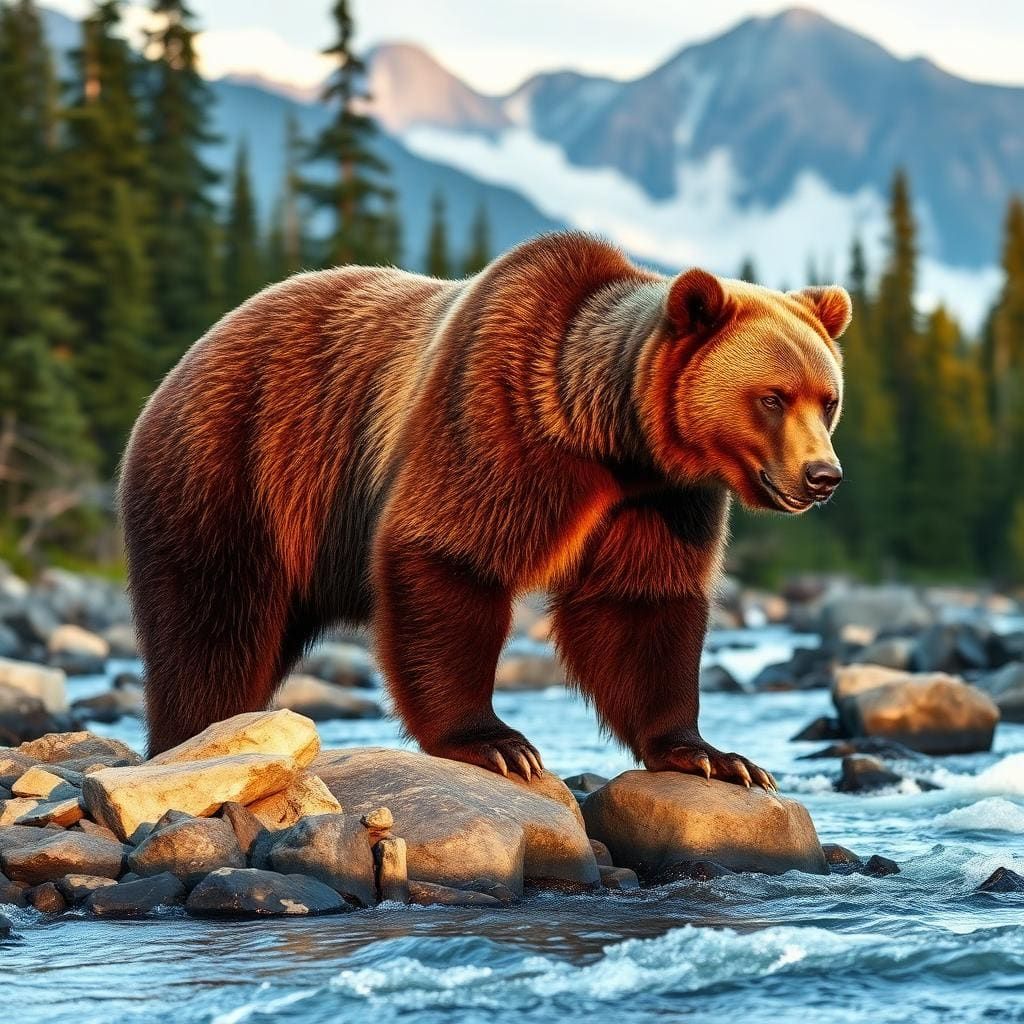
Autumn activity is dictated by the biological urgency of two key species: elk and bears. In places like White Grass and along the Gros Ventre River, bull elk gather harems and bugle continuously from dusk until dawn, drawing both photographers and apex predators. At the same time, both black bears and grizzlies enter hyperphagia, foraging relentlessly on whitebark pine seeds, hawthorn berries, and roots to build fat reserves. Bear encounters are common on lower trails, especially near berry patches around Jenny and String Lakes. Carrying bear spray, keeping it immediately accessible, and making continuous noise in blind corners are non-negotiable field requirements.
Crux Trails and Routes
Classic trail loops are never better than in September. The premier multi-day objective is the Paintbrush to Cascade Canyon loop, a nineteen-mile circuit that grinds up to Paintbrush Divide at 10,700 feet, where hikers routinely encounter late lingering snowfields alongside fresh autumn ice. For day hikers, the push up to Delta Lake or the switchbacks toward Amphitheater Lake offer intense vertical gain and unobstructed views of the Grand Teton's north face. Lower down, paddling String Lake or following the Leigh Lake shoreline provides tranquil access to water routes before winter ice begins rimming the shallow bays.
Permits and Logistics
Backcountry camping permits are mandatory and rigorously checked by wilderness rangers. The park reserves a significant portion of backcountry sites for advance reservation through Recreation.gov, but walk-up permits remain an option for flexible travelers willing to queue outside the Jenny Lake or Colter Bay permit offices early in the morning. Several park concessionaires, campgrounds, and boat shuttles start shuttering operations by the third week of September, meaning fuel, food, and emergency support become localized to Jackson. Free dispersed camping on adjacent Bridger-Teton National Forest lands offers a reliable fallback when park sites fill up.
The Practical Realities
Do not expect solitude simply because school is back in session. The foliage boom brings heavy vehicle traffic to the Moose-Wilson Road and classic viewpoints like Oxbow Bend, with parking lots at Lupine Meadows and Jenny Lake routinely filling before eight in the morning. Navigating these choke points requires disciplined early starts. Furthermore, shorter daylight hours compress your margin for error on big alpine traverses. Once darkness hits the canyons, temperatures plummet instantly, and navigating boulder fields by headlamp with depleted layers can quickly escalate from an inconvenience into a hypothermic situation.
How we picked
We built this ranking from trip reports, agency data, permit records, and our editors' own time on the ground. 10 places made the final cut out of a much longer working list, and each one had to clear the same set of criteria before it earned a spot.
- Quality of the terrain
- Landscape, route variety, and whether the place rewards multiple days rather than one overlook.
- Season and weather windows
- How long the reliable window is, and how badly the shoulder seasons punish a bad forecast.
- Access and permits
- Trailhead logistics, permit odds, quotas, and how much lead time a trip realistically takes.
- Solitude vs. crowding
- How far you have to walk before the place feels like wilderness instead of a queue.
- Wildlife and ecology
- What you can reasonably expect to see, and what you have to plan around.
- Risk and skill required
- Navigation, water crossings, exposure, and rescue distance — stated plainly.
Grand Teton National Park — frequently asked questions
- Is Grand Teton National Park worth the trip?
- We rank it #2 in US Destinations in September. Aspens turn gold; elk bugle in the valley.
- Who is Grand Teton National Park best for?
- Best for fall alpine backpacking, big-wall day hiking, wildlife photography and strenuous ridge running. Standouts: dramatically reduced insect activity compared to summer and prime elk rutting displays and active wildlife viewing.
- What are the drawbacks of Grand Teton National Park?
- Sub-freezing overnight temperatures demand heavier sleep systems, Congested trailheads and pullouts during peak foliage weeks and Park facilities and shuttles begin seasonal closures mid-month.
- What are the key details for Grand Teton National Park?
- State: Wyoming · Elevation Range: 6,320 to 13,775 feet · Peak Month: Mid to late September · Primary Hub: Moose and Jenny Lake · Permits: Required for all backcountry camping
- Terrain and Alpine Geography — what should I know about the Grand Teton National Park?
- The park is defined by violent, fault-block geology. The eastern scarp of the Tetons rises sharply more than 7,000 feet directly above Jackson Hole, creating deep U-shaped canyons carved out by glacial movement.
- Fall Weather Windows — what should I know about the Grand Teton National Park?
- Early autumn offers the most stable atmospheric window in the northern Rockies. The monsoon pattern that triggers daily midday thunderstorms throughout July and August largely collapses by September, opening up long, predictable days for summit pushes and ridgeline traverses.
Where on earth
Satellite imagery flying in from a world view to Grand Teton National Park, Wyoming, United States. Use the + / − buttons, or click the map to zoom with your scroll wheel; drag to pan and pinch to zoom on touch.
Grand Teton National Park, Wyoming, USA · 43.790, -110.682
Wildlife found around Grand Teton National Park





Compare side by side
Put the Grand Teton National Park against any other pick on this list — specs, price, pros, cons and reader ratings.