



Reader rating
Rate it and you move it. Community ratings re-rank this product inside its Top 10 list.
Expert-picked, reader-ranked. Our editors choose the products and the launch order; member star ratings move picks up or down over time.
Elk rut in Moraine and Horseshoe parks; aspen gold on Trail Ridge.
Pros
- Stable autumn weather windows with vastly reduced afternoon thunderstorm risk
- Peak elk rut activity with active bugling throughout low-elevation meadows
- Brilliant fall foliage as aspen groves peak along montane drainages
- High-altitude driving across Trail Ridge Road remains open before winter snows
Cons
- Strict timed-entry permit system and severe parking congestion at top trailheads
- Rapid temperature drops and sudden early-season alpine snow hazards
- Thin air and high elevation demand serious physical acclimatization
Best uses
- Early autumn wildlife watching
- High-elevation day hiking
- Alpine scenic photography
- Continental Divide road trips
Specifications
- Location
- Front Range, Colorado
- Highest Elevation
- 14,259 feet (Longs Peak)
- Peak Season
- Mid-September for foliage and rut
- Timed Entry
- Required through mid-to-late October
- Alpine Transit
- Trail Ridge Road (closes with heavy snow)
- Primary Gateways
- Estes Park (east), Grand Lake (west)
Best for
Early autumn wildlife watching, High-elevation day hiking, Alpine scenic photography, Continental Divide road trips
September shifts Rocky Mountain National Park from its frantic summer overdrive into something sharper and colder. The summer monsoon shuts off, leaving crisp bluebird mornings and dry trailheads. As temperatures drop toward freezing at night, the park's montane valleys turn vibrant with changing aspen, and the alpine tundra above treeline takes on a bronze cast under thinning skies. This is peak wildlife season, centered on the annual elk rut across Moraine Park, Horseshoe Park, and Upper Beaver Meadows. Towering bull elk herd harems and bugle continuously through dawn and dusk, echoing across granite cirques. Driving high across Trail Ridge Road—cresting at over 12,000 feet—offers an expansive look at the Continental Divide without the heavy summer thunderstorms that routinely chase hikers off ridgelines by noon. Still, late-season travel here demands real caution. Autumn brings volatile weather, where warm 65-degree afternoons can collapse into sudden alpine snowstorms within hours. Crowds remain thick along the Bear Lake Corridor, and navigating the timed-entry system requires planning weeks in advance. If you catch the right weather window between early September and the first permanent October freeze, you get Colorado backcountry at its finest.
Terrain and High Country
Straddling the Continental Divide, the landscape divides cleanly between the steep, glacially carved granite faces of the east side and the broader, wetter pine valleys of the west slope. Elevation starts around 7,500 feet at the valley floors and tops out above 14,000 feet, meaning low-oxygen strain is an immediate operational factor. Trails quickly climb from ponderosa and lodgepole forests through subalpine fir into high-altitude tundra above the 11,500-foot treeline. Footing ranges from smooth dirt pack in the lower meadows to pulverized talus, scree, and polished granite slabs higher up. Glacial cirques cradle high-elevation tarns like Sky Pond and Chasm Lake, where steep headwalls shelter residual snowfields year-round. This vertical relief creates distinct microclimates over very short distances, demanding reliable footwear and layering systems capable of handling rapid elevation changes.
The Autumn Weather Window
September brings the most reliable weather window of the year across the Front Range. The ferocious convective afternoon thunderstorms of July and August drop off sharply as moisture flow recedes, replaced by stable high pressure, clear skies, and calm winds. Day temperatures in the lower meadows hover comfortably in the 60s, but overnight lows regularly dip into the 20s and 30s. Above treeline on Trail Ridge Road or the Divide peaks, gale-force gusts and windchill remain common even under clear skies. Early-season winter storms can dump six inches of wet snow with minimal warning, temporarily closing high roads before the autumn sun melts it off. Staying flexible and monitoring terminal forecasts from the National Weather Service out of Boulder is essential before pushing above the trees.
Elk Rut and Wildlife
Wildlife observation in September focuses almost entirely on the elk breeding season. Hundreds of Rocky Mountain elk descend into Moraine Park, Horseshoe Park, and Kawuneeche Valley. Bull elk, swollen from the summer browse, clash antlers and sound their piercing, high-pitched bugles to establish dominance and hold harems of cows. Park rangers enforce strict meadow closures from dusk to dawn to protect the animals during this biologically critical period, but roadside viewing remains world-class. Aside from elk, September sees active black bears foraging for chokecherries and acorns before denning, while moose frequent willow bogs along the Colorado River headwaters on the west side. Bighorn sheep often move along the rocky slopes of Sheep Lakes. Carry binoculars, keep telephoto lenses mounted, and maintain strict federal distances from aggressive bulls.
Essential Routes and Passes
Trail Ridge Road is the prime arterial route, climbing to 12,183 feet across eleven miles of open alpine tundra between Estes Park and Grand Lake. It serves as both a transit corridor and an open-air scenic ridgeline drive, offering views of the Never Summer Mountains and Mummy Range. For foot travel, the Bear Lake Corridor holds the highest concentration of alpine classics, including the trek past Loch Vale to Sky Pond or the traverse to Emerald Lake. The Keyhole Route on Longs Peak remains technically open into September, but the route often harbors early verglas and black ice in shadowy troughs like the Trough and the Narrows, turning an arduous Class 3 scramble into a high-consequence mountaineering route. Stick to lower trails if icy conditions persist.
Permits and Crowds
Popularity is the primary friction point. Rocky Mountain enforces a strict timed-entry reservation system that typically runs through late October. The park splits access into two tiers: the Bear Lake Road Corridor (which includes the entire park plus the Bear Lake artery) and a general park access permit that covers Trail Ridge Road and outlying trailheads. Booking slots open monthly on Recreation.gov, with a limited batch released at 5:00 PM the evening before. If you miss a permit, you must enter before the morning cutoff (usually 5:00 AM for Bear Lake, 9:00 AM for the rest) or wait until late afternoon. Parking lots at Glacier Gorge and Bear Lake routinely fill before dawn regardless of entry permits, making the park’s free shuttle bus system mandatory for midday access.
Real Hazards and Preparation
Altitude sickness and rapid hypothermia represent the genuine hazards in September. Visitors arriving directly from sea level often underestimate the physiological tax of hiking above 9,000 feet, where dehydration and acute mountain sickness can take hold within hours. Acclimatization in Estes Park or Denver before attempting long backcountry pushes is sensible risk management. Dehydration is accelerated by dry mountain air, requiring consistent fluid and electrolyte intake. Hypothermia is equally dangerous during transitional autumn months; sweating through a base layer during a steep midday climb and getting hit by a 30-degree wind at an alpine lake can turn hazardous quickly. Carrying windproof shells, insulating midlayers, and dry gloves is non-negotiable, even if the trailhead thermometer reads sixty degrees at 9:00 AM.
How we picked
We built this ranking from trip reports, agency data, permit records, and our editors' own time on the ground. 10 places made the final cut out of a much longer working list, and each one had to clear the same set of criteria before it earned a spot.
- Quality of the terrain
- Landscape, route variety, and whether the place rewards multiple days rather than one overlook.
- Season and weather windows
- How long the reliable window is, and how badly the shoulder seasons punish a bad forecast.
- Access and permits
- Trailhead logistics, permit odds, quotas, and how much lead time a trip realistically takes.
- Solitude vs. crowding
- How far you have to walk before the place feels like wilderness instead of a queue.
- Wildlife and ecology
- What you can reasonably expect to see, and what you have to plan around.
- Risk and skill required
- Navigation, water crossings, exposure, and rescue distance — stated plainly.
Rocky Mountain National Park — frequently asked questions
- Is Rocky Mountain National Park worth the trip?
- We rank it #3 in US Destinations in September. Elk rut in Moraine and Horseshoe parks; aspen gold on Trail Ridge.
- Who is Rocky Mountain National Park best for?
- Best for early autumn wildlife watching, high-elevation day hiking, alpine scenic photography and continental divide road trips. Standouts: stable autumn weather windows with vastly reduced afternoon thunderstorm risk and peak elk rut activity with active bugling throughout low-elevation meadows.
- What are the drawbacks of Rocky Mountain National Park?
- Strict timed-entry permit system and severe parking congestion at top trailheads, Rapid temperature drops and sudden early-season alpine snow hazards and Thin air and high elevation demand serious physical acclimatization.
- What are the key details for Rocky Mountain National Park?
- Location: Front Range, Colorado · Highest Elevation: 14,259 feet (Longs Peak) · Peak Season: Mid-September for foliage and rut · Timed Entry: Required through mid-to-late October · Alpine Transit: Trail Ridge Road (closes with heavy snow)
- Terrain and High Country — what should I know about the Rocky Mountain National Park?
- Straddling the Continental Divide, the landscape divides cleanly between the steep, glacially carved granite faces of the east side and the broader, wetter pine valleys of the west slope. Elevation starts around 7,500 feet at the valley floors and tops out above 14,000 feet, meaning low-oxygen strain is an immediate…
- The Autumn Weather Window — what should I know about the Rocky Mountain National Park?
- September brings the most reliable weather window of the year across the Front Range. The ferocious convective afternoon thunderstorms of July and August drop off sharply as moisture flow recedes, replaced by stable high pressure, clear skies, and calm winds.
Where on earth
Satellite imagery flying in from a world view to Rocky Mountain National Park, Colorado, United States. Use the + / − buttons, or click the map to zoom with your scroll wheel; drag to pan and pinch to zoom on touch.
Rocky Mountain National Park, Colorado, USA · 40.343, -105.684
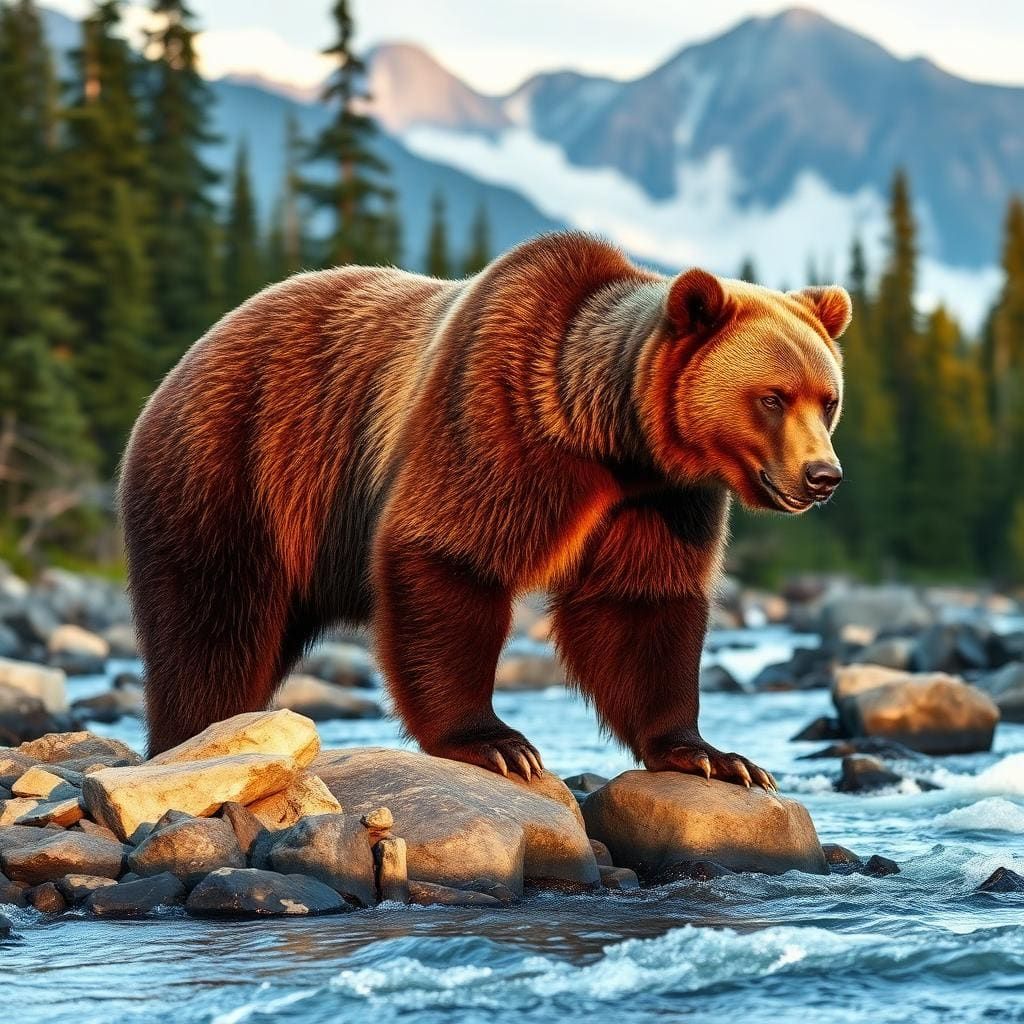
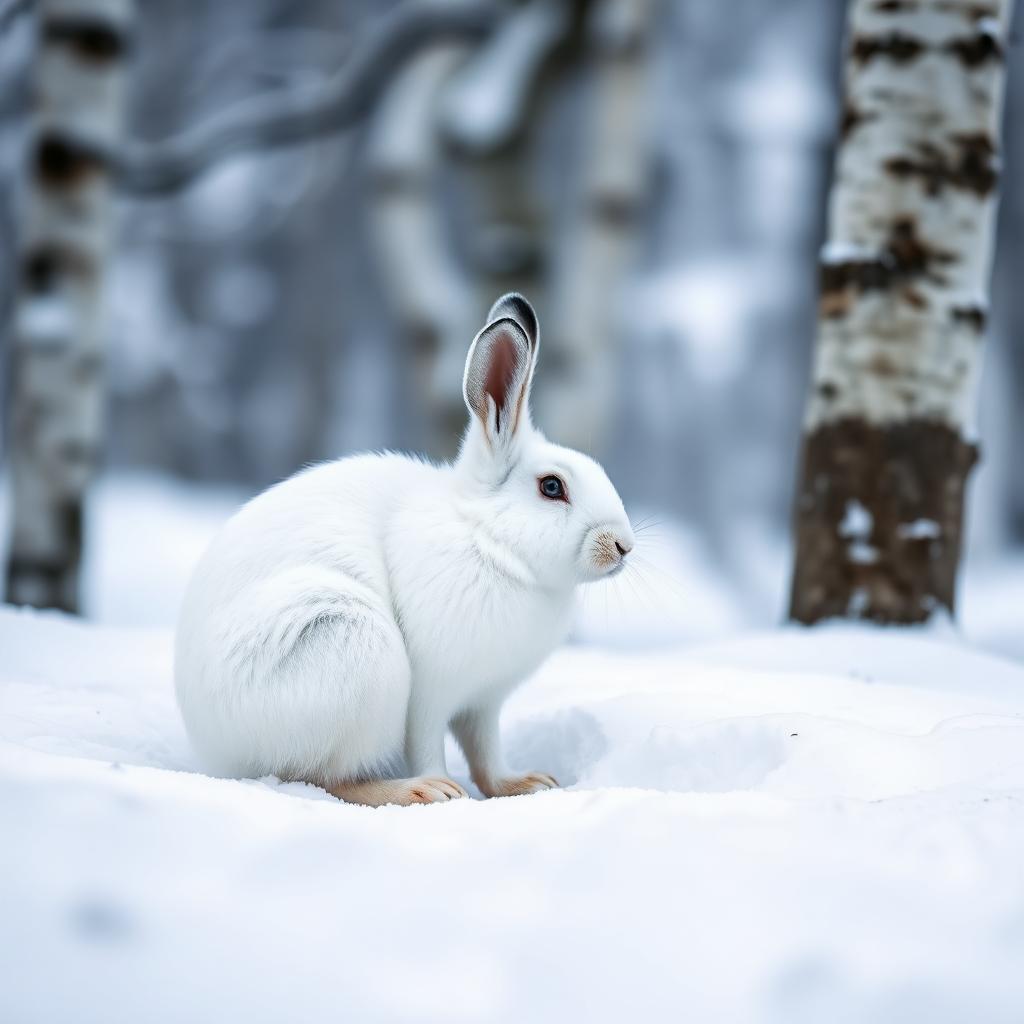
Wildlife found around Rocky Mountain National Park





Compare side by side
Put the Rocky Mountain National Park against any other pick on this list — specs, price, pros, cons and reader ratings.